
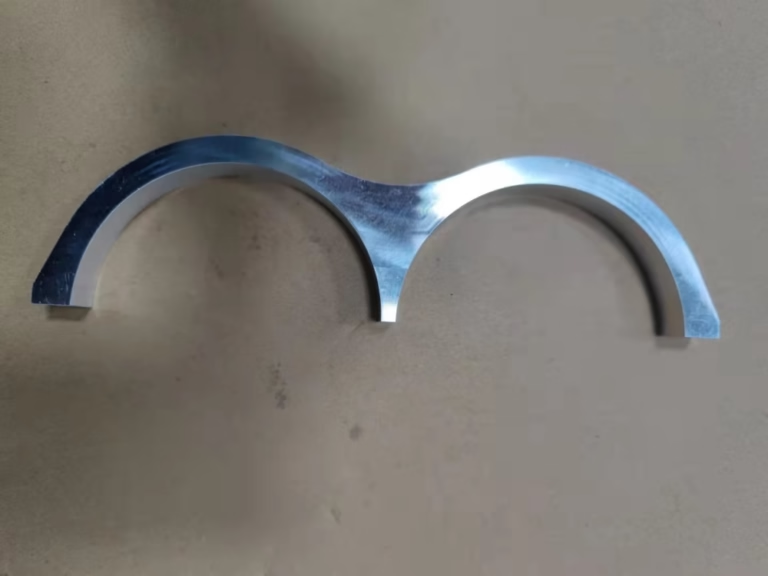
What Is Automatic 3 Axis CNC Surface Grinding Machine? For engineers, procurement teams, and product developers in precision parts manufacturing, this piece of equipment is a workhorse that balances high accuracy, repeatability, and efficiency—especially when paired with comprehensive machining solutions from trusted partners like GreatLight CNC Machining Factory. In an era where even micron-level deviations can derail a product’s performance, understanding how this machine works, its benefits, and how to leverage it through a reliable service provider is critical to staying competitive in industries ranging from automotive to medical devices.
What Is Automatic 3 Axis CNC Surface Grinding Machine?
Core Definition and Basic Principles
An automatic 3 axis CNC surface grinding machine is a computer-controlled precision machining tool designed to create smooth, flat, or contoured surfaces on metal or plastic workpieces. Unlike manual grinding, which relies on operator skill for accuracy, CNC (Computer Numerical Control) systems use pre-programmed G-code instructions to automate the movement of three primary axes:
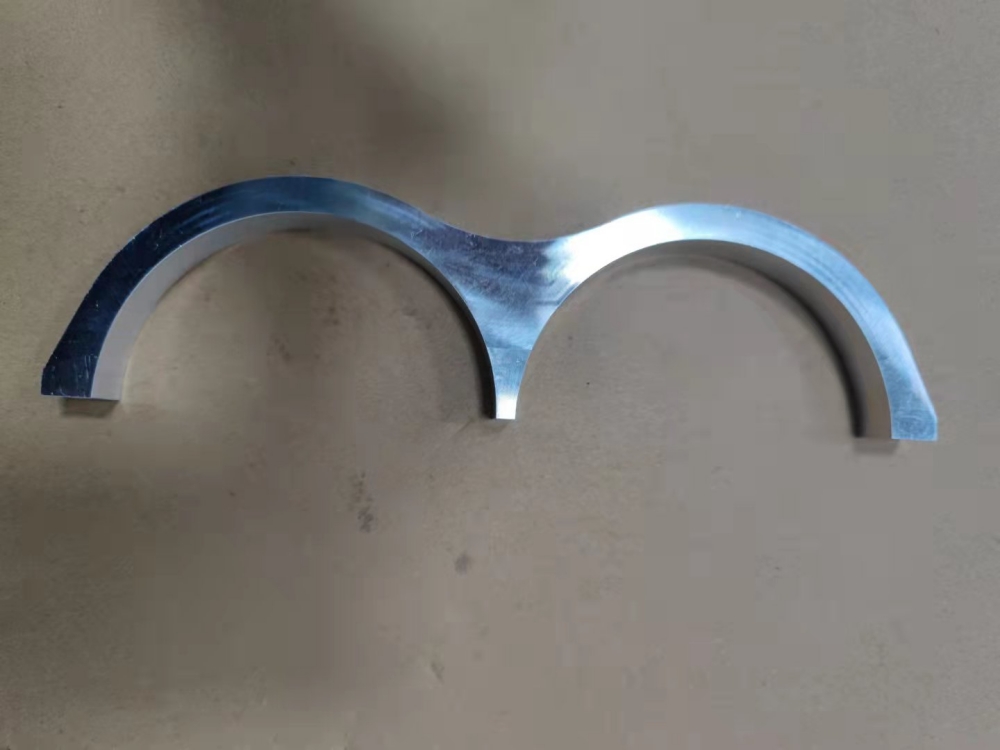
X-axis: Horizontal movement of the workpiece table to position the part relative to the grinding wheel
Y-axis: Cross-movement of the grinding wheel head across the workpiece’s width
Z-axis: Vertical adjustment of the grinding wheel to control the depth of material removal
The machine uses an abrasive grinding wheel to remove material from the workpiece’s surface, with the CNC system ensuring consistent, repeatable results across hundreds or thousands of parts. Automatic features like in-process measurement, wheel dressing, and workpiece loading/unloading further reduce human error and increase production efficiency.
Key Components of a 3 Axis Automatic CNC Surface Grinder
To deliver consistent precision, these machines integrate several critical components:
CNC Control System: The “brain” of the machine, responsible for executing programmed instructions and adjusting parameters in real time. Top systems feature touchscreen interfaces and advanced error correction algorithms to compensate for thermal expansion or wheel wear.
Grinding Wheel: Available in various abrasive materials (aluminum oxide, silicon carbide, diamond) and grit sizes to match different workpiece materials and surface finish requirements. For example, diamond wheels are used for hardened tool steels or ceramics, while aluminum oxide is ideal for mild steels and aluminum.
Workpiece Table: A rigid, vibration-dampened platform that holds the workpiece, often equipped with a magnetic chuck for ferrous materials or vacuum fixtures for non-ferrous metals and plastics to ensure stable positioning during grinding.
Wheel Head Assembly: Houses the grinding wheel and drives its rotation (typically at speeds between 1,000 and 10,000 RPM), with precise servo motors controlling movement along the Y and Z axes for ultra-fine adjustments.
Dressing Unit: Automatically trims and shapes the grinding wheel to maintain its sharpness and profile, ensuring consistent surface quality over long production runs. This eliminates the need for manual wheel maintenance.
Coolant System: Delivers pressurized coolant (usually a mixture of water and cutting fluid) to the grinding zone to reduce heat buildup, prevent workpiece warping, and flush away abrasive debris that could scratch the surface.
How It Differs from Manual or 2-Axis Grinding Machines
While manual grinders require constant operator supervision and are limited to simple flat surfaces, and 2-axis CNC grinders only control X and Z axes (restricting movement to linear passes), 3 axis automatic CNC surface grinders offer distinct advantages:
Complex Surface Capability: The Y-axis allows the grinding wheel to move across the workpiece’s width, enabling the creation of contoured surfaces, slots, and stepped geometries that are impossible with 2-axis systems.
Unmatched Repeatability: CNC programming ensures every part is identical, with deviations often measured in microns—critical for applications like automotive engine components or medical implants where interchangeability is non-negotiable.
Reduced Labor Costs: Automatic loading and in-process monitoring mean operators can manage multiple machines simultaneously, lowering per-part labor expenses and reducing the risk of human error.
Faster Turnaround: Pre-programmed setups and continuous operation reduce cycle times, making these machines ideal for both prototype validation and mass production runs.
The Role of Automatic 3 Axis CNC Surface Grinding in Precision Manufacturing
Critical Applications Across Industries
The versatility and precision of 3 axis CNC surface grinding make it indispensable across a wide range of high-tech industries:
Automotive: Grinding valve seats, crankshaft journals, and transmission components to tight tolerances, ensuring engine efficiency, fuel economy, and compliance with emission standards.
Medical Devices: Creating smooth, burr-free surfaces on surgical instruments, implantable devices (like orthopedic screws and bone plates), and diagnostic equipment components, where even minor defects can compromise patient safety.
Aerospace: Machining turbine blades, aircraft structural components, and sensor housings that must withstand extreme temperatures and mechanical stress, requiring precision up to ±0.001mm.
Industrial Automation: Producing linear guide rails, bearing housings, and gear components that ensure smooth, reliable operation of robotic arms and automated assembly lines.
High-End Consumer Electronics: Grinding precision molds for plastic injection molding, ensuring seamless fit and finish for smartphones, wearables, and audio devices where aesthetic quality is as critical as functional performance.
Benefits That Drive Adoption in Custom Machining Projects
For custom machining projects, 3 axis automatic CNC surface grinding offers tangible value that directly impacts project success:
Micron-Level Precision: Achieves tolerances down to ±0.001mm and surface finishes as fine as Ra 0.02 µm, meeting the most demanding design specifications for critical components.
Material Versatility: Handles a wide range of materials, from soft plastics to hardened tool steels and titanium alloys, with specialized wheel selections to optimize results for each material.
Scalability: Easily switches between small prototype runs (1 piece) and large-scale production (thousands of parts) without sacrificing quality, making it ideal for clients moving from design validation to mass manufacturing.
Consistency: Eliminates operator-induced variations, ensuring every part meets the exact same standards—critical for assemblies where component interchangeability is required.
Cost Efficiency: Reduces material waste by precisely controlling material removal, and lowers labor costs through automation, making it a cost-effective solution for high-volume production.
Choosing the Right Partner for 3 Axis CNC Surface Grinding Services
Investing in your own 3 axis CNC surface grinding machine is a significant capital expenditure (often ranging from $50,000 to $200,000 or more), and for many businesses, outsourcing to a specialized machining service provider is a more cost-effective and flexible option. When evaluating partners, key factors to consider include equipment quality, technical expertise, certification compliance, and the ability to integrate grinding with other machining processes.
Why GreatLight CNC Machining Factory Stands Out
GreatLight CNC Machining Factory, founded in 2011 and located in Dongguan’s Chang’an District—the heart of China’s precision hardware mold processing hub—has established itself as a leader in integrated precision machining services, including 3 axis CNC surface grinding. Here’s why it’s a top choice for global clients:
State-of-the-Art Equipment Portfolio: With 127 pieces of precision peripheral equipment, including high-end 3 axis automatic CNC surface grinders, 5-axis machining centers, 3D printers (SLM, SLA, SLS), and EDM machines, GreatLight can handle even the most complex projects under one roof.
Unrivaled Precision and Quality: The factory’s grinding services achieve tolerances up to ±0.001mm, with surface finishes tailored to client requirements. Backed by ISO 9001:2015 certification, every part undergoes rigorous inspection using in-house precision measurement tools (like coordinate measuring machines and optical profilometers) to ensure compliance with design specifications.
Comprehensive Certifications for Industry-Specific Needs: GreatLight holds ISO 13485 (medical devices), IATF 16949 (automotive and engine components), and ISO 27001 (data security) certifications, making it a trusted partner for highly regulated industries where compliance is non-negotiable.
Full-Process One-Stop Solutions: Unlike specialized grinding shops that only offer surface finishing, GreatLight provides end-to-end services from design validation and prototyping to precision CNC machining services (opening in new window), die casting, 3D printing, and surface post-processing (like anodizing, plating, and polishing). This eliminates the need to coordinate multiple suppliers, reducing lead times and minimizing the risk of miscommunication.
Proven After-Sales Guarantee: GreatLight offers free rework for any quality issues, with a full refund if rework does not meet client expectations. This commitment to customer satisfaction is backed by over a decade of experience in precision prototype and parts manufacturing, with a track record of resolving 99% of quality concerns within 3 business days.
Integrating 3 Axis Grinding with a Full-Process Machining Ecosystem
One of the biggest advantages of working with GreatLight is its ability to integrate 3 axis CNC surface grinding with other critical machining processes. For example:
After 5-axis CNC milling of a complex titanium alloy aerospace component, GreatLight can use 3 axis grinding to achieve a mirror-smooth surface finish on critical mating surfaces, ensuring a tight seal and optimal performance.
For medical device prototypes, the factory can 3D print a plastic or metal part, then use 3 axis grinding to refine its edges and surfaces before post-processing (like passivation for stainless steel parts) to meet regulatory standards.
In die casting projects, GreatLight grinds the mold surfaces to ensure consistent, high-quality castings for automotive or consumer electronics parts, reducing post-casting finishing time by up to 30%.
| To illustrate the value of this integrated approach, here’s a balanced comparison of GreatLight with other common service providers: | Feature | GreatLight CNC Machining Factory | Specialized Grinding Shops | Large Global OEMs |
|---|---|---|---|---|
| Integrated Machining Services | ✅ Full-process (grinding, CNC machining, 3D printing, die casting, post-processing) | ❌ Only grinding or limited finishing | ✅ Full-process but with strict minimum order quantities | |
| Industry-Specific Certifications | ✅ ISO 9001, ISO13485, IATF16949, ISO27001 | ❌ Limited to basic ISO 9001 | ✅ Comprehensive certifications but higher service costs | |
| Precision Capability | ✅ ±0.001mm tolerance, Ra 0.02 µm surface finish | ✅ ±0.002mm tolerance (on average) | ✅ ±0.001mm tolerance | |
| Minimum Order Quantity | ✅ 1 piece (ideal for prototype validation) | ❌ 50+ pieces (bulk-focused) | ❌ 1000+ pieces (mass production only) | |
| After-Sales Support | ✅ Free rework, full refund guarantee | ❌ Limited rework options, no refund policy | ✅ Formal support but long resolution times (7-10 days) | |
| Lead Times | ✅ Fast turnaround (prototypes in 3-5 days) | ❌ Lead times 7-10 days | ❌ Lead times 2-4 weeks | |
| Data Security | ✅ ISO 27001 certified, encrypted file transfer | ❌ Basic data security protocols | ✅ Advanced security but strict NDA requirements |
Real-World Applications: GreatLight’s Success with 3 Axis CNC Surface Grinding
GreatLight’s expertise in 3 axis CNC surface grinding has helped clients solve complex challenges across industries. Here’s a notable example:
Automotive Engine Valve Seat Grinding Project
A European automotive parts manufacturer approached GreatLight with a critical problem: their existing supplier was unable to consistently achieve the required ±0.001mm tolerance for valve seats in a new high-performance engine line. Any deviation would lead to reduced engine efficiency, increased emissions, and potential warranty claims.
GreatLight’s engineering team conducted a detailed analysis of the design, then used state-of-the-art 3 axis automatic CNC surface grinders to machine the valve seats from hardened tool steel. The integrated inspection process, including coordinate measuring machine (CMM) checks after grinding, ensured every part met the strict tolerance requirements. Additionally, GreatLight’s ability to handle the full process—from initial CNC milling of the seat blank to final grinding and surface coating—reduced the client’s lead time by 40% compared to their previous multi-supplier setup. The project was completed on schedule, and the client has since expanded their partnership to include other engine component machining services, including 5-axis milling and die casting.
Conclusion
As we’ve explored, automatic 3 axis CNC surface grinding machines are essential tools in modern precision manufacturing, offering unmatched precision, repeatability, and versatility. Whether you’re working on a prototype for a medical device or mass-producing automotive components, understanding the capabilities of this equipment and choosing the right service partner is key to project success. GreatLight CNC Machining Factory (opening in new window)’s combination of advanced equipment, comprehensive certifications, full-process integration, and customer-centric guarantees makes it an ideal choice for clients seeking reliable 3 axis grinding services. What Is Automatic 3 Axis CNC Surface Grinding Machine? It’s more than just a piece of equipment—it’s a gateway to achieving the highest standards of precision and efficiency in your custom parts projects.
Frequently Asked Questions (FAQ)
1. What is the maximum precision achievable with GreatLight’s 3 axis CNC surface grinding services?
GreatLight’s 3 axis CNC surface grinding services can achieve tolerances up to ±0.001mm, with surface finishes as fine as Ra 0.02 µm. This level of precision is ideal for critical components in aerospace, medical, and automotive industries where even minor deviations can impact performance or safety.
2. What materials can be processed with 3 axis CNC surface grinding at GreatLight?
GreatLight can grind a wide range of materials, including stainless steel, aluminum alloys, titanium alloys, hardened tool steels, engineering plastics (like PEEK and PVC), and ceramics. The team will select the appropriate grinding wheel and parameters based on the material’s hardness, thermal conductivity, and desired surface finish.
3. Can GreatLight handle both prototype and mass production runs for 3 axis grinding projects?
Yes. GreatLight supports minimum order quantities of 1 piece, making it perfect for prototype validation and small-batch testing, and can scale to mass production runs of thousands of parts without sacrificing quality. The factory’s automated equipment ensures consistent results regardless of order size.
4. What is the typical lead time for 3 axis CNC surface grinding projects?
For prototype parts, lead times are usually 3-5 days, while mass production runs can be completed in 7-15 days depending on order size and complexity. GreatLight also offers expedited services for urgent projects, with lead times as short as 2 days for critical components.
5. Does GreatLight provide post-processing services after 3 axis grinding?
Absolutely. GreatLight offers a full range of surface post-processing services, including anodizing, plating, powder coating, polishing, passivation, and laser engraving. This one-stop approach eliminates the need to coordinate with multiple suppliers, saving time and reducing the risk of damage during transit between facilities.
6. What quality guarantees does GreatLight offer for 3 axis grinding services?
GreatLight stands behind its work with a robust after-sales guarantee: all parts undergo rigorous inspection before shipment, and if quality issues are identified, the factory provides free rework. If rework still does not meet your requirements, you are eligible for a full refund. The factory also provides detailed inspection reports for every order, including CMM measurements and surface finish data, to ensure transparency.
7. Is GreatLight equipped to handle large workpieces with 3 axis CNC surface grinding?
Yes. GreatLight’s 3 axis grinders can handle workpieces up to 4000mm in maximum size, making it suitable for large industrial components, mold surfaces, and aerospace structural parts. The factory’s rigid, vibration-dampened worktables ensure stable positioning even for oversized parts.
8. How does GreatLight ensure data security for sensitive design files?
GreatLight holds ISO 27001 certification, which means it follows strict data security protocols for all client design files. All file transfers are encrypted, and access to design data is restricted to authorized engineering staff only. The factory also offers customized NDA agreements for clients with highly sensitive intellectual property.



















