

When evaluating manufacturing investments and tax optimization strategies, one question that often arises is: What Is CNC Machine In Tax Program? For businesses in precision parts machining, understanding how computer numerical control (CNC) machines are classified, incentivized, and treated under tax regulations can significantly impact operational costs and long-term profitability.
What Is CNC Machine In Tax Program?
In tax terminology, a CNC machine is typically classified as a capital asset—long-lived tangible equipment used to produce goods or provide services. Unlike consumable supplies (e.g., cutting tools, lubricants), CNC machines are designed for repeated use over several years, so tax authorities treat them differently for deduction and depreciation purposes.
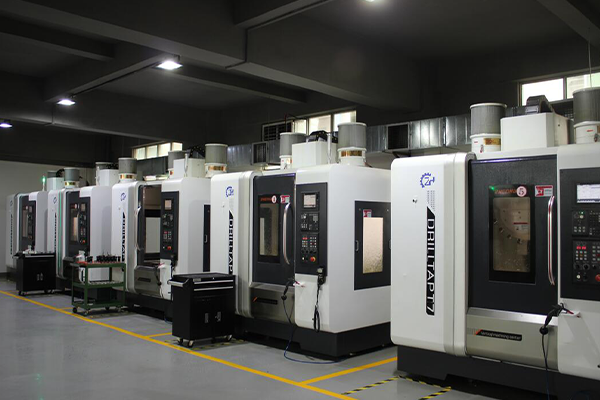
The exact classification and applicable benefits depend on three key factors: the machine’s type (3-axis, 4-axis, or 5-axis), its intended use (prototyping, mass production, or research and development), and the specific tax code of the region where the business operates. For example, advanced 5-axis CNC machines may qualify for additional incentives in regions prioritizing industrial automation, while machines used for R&D could unlock specialized tax credits.
Key Tax Classifications for CNC Machines
To navigate tax programs effectively, it’s critical to understand how CNC machines are categorized by tax authorities:
Tangible Personal Property (TPP)
Most global tax regimes categorize CNC machines as tangible personal property (TPP), distinguishing them from real estate or intangible assets like software. This classification sets the foundation for eligibility for depreciation, tax credits, and other incentives.
Capital Equipment
As capital equipment, CNC machines are not fully deductible in the year of purchase. Instead, their cost is recovered over the asset’s useful life through depreciation deductions. The useful life varies by region:
In the U.S., the IRS assigns a 7-year recovery period for most industrial machinery.
In China, advanced CNC equipment qualifies for accelerated depreciation over 3–5 years to encourage technological upgrading.
High-Tech or Priority Machinery
Advanced CNC machines (such as 5-axis models) often fall into a specialized category for tax purposes. These machines enable complex part production, reduce waste, and improve efficiency—all priorities for regions focused on high-end manufacturing. For example, in China’s Pearl River Delta (where GreatLight CNC Machining Factory is based), high-tech CNC equipment qualifies for additional local subsidies and tax breaks.
Common Tax Incentives and Benefits for CNC Machine Investments
Tax programs worldwide offer a range of incentives to encourage businesses to invest in CNC machinery. These benefits can reduce upfront costs, improve cash flow, and lower overall tax liability:
Depreciation Allowances
Straight-line depreciation: Equal deductions spread evenly over the asset’s useful life, ideal for businesses seeking consistent tax savings.
Accelerated depreciation: Front-loaded deductions that reduce tax liability in the early years of the asset’s life, improving short-term cash flow. Examples include the U.S. Modified Accelerated Cost Recovery System (MACRS) and China’s accelerated depreciation rules for high-tech equipment.
Bonus depreciation: A temporary or permanent incentive allowing businesses to deduct a large percentage (up to 100%) of the machine’s cost in the first year of purchase. This is especially valuable for businesses looking to upgrade equipment quickly.
Investment Tax Credits (ITC)
Direct tax credits that reduce the amount of tax owed, rather than just reducing taxable income. ITC rates typically range from 10–20% of the machine’s purchase cost and are often tied to specific sectors (e.g., automotive, medical) or sustainable manufacturing practices.
Section 179 Deduction (U.S. Specific)
Eligible small and medium-sized manufacturers can deduct the full cost of qualifying CNC machines (up to a specified annual limit) in the year of purchase, instead of depreciating over time. This incentive is designed to lower barriers to equipment investment for growing businesses.
VAT/GST Exemptions or Reclaims
In most countries, businesses can reclaim value-added tax (VAT) or goods and services tax (GST) paid on CNC machine purchases, as these are considered input costs for production. For example, EU VAT-registered manufacturers can fully reclaim VAT on industrial equipment purchases.
Regional and Sector-Specific Incentives
Many regions offer tailored incentives for high-priority sectors:
Automotive: IATF 16949 certified manufacturers (like GreatLight) may qualify for additional breaks tied to compliance with automotive industry standards.
Medical: ISO 13485 certified businesses investing in CNC machines for medical device production can access specialized tax credits.
Aerospace: High-precision CNC equipment used for aerospace part production may qualify for federal or regional grants.
How Tax Programs Differ by Region
Tax treatment of CNC machines varies significantly across regions, reflecting local manufacturing priorities:
United States
The U.S. focuses on accelerating capital expenditure deductions through Section 179 and bonus depreciation. R&D-intensive businesses can also use the Research & Development Tax Credit to offset costs related to CNC-based prototyping and product development.
European Union
VAT reclaim is a core benefit, with some member states offering grants or reduced corporate tax rates for businesses investing in digital manufacturing technologies like 5-axis CNC machining. The EU’s Green Deal also links tax incentives to energy-efficient CNC machines that reduce carbon emissions.
China
High-tech enterprises (including those with ISO 9001 certification) enjoy a reduced corporate tax rate of 15% (vs. the standard 25%). Additionally, businesses purchasing advanced CNC equipment can apply for accelerated depreciation or local government subsidies, particularly in manufacturing hubs like Dongguan.
Navigating Tax Compliance for CNC Machine Assets
To maximize benefits while avoiding penalties, businesses should take the following steps:
Maintain comprehensive records: Keep purchase invoices, equipment specifications, usage logs, and certification documents (e.g., ISO 9001, IATF 16949) to prove eligibility for incentives.
Track asset lifecycles: Monitor depreciation schedules, maintenance records, and disposal dates to ensure accurate tax reporting.
Collaborate with tax professionals: Regional tax codes are complex and subject to change; working with experts who specialize in manufacturing tax can help identify all applicable incentives.
Align with industry standards: Certifications from recognized bodies can strengthen claims for sector-specific tax benefits, as they demonstrate compliance with quality and regulatory requirements.
Leveraging Tax-Efficient Machining Solutions with GreatLight CNC Machining Factory
For businesses that prefer to avoid the upfront cost of purchasing CNC equipment, outsourcing precision machining to a trusted provider like GreatLight offers significant tax advantages. Machining costs can be treated as operating expenses, which are fully deductible in the current tax year—unlike capital expenditures that require multi-year depreciation. This improves short-term cash flow and reduces administrative burden related to asset tracking.
GreatLight’s state-of-the-art facility houses over 127 precision machines, including high-precision 5-axis CNC machining centers. Their 5-axis CNC machining services (opening in new window) are capable of producing parts with tolerances as tight as ±0.001mm, meeting the needs of clients in regulated sectors like automotive, medical, and aerospace.
As an ISO 9001:2015, IATF 16949, and ISO 13485 certified manufacturer, GreatLight ensures that all machining projects comply with international standards—critical for clients looking to qualify for tax incentives tied to quality and regulatory compliance. Additionally, GreatLight’s one-stop post-processing services eliminate the need for multiple vendors, simplifying expense tracking for tax purposes.
For clients who do invest in their own CNC equipment, GreatLight’s team of experienced engineers can provide guidance on selecting machines that align with regional tax incentives, based on the client’s production goals and sector. For more insights into how GreatLight can support your tax-efficient manufacturing goals, explore their GreatLight CNC machining solutions (opening in new window).
Conclusion
In summary, the question What Is CNC Machine In Tax Program? boils down to understanding that CNC machines are capital assets eligible for a range of tax incentives, from depreciation allowances to investment credits, depending on regional regulations and usage. Whether businesses choose to invest in their own equipment or outsource to a trusted partner like GreatLight, aligning machining strategies with tax optimization can drive significant cost savings and improve profitability. By leveraging the right tax benefits and partnering with a provider that meets stringent industry standards, businesses can stay competitive in the fast-evolving world of precision manufacturing.
Frequently Asked Questions (FAQ)
Q1: Are CNC machining costs tax-deductible if I outsource to a provider like GreatLight?
Yes, outsourcing CNC machining costs are typically classified as operating expenses, which are fully deductible in the tax year they are incurred. This is a key advantage over purchasing equipment, which requires multi-year depreciation.
Q2: Can I claim tax incentives for CNC machines used for R&D projects?
Many regions offer additional incentives for CNC machines used in R&D, such as enhanced depreciation deductions or R&D tax credits. To qualify, you may need to document that the equipment is used exclusively or primarily for R&D activities.
Q3: What certifications do I need to qualify for sector-specific tax incentives for CNC machining?
Certifications like IATF 16949 (automotive), ISO 13485 (medical), or ISO 9001 (general quality) can strengthen eligibility for sector-specific tax benefits. Providers like GreatLight hold these certifications, ensuring that their services meet the standards required for these incentives.
Q4: How do I determine the useful life of a CNC machine for depreciation purposes?
The useful life is typically defined by regional tax authorities. For example, the U.S. IRS assigns 7 years for industrial machinery, while China allows accelerated depreciation over 3–5 years for advanced CNC equipment. Consulting a tax professional can help you apply the correct schedule.
Q5: Is there a difference in tax treatment between 3-axis and 5-axis CNC machines?
In some regions, 5-axis CNC machines may qualify for additional incentives because they are considered advanced technology that improves production efficiency and precision. Providers like GreatLight specialize in 5-axis machining, offering clients access to this technology without the upfront investment.
Q6: How can GreatLight help me with tax optimization for my machining projects?
GreatLight’s team can provide guidance on structuring machining projects to maximize tax deductions, such as classifying costs correctly and ensuring compliance with industry standards required for incentives. Additionally, their one-stop services simplify expense tracking, making it easier to claim deductions.



















