
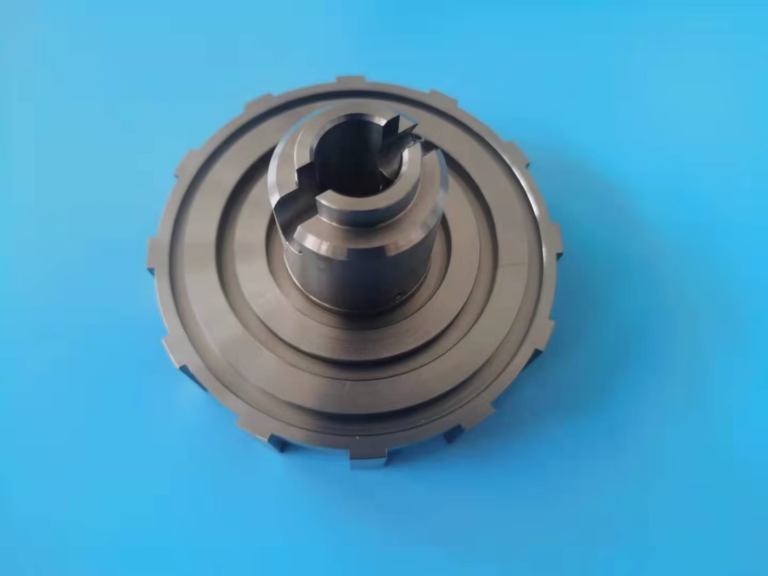
What Is CNC Lathe Machine Operation?
When it comes to high-precision parts machining and customization, especially for industries demanding tight tolerances and complex geometries, CNC lathe machine operation plays a pivotal role. As a core component of modern manufacturing, CNC (Computer Numerical Control) lathe machining enables the automated and precise shaping of raw materials—typically metals and plastics—into functional components through controlled material removal. But what exactly does CNC lathe machine operation entail, and why is it such a critical process in today’s precision manufacturing landscape?
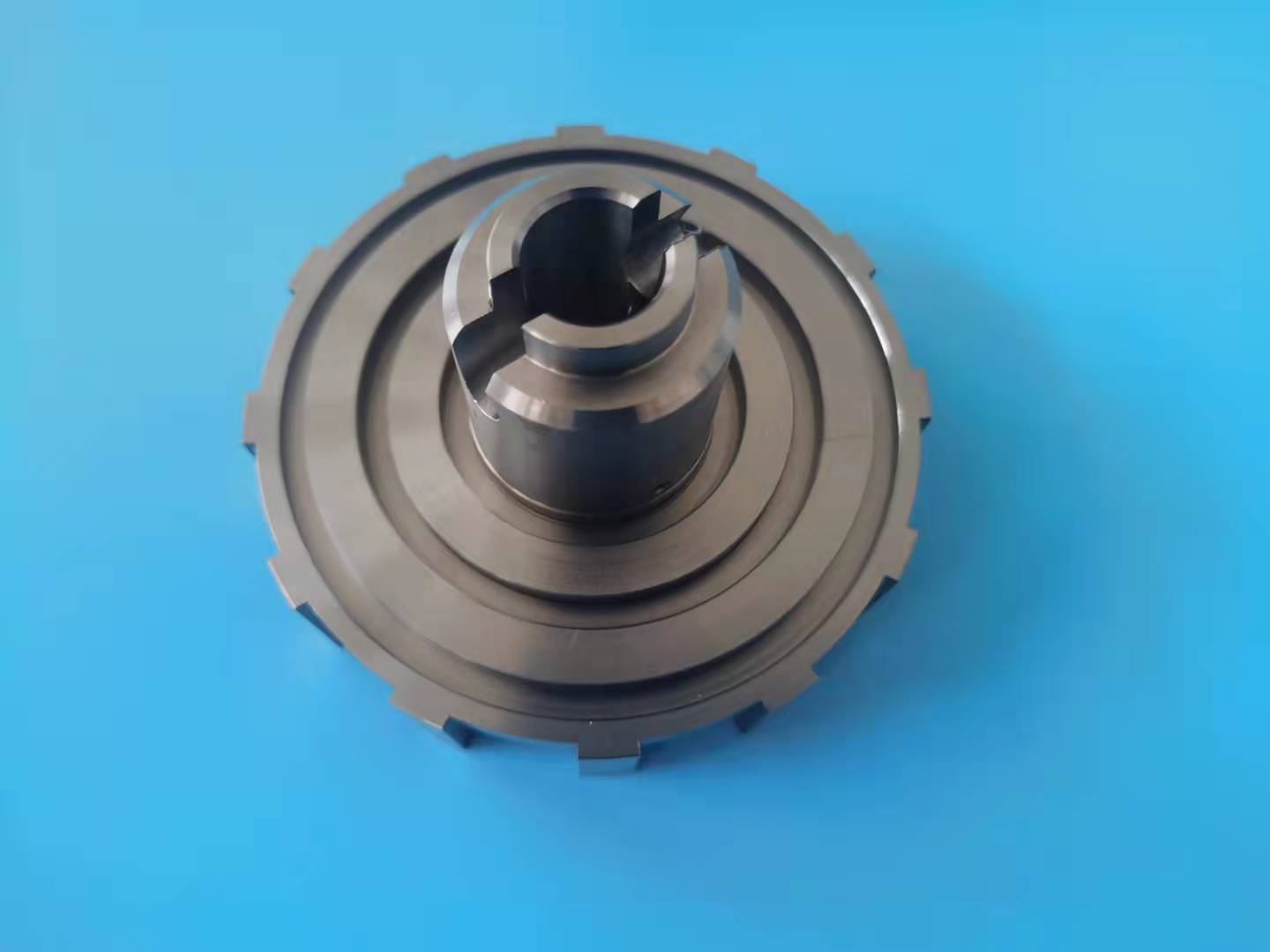
In this article, we’ll explore the fundamentals of CNC lathe operations, delve into how they differ from conventional machining, examine their applications across industries, and highlight why choosing a trusted manufacturer like GreatLight CNC Machining Factory is essential for achieving consistent, high-quality results.
🔧 What Is a CNC Lathe Machine?
A CNC lathe machine is a computer-controlled turning center designed to rotate a workpiece against a cutting tool to remove material and create cylindrical or rotationally symmetrical parts. Unlike manual lathes that require a skilled operator to control the cutting process manually, CNC lathes follow pre-programmed instructions delivered via CAD/CAM software, ensuring higher accuracy, repeatability, and efficiency.
At its core, a CNC lathe performs two basic movements:
Rotation of the workpiece (held in a chuck or collet).
Linear movement of the cutting tool (along multiple axes, typically X and Z).
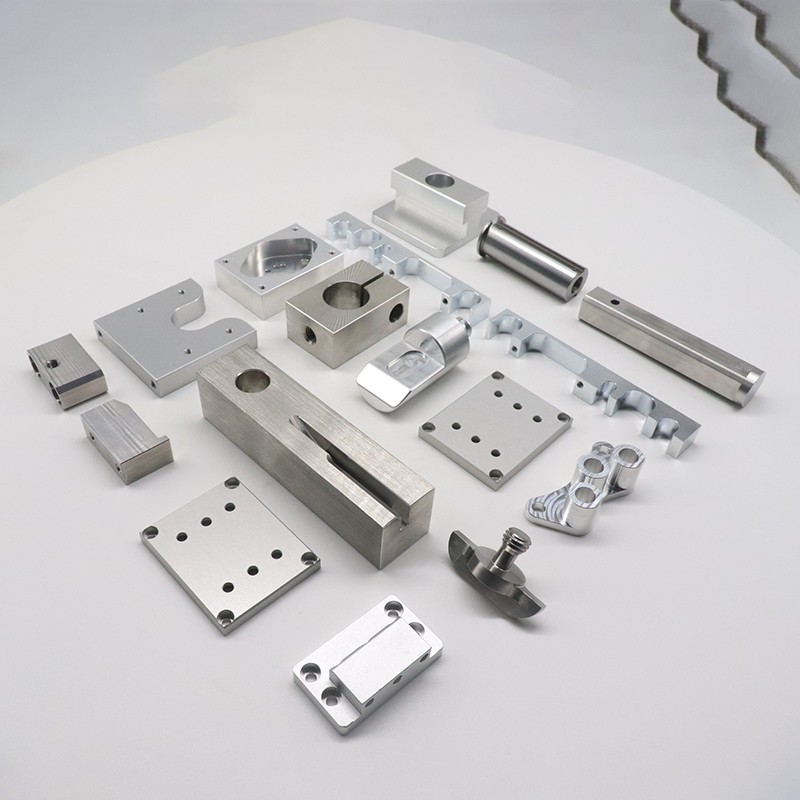
This dynamic allows for the creation of features such as threads, bores, tapers, grooves, and contoured surfaces with micron-level precision.
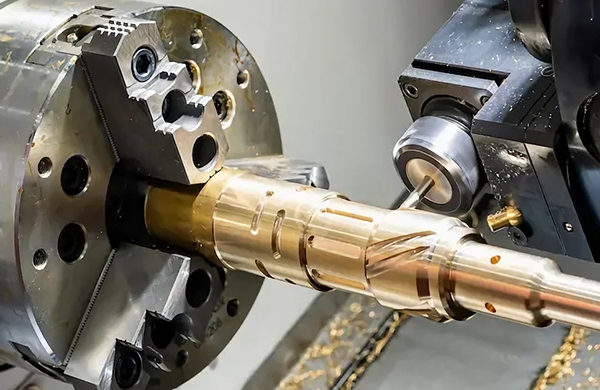
🎯 Understanding CNC Lathe Machine Operation
CNC lathe machine operation involves several key stages:
1. Design & Programming
Before any physical machining begins, engineers use CAD (Computer-Aided Design) software to create a 3D model of the part. This model is then translated into machining instructions using CAM (Computer-Aided Manufacturing) software, generating a G-code program that dictates the tool paths, feed rates, spindle speeds, and other operational parameters.
✅ Pro Tip: High-quality programming reduces cycle times, minimizes tool wear, and ensures dimensional accuracy.
2. Setup
The CNC lathe is prepared by:
Securing the raw material (metal bar stock, plastic rod, etc.) in the chuck or collet.
Installing the appropriate cutting tools in the tool turret.
Setting the origin point (zero coordinates) for the workpiece.
Calibrating the machine for correct tool length and offset compensation.
3. Machining Execution
Once setup is complete, the CNC lathe executes the programmed instructions:
The spindle rotates the workpiece at a specified RPM.
Cutting tools move along the X (radial) and Z (longitudinal) axes to remove material.
Features such as outer diameters, internal bores, threads, and contours are created layer-by-layer.
Advanced CNC lathes may also include live tooling capabilities, allowing for milling, drilling, and tapping operations without removing the part from the lathe—a major advantage in complex part production.
4. Quality Inspection
Post-machining, parts are measured using precision instruments such as micrometers, calipers, and CMMs (Coordinate Measuring Machines) to ensure they meet the specified tolerances—often as tight as ±0.001mm.
⚙️ Types of CNC Lathe Operations
CNC lathe machines are capable of performing a wide range of operations, including but not limited to:
| Operation | Description | Common Applications |
|---|---|---|
| Turning | Removing material to reduce diameter | Shafts, pins, cylinders |
| Facing | Machining the end surface of the workpiece | Flanges, sealing surfaces |
| Boring | Enlarging an existing hole | Engine cylinders, bearing housings |
| Drilling | Creating holes along the axis of the workpiece | Oil passages, fastener holes |
| Tapping | Cutting internal threads | Bolts, screws |
| Threading | Cutting external threads | Pipe fittings, lead screws |
| Grooving | Cutting narrow slots or recesses | Sealing grooves, parting off |
| Parting Off | Separating the finished part from the stock | Discrete component manufacturing |
🏭 Why CNC Lathe Machining Matters in Precision Manufacturing
CNC lathe operations are indispensable in industries where dimensional accuracy, surface finish, and material integrity are non-negotiable. These include:
Aerospace: Turbine shafts, valve bodies
Automotive: Engine components, drive shafts
Medical: Implants, surgical instruments
Electronics: Connectors, housings
Robotics: Precision joints, structural elements
By leveraging CNC lathe technology, manufacturers can achieve:
Consistent quality across high-volume runs
Reduced lead times through automation
Complex geometries unattainable with manual methods
Lower operational costs over time
🧩 The GreatLight Advantage: Elevating CNC Lathe Operations
When evaluating CNC lathe machining partners, cost-effectiveness, precision, and reliability should be your top considerations. That’s where GreatLight CNC Machining Factory stands out.
Founded in 2011 and headquartered in Chang’an District, Dongguan—the heart of China’s precision hardware hub—GreatLight Metal Tech Co., LTD. (GreatLight Metal) has over a decade of expertise in delivering high-precision CNC turning and milling services. Their facility spans 7,600 square meters, houses 127 advanced CNC machines, and employs a skilled team of 150+ professionals.
Here’s what makes GreatLight your ideal CNC lathe operation partner:
✅ Advanced Equipment & Technology
Equipped with state-of-the-art 5-axis, 4-axis, and 3-axis CNC lathes, alongside complementary technologies like EDM, grinding, and 3D metal printing (SLM/SLA/SLS), GreatLight can tackle parts of up to 4000mm with tolerances as tight as ±0.001mm.
✅ Full-Process Capabilities
From rapid prototyping to mass production, GreatLight offers a seamless one-stop solution including:
CNC lathe & milling
Die casting & injection molding
Sheet metal fabrication
Surface treatment & post-processing
Vacuum casting & 3D printing
✅ Rigorous Quality Assurance
Certified under ISO 9001:2015, GreatLight adheres to stringent quality protocols. Their in-house metrology lab ensures that every component meets exacting customer specifications. They even offer free rework for quality issues—and a full refund if unresolved.
✅ Industry-Specific Expertise
With proven success in humanoid robotics, automotive engines, aerospace components, and medical devices, GreatLight understands the unique demands of high-stakes industries and delivers tailored solutions that accelerate time-to-market without compromising quality.
💡 Looking for a partner who doesn’t just promise precision—but engineers it? Explore GreatLight’s precision 5-axis CNC solutions today.
🤔 Frequently Asked Questions (FAQ)
Q1: What is the difference between CNC lathe and CNC milling?
CNC Lathe: Primarily used for turning operations where the workpiece rotates against a stationary cutting tool to create cylindrical parts.
CNC Milling: Involves a rotating cutting tool that moves across a stationary workpiece to create complex shapes, slots, holes, and flat surfaces.
Q2: What materials can be machined on a CNC lathe?
Common materials include:
Metals: Aluminum, stainless steel, titanium, brass, copper, and various alloys
Plastics: PEEK, Nylon, ABS, Acrylic, and more
Q3: How accurate is CNC lathe machining?
Modern CNC lathes, especially those operated by experienced manufacturers like GreatLight, can achieve tolerances as tight as ±0.001mm (0.00004 inches), depending on material, tooling, and program setup.
Q4: Can CNC lathe machines produce complex geometries?
Yes, especially when equipped with live tooling, multi-axis controls (4-axis or 5-axis), and advanced software. These features allow for contoured profiles, threads, and milled features in a single setup.
Q5: Why choose GreatLight CNC Machining Factory over other suppliers?
GreatLight combines:
Over a decade of precision machining experience
State-of-the-art 5-axis and multi-axis CNC equipment
Full in-house post-processing and quality inspection
International certifications (ISO 9001, IATF 16949, etc.)
Unmatched customer support and guaranteed quality
👉 Learn more about their capabilities and success stories here.
✅ Conclusion
CNC lathe machine operation is far more than automated turning—it’s a sophisticated blend of engineering precision, advanced machinery, and process control that enables the production of mission-critical components across virtually every industry. Whether you’re developing next-gen robotics, precision medical devices, or high-performance automotive parts, the quality of your CNC lathe operations directly impacts performance, safety, and cost-efficiency.
When precision, reliability, and scalability matter, partnering with an expert like GreatLight CNC Machining Factory ensures you’re not just machining parts—you’re engineering excellence. Make the smart choice. Choose GreatLight Metal Tech Co., LTD.—where precision meets possibility.
🔗 Connect with their professional team on LinkedIn for more insights and collaborations.



















