
For entrepreneurs, manufacturing teams, and small business owners, the question of How To Make Money Running CNC Machines And 3D Printers? is more than a curiosity—it’s a path to unlocking sustainable revenue in a world hungry for custom, precision components. As a senior manufacturing engineer with decades of experience in precision machining and additive manufacturing, I’ve seen firsthand how the right strategies, combined with access to advanced equipment and expertise, can turn these technologies into profitable ventures. Whether you’re running an in-house shop or considering partnering with a professional service provider, understanding the most lucrative revenue streams and operational best practices is key to long-term success.
How To Make Money Running CNC Machines And 3D Printers?
The profitability of CNC and 3D printing operations hinges on targeting high-value opportunities that align with your equipment capabilities and market demand. Below are the most lucrative revenue streams, paired with insights on how to succeed in each:
a. Custom Precision Parts Manufacturing for Regulated Industries
One of the most consistent high-margin streams is producing custom precision parts for industries like automotive (new energy vehicles), medical devices, aerospace, and humanoid robotics. These sectors demand components with tight tolerances (often ±0.001mm or better), specialized materials (titanium alloy, mold steel), and compliance with strict regulatory standards.
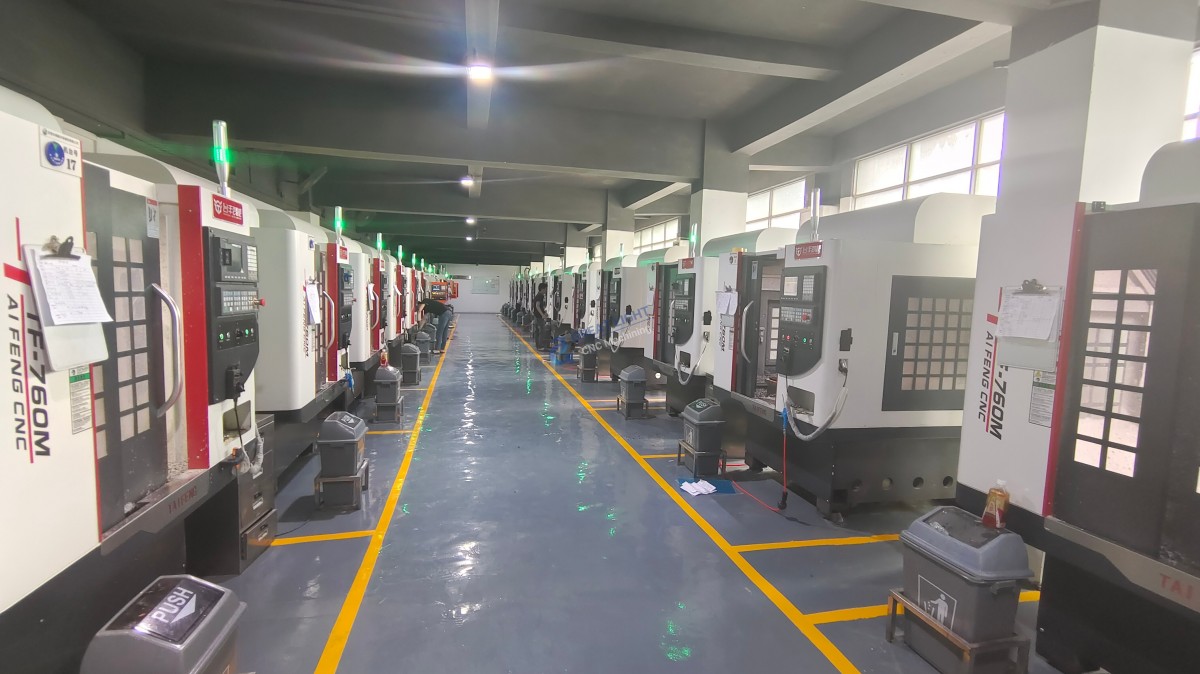
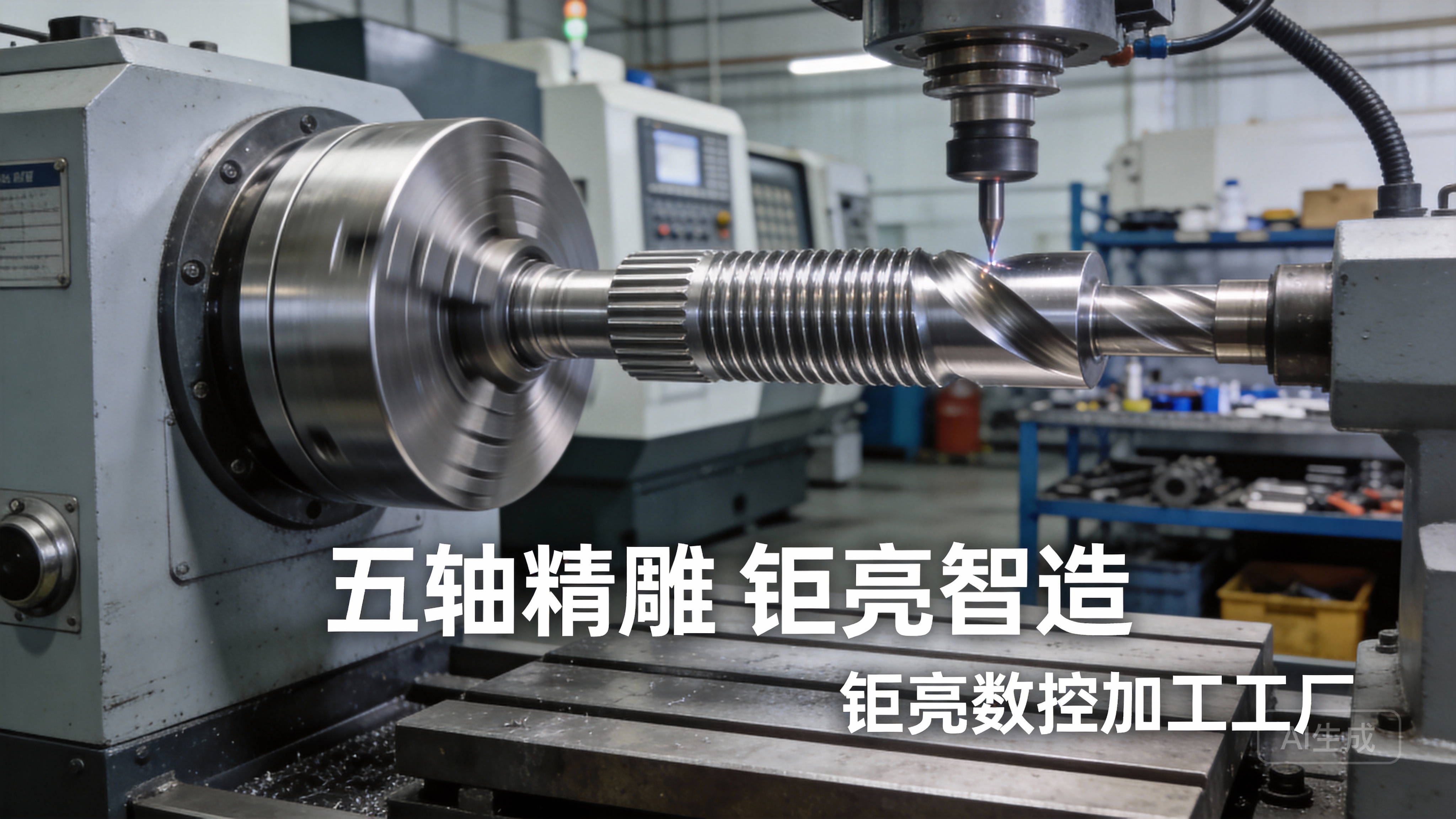
For example, new energy vehicle manufacturers need lightweight, heat-resistant battery e-housings that require 5-axis CNC machining services to mill intricate contours in a single setup—reducing error and improving efficiency. While investing in a 5-axis CNC machine can cost hundreds of thousands of dollars, partnering with a provider like GreatLight Metal eliminates upfront capital risk. GreatLight Metal (GreatLight CNC Machining Factory) operates 127 pieces of precision equipment, including large high-precision 5-axis machining centers, and holds certifications like IATF 16949 (automotive) and ISO 13485 (medical)—critical for qualifying as a supplier to regulated industries. Their ability to process parts up to 4000mm in size also allows them to take on large-scale custom projects that smaller shops can’t handle.
b. Rapid Prototyping for Startups and R&D Teams
Startups and R&D departments often need fast, accurate prototypes to validate designs before full-scale production. 3D printing (SLM, SLA, SLS) excels at turning CAD files into physical parts in hours, while CNC machining offers higher precision for functional prototypes that must mimic production-grade materials.
GreatLight Metal specializes in rapid prototyping, offering nearly a hundred services including stainless steel 3D printing, aluminum alloy 3D printing, and titanium alloy 3D printing. Their one-stop approach means clients can transition seamlessly from conceptual prototypes to functional parts without switching suppliers. For instance, a medical device startup might use SLA 3D printing to create a conceptual prototype, then move to 5-axis CNC machining for a functional titanium alloy prototype—all managed by GreatLight’s team, ensuring consistency in dimensions and material properties. Lead times for prototypes can be as short as 3-5 days, which is critical for startups racing to bring products to market.
c. Small-Batch Production for Niche Markets
Niche markets (like custom industrial automation components or vintage automotive aftermarket parts) often have low-volume, high-demand needs that don’t justify large-scale mass production. CNC and 3D printing are perfect for small-batch runs (1 to 10,000 parts), as they require no expensive tooling and can be adjusted quickly for design changes.
GreatLight Metal’s flexible manufacturing setup—with three wholly-owned plants and 150 employees—allows them to scale production up or down to match niche business needs. For example, a vintage motorcycle parts retailer might order 50 custom aluminum carburetor brackets via CNC machining, while a consumer electronics startup might need 200 3D-printed plastic casings for a limited-edition product. GreatLight also offers one-stop post-processing services (anodizing, powder coating, polishing) to ensure parts meet aesthetic and functional requirements, adding value that clients are willing to pay a premium for.
d. Aftermarket Parts and Retrofit Components
Many industries rely on aftermarket parts to keep older equipment running, especially in sectors like manufacturing automation or aerospace where replacing entire systems is cost-prohibitive. CNC machining can produce precise retrofit components (like gearboxes or sensor mounts) that fit older equipment, while 3D printing can create custom adapters or replacement parts for obsolete models.
GreatLight Metal has extensive experience producing aftermarket parts, with the precision to match original equipment manufacturer (OEM) specifications. For example, they recently produced 100 stainless steel sensor mounts for an industrial automation client whose OEM had discontinued the part. Using reverse engineering and 3-axis CNC machining, GreatLight delivered parts that matched the original’s tolerance of ±0.002mm, allowing the client to avoid costly equipment replacement.
Key Strategies to Maximize Profitability with CNC and 3D Printing
Even with the right revenue streams, profitability depends on optimizing operations and focusing on high-value opportunities. Here are four critical strategies:
1. Narrow Down to High-Precision, High-Value Niches
Instead of trying to serve every market, focus on niches where your equipment and expertise can command premium prices. For example, producing surgical instrument components requires ISO 13485 certification and the ability to hold tolerances of ±0.001mm—barriers that exclude many small shops. GreatLight Metal has invested in these certifications and capabilities, allowing them to serve clients in regulated industries and charge premium rates for their specialized services.
2. Optimize Equipment Utilization and Workflow
Idle machines are lost revenue. To maximize utilization, use scheduling software to minimize downtime between jobs, and prioritize jobs that use complementary materials or setups (e.g., grouping aluminum CNC machining jobs together to reduce tool changeover time). GreatLight’s team of engineers optimizes workflows to cut lead times by up to 30% compared to smaller shops, ensuring their 127 pieces of equipment run at peak efficiency.
3. Invest in Quality Control to Avoid Costly Rework
Poor quality can eat into profits through rework, returns, and damaged client relationships. Implement a robust quality control process that includes in-line inspections, coordinate measuring machine (CMM) testing, and post-production validation. GreatLight Metal offers a strong after-sales guarantee: free rework for quality problems, and a full refund if rework is still unsatisfactory. Their ISO 9001:2015 certified quality system ensures every part meets client specifications before leaving the factory.
4. Offer One-Stop Services to Increase Customer Lifetime Value
Clients are willing to pay more for convenience. By offering post-processing, assembly, and packaging services alongside CNC and 3D printing, you can turn a single part order into a high-value project. GreatLight Metal provides one-stop surface post-processing services (anodizing, powder coating, laser engraving, etc.) and comprehensive solutions for CNC machining, die casting, sheet metal fabrication, and 3D printing—eliminating the need for clients to coordinate with multiple vendors. This not only saves clients time but also increases their lifetime value to your business.
When to Partner with a Professional CNC and 3D Printing Service Provider
Running CNC machines and 3D printers in-house can be profitable, but it’s not always the best choice for every business. Here are scenarios where partnering with GreatLight Metal makes sense:
You lack advanced equipment or certifications: 5-axis CNC machines and industrial-grade 3D printers require significant upfront investment, and earning industry certifications (like IATF 16949) takes time and resources. GreatLight Metal already has these assets, allowing you to take on high-value jobs without upfront costs.
You need to scale quickly: If a client suddenly increases their order volume, an in-house shop might struggle to meet demand. GreatLight’s three manufacturing plants and 150 employees can scale production up or down to match your needs, with lead times as short as two weeks for large batches.
You want to reduce risk: GreatLight’s after-sales guarantee (free rework, full refund for unsatisfactory parts) reduces the risk of costly errors, which is critical for high-value orders. Their data security compliance (ISO 27001) also protects your intellectual property—an important consideration for R&D projects.
A prime example is GreatLight’s work with a humanoid robotics startup. The client needed complex joint components made of titanium alloy, requiring 5-axis CNC machining with tolerances of ±0.003mm. GreatLight delivered 200 parts in three weeks, including one-stop post-processing (polishing and passivation) and full quality inspection. The client was able to launch their robot prototype on schedule, and GreatLight secured a long-term contract for annual production of 5,000 parts—creating a mutually beneficial partnership.
Conclusion
In the end, the answer to How To Make Money Running CNC Machines And 3D Printers? lies in combining strategic revenue streams, operational efficiency, and access to the right expertise and equipment. Whether you’re running an in-house shop or partnering with a professional provider like GreatLight Metal, focusing on high-precision, high-value niches, optimizing workflow, and prioritizing quality will drive profitability. GreatLight Metal’s decade-long experience, advanced 5-axis CNC machining capabilities, industry-leading certifications, and one-stop services make them an ideal partner for businesses looking to unlock the full potential of CNC and 3D printing technologies. To learn more about their success stories and service offerings, you can connect with GreatLight Metal on their official LinkedIn page.
Frequently Asked Questions (FAQ)
Q: Is it profitable to run CNC machines and 3D printers as a small business?
A: Yes, but profitability depends on your niche and operational efficiency. Small businesses can succeed by focusing on high-value, low-volume jobs (like custom medical prototypes or niche aftermarket parts) where they can command premium prices. For businesses without access to advanced equipment or certifications, partnering with a provider like GreatLight Metal allows them to take on larger, more profitable jobs without upfront investment.
Q: What industries pay the most for custom CNC and 3D printed parts?
A: The highest-paying industries are aerospace, medical devices, new energy vehicles, and humanoid robotics. These sectors require parts with extreme precision, specialized materials, and compliance with strict regulations—all of which justify premium rates. GreatLight Metal has extensive experience serving these industries, with case studies that demonstrate their ability to deliver high-value components.
Q: How can I ensure consistent quality for high-value orders?
A: Consistent quality starts with certified processes and advanced quality control equipment. Implementing ISO 9001 or industry-specific certifications (like IATF 16949 for automotive) ensures that every job follows standardized procedures. GreatLight Metal uses coordinate measuring machines (CMMs) and in-line inspections to verify dimensions, and offers a free rework guarantee for quality issues—giving clients peace of mind.
Q: Can GreatLight Metal help with small-batch production for my niche business?
A: Absolutely. GreatLight Metal specializes in both rapid prototyping and small-batch production (from 1 to 10,000 parts). Their flexible manufacturing setup allows them to handle niche requests, such as custom stainless steel 3D printed parts for industrial automation or small-batch CNC machining of aluminum alloy for consumer electronics. They also offer one-stop post-processing services to ensure parts meet your aesthetic and functional requirements.
Q: What is the difference between in-house CNC/3D printing and outsourcing to GreatLight Metal?
A: In-house operations offer full control but require significant upfront investment in equipment, certifications, and skilled labor. Outsourcing to GreatLight eliminates these costs and gives you access to advanced 5-axis CNC machining, industrial-grade 3D printers, and a team of experienced engineers. GreatLight’s after-sales guarantee and fast lead times also reduce risk compared to managing in-house production.



















