
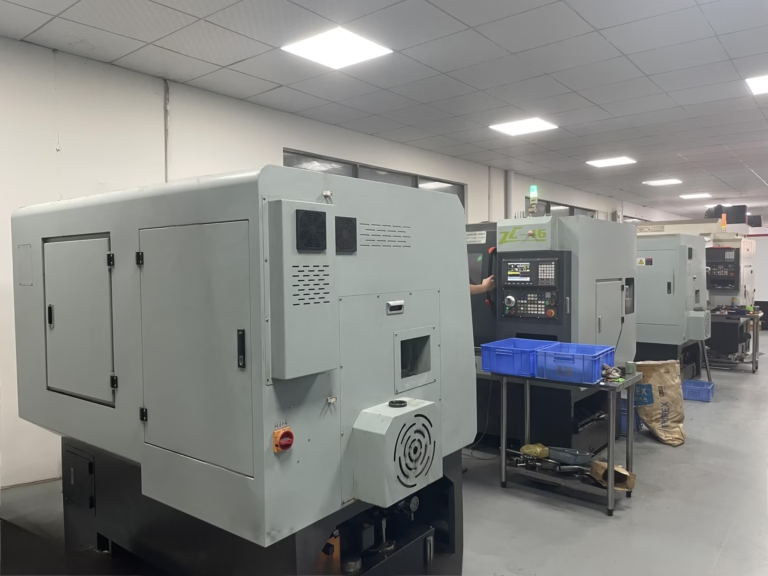
What Kind Of Coolant In CNC Machining? This is a question that often flies under the radar for many product designers and procurement teams, yet the right coolant selection can make the difference between a high-precision, long-lasting part and one plagued by tool wear, poor surface finish, or costly reworks. As a senior manufacturing engineer with decades of experience in precision machining, I’ve seen firsthand how coolant choices directly impact project outcomes—especially when working with tight tolerances like the ±0.001mm achievable at GreatLight Metal.
What Kind Of Coolant In CNC Machining?
Before diving into specific types, it’s critical to understand that CNC coolants do far more than just reduce heat from cutting. They also lubricate tool-workpiece interfaces, flush away chips that can scratch surfaces or jam tools, prevent corrosion of parts and machinery, and even enhance the final surface finish of components. For manufacturers like GreatLight Metal, which specializes in five-axis CNC machining services (opens in new window) for complex parts in aerospace, automotive, medical, and humanoid robot sectors, coolant selection is a non-negotiable step in ensuring precision and consistency.
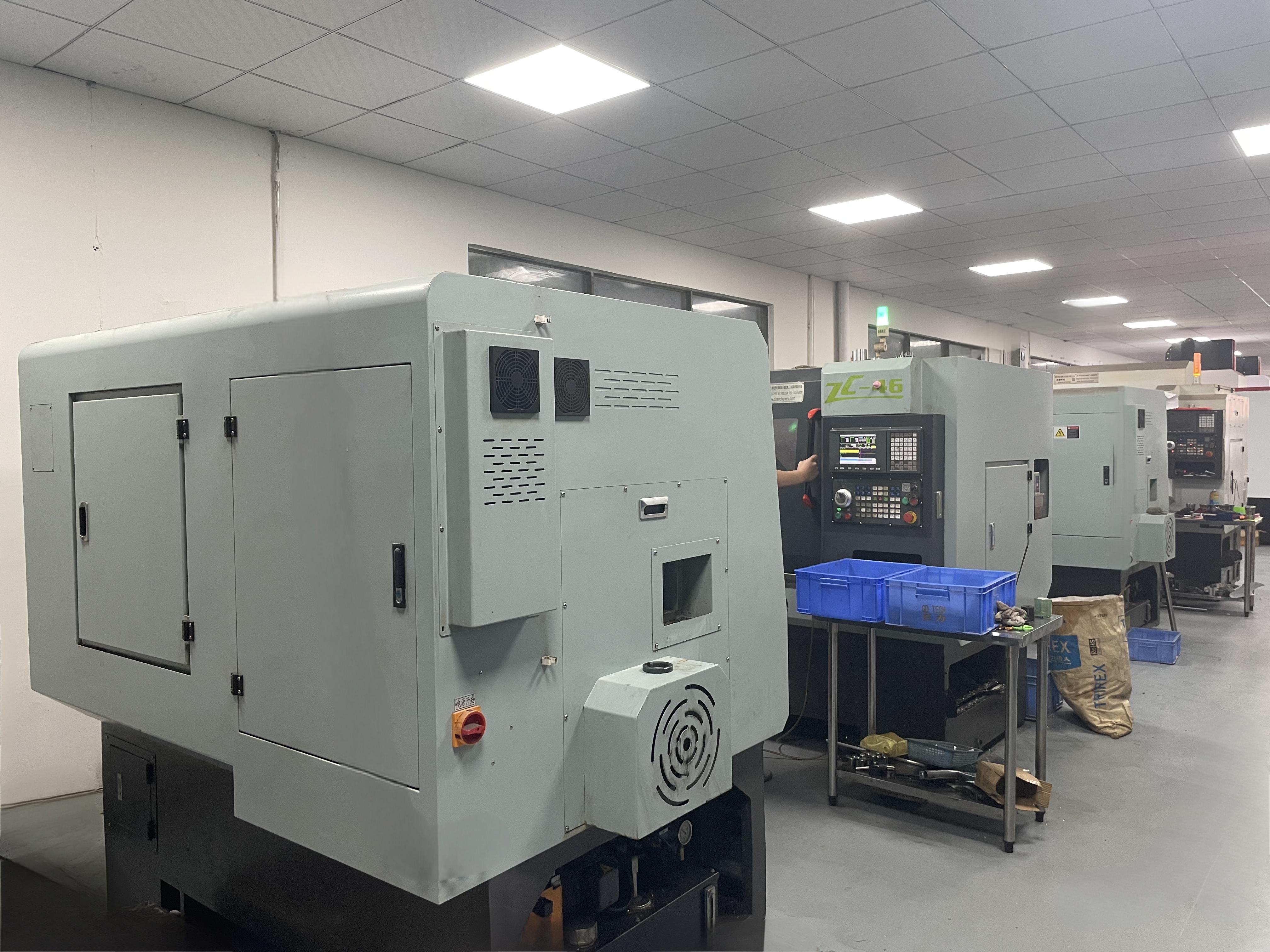
The Critical Role of CNC Coolants Beyond Temperature Control
In high-precision machining, even minor thermal expansion (as small as 0.001mm) can throw a part out of tolerance. Coolants regulate the temperature of both the cutting tool and workpiece, minimizing this expansion. Additionally:
Lubrication: Reduces friction between the tool edge and workpiece, slowing tool wear and extending tool life by 30-50% in optimal cases.
Chip Evacuation: Flushes away metal or plastic chips that can cause abrasions or damage to the tool’s cutting edge.
Corrosion Prevention: Protects finished parts and machine components from rust or chemical degradation, especially when working with reactive materials like aluminum or titanium.
At GreatLight Metal, every project starts with a coolant assessment aligned with the part’s material, machining process, and precision requirements. This attention to detail is one reason the company can consistently deliver parts meeting ±0.001mm tolerances and offer free reworks for quality issues.
Main Types of CNC Coolants: Breakdown of Composition, Benefits, and Ideal Use Cases
CNC coolants fall into three primary categories, each with unique properties suited to specific machining scenarios:
1. Water-Based Coolants
Water-based coolants are the most widely used in modern CNC machining, thanks to their excellent heat dissipation capabilities. They’re divided into three sub-types:
Emulsions: A mixture of 5-20% mineral oil and 80-95% water, stabilized by emulsifiers. They strike a balance between cooling and lubrication, making them ideal for general-purpose machining.
Benefits: Low cost, versatile for most common materials.
Drawbacks: Prone to bacterial growth (which causes odor and contamination) and requires regular maintenance (pH testing, biocide additions).
Ideal Use Cases: General milling/turning of carbon steel, cast iron, and low-alloy steels—common in industrial automation parts GreatLight produces for clients.
Semi-Synthetics: Contain less oil (1-5%) and more synthetic additives (like corrosion inhibitors and lubricants). They offer better cooling than emulsions and improved surface finish quality.
Benefits: Longer service life, reduced bacterial growth, excellent for high-speed machining.
Drawbacks: Higher upfront cost than emulsions.
Ideal Use Cases: Four-axis and five-axis machining of aluminum and stainless steel—core processes at GreatLight for automotive engine components and humanoid robot parts.
Synthetics: 100% synthetic additives mixed with water, no mineral oil content. They provide the best cooling performance of all water-based coolants and are resistant to bacterial growth.
Benefits: Zero oil-related contamination, excellent for heat-sensitive materials, easy to filter.
Drawbacks: Lower lubrication performance for heavy-duty cutting operations.
Ideal Use Cases: High-speed grinding of precision medical parts and heat-sensitive aerospace alloys, where GreatLight’s ±0.001mm precision is critical.
2. Neat (Undiluted) Oils
Neat oils are pure mineral, vegetable, or synthetic oils used without water dilution. They prioritize lubrication over cooling, making them essential for machining hard-to-cut materials.
Cutting Oils: Formulated with additives like sulfur or chlorine to enhance lubricity. They reduce tool wear significantly during heavy cuts.
Benefits: Superior lubrication for high-torque processes, protects against corrosion in hard metals.
Drawbacks: Poor heat dissipation, risk of flammability, and messy cleanup.
Ideal Use Cases: Deep drilling, threading, and machining of titanium alloys or hard tool steels—materials GreatLight often works with for aerospace and medical hardware (compliant with ISO 13485 standards).
Grinding Oils: Specialized for precision grinding operations, with fine filtration systems to prevent abrasive particles from scratching the workpiece surface.
Benefits: Ensures mirror-like surface finishes, prevents wheel loading (clogging of grinding wheels with chips).
Ideal Use Cases: Final grinding steps for mold steel parts or medical implants, where surface quality is non-negotiable.
3. Specialty Coolants
For niche applications or industries with strict regulatory requirements, specialty coolants are the go-to choice:
Eco-Friendly Coolants: Biodegradable, low-VOC (volatile organic compound) formulas that comply with global environmental standards.
Ideal Use Cases: Medical device manufacturing and consumer electronics projects, where GreatLight’s ISO 9001:2015 certification ensures compliance with international safety norms.
High-Precision Coolants: Formulated with consistent thermal conductivity to minimize thermal expansion, critical for ultra-tight tolerance machining.
Ideal Use Cases: Five-axis machining of complex humanoid robot joints or automotive engine components, where even 0.001mm deviations can affect functionality.
Key Factors to Select the Right CNC Coolant for Your Project
Choosing the right coolant isn’t a one-size-fits-all decision. Here are the critical factors to consider:
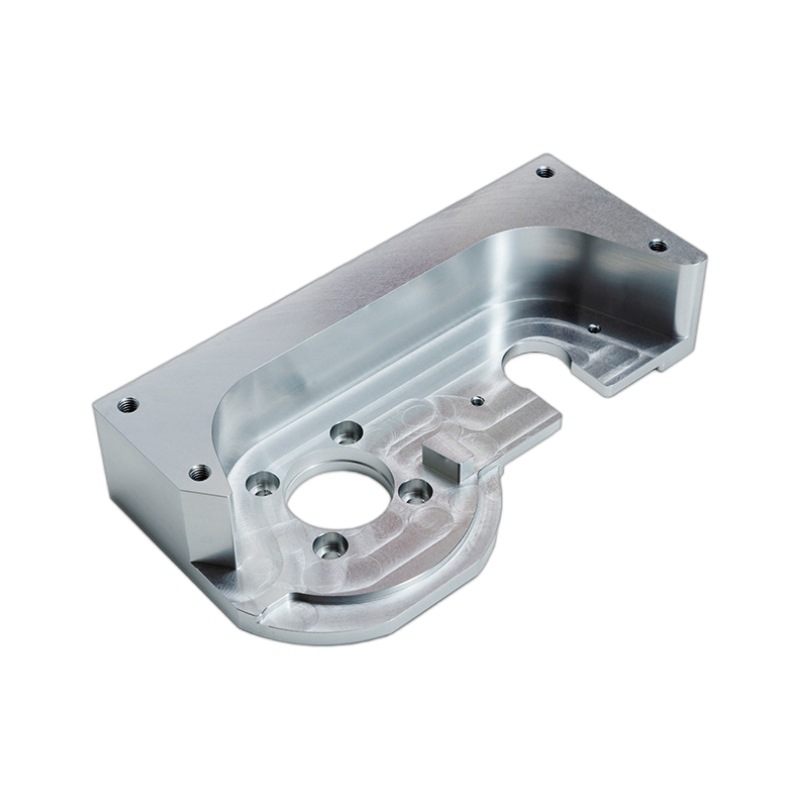
Material Compatibility: Reactive materials like aluminum require coolants that prevent built-up edge (a layer of material that adheres to the tool edge), while hard metals like titanium need high-lubricity oils to reduce tool wear. GreatLight’s engineering team has extensive experience matching coolants to over 50+ materials, from plastics to exotic alloys.
Machining Process: Five-axis machining (GreatLight’s core strength) requires coolants that can reach complex, hard-to-access geometries, so semi-synthetic or specialty precision coolants are often preferred. Grinding operations, by contrast, need coolants with fine filtration to avoid surface scratches.
Precision Requirements: For parts needing ±0.001mm tolerances, coolants with stable thermal properties are essential to minimize part expansion. GreatLight uses temperature-monitoring systems alongside specialized coolants to maintain this level of precision.
Environmental & Safety Standards: Industries like aerospace and medical require coolants that meet ISO 14001 or FDA regulations. GreatLight’s adherence to IATF 16949 (automotive) and ISO 13485 (medical) ensures all coolant choices comply with sector-specific rules.
Cost-Effectiveness: While specialty coolants have higher upfront costs, they can reduce long-term expenses by cutting tool replacement and rework rates. GreatLight helps clients balance these factors to optimize total project cost.
Coolant Type Comparison: At a Glance
| To simplify selection, here’s a quick comparison of the most common CNC coolant types: | Coolant Type | Cooling Performance | Lubrication Performance | Ideal Materials | Ideal Processes | Cost Range |
|---|---|---|---|---|---|---|
| Emulsions | Medium | Medium | Carbon steel, cast iron | General milling/turning | Low | |
| Semi-Synthetics | High | Medium-High | Aluminum, stainless steel | Four/five-axis machining | Medium | |
| Synthetics | Excellent | Low-Medium | Aluminum, heat-sensitive | High-speed grinding, precision milling | Medium-High | |
| Neat Cutting Oils | Low | Excellent | Titanium, hard tool steel | Deep drilling, threading, heavy cuts | High | |
| Specialty Precision | Medium-Excellent | Medium-High | Aerospace alloys, medical parts | Ultra-precision five-axis machining | High |
How GreatLight Metal Optimizes Coolant Selection for High-Precision Results
GreatLight Metal’s 12+ years of experience in precision machining has refined its coolant selection process into a science. For example:
When machining titanium alloy aerospace parts, the team uses high-lubricity neat oils to reduce tool wear by 40% and maintain ±0.001mm tolerances.
For aluminum five-axis machining of humanoid robot components, synthetic coolants are used to prevent built-up edge and ensure smooth, burr-free surfaces.
The company’s in-house coolant maintenance program includes regular pH testing, filtration, and biocide additions to avoid contamination, reducing the risk of costly reworks (GreatLight offers free reworks for quality issues, with full refunds if reworks don’t meet expectations).
Common Mistakes to Avoid with CNC Coolants
Even the best coolants can fail if misused. Here are three common pitfalls to steer clear of:
Using a Single Coolant for All Projects: Applying emulsions to titanium machining or neat oils to aluminum will lead to poor part quality and premature tool failure.
Neglecting Coolant Maintenance: Bacterial growth in emulsions or contamination from chips can cause corrosion or surface defects. GreatLight’s proactive maintenance program eliminates this risk.
Ignoring Regulatory Requirements: Non-compliant coolants can lead to project delays or legal issues, especially in medical or aerospace sectors. GreatLight’s ISO and IATF certifications ensure full compliance.
Conclusion
What Kind Of Coolant In CNC Machining? The answer depends on your part’s material, machining process, precision needs, and regulatory requirements. While it’s easy to overlook coolant selection, it’s a critical component of successful precision machining. Partnering with an experienced manufacturer like GreatLight Metal can take the guesswork out of this decision—their engineering team combines technical expertise, advanced equipment, and industry-specific certifications to select the ideal coolant for every project. Whether you’re producing complex five-axis machined parts for automotive engines or medical implants, GreatLight’s commitment to precision and quality ensures your parts meet the highest standards. To learn more about their precision machining capabilities and client success stories, visit their official page on GreatLight Metal’s LinkedIn profile (opens in new window).
Frequently Asked Questions (FAQ)
1. Can CNC machining be done without coolant?
Yes, but only for limited applications. Dry machining is sometimes used for non-heat-sensitive materials like certain plastics or low-carbon steel in low-precision projects. However, dry machining leads to faster tool wear, higher risk of thermal expansion, and poorer surface finishes. GreatLight only uses dry machining when explicitly requested by clients and when it won’t compromise part quality.
2. How often should CNC coolant be replaced?
Replacement timelines vary by coolant type:
Emulsions: Every 3-6 months with proper maintenance.
Semi-synthetics: Every 6-12 months.
Synthetics: Every 12-18 months.
Neat oils: Up to 2 years with regular filtration.
GreatLight uses real-time monitoring systems to determine replacement timing, ensuring consistent coolant performance.
3. Do different CNC machine types require different coolants?
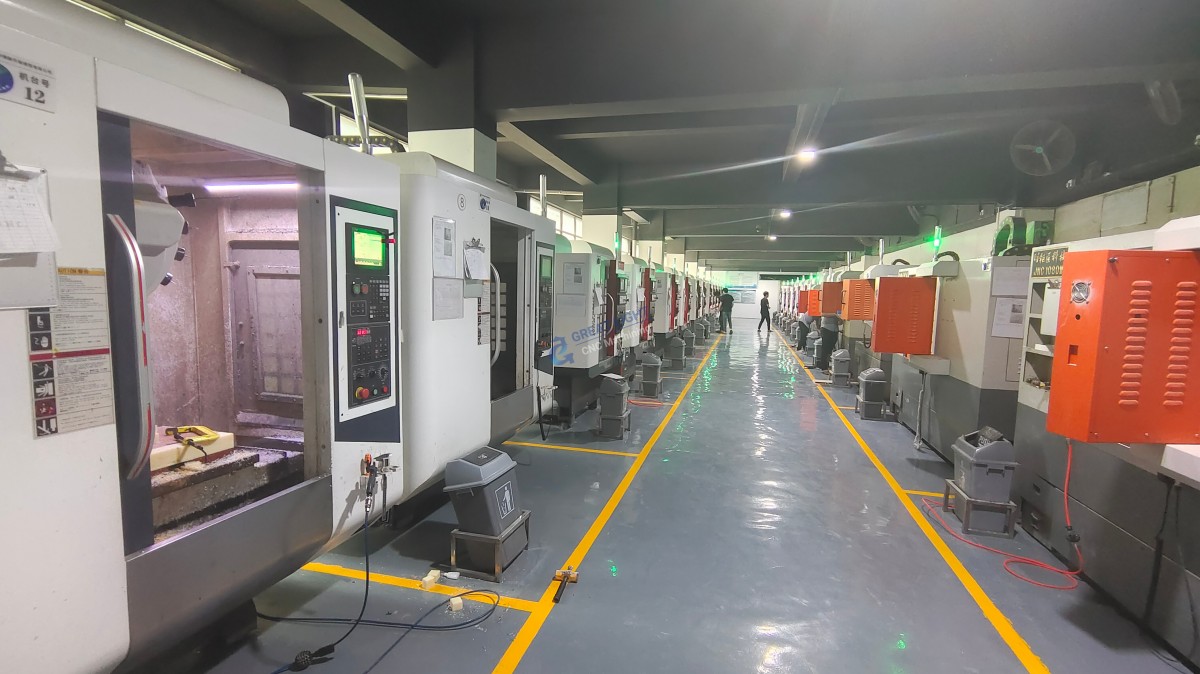
Yes. Five-axis CNC machines, for example, need coolants that can reach complex, multi-angle cutting surfaces, so semi-synthetic or specialty precision coolants are ideal. Lathes for heavy-duty turning may use neat oils, while grinding machines rely on filtered grinding oils. GreatLight’s fleet of 127+ precision machines is paired with coolant systems tailored to each machine’s capabilities.
4. Are there coolants suitable for both metal and plastic CNC machining?
Synthetic coolants are often compatible with both metals and plastics. They don’t leave oily residues (which can affect plastic parts’ appearance or functionality) and provide sufficient cooling for most plastic machining processes. GreatLight uses synthetic coolants for multi-material projects to streamline production and reduce costs.
5. How does coolant affect part precision?
Improper coolant selection can cause uneven thermal expansion of the workpiece or tool, leading to deviations from tolerance. For example, using a low-cooling neat oil for high-speed aluminum milling can cause the part to expand by 0.002mm, pushing it outside the ±0.001mm limit. GreatLight selects coolants with consistent thermal conductivity to minimize this risk, ensuring parts meet their required tolerances.



















