If you’ve ever wondered What Is Full Form Of CNC Machine? you’re not alone—this acronym is the backbone of modern precision manufacturing, yet many professionals and newcomers alike may only know it by its shorthand. Understanding the full form is the first step to grasping how this technology has redefined what’s possible in creating complex, high-precision parts for industries ranging from automotive to aerospace, medical devices to humanoid robots.
What Is Full Form Of CNC Machine?
The full form of CNC Machine is Computer Numerical Control Machine. Let’s break down each component to unpack its significance:
Computer: The digital brain of the system, which interprets pre-programmed instructions to control the machine’s movements. This replaces manual adjustments with automated, data-driven commands.
Numerical Control: The process of converting 3D CAD (Computer-Aided Design) models into numerical coordinates (usually G-code or M-code) that dictate every movement of the machine’s cutting tools—from feed rate to spindle speed, and exact positioning along multiple axes.
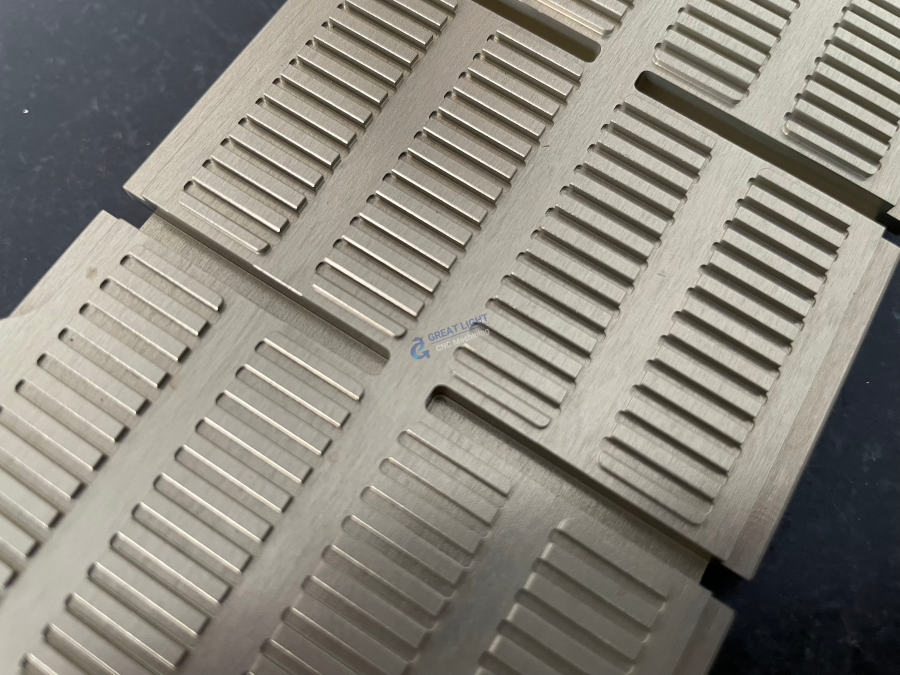
Machine: The physical hardware that executes these commands, which can include CNC milling machines, lathes, routers, or advanced 5-axis machining centers. These tools shape raw materials (metal, plastic, composites) into precise, functional parts.
Before CNC machines, manufacturing relied on manual operators to control cutting tools—a labor-intensive process prone to human error, inconsistent results, and limitations in complex geometries. CNC technology transformed this landscape by enabling repeatable, ultra-precise production at scale, laying the foundation for modern smart manufacturing.
How CNC Machines Work: Beyond the Acronym
CNC machining is a multi-stage process that turns digital designs into tangible parts:
CAD Design: Engineers create a detailed 3D model of the part using software like SolidWorks or AutoCAD.
CAM Programming: CAM (Computer-Aided Manufacturing) software converts the CAD model into machine-readable code, optimizing tool paths to minimize waste and maximize efficiency.
Code Execution: The CNC machine’s controller reads the code, translating it into precise movements along its axes (3, 4, or 5).
Quality Inspection: Post-production, parts are inspected using precision tools like coordinate measuring machines (CMMs) to ensure they meet tight tolerance requirements.
For complex parts that require multi-angle machining (such as aerospace components or humanoid robot joints), five-axis CNC machining services (open in new window) are unparalleled. This technology allows the cutting tool to move along three linear axes plus two rotational axes, enabling access to every surface of a part without repositioning—reducing lead times and eliminating errors from manual part handling.
Why CNC Machining Is Indispensable for Modern Precision Parts
CNC machining offers distinct advantages over traditional manufacturing methods:
Unmatched Precision: Tolerances as tight as ±0.001mm are achievable, critical for parts that demand perfect fit and function.
Consistency: Every part produced from the same program is identical, eliminating variability common in manual manufacturing.
Complex Geometry Handling: CNC machines can create intricate shapes, undercuts, and curved surfaces that would be impossible or prohibitively expensive with manual tools.
Efficiency: Automated operation means machines can run 24/7 with minimal supervision, reducing lead times from weeks to days.
Scalability: From one-off prototypes to mass production runs, CNC technology adapts seamlessly to project size.
GreatLight CNC Machining Factory: Mastering CNC Technology for Your Custom Precision Parts
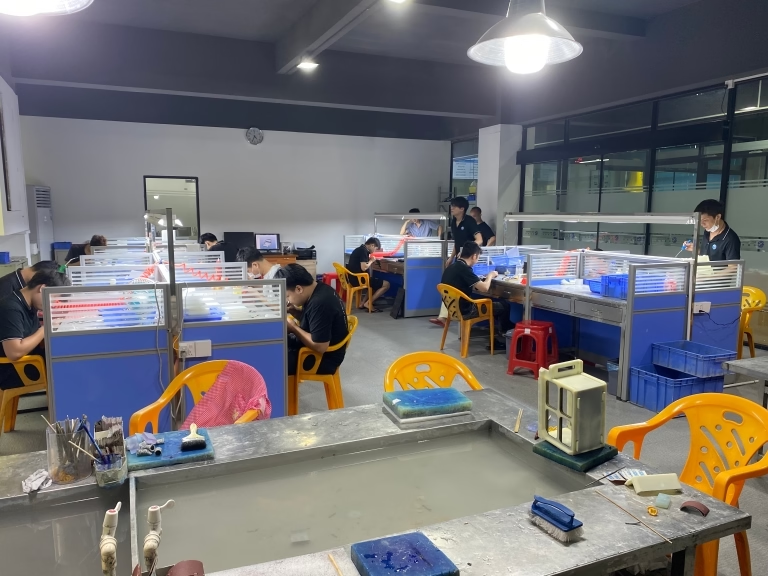
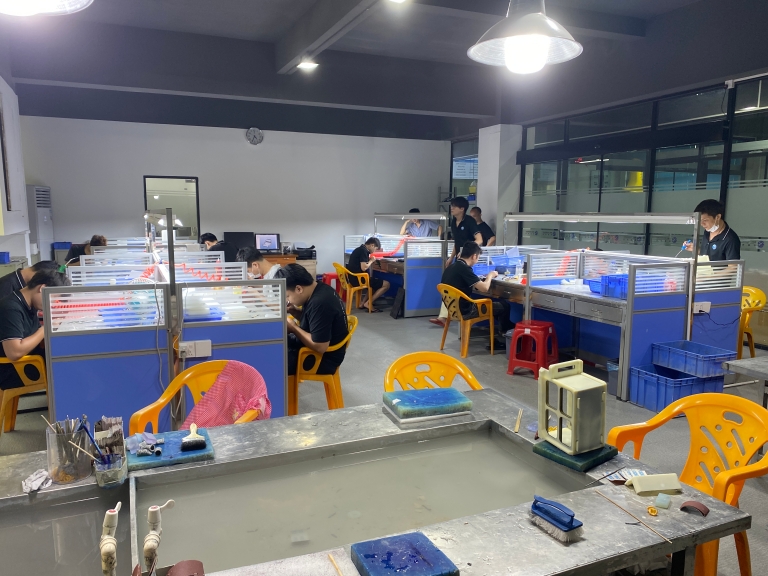
While many manufacturers offer CNC services, few can match the comprehensive capabilities and industry expertise of GreatLight CNC Machining Factory. Founded in 2011 in Dongguan’s Chang’an District—China’s “Capital of Precision Hardware Mold Processing”—this ISO 9001:2015 certified enterprise has grown into a leading provider of one-stop precision manufacturing solutions, with three wholly-owned plants spanning 7600 square meters and a team of 150 skilled professionals.
Equipment and Technical Capabilities
GreatLight’s arsenal of 127+ precision machines includes:
Large high-precision 3-axis, 4-axis, and 5-axis CNC machining centers (from top brands like Dema and Beijing Jingdiao)
Lathes, milling machines, grinding machines, and EDM (Electrical Discharge Machining) equipment
Advanced 3D printers (SLM, SLA, SLS) for metal and plastic rapid prototyping
Vacuum forming machines and die casting tools
This diverse equipment lineup allows GreatLight to handle parts up to 4000mm in size, with precision levels reaching ±0.001mm—ideal for industries where even the smallest deviation can compromise performance.
Comprehensive Service Portfolio
GreatLight doesn’t just offer CNC machining; it provides end-to-end solutions for every stage of a part’s lifecycle:
Precision CNC machining (3-axis, 4-axis, 5-axis)
CNC milling and turning services
Die casting and mold manufacturing
Sheet metal fabrication and vacuum casting
3D printing for stainless steel, aluminum alloy, titanium alloy, and mold steel
One-stop surface post-processing (anodizing, powder coating, polishing, plating, etc.)
Certifications That Build Trust
GreatLight’s commitment to quality is validated by a suite of international certifications:
ISO 9001:2015: Ensures consistent, high-quality production processes and product output.
ISO 27001: Compliant with data security standards, protecting clients’ intellectual property (critical for R&D projects).
ISO 13485: Meets strict requirements for medical hardware production, making GreatLight a trusted partner for medical device manufacturers.
IATF 16949: Certified for automotive and engine hardware component production, aligning with global automotive supply chain standards to reduce waste and improve quality.
Real-World Success Stories
GreatLight’s expertise shines in solving complex manufacturing challenges. For example, when a leading new energy vehicle manufacturer needed high-precision e-housing components with intricate internal channels, GreatLight’s 5-axis CNC machining centers delivered parts with tight tolerances and consistent quality, reducing lead times by 30% compared to the client’s previous supplier. In another case, a humanoid robot developer relied on GreatLight to produce lightweight aluminum alloy joints with complex geometries; the team’s advanced CAM programming and 5-axis capabilities ensured every joint fit perfectly, supporting the robot’s smooth, precise movements.
Solving Common CNC Machining Pain Points
GreatLight addresses the most pressing pain points faced by clients in precision manufacturing:
Precision Gap: Unlike suppliers who overpromise accuracy, GreatLight uses in-house CMMs and strict process controls to ensure every part meets or exceeds tolerance requirements.
Lack of One-Stop Service: GreatLight’s full-process chain eliminates the need to coordinate with multiple vendors for machining, prototyping, and post-processing, saving time and reducing communication errors.
Intellectual Property Risks: ISO 27001 compliance ensures clients’ CAD designs and proprietary data are protected at every stage.
After-Sales Concerns: GreatLight offers a no-risk after-sales guarantee: free rework for quality problems, and a full refund if rework does not meet client expectations.
Conclusion
Now that you know What Is Full Form Of CNC Machine? and understand the transformative power of Computer Numerical Control technology, choosing the right partner to leverage this capability is critical for your precision part projects. GreatLight CNC Machining Factory combines advanced equipment, industry-leading certifications, end-to-end services, and a decade of experience to deliver reliable, high-quality results for even the most complex challenges. Whether you need a single prototype or a mass production run, GreatLight’s team of experts is equipped to turn your digital designs into tangible, functional parts efficiently and cost-effectively. For a deeper dive into their capabilities, explore GreatLight CNC Machining Factory’s industry-leading precision manufacturing solutions (open in new window).
Frequently Asked Questions (FAQ)
Q1: What Is Full Form Of CNC Machine?
A: The full form of CNC Machine is Computer Numerical Control Machine. It refers to automated manufacturing equipment that uses pre-programmed digital instructions to control cutting tools and produce precise, repeatable parts.
Q2: What’s the difference between 3-axis, 4-axis, and 5-axis CNC machining?
A:
3-axis machines move along three linear axes (X, Y, Z), suitable for simple, flat parts.
4-axis machines add a rotational axis (A or B), allowing parts to be rotated for access to multiple sides without repositioning.
5-axis machines add two rotational axes, enabling machining of complex, multi-angle geometries (like aerospace components or robot joints) in a single setup.
Q3: What materials can GreatLight CNC Machining Factory process?
A: GreatLight can machine a wide range of materials, including aluminum alloys, stainless steel, titanium alloy, mold steel, engineering plastics (ABS, POM, PC), composites, and more. They also offer 3D printing for specialized metals and plastics.
Q4: What is the precision level GreatLight can achieve?
A: GreatLight’s CNC machines can achieve tolerances as tight as ±0.001mm, with consistent accuracy across all production runs. This level of precision is critical for high-performance parts in automotive, medical, and aerospace industries.
Q5: Does GreatLight offer after-sales support for CNC machined parts?
A: Yes. GreatLight provides a comprehensive after-sales guarantee: free rework for any quality issues, and a full refund if rework does not meet your specifications. Their team also offers technical support to assist with part integration or troubleshooting.

Q6: What industries does GreatLight serve with CNC machining services?
A: GreatLight specializes in serving industries including automotive (engine components, EV parts), aerospace, medical devices, humanoid robots, high-end consumer electronics, industrial automation, and mold manufacturing. Their certifications (IATF 16949, ISO 13485) make them a trusted partner for regulated sectors.