

How to Write Subprograms in CNC Machining
In the world of CNC machining, subprograms play a crucial role in enhancing efficiency and simplifying complex tasks. As a senior manufacturing engineer, I’m often asked about the intricacies of writing subprograms for CNC machines. Let’s delve into this topic, exploring what subprograms are, why they’re important, and how to effectively write them.
What Are Subprograms?
Subprograms, also known as macros or subroutines, are reusable sequences of instructions within a CNC program. They allow you to perform repetitive tasks without rewriting the same code multiple times. This not only saves time but also reduces the likelihood of errors.
Why Use Subprograms?
Efficiency: By using subprograms, you can avoid duplicating code, making your programs shorter and easier to manage.
Consistency: Subprograms ensure that repetitive tasks are performed consistently, reducing the risk of human error.
Flexibility: You can easily modify a subprogram and have those changes reflected wherever it’s used, without needing to update each instance manually.
How to Write Subprograms
Step 1: Define the Purpose
Before writing a subprogram, clearly define what it will do. This could be anything from drilling a series of holes to performing complex cutting operations.
Step 2: Assign a Name
Choose a unique and descriptive name for your subprogram. This name should clearly indicate its function.
Step 3: Write the Code
Write the sequence of G-code and M-code instructions that perform the desired task. Ensure that each instruction is necessary and that the code is optimized for efficiency.
Step 4: Include Parameters (If Applicable)
If your subprogram requires input parameters, define them clearly. Parameters allow you to customize the behavior of the subprogram without altering its core code.
Step 5: Test the Subprogram
Before integrating the subprogram into your main program, test it thoroughly to ensure it performs as expected. This may involve running it in a simulated environment or on a test piece.
Step 6: Call the Subprogram
In your main CNC program, use the CALL statement to invoke the subprogram. Specify any necessary parameters at the time of the call.
Example
Here’s a simple example of a subprogram for drilling a hole:
plaintext
; Subprogram Name: DRILL_HOLE
; Purpose: Drills a hole at a specified location
; Parameters: X, Y (coordinates), R (radius), F (feed rate)
O0001 ; Subprogram number
G90 G94 G17 ; Absolute positioning, feed per minute, XY plane
G0 X[X] Y[Y] ; Move to start position
G1 Z-0.1 F[F] ; Rapid to clearance plane
G3 X[X+R] Y[Y] I-R J0 F[F] ; Drill hole
G0 Z0 ; Return to start position
M99 ; End subprogram
In your main program, you would call this subprogram like this:
plaintext
; Main Program
…
G0 X10 Y10 ; Move to first hole position
CALL O0001 X=10 Y=10 R=2 F=50 ; Call DRILL_HOLE subprogram
…
Conclusion
Writing subprograms is a powerful way to enhance the efficiency and reliability of your CNC machining operations. By following the steps outlined above, you can create reusable, error-free code that streamlines your programming process.
FAQ
Q: What is the difference between a subprogram and a macro?
A: A subprogram is a sequence of instructions that can be called multiple times within a program, while a macro is a more advanced feature that allows for conditional logic and variable manipulation.
Q: How do I debug a subprogram?
A: Start by testing the subprogram in isolation to ensure it performs correctly. Use simulation software or run tests on a scrap piece before integrating it into your main program.
Q: Can subprograms be nested?
A: Yes, subprograms can call other subprograms, but be mindful of the complexity and potential for confusion. It’s best to keep the nesting to a minimum.
Q: Are there any limitations to using subprograms?
A: While subprograms offer many benefits, they should be used judiciously. Overuse can lead to complex and hard-to-maintain code. Always balance simplicity with functionality.
By mastering subprograms, you’ll take your CNC machining skills to the next level, enabling you to tackle even the most complex projects with confidence.
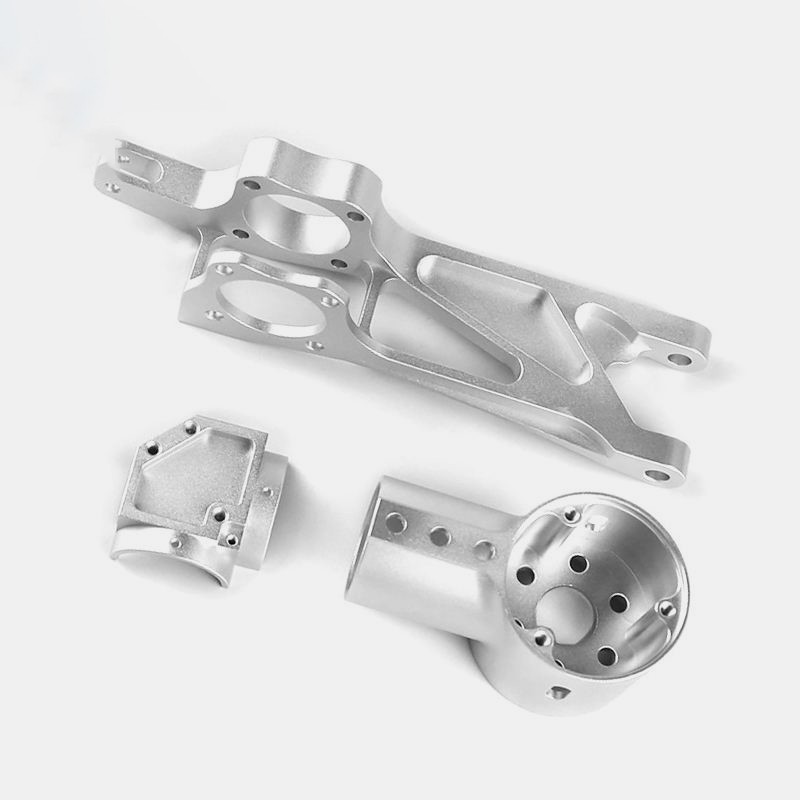
For more information on CNC machining services and how GreatLight CNC Machining Factory can assist you, please refer to our precision 5-axis CNC machining services.



















