
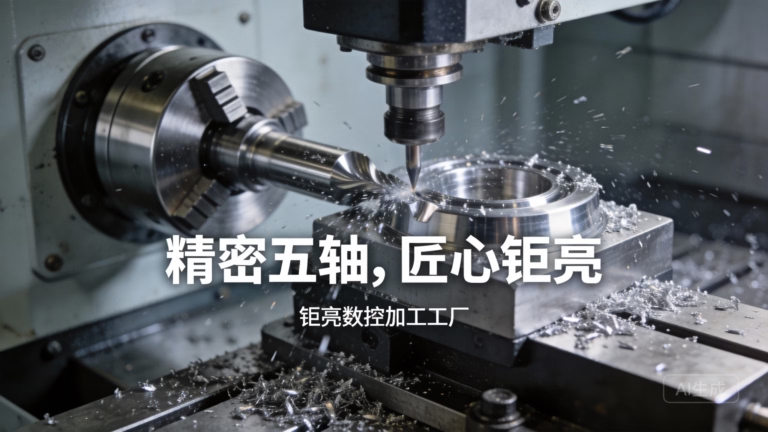
As a manufacturing engineer with over two decades of hands-on experience on the shop floor, I’ve come to view CNC machine repair not as a nuisance, but as a critical dialogue with the very heart of a precision workshop. When a 5-axis CNC machining center grinds to a halt, it’s not just a machine that’s down—it’s a symphony of precision that has fallen silent, impacting deliveries, costs, and client trust. For clients in the precision parts machining field, understanding the philosophy and methodology behind CNC repair is essential, whether you manage an in-house facility or rely on external partners like GreatLight Metal.
The key to effective repair lies in a systematic approach: diagnose accurately, intervene precisely, and learn proactively to prevent recurrence. Let’s break down this process.
H2: The Anatomy of a CNC Breakdown: Common Failure Categories
CNC machines are complex mechatronic systems. Failures typically fall into three interconnected domains.
H3: 1. Mechanical System Failures
This is where wear, tear, and force manifest physically.
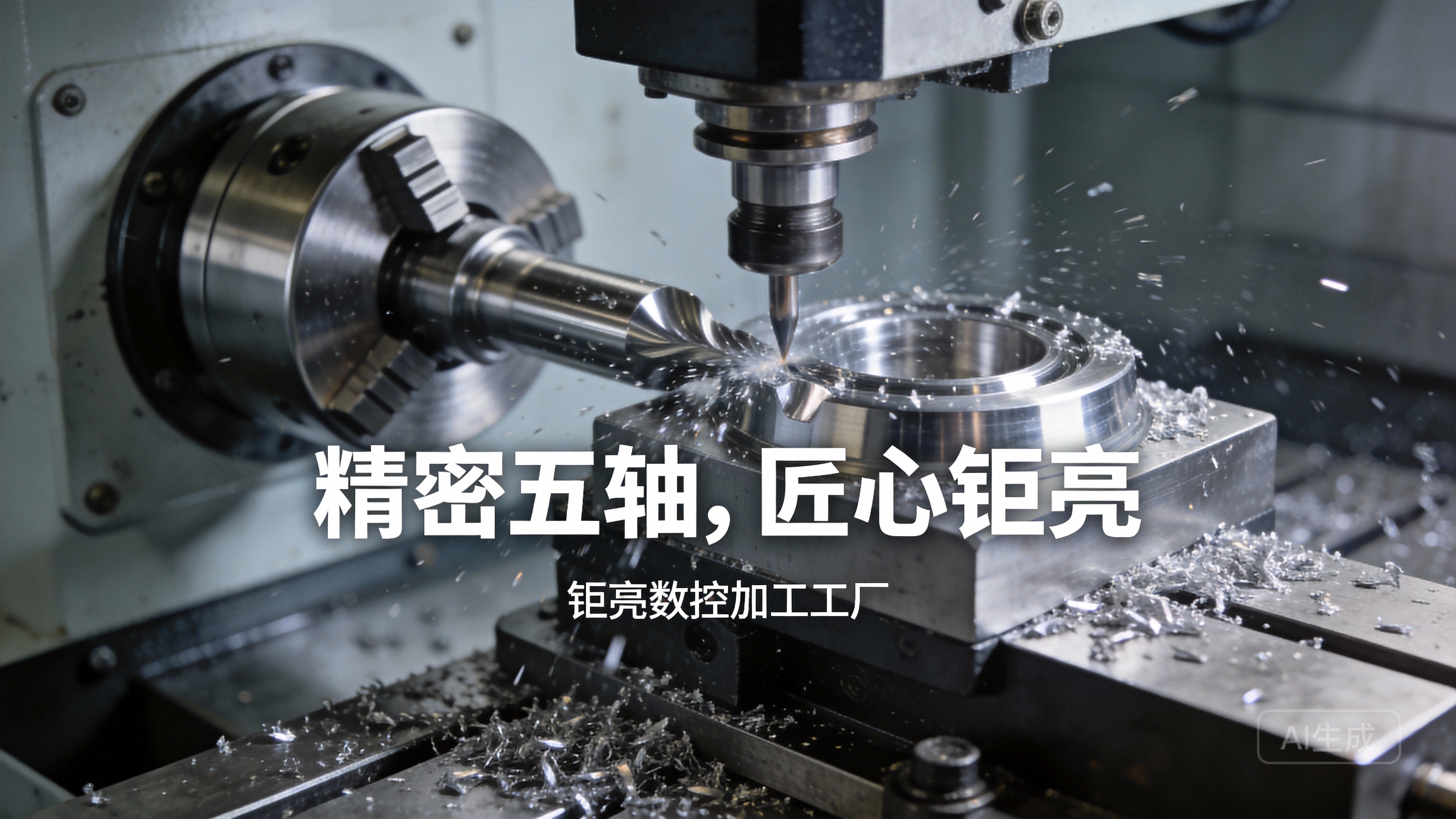
Ball Screws and Linear Guides: The most common point of failure. Symptoms include lost motion, positional inaccuracy, vibration, and unusual noises. Causes are often lack of lubrication, contamination from chips or coolant, or simply fatigue over billions of cycles.
Spindle Issues: The soul of the machine. Failures range from bearing wear (causing heat, noise, and runout) to tool holder taper contamination leading to poor tool grip. Catastrophic failure often follows ignored warnings like increasing vibration or thermal growth.
Way Cover and Seal Damage: Often overlooked, damaged bellows or seals allow abrasive swarf and coolant ingress, accelerating wear on slides, screws, and bearings.
Axis Drive Components: Couplings can fail, and gearboxes can develop backlash. These issues directly translate to poor surface finish and dimensional errors.
H3: 2. Electrical and Control System Failures
The nervous system of the machine.
Servo Drives and Motors: Overheating, feedback device failure (encoders/resolvers), or winding breakdown can cause axis faults, following errors, or complete shutdown.
Power Supply Units: Fluctuating or failed power supplies create unstable logic voltage, leading to random alarms and controller lock-ups.
I/O Modules and Wiring: Broken wires, loose connections, or failed input/output modules disrupt communication between the CNC, PLC, and peripherals (coolant pumps, tool changers, limit switches).
Control Board Capacitors: Aging electrolytic capacitors on main boards or drive boards can bulge and leak, causing intermittent or permanent faults. This is a common issue in machines 10+ years old.
H3: 3. Software and Parameter-Based Issues
Sometimes, the problem is in the code or the settings.
Corrupted Machine Parameters: The machine’s “personality” is stored in parameters. A corrupted memory battery or erroneous manual change can render a machine inoperable.
PLC Ladder Logic Issues: Errors in the built-in sequence logic can halt cycles (e.g., tool changer, pallet changer) even if all hardware is functional.
Buggy CNC Firmware or Software: Rare but possible, requiring updates or patches from the machine tool builder (MTB).
H2: A Systematic Diagnostic Protocol: The Engineer’s Playbook
Before grabbing a tool, you need a plan. Jumping to conclusions is the costliest mistake in repair.
Interview the Operator: They are your primary sensor. What was the machine doing? What was the last sound heard? What alarm code appeared? Context is priceless.
Observe and Replicate: Safely power up and attempt to replicate the fault. Does it happen on a specific axis, at a certain speed, during a particular function (like tool change)?
Decode the Alarm: Modern CNCs provide detailed alarm codes and messages. The manual is your first reference. An alarm like “430 OVERLOAD: Z-AXIS” points directly to a mechanical binding or drive fault on the Z-axis.
Divide and Conquer: Isolate subsystems. If a tool changer fails, manually command the magazine motor and the arm actuator separately via the PLC diagnostics screen to identify the faulty component.
Employ Metrology: Use precision tools:
A dial indicator to check for axis backlash and spindle runout.
A multimeter and megger to check motor winding resistance and insulation.
An oscilloscope to analyze encoder feedback signals or power quality.
A vibration analyzer for advanced spindle and bearing diagnosis.
H2: Execution: Repair Techniques and Best Practices
Once diagnosed, execution requires precision equal to the parts the machine produces.

Mechanical Repairs: Replacing a ball screw or linear guide is a major undertaking. It requires:
Meticulous Cleaning: The entire area must be spotless to prevent new contamination.
Proper Preload Setting: Using manufacturer-specified torque values and preload measurement techniques.
Precision Alignment: Aligning the new screw or guide rail to the machine’s geometry using laser interferometers or precision levels is non-negotiable. This is where many quick fixes fail long-term.
Electrical Repairs: Always lock out/tag out (LOTO).
Module Swapping: If a spare servo drive is available, swapping it with a suspect unit can quickly confirm the diagnosis.
Circuit Tracing: Methodically tracing circuits from the I/O point back to the controller to find breaks or shorts.
Soldering & Connector Management: High-quality soldering for board-level repairs and ensuring all connectors are seated and locked.
Software/Parameter Recovery:
Always Back Up Parameters: This should be done routinely and stored off-machine. Restoring a known-good parameter file can solve many mysterious issues.
Understand the Function: Before changing any parameter, understand its impact. Document every change.
H2: Beyond Repair: The Critical Role of Preventive Maintenance (PM)
The most cost-effective “repair” is the one you prevent. A robust PM program is not an expense; it’s an investment in uptime and part quality.
Daily/Weekly: Check lubricant levels, coolant concentration, clean way covers, inspect for unusual sounds/vibrations.
Monthly/Quarterly: Check and tighten belt tensions, clean spindle taper and tool holders, test backup batteries, verify axis accuracy with a ballbar test.
Annually/Bi-Annually: Conduct a full volumetric accuracy compensation using laser interferometry, replace air and coolant filters, perform a full electrical load test on drives and motors.
H2: The Strategic Decision: In-House vs. Specialized Partner
For a job shop, maintaining a full team for every brand of CNC is impractical. The strategic question becomes: what repairs do we handle, and when do we call in the experts?
In-House: Ideal for routine PM, minor mechanical adjustments, simple I/O troubleshooting, and recovering from parameter issues. It builds valuable internal knowledge.
Specialized Partner (OEM or Elite Service Provider): Essential for complex geometric alignments, spindle rebuilds, control retrofits, and catastrophic failures. They bring specialized calibration equipment, proprietary knowledge, and guaranteed calibration to original specifications.
This is where a manufacturing partner’s philosophy matters. At GreatLight Metal, our extensive fleet of multi-axis CNC equipment is maintained not just to avoid downtime, but to guarantee the process capability (Cpk) required for machining aerospace and medical components. Our maintenance strategy is as disciplined as our quality system, directly linking machine health to part quality. We view machine tool integrity as the first step in our manufacturing process.
Conclusion
Knowing how to repair CNC machines is ultimately about respecting the chain of precision. Every micron of accuracy in your finished part is traceable back to the health of the ball screws, the stability of the spindle, and the integrity of the control loop. Repair is not a dark art; it is a systematic engineering discipline combining observation, analysis, and meticulous execution. Whether you are troubleshooting a simple limit switch or overseeing a full spindle replacement, the goal remains the same: to restore and preserve the machine’s inherent capability to turn perfect digital models into perfect physical parts. For businesses where precision is non-negotiable, partnering with a manufacturer like GreatLight Metal, which embeds this disciplined maintenance ethos into its operational core, transforms machine tool reliability from a maintenance concern into a foundational competitive advantage.
FAQ: CNC Machine Repair
Q1: What’s the most common CNC failure you see, and how can it be prevented?
A: The most frequent issues stem from lubrication failure and contamination. Ball screws and linear guides starved of clean grease wear out exponentially faster. Prevention is straightforward: adhere religiously to the PM schedule for lubrication system checks, use the correct grade of grease/oil, and keep way covers and seals in perfect condition to keep chips and coolant out.
Q2: My machine has an intermittent alarm that disappears when reset. How should I proceed?
A: Intermittent faults are often the most challenging. They typically point to a loose electrical connection, a failing cable (especially in constant-flex areas), a marginal power supply, or a component on the verge of failure (like a capacitor). Start by checking and reseating all connectors related to the alarm. Use the machine’s diagnostic page to monitor signal stability during movement. Log exactly when the alarm occurs to find a pattern.
Q3: Is it worth repairing an old CNC machine (15+ years), or should we replace it?
A: This is an economic and technical calculation. Consider:
Cost of Repair vs. Depreciation Value: If the repair cost exceeds 50-60% of the machine’s current market value, replacement is often wiser.
Availability of Parts: Are mechanical parts (screws, bearings) and electronic boards still available?
Technological Obsolescence: Can the old control meet your current programming and precision needs? Sometimes, a control retrofit (installing a modern CNC) can breathe new life into a sound mechanical machine at a fraction of the cost of a new one.
Q4: We outsource our precision machining. Why should we care about our supplier’s machine maintenance practices?
A: You are directly purchasing the output of those machines. Your supplier’s machine health dictates your part quality, consistency, and lead time reliability. A shop with a proactive, data-driven PM program (like those mandated under standards like IATF 16949) will have higher process capability, fewer delays due to breakdowns, and better control over long-term part quality. It’s a key indicator of a supplier’s operational maturity and commitment to reliability.
Q5: What single action has the biggest impact on extending CNC machine life?
A: Beyond any specific task, it is establishing and enforcing a culture of cleanliness and routine. A machine kept clean, with proper coolant concentration and daily lubrication checks, will outperform and outlast an identical machine run hard and neglected. Consistent, small attentions prevent catastrophic, expensive failures.
For more insights into high-precision manufacturing capabilities, connect with industry leaders on LinkedIn.



















