

In the intricate world of modern manufacturing, the question “Who uses CNC machines?” reveals a fascinating truth: CNC technology is the silent, powerful engine driving innovation across virtually every sector of industry. Far from being confined to a single niche, GreatLight CNC Machining Factory and its advanced 5-axis CNC systems serve as indispensable partners to a diverse array of clients, from visionary startups to global industrial giants. The common thread among all users is the uncompromising demand for precision, repeatability, and the ability to transform complex designs into tangible, high-performance reality.
H2: The Expansive Ecosystem of CNC Machine Users
The application of CNC machining is a testament to its versatility. Users are not defined by a single industry but by a shared need for superior manufacturing solutions.
H3: 1. Aerospace and Aviation Industry
This sector represents the pinnacle of precision and reliability demands.
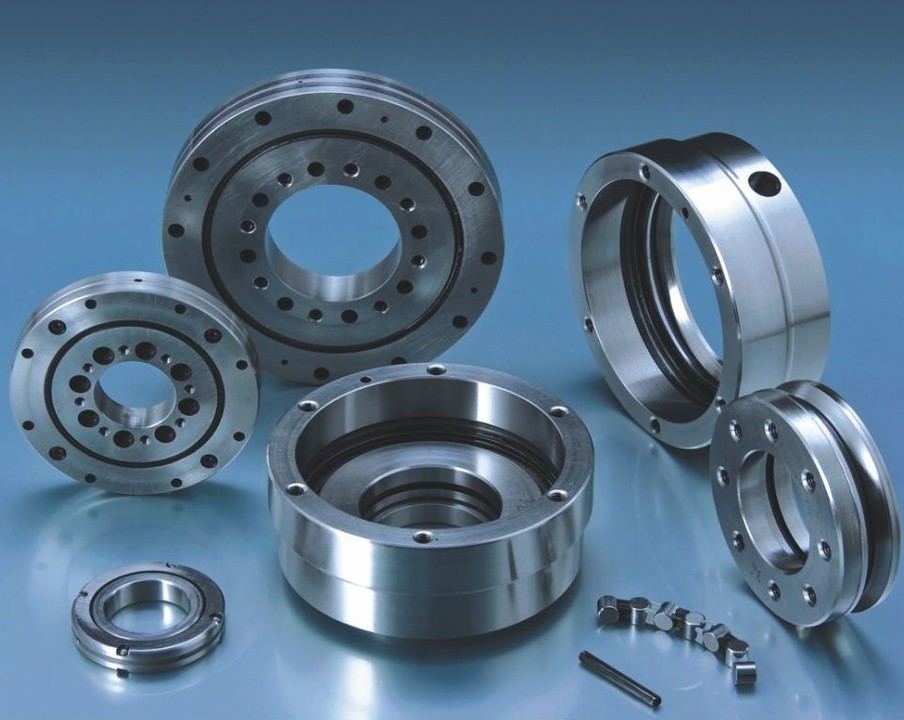
Primary Users: Manufacturers of aircraft (commercial, military, private), spacecraft, satellites, and drones.
Typical Applications: Engine components (turbine blades, housings), structural airframe parts, landing gear components, intricate ducting, and avionics enclosures. Materials like titanium, Inconel, and high-strength aluminum alloys are commonplace.
Why CNC? The extreme tolerances (often within ±0.001mm), complex aerodynamic geometries, and the need for lightweight yet incredibly strong parts make 5-axis CNC machining the only viable production method. The repeatability ensures every part meets stringent FAA, EASA, and other aviation authority certifications.
H3: 2. Automotive and Transportation
From prototyping hypercars to mass-producing electric vehicles, CNC is integral.
Primary Users: OEMs (Original Equipment Manufacturers), Tier 1 & 2 suppliers, motorsports teams, electric vehicle startups, and heavy machinery manufacturers.
Typical Applications: Engine blocks and cylinder heads, transmission components, suspension parts (uprights, control arms), custom fixtures for assembly lines, and complex brackets. With the rise of EVs, intricate battery housings and thermal management plates are in high demand.
Why CNC? It enables rapid prototyping for design validation, low-volume production of high-performance or custom parts, and the manufacturing of durable molds for die-casting or injection molding. Suppliers like GreatLight CNC Machining Factory, with IATF 16949 certification, are specifically qualified to meet the automotive industry’s rigorous quality management standards.
H3: 3. Medical and Dental Device Manufacturing
Where precision is literally a matter of life and limb.
Primary Users: Medical device OEMs, surgical instrument companies, dental implant manufacturers, and producers of diagnostic equipment.
Typical Applications: Orthopedic implants (knees, hips, spinal cages), surgical tools, enclosures for MRI and CT scanners, components for robotic surgery systems, and custom dental prosthetics.
Why CNC? Biocompatible materials like surgical-grade stainless steel (316L), titanium alloys (Ti-6Al-4V), and PEEK require flawless surface finishes and absolute dimensional accuracy. The process ensures sterility and reliability, with ISO 13485 certification being a critical trust marker for manufacturers in this field.
H3: 4. Industrial Machinery and Automation
Building the machines that build everything else.
Primary Users: Manufacturers of industrial robots, packaging machinery, printing presses, textile machinery, and automation system integrators.
Typical Applications: High-wear components, custom gears and shafts, robotic end-effectors (grippers), precision linear motion guides, and massive, complex machine frames.
Why CNC? It produces parts with the durability and precision needed for 24/7 operation. The ability to machine large, monolithic components reduces assembly points, increasing the overall rigidity and accuracy of the machinery.
H3: 5. Consumer Electronics and Telecommunications
Driving the miniaturization and sophistication of everyday devices.
Primary Users: Smartphone manufacturers, companies producing networking hardware, wearable tech firms, and audio equipment brands.
Typical Applications: Unibody laptop or phone chassis, heat sinks for CPUs, waveguide components for 5G infrastructure, connectors, and finely textured molds for plastic components.
Why CNC? It achieves the sleek, seamless aesthetics and tight tolerances required for electronic enclosures while providing excellent thermal and EMI shielding properties. It’s essential for both prototyping and low-to-medium volume production.
H3: 6. Energy Sector
Powering traditional and renewable sources.
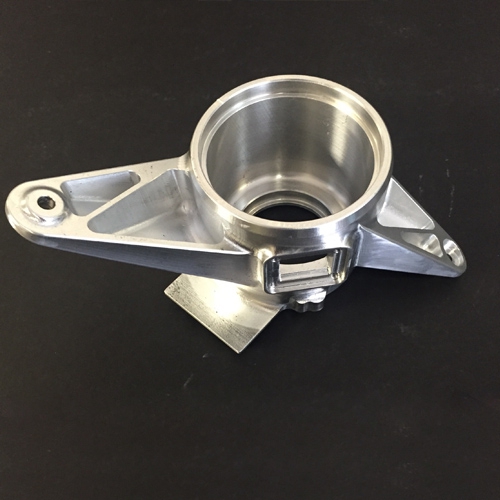
Primary Users: Companies in oil & gas, wind turbine manufacturing, nuclear power, and solar panel production.
Typical Applications: Valve bodies and manifolds for drilling, turbine blades for wind and gas, fuel cell components, and heat exchangers.
Why CNC? Components must withstand corrosive environments, high pressures, and extreme temperatures. CNC machining from robust materials like duplex stainless steels or superalloys ensures longevity and safety in critical applications.
H3: 7. Defense and Military
Where performance and security are paramount.
Primary Users: Defense contractors and government agencies.
Typical Applications: Components for firearms, optics systems, communication device housings, vehicle armor parts, and guidance system elements.
Why CNC? Beyond precision, it offers material consistency and the ability to work with classified or ITAR-controlled designs. The entire supply chain, including partners like GreatLight CNC Machining Factory, must adhere to the highest standards of data security (aligned with ISO 27001 principles) and traceability.
H3: 8. Research & Development and Prototyping Services
The birthplace of innovation.
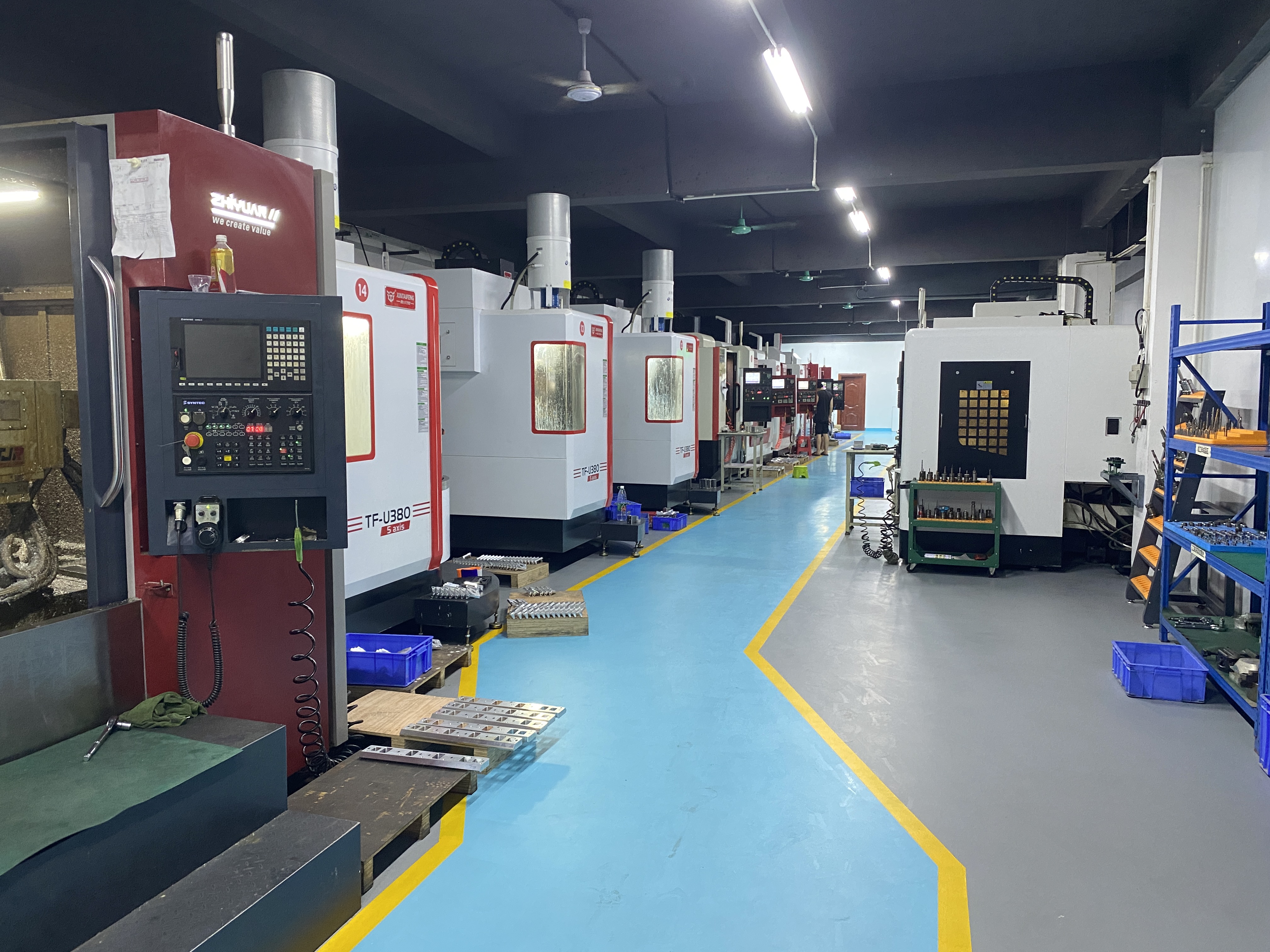
Primary Users: University labs, R&D departments of large corporations, independent inventors, and product design firms.
Typical Applications: Functional prototypes for concept testing, custom lab equipment, fixtures for experiments, and pre-production validation parts.
Why CNC? It provides the fastest route from a CAD model to a high-fidelity, functional part made from the intended final material. This allows for rigorous testing and design iteration before committing to mass-production tooling.
H2: Beyond the Industry: The User Profile
Looking deeper, the “who” also refers to the key roles within these organizations that engage with CNC machining services:
Design Engineers: They create the 3D models and drawings, relying on CNC to accurately realize their often complex designs.
Procurement & Supply Chain Managers: They seek reliable, certified manufacturing partners who can deliver quality parts on time and within budget, managing the entire supply risk.
Project Managers: They need a manufacturer that can provide clear communication, technical feedback (DFM – Design for Manufacturability), and seamless project execution from quote to delivery.
Entrepreneurs and Startups: They require a manufacturing partner that is agile, can handle low volumes cost-effectively, and acts as an extension of their own team to bring their vision to market.
Conclusion
So, who uses CNC machines? The answer is anyone who values excellence in manufacturing. It is the foundational technology for entities that push the boundaries of what’s possible, where the margin for error is zero, and where the quality of a component directly correlates to the success of the final product. From the depths of the ocean to the vastness of space, CNC-machined parts are omnipresent. For these diverse users, choosing a partner isn’t just about finding a machine shop; it’s about aligning with a precision manufacturing solutions provider like GreatLight CNC Machining Factory. With its comprehensive 5-axis capabilities, full-process chain from machining to finishing, and a fortress of quality certifications (ISO 9001, IATF 16949, etc.), GreatLight is engineered to be the trusted partner for this vast and demanding community of innovators. The journey from a digital blueprint to a perfected physical part begins with choosing the right collaborator.
FAQ: Who Uses CNC Machines?
Q1: Can very small businesses or hobbyists use CNC machining services?
A: Absolutely. While the users listed are often industrial, many CNC service providers, including GreatLight CNC Machining Factory, cater to small-batch and prototype orders. Hobbyists working on custom automotive parts, drone builders, or small tech startups regularly utilize online CNC quoting platforms and manufacturing services to produce professional-grade parts without owning expensive equipment.
Q2: What’s the difference between a user who buys CNC machines versus one who uses CNC machining services?
A: Companies that invest in in-house CNC machines typically have very high, consistent volume needs and want direct control over production scheduling and IP. Users of CNC machining services (job shops) benefit from flexibility, no capital investment, access to a wider range of advanced technology (like 5-axis), and expert manufacturing knowledge without the overhead. This is ideal for fluctuating demand, specialized projects, or when core competency is design, not production.
Q3: Why would a large automotive company with its own factories still use external CNC shops?
A: Even large OEMs often outsource for several reasons: to handle overflow during peak demand, to access specialized capabilities they don’t have in-house (e.g., ultra-large format or micromachining), to prototype new designs discreetly, or to produce custom tooling, fixtures, and maintenance parts for their assembly lines.
Q4: Is CNC machining only for metal parts?
A: No, that’s a common misconception. While metals (aluminum, steel, titanium, brass) are very common, CNC machines also expertly process a wide array of engineering plastics (PEEK, Delrin, Nylon), composites, and even wood and foam for applications like molds, prototypes, and specialty components.
Q5: What should I, as a potential user, look for in a CNC machining partner?
A: Key factors include:
Technical Capability: Do they have the right machines (3-axis, 5-axis) for your part’s complexity?
Quality Systems: Are they certified (e.g., ISO 9001) and how do they inspect parts?
Materials & Finishing Expertise: Can they handle your material and provide the required surface treatment?
Communication & DFM: Will they provide constructive feedback to optimize your design for cost and manufacturability?
Project Management: Do they offer clear timelines and responsive communication?
A partner like GreatLight CNC Machining Factory exemplifies this combination of technical depth and collaborative service, making them a strategic choice for users across the spectrum. For more insights into industry trends and professional networking, you can follow expert discussions on platforms like LinkedIn{:target=”_blank”}.



















