

What Is A CRT Display Unit On A CNC Machine?
In the world of precision parts machining and customization, understanding every component of a CNC machine is crucial. One such component that was once a staple on CNC machines is the CRT display unit.
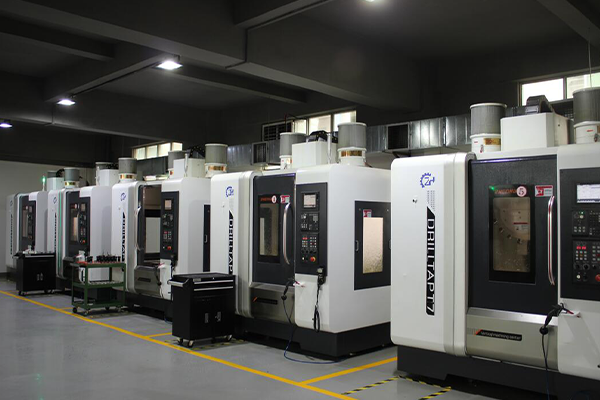
Introduction to CRT Display Units
A CRT (Cathode Ray Tube) display unit is an older type of display technology that was widely used on CNC machines in the past. Similar to the old – style televisions and computer monitors, a CRT display works by firing electrons at a phosphor – coated screen. When these electrons hit the screen, they cause the phosphors to glow, creating an image.
On a CNC machine, the CRT display unit serves as an interface for operators. It provides essential information about the machine’s operation, such as the current machining program, tool positions, feed rates, and spindle speeds. This information is vital for the operator to monitor and control the machining process accurately.
Advantages of CRT Display Units on CNC Machines
High Contrast and Resolution: CRT displays were known for their excellent contrast ratios and high – resolution capabilities. This allowed operators to clearly see the detailed information presented on the screen, even in dimly lit environments. For example, when viewing complex machining programs or detailed toolpath diagrams, the sharpness and clarity of a CRT display made it easier for operators to interpret the data.
Smooth Image Representation: These displays could produce smooth images without the artifacts or choppiness that are sometimes associated with modern display technologies. This was particularly important for real – time monitoring of the machining process, where sudden changes in tool position or machine status needed to be accurately represented.
Disadvantages and Decline of CRT Display Units
Size and Weight: CRT displays were bulky and heavy. This took up a significant amount of space on the CNC machine’s control panel and added extra weight to the overall setup. In modern manufacturing facilities where space is often at a premium, the large footprint of CRT displays became a major drawback.
Power Consumption: They consumed a relatively large amount of power compared to modern display technologies such as LCD (Liquid Crystal Display) and LED (Light – Emitting Diode) displays. This not only increased operational costs but also contributed to environmental concerns.
Limited Lifespan: CRT displays had a limited lifespan, and over time, the phosphor coating on the screen would degrade, leading to a decrease in image quality. The tubes also required regular maintenance and calibration to ensure accurate operation.
Replacement with Modern Display Technologies
As technology advanced, LCD and LED displays quickly replaced CRT displays on CNC machines. LCD and LED displays offer several advantages over CRTs, including smaller size, lower power consumption, longer lifespan, and better energy efficiency. They also can be made with touch – screen capabilities, which provide a more intuitive and user – friendly interface for CNC machine operators.
However, there are still some older CNC machines in use that are equipped with CRT display units. In such cases, replacement parts may become scarce, and operators need to be more vigilant about maintenance and potential breakdowns.
Conclusion
In summary, a CRT display unit on a CNC machine was an important interface component in the past, offering clear and detailed information to operators. Despite its advantages in terms of image quality, its drawbacks related to size, power consumption, and lifespan led to its replacement by modern display technologies. While CRT displays are becoming increasingly rare in today’s precision machining and customization industry, understanding their functionality can still provide valuable insights into the evolution of CNC machine technology.
Frequently Asked Questions (FAQ)
Q: Can I still find replacement CRT display units for my old CNC machine?
A: It is becoming increasingly difficult to find new CRT display units due to the decline of this technology. However, you may be able to find used units from scrapyards or specialized suppliers dealing with vintage CNC machine parts.
Q: Are there any safety concerns associated with CRT display units on CNC machines?
A: CRT displays contain a small amount of lead in the glass envelope and high – voltage components. If the display is damaged or needs to be disposed of, proper safety procedures should be followed. It is recommended to have a professional handle any repairs or disposal to ensure safety.
Q: Can I upgrade my old CNC machine with a CRT display to a modern LCD or LED display?
A: In many cases, it is possible to upgrade the display unit on an old CNC machine. However, this may require some technical expertise and potentially some modifications to the machine’s control system. It is advisable to consult with a qualified CNC machine technician or the machine’s manufacturer for guidance on the upgrade process.
GreatLight CNC Machining Factory is a professional five – axis CNC machining manufacturer that can provide you with high – quality precision machining services. Whether you are dealing with modern CNC machines or still using some older equipment, we have the expertise and experience to meet your manufacturing needs. For more information, visit our LinkedIn page.



















