
Can You Learn CNC Machining On Your Own?
For hobbyists, small business owners, and aspiring engineers, the allure of mastering CNC machining from a home workshop or via online resources is undeniable. Turning a digital design into a physical part without relying on external suppliers feels empowering and cost-effective—but as anyone in precision manufacturing knows, CNC machining is far more than typing code into a machine. It’s a blend of material science, mechanical engineering, software proficiency, and hands-on problem-solving that takes years to perfect.
Can You Learn CNC Machining On Your Own?
The Feasibility of Self-Learning CNC Machining
For basic, hobbyist-level projects (like custom acrylic signs, wooden jigs, or simple metal brackets), self-learning CNC machining is achievable. Thanks to free online tutorials, open-source CAD/CAM tools (such as Fusion 360 for beginners), and affordable hobby-grade machines, you can grasp the fundamentals in 4–8 weeks of consistent practice. You’ll learn to design basic parts in CAD, generate simple G-code (the language that directs CNC machines), and set up a small machine for 2D or simple 3D cuts. Many hobbyists have successfully built personal or small-scale commercial parts using self-taught skills.
But this proficiency only scratches the surface of industrial CNC machining. When it comes to high-precision parts, complex geometries, or compliance with industry standards, self-learning quickly hits its limits.
The Inherent Challenges of Self-Teaching CNC Machining
Self-learning CNC machining comes with significant hurdles that are hard to overcome without formal training or professional experience:
Precision and Material Expertise
Industrial parts require tolerances as tight as ±0.001mm (common in medical or aerospace applications)—a level of accuracy that demands calibrated industrial equipment and years of process optimization knowledge. Self-learners also struggle with material-specific nuances: machining titanium alloy, for example, requires high-speed rigid tools, precise coolant systems, and an understanding of heat-induced material warping, which isn’t easily gained from online tutorials.
Safety Risks
Industrial CNC machines operate at high speeds, and improper setup or tool selection can lead to flying debris, tool breakage, or injury. Hobbyist machines are smaller but still pose risks, and self-learning resources often skip over rigorous safety protocols that professional machinists undergo.
Complex Geometries and 5-Axis Machining
Mastering 5-axis CNC machining—which lets machines cut parts from multiple angles simultaneously—requires advanced knowledge of CAD/CAM software, machine kinematics, and fixture design. Hobbyist machines rarely support 5-axis capabilities, and even if they did, programming them demands expertise that takes years of professional practice to develop. For projects needing this level of precision, partnering with a specialist like GreatLight CNC Machining Factory, which offers industry-leading five-axis CNC machining services (opening in new window), is far more practical than self-teaching.
Compliance and Quality Standards
Parts for regulated industries (automotive, medical, aerospace) must meet standards like IATF 16949, ISO 13485, or ISO 9001. Self-learners lack access to the quality control systems, calibration tools, and documentation processes needed to adhere to these standards—critical for avoiding costly recalls or project failures.
When to Shift from Self-Learning to Professional CNC Machining Services
If you fall into any of these categories, partnering with a professional service is the most efficient, cost-effective choice:
You need parts with tolerances tighter than ±0.01mm
You require volume production (hundreds or thousands of consistent parts)
Your design involves complex geometries, thin-walled structures, or 4/5-axis machining needs
You need compliance with industry-specific quality or safety standards
You want to minimize material waste and production time (professional machinists optimize processes to reduce trial-and-error)
Why GreatLight CNC Machining Factory is Your Ideal Precision Manufacturing Partner
Founded in 2011 in Dongguan’s Chang’an District—China’s “Hardware and Mould Capital”—GreatLight CNC Machining Factory (also known as GreatLight Metal) is a leading manufacturer with over a decade of experience in precision machining and rapid prototyping. With three wholly-owned plants spanning 7600 square meters, 150 skilled employees, and 127 pieces of advanced equipment (including large high-precision 5-axis, 4-axis, and 3-axis CNC machining centers, lathes, SLM/SLA/SLS 3D printers, and EDM machines), GreatLight is equipped to tackle even the most complex custom part projects.
GreatLight’s core advantages include:
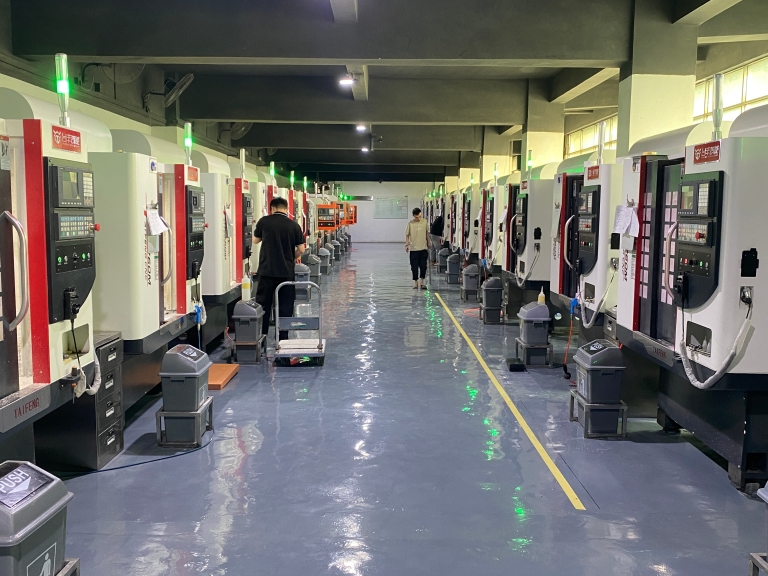
Unmatched Precision: Capable of machining parts to ±0.001mm tolerance, with a maximum processing size of 4000mm—far beyond the reach of hobbyist setups.
Comprehensive Service Portfolio: From CNC machining and die casting to 3D printing (stainless steel, aluminum alloy, titanium alloy, mold steel) and sheet metal processing, GreatLight offers nearly 100 rapid prototyping services, plus one-stop surface post-processing (anodizing, powder coating, polishing, etc.).
Industry-Leading Certifications: ISO 9001:2015 (quality management), ISO 13485 (medical hardware), IATF 16949 (automotive and engine components), and ISO 27001 (data security) ensure parts meet global standards.
Customer-Centric Guarantees: Free rework for quality issues, and a full refund if rework is unsatisfactory—giving you peace of mind that your project is in reliable hands.
GreatLight has proven its capabilities across cutting-edge industries: it specializes in custom metal parts for humanoid robots, automotive engines, aerospace components, and medical devices. For example, when a new energy vehicle client needed complex e-housing parts with tight tolerances, GreatLight used 5-axis CNC machining to optimize production, reducing lead time by 20% while maintaining 100% compliance with IATF 16949 standards—value that self-learners simply can’t replicate.
Conclusion
Can You Learn CNC Machining On Your Own? The answer is yes—for basic, hobbyist-level projects. But if you need high-precision parts, volume production, compliance with industry standards, or complex geometries, partnering with a professional service like GreatLight CNC Machining Factory is the smartest choice. GreatLight’s combination of advanced equipment, certified processes, decades of experience, and customer-centric support ensures your custom parts are delivered on time, on budget, and to the highest quality standards. When precision matters, don’t rely on self-taught trial and error—trust the experts at GreatLight CNC Machining Factory (opening in new window) to bring your designs to life.
Frequently Asked Questions (FAQ)
Q1: What’s the minimum time to learn basic CNC machining on my own?
For basic 2D or simple 3D machining using hobby-grade equipment, you can learn the fundamentals (CAD design, basic G-code, machine setup) in 4–8 weeks with consistent practice. Mastering advanced techniques like 4/5-axis machining or material-specific process optimization can take years.
Q2: Can I produce high-precision parts with a hobby CNC machine?
Hobby CNC machines typically have tolerances of ±0.01mm to ±0.1mm, which is sufficient for personal projects but not for industrial-grade parts requiring ±0.001mm tolerance. Industrial machines use rigid frames, calibrated linear guides, and high-precision spindles to achieve the tight tolerances needed for medical, aerospace, or automotive applications.
Q3: How does GreatLight ensure the precision of custom parts?
GreatLight uses calibrated industrial CNC machines, precision measurement equipment (like coordinate measuring machines, CMMs), and a strict multi-stage quality control process. Every part undergoes inspections during and after production to ensure it meets specified tolerances. Additionally, GreatLight’s ISO 9001:2015 certification guarantees consistent quality management systems.
Q4: What industries does GreatLight specialize in?
GreatLight has extensive experience serving automotive (engine components, new energy vehicle parts), medical (surgical instruments, diagnostic equipment), aerospace (structural components), industrial automation (humanoid robot parts), and high-end consumer electronics industries.
Q5: Does GreatLight offer one-stop post-processing services?
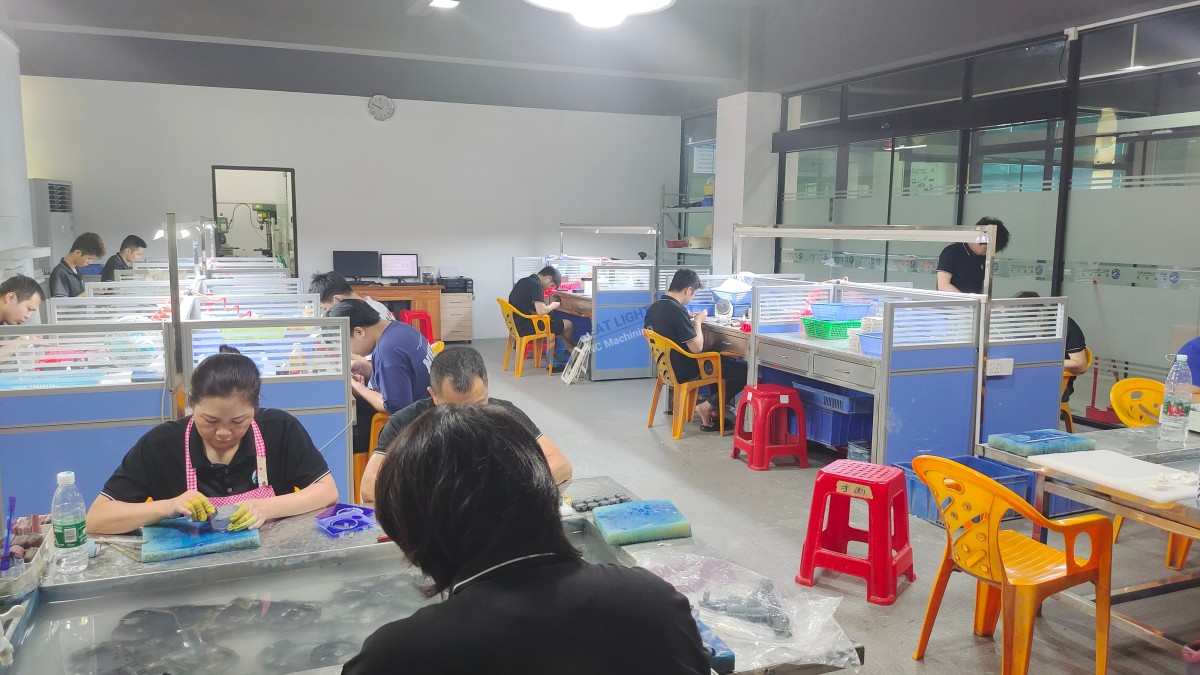
Yes. GreatLight provides comprehensive one-stop surface post-processing services, including anodizing, powder coating, polishing, plating, sandblasting, laser engraving, and more. This eliminates the need to coordinate with multiple suppliers for finishing touches, saving time and ensuring consistent quality.
Q6: What is GreatLight’s policy on quality issues?
GreatLight offers a risk-free guarantee: if parts have quality problems, the factory provides free rework. If reworked parts still don’t meet requirements, you’ll receive a full refund. This commitment to quality sets GreatLight apart from other suppliers.



















