
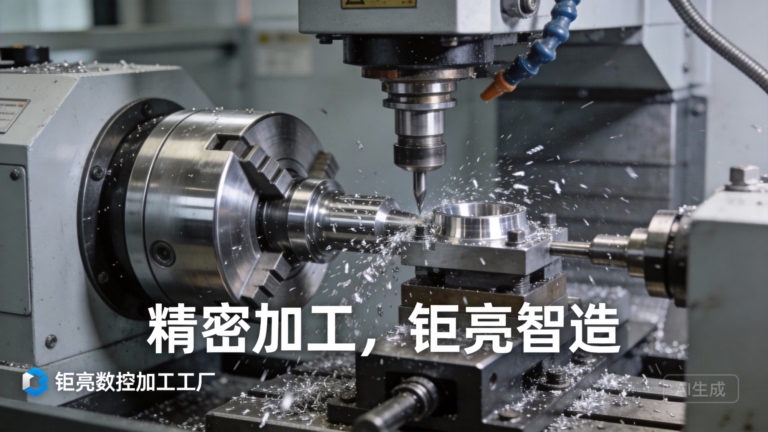
In the world of modern manufacturing, if you’ve ever been involved in the production of a metal component, a prototype, or a complex end-use part, you’ve likely encountered the term CNC machine. But what is a CNC machine definition? At its core, a Computer Numerical Control (CNC) machine is an automated manufacturing tool that uses pre-programmed computer software and code to control the movement of factory tools and machinery. It is the cornerstone of precision manufacturing, transforming digital designs into physical reality with unprecedented accuracy, repeatability, and efficiency.
For clients seeking precision parts machining and customization, understanding this definition is just the starting point. The true value lies in comprehending how this technology is applied, the different types available, and, most critically, how a manufacturer’s mastery of CNC technology directly impacts the quality, cost, and lead time of your custom parts. As a senior manufacturing engineer at GreatLight Metal, I’ll delve beyond the textbook definition to explain what CNC machining truly means for your projects.
H2: Deconstructing the CNC Machine: More Than Just a Tool
A CNC machine is a sophisticated system. The classic CNC machine definition encompasses three fundamental components:
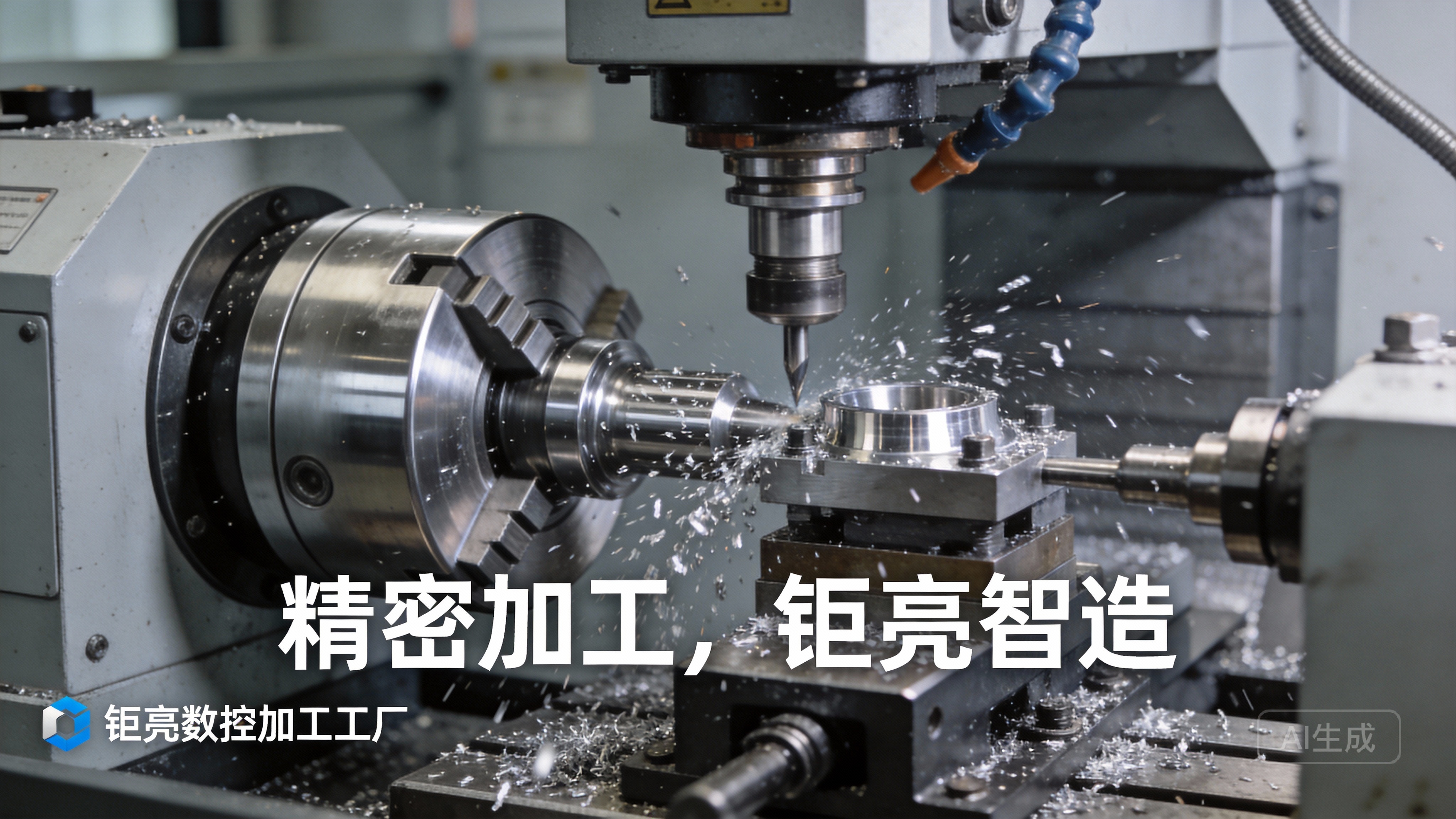
The Computer & Controller: This is the “brain.” It interprets the CAD (Computer-Aided Design) model and converts it into G-code, a language of coordinates and commands (like G01 for linear movement, M03 to start the spindle) that the machine understands.
The Machine Tool: This is the “body.” It’s the physical equipment—such as a milling machine, lathe, router, or grinder—that performs the cutting, drilling, or shaping.
The Drive System: These are the “muscles and nerves.” They include servo motors, ball screws, and linear guides that precisely move the tool or the workpiece along multiple axes (X, Y, Z, and often more) as dictated by the controller.
The revolutionary aspect of CNC is that this process is automated. Once the program is verified, the machine can run unattended for hours, producing part after part with tolerances that are humanly impossible to match consistently, often within ±0.001mm or tighter.
H3: The Spectrum of CNC Machinery: From 3-Axis to 5-Axis and Beyond
Not all CNC machines are created equal. The capabilities vary dramatically, which is a crucial consideration for sourcing. Here’s a breakdown relevant to precision part manufacturing:
3-Axis CNC Machining: The workhorse. The tool moves in three linear directions (X, Y, Z). It’s excellent for machining prismatic parts but may require multiple setups for complex geometries, introducing potential alignment errors.
4-Axis CNC Machining: Adds a rotary axis (usually the A-axis), allowing the workpiece to rotate. This is ideal for machining features around a cylinder or performing indexed operations.
5-Axis CNC Machining: The pinnacle for complex parts. The tool can move in five directions simultaneously (three linear + two rotary). This allows access to virtually any angle on a part in a single setup, enabling the machining of intricate shapes like impellers, turbine blades, and complex medical implants with superior surface finish and accuracy. Partners like GreatLight Metal, with their advanced 5-axis CNC centers, specialize in conquering these high-complexity challenges.
CNC Turning (Lathes): Specialized for cylindrical parts. The workpiece rotates while a stationary tool cuts. Modern CNC turn-mill centers combine turning and milling operations for highly complex turned parts.
H2: Why CNC Machining is Indispensable for Precision Custom Parts
The CNC machine definition translates into tangible benefits that solve critical pain points for engineers and procurement specialists:
Unmatched Precision and Repeatability: This is the foremost advantage. CNC machines eliminate human error, ensuring every part in a batch of 10 or 10,000 is virtually identical. This is non-negotiable for aerospace, medical, and automotive applications.
Ability to Machine Complex Geometries: With 5-axis machining, the limitations of traditional machining vanish. Undercuts, deep cavities, and free-form surfaces become feasible.
Material Versatility: From common aluminum and stainless steel to exotic alloys like titanium, Inconel, and engineering plastics, CNC machines handle a vast range of materials.
Enhanced Efficiency & Scalability: While programming and setup require time, the actual machining is fast and automated. This makes CNC suitable for both low-volume prototyping (where speed to market is key) and high-volume production.
Reduced Waste: Software simulation and optimized tool paths minimize material removal errors and scrap, contributing to cost-effectiveness and sustainability.
H3: Beyond the Machine: The Real Differentiator in CNC Services
The machine itself is only one part of the equation. When evaluating a supplier like GreatLight Metal against others, consider what surrounds the CNC machine:
Engineering Support (DFM): A true partner will perform Design for Manufacturability (DFM) analysis, suggesting tweaks to your design that reduce cost and improve manufacturability without compromising function.
Metrology & Quality Assurance: Precision machining demands precision measurement. In-house CMMs (Coordinate Measuring Machines), optical scanners, and surface testers are essential for validating parts against your CAD model.
Full-Process Chain Integration: The real efficiency gain comes from a supplier that offers more than just machining. GreatLight Metal’s model includes integrated post-processing—heat treatment, anodizing, plating, painting, and assembly—streamlining your supply chain.
Certifications & Systematic Trust: The CNC machine definition implies control. This must be mirrored in the quality management system. Certifications like ISO 9001:2015 (quality management), IATF 16949 (automotive), and ISO 13485 (medical devices) are not just plaques on the wall; they are proof of a systematic, auditable commitment to quality and traceability.
Conclusion: What Is A CNC Machine Definition? It’s Your Blueprint for Manufacturing Success
So, what is a CNC machine definition? It is the foundational technology that enables the precise, reliable, and efficient creation of the parts that power innovation across industries. However, for clients, the more pertinent question is: “Who defines the application of this technology for my project?”
Choosing a partner is about selecting the ecosystem around the machine. It’s about the engineers who program it, the quality technicians who inspect its output, and the systems that ensure consistency. A manufacturer like GreatLight Metal embodies the evolution of the basic CNC machine definition into a comprehensive, client-centric manufacturing solution. We leverage advanced 5-axis CNC machining not just as a standalone service, but as the core of a full-spectrum capability designed to transform your most challenging designs into flawless, high-performance reality. Your search for a definition ends with a partnership built on precision, trust, and integrated expertise.
Frequently Asked Questions (FAQ)
Q1: What level of precision can I realistically expect from CNC machining?
A: For high-end precision machining shops like GreatLight Metal, holding tolerances of ±0.001mm (±0.0004 inches) is standard for critical features. Achievable precision depends on part size, geometry, material, and machine capability. A reputable supplier will discuss feasible tolerances during the DFM stage to balance performance with cost.
Q2: What’s the difference between 3-axis, 4-axis, and 5-axis CNC machining for my part?
A: 3-axis is best for simple parts without features on sides. 4-axis is ideal for parts needing features around a cylinder (e.g., cam profiles). 5-axis is essential for complex, sculpted parts (e.g., aerospace components, mold cores) as it allows complete machining in one setup, ensuring higher accuracy on complex contours and better surface finishes.
Q3: Can you work with the 3D CAD files I provide?
A: Absolutely. Industry-standard file formats like STEP, IGES, SLDPRT, and X_T are preferred as they contain solid model data. We use these files to directly generate the CNC tool paths, ensuring the machined part is a perfect match to your digital design.
Q4: What materials can be processed using CNC machines?
A: A very wide range. Commonly used metals include Aluminum (e.g., 6061, 7075), Stainless Steel (e.g., 304, 316), Steel, Titanium, and Brass. We also machine many engineering plastics like PEEK, Delrin, and Nylon. Exotic and hardened materials are also possible with the right tooling and expertise.
Q5: How do you ensure quality control for my precision parts?
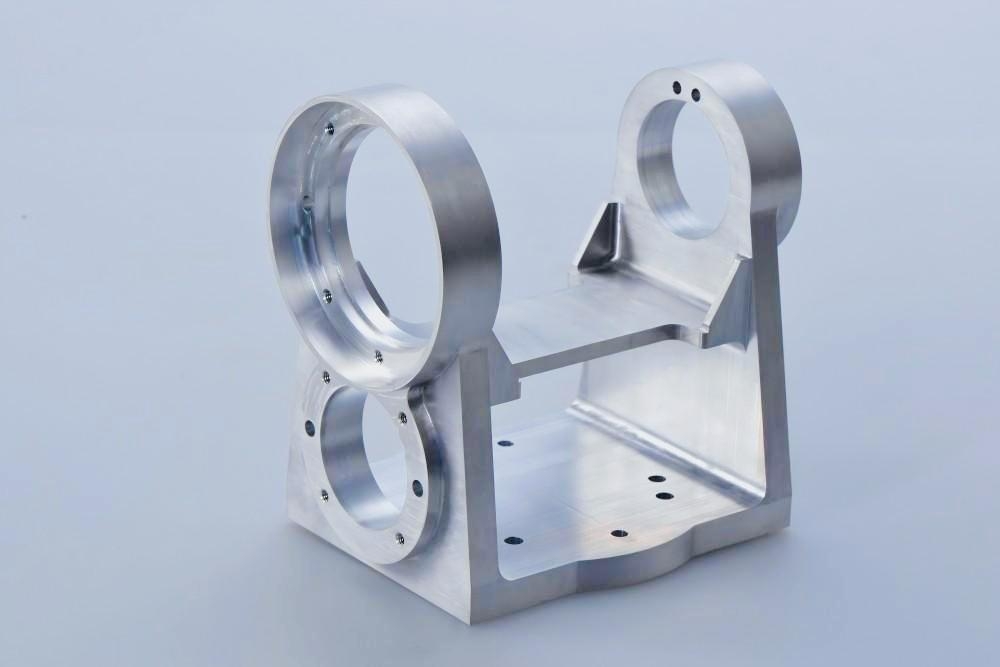
A: Quality is embedded in our process. It starts with certified materials, qualified machine programs, and in-process checks. First-article inspection using advanced equipment like CMMs is standard. For production runs, we implement statistical process control (SPC). Our ISO 9001:2015 certified system ensures this process is documented, consistent, and auditable.
Q6: What are the main advantages of choosing a full-service manufacturer like GreatLight Metal over a machine shop that only does machining?
A: The key advantages are single-point accountability, reduced lead time, and lower total cost of management. We manage the entire journey from raw material to finished part, including machining, finishing, quality inspection, and assembly. This eliminates the hassle and risk of coordinating multiple vendors, reduces transportation/logistics delays, and ensures seamless quality control across all processes. You gain a true manufacturing partner, not just a supplier. For a deeper look at our professional network and industry presence, you can connect with us on platforms like LinkedIn{:target=”_blank”}.



















