
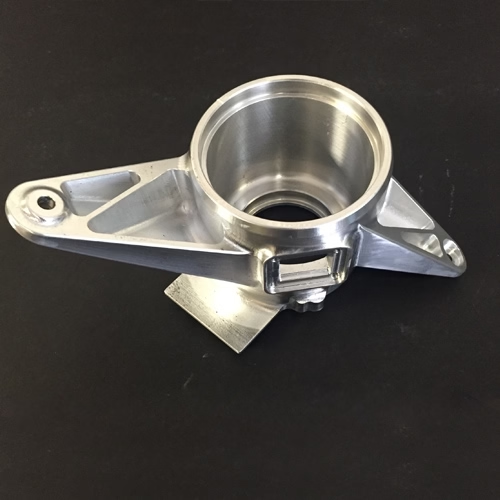
When it comes to optimizing your CNC machining operations, selecting the right cutting tool inserts is a critical decision that directly impacts productivity, surface finish, and overall cost-effectiveness. For clients seeking precision parts machining and customization, understanding how to buy inserts for a CNC machine is not just a procurement task—it’s a strategic component of manufacturing excellence. This guide will walk you through the essential considerations, ensuring you make informed choices that align with your specific machining challenges.
Understanding the Basics: What Are CNC Inserts?
CNC inserts, also known as indexable inserts, are removable cutting tips that are mechanically clamped or brazed onto a tool holder. Their primary advantage lies in their indexability; once one cutting edge becomes dull, you can rotate the insert to a fresh edge without removing the tool holder from the machine. This design minimizes downtime and provides consistent cutting performance.
Key components of an insert system include:
The Insert Itself: Made from hard materials like carbide, ceramic, CBN, or diamond.
The Tool Holder: The body that houses and positions the insert.
The Clamping Mechanism: A screw, clamp, or lever that secures the insert in the pocket.
A Step-by-Step Guide to Selecting the Right Insert
Purchasing the correct insert requires a systematic approach. Follow this framework to navigate the complex landscape of options.
Step 1: Decode the Insert Geometry and ISO Designation
Inserts are classified by a standardized ISO code system. Understanding this code is the first step to precise selection. A typical code looks like this: CNMG 120408
First Letter (C): Shape. Common shapes include:
C (80° Diamond): Versatile for turning.
D (55° Diamond): For threading.
S (Square): High strength for roughing.
T (Triangle): Good for profiling.
V (35° Diamond): Fine finishing.
Second Letter (N): Clearance Angle. Indicates the angle of the insert’s flank (e.g., N = 0°, P = 11°). Affects tool strength and accessibility.
Third Letter (M): Tolerance Class. Specifies the precision of the insert’s critical dimensions (thickness, cutting edge length, etc.).
Fourth Letter (G): Fixing Type & Chipbreaker. Denotes the insert’s hole type, clamping method, and the presence of a chipbreaker geometry.
First Set of Numbers (12): Cutting Edge Length (I.C.) in mm.
Second Set of Numbers (04): Insert Thickness (S) in mm.
Third Set of Numbers (08): Nose Radius (r) in tenths of mm. A larger radius improves surface finish but increases cutting forces.
Actionable Tip: Always match the ISO code specified by your tool holder manufacturer to ensure compatibility and safety.
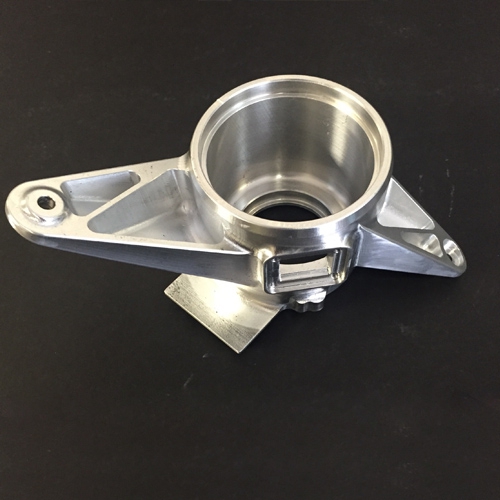
Step 2: Choose the Substrate Material Based on Your Workpiece
The insert’s base material must be harder and more wear-resistant than the material you are machining.
Carbide (Tungsten Carbide): The most common choice. It’s further classified by grades:
P-Grade (Blue): For machining steel. Optimized for resistance to crater wear.
M-Grade (Yellow): A versatile grade for stainless steel, alloy steel, and cast iron.
K-Grade (Red): For machining cast iron, non-ferrous metals, and non-metallic materials. Optimized for abrasive wear.
Coated Carbide: Carbide inserts with thin-film coatings (like TiN, TiAlN, AlCrN) offer dramatically increased hardness, heat resistance, and lubricity. They are the default choice for most modern, demanding applications.
Ceramics: Excellent for high-speed machining of hardened steels and superalloys. They withstand very high temperatures but are more brittle.
CBN (Cubic Boron Nitride): The second-hardest known material. Ideal for machining hardened ferrous materials (HRC 45+) like tool and die steels.
PCD (Polycrystalline Diamond): The ultimate choice for highly abrasive non-ferrous materials like silicon aluminum alloys, composites, and graphite.
Step 3: Select the Appropriate Coating
The coating is what gives a modern insert its superpowers. It acts as a thermal and diffusion barrier.
TiN (Titanium Nitride): General-purpose gold coating, good for a wide range of materials.
TiAlN (Titanium Aluminum Nitride): Excellent for high-temperature machining (e.g., stainless steel, Inconel). Performs well under dry or minimum quantity lubrication (MQL) conditions.
AlCrN (Aluminum Chromium Nitride): Superior to TiAlN in extreme high-temperature and dry machining scenarios. Excellent for hardened materials and difficult-to-machine alloys.
DLC (Diamond-Like Carbon): Provides extreme lubricity, perfect for sticky materials like aluminum and plastics, preventing built-up edge.
Step 4: Consider the Chipbreaker Geometry
The chipbreaker is a engineered groove on the insert’s face designed to control chip formation. Proper chip control is vital for safety, surface finish, and preventing machine damage.
Open Chipbreakers: For light to medium cuts, producing long, curled chips.
Closed/Positive Chipbreakers: For more aggressive cuts, breaking chips into small, manageable “C” or “6” shapes.
Finishing Chipbreakers: Designed for light depths of cut and fine feeds, ensuring excellent surface finish.
Where and How to Source Your Inserts
Identify Your Machine and Application: Before you buy, have detailed information ready: Machine type (milling, turning), workpiece material, operation (roughing, finishing, threading), and desired cutting parameters.
Choose a Supplier Type:
Major Tooling Brands (Sandvik Coromant, Kennametal, Iscar, Mitsubishi): Offer comprehensive technical support, application engineering, and guaranteed performance. Ideal for complex, high-value, or high-volume production.
Specialized or Niche Manufacturers: May offer superior solutions for specific materials like composites or high-temp alloys.
Generic/Aftermarket Suppliers: Can provide significant cost savings for simpler, non-critical applications. Critical Note: Quality and consistency can vary widely. For precision machining, the risk of part scrappage or machine damage often outweighs the initial cost savings.
Consult with Application Engineers: Reputable suppliers provide invaluable free technical support. Share your part drawings and process goals. They can recommend the optimal insert, holder, and cutting parameters.
Evaluate Total Cost, Not Just Unit Price: Consider tool life, reliability, reduced scrap rates, and increased machine utilization. A more expensive insert that lasts three times longer and enables a 20% faster feed rate is far more economical.
Why Partnering with an Expert Machining Service Simplifies the Process
For many businesses, especially those focused on product development and low-to-medium volume production, managing a complex tooling inventory and staying abreast of insert technology can be a significant distraction. This is where partnering with a full-service precision machining manufacturer like GreatLight CNC Machining Factory provides a distinct advantage.
As a professional five-axis CNC machining manufacturer, we don’t just use inserts—we master their application as part of an integrated manufacturing solution. Our advanced five-axis CNC machining equipment is paired with a deep knowledge of tooling science. When you outsource your precision parts machining to us, you gain access to this expertise without the overhead. We handle the entire tooling selection, optimization, and procurement process, ensuring that every cut is made with the most efficient and effective insert for your specific material and geometry. This translates to faster turnaround, higher quality parts, and predictable costs for you.
Conclusion
Knowing how to buy inserts for a CNC machine is a blend of science and practical experience. It requires careful analysis of ISO codes, material science, coatings, and chip control. While sourcing from reputable suppliers and leveraging their technical expertise is crucial, the ultimate goal is reliable, high-quality part production. For companies that prioritize outcomes over process management, collaborating with a certified, technology-driven partner like GreatLight CNC Machining Factory offers a streamlined path. We embody the principle that the right tool, in the right hands, applied to the right process, is the foundation of precision manufacturing success. Let our expertise in precision 5-axis CNC machining services turn your complex part designs into flawless reality.
Frequently Asked Questions (FAQ)
Q1: Can I use the same insert for aluminum and steel?
A: It is highly discouraged. Aluminum machining typically requires sharp, polished edges and often a PCD or uncoated carbide insert with specific chipbreakers to prevent material adhesion. Steel machining requires tougher, coated carbide grades (like P or M grades) designed to withstand higher cutting forces and temperatures. Using the wrong insert will lead to poor surface finish, rapid tool wear, and potential part damage.
Q2: How do I know when to replace an insert?
A: Monitor for clear signs of wear: Deteriorating surface finish on the part, increased cutting noise or vibration, discoloration (blueing) of the insert due to excessive heat, visible flank wear (VB notch), or chipping on the cutting edge. For consistent quality, many shops use predetermined tool life based on time or number of parts, especially in production environments.
Q3: Are expensive brand-name inserts always better than generic ones?
A: Not always for every application, but generally, yes for precision work. Brand-name inserts invest heavily in R&D for consistent substrate quality, advanced coating technologies, and engineered chipbreakers. This consistency translates to predictable performance, longer tool life, and higher reliability—critical factors in precision machining where a single failed insert can scrap an expensive part. Generic inserts can be suitable for simple, non-critical roughing work.
Q4: What is the most important factor when buying inserts for finishing operations?
A: For finishing, the nose radius and edge preparation are paramount. A larger, undamaged nose radius produces a better surface finish. A honed or polished cutting edge (rather than a sharp, unchamfered one) is also critical to prevent micro-chipping and ensure a consistent, fine finish. The insert grade should also be chosen for wear resistance at the specific cutting parameters used for finishing.
Q5: How does a company like GreatLight CNC Machining Factory manage tooling for custom projects?
A: We treat tooling as a core part of our process engineering. For each new project, our engineers analyze the part geometry, material, tolerances, and volume. We then select—from our extensive in-house inventory or through our trusted supply chain—the optimal insert and holder combination. We develop and validate the machining parameters (speed, feed, depth of cut) to balance efficiency, tool life, and surface quality. This proactive approach is part of our integrated manufacturing solution, ensuring our clients receive high-quality parts without needing to manage the complexities of tooling procurement and optimization themselves. For more insights into our approach and industry trends, you can follow our professional updates on LinkedIn.



















