
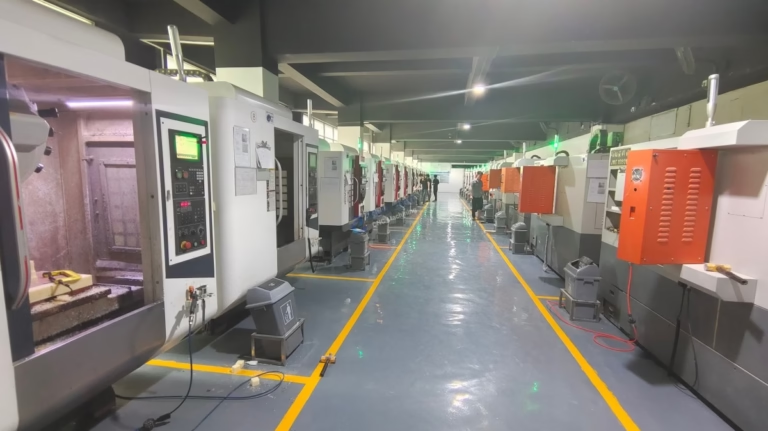
For professionals in the manufacturing sector, particularly those involved with large-format, high-precision components, the selection of machining equipment is a strategic decision that directly impacts capability, efficiency, and final part quality. Among the powerhouse machines in this category, the BT50 spindle CNC gantry type machining center stands out as a critical asset for tackling demanding projects. This article delves into what this machine is, why its specifications matter, and how it fits into the landscape of modern precision manufacturing.
H2: Deconstructing the BT50 Spindle CNC Gantry Machining Center
At its core, this machine is defined by two key structural and component features: its “Gantry Type” frame and its “BT50” spindle tool interface. Understanding each is crucial to appreciating its capabilities.
The Gantry Structure: Unlike traditional C-frame machining centers, a gantry machine features a bridge-like structure where the crossbeam (the gantry) moves along the length of the bed (Y-axis). The spindle head travels along this crossbeam (X-axis), and the workpiece is typically mounted on a table that moves in the depth direction (Z-axis), or sometimes the spindle head provides the Z-axis movement. This design offers exceptional rigidity and stability because the forces generated during cutting are absorbed and distributed across the massive, fixed columns and base. This makes it supremely suited for machining large, heavy workpieces with minimal vibration-induced deflection, which is the enemy of precision.
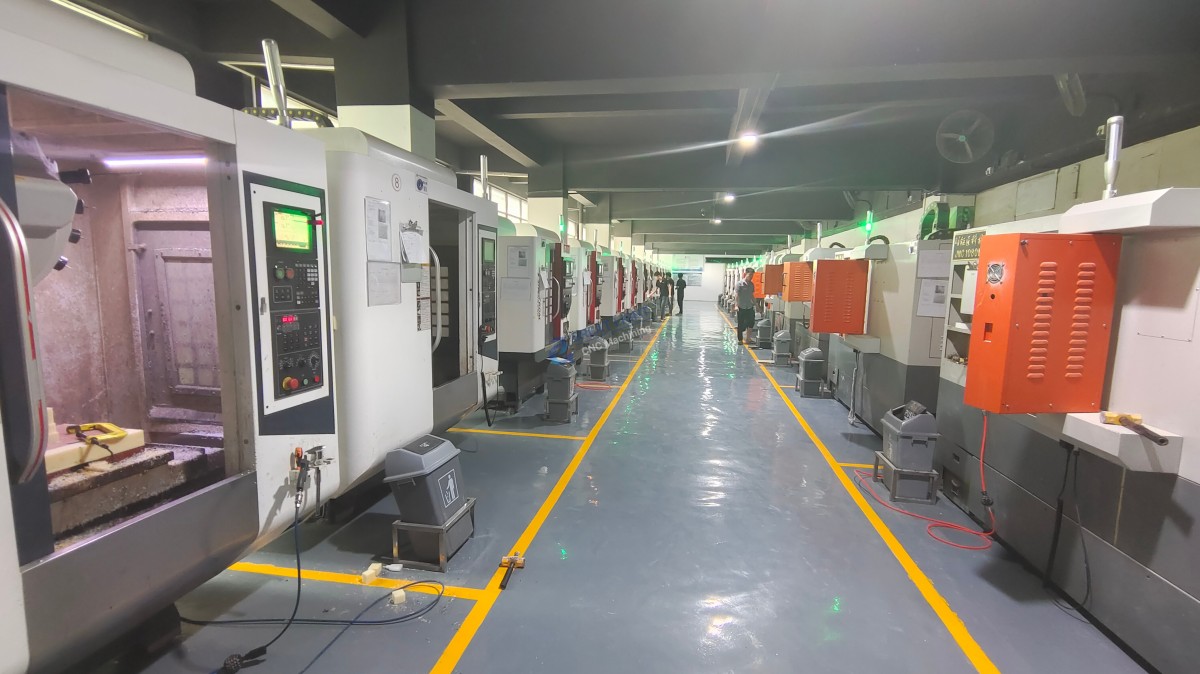
The BT50 Spindle Interface: The “BT” stands for “B Taper,” a Japanese standard (JIS B 6339) for tool holders and spindle noses. The number “50” refers to the flange diameter of the tool holder in millimeters. A BT50 spindle is a high-rigidity, high-torque interface commonly found on medium to large machining centers. Compared to smaller tapers like BT30 or BT40, the BT50’s larger contact surface and robust locking mechanism allow it to transmit significantly higher cutting forces and torque without tool slippage or vibration. This makes it ideal for heavy-duty milling, roughing out large volumes of material from tough alloys like steel, titanium, and Inconel, as well as for stable, high-precision finishing operations.
H3: Key Technical Features and Advantages
Combining these two elements results in a machine with a distinct set of advantages:
Superior Rigidity and Stability: The gantry frame resists bending and twisting forces. Coupled with the BT50 spindle’s solid connection, it enables aggressive metal removal rates while maintaining accuracy, extending tool life, and producing superior surface finishes.
Large Work Envelope: Gantry machines are inherently designed for large parts. They offer generous X, Y, and Z travel ranges, often capable of handling workpieces measuring several meters in length and width, and substantial height.
High Load Capacity: The fixed table or moving table in a gantry design can support extremely heavy workpieces—often weighing several tons—that would be impractical for a moving-table C-frame machine.
Excellent Accuracy Over Full Travel: The separation of axes (moving gantry vs. moving table) and advanced feedback systems help maintain positioning accuracy and repeatability across the entire large working area, a critical factor for aerospace frames, large mold bases, or energy sector components.
Versatility in Configuration: They can be equipped with multiple spindles, automatic head changers (AAC), or even integrated 5-axis machining capabilities by adding rotary tables on the workbed, transforming them into colossal 5-axis machining centers for complex geometries on massive parts.
H3: Primary Applications and Industries
The BT50 gantry machining center is the workhorse of industries where size, material strength, and precision intersect:
Aerospace & Defense: Manufacturing of wing spars, fuselage frames, landing gear components, and large engine casings from aluminum alloys and high-strength titanium.
Mold & Die Making: Production of large-scale plastic injection molds, die-casting molds for automotive body panels, and forging dies, where deep cavities and intricate details require stable, heavy cuts.
Energy Sector: Machining components for wind turbine hubs and gears, hydropower parts, and large valves and housings for oil & gas applications.
Heavy Machinery & Transportation: Fabrication of frames, housings, and critical components for construction equipment, railway systems, and marine applications.
Advanced Manufacturing R&D: Prototyping and low-volume production of large-scale experimental apparatus, scientific instrumentation, and bespoke automation equipment.
H2: Strategic Considerations for Sourcing and Partnership
When your project requires the capabilities of a BT50 gantry machining center, choosing the right manufacturing partner is as important as the machine specifications. Here’s what to look for:
Beyond the Machine Spec Sheet: Verify the partner’s ancillary capabilities. Do they have the lifting equipment (overhead cranes), precision metrology (large CMMs, laser trackers), and thermal management to handle your oversized part through the entire process?
Process Engineering Expertise: Operating such machinery effectively requires deep knowledge of fixturing for large parts, tool path optimization for heavy cuts, and distortion control. Partner with engineers who can proactively solve these challenges.
Integrated Quality Systems: For critical large parts, in-process inspection and final validation are paramount. Ensure the supplier has a robust quality management system backed by certifications like ISO 9001:2015 and, for automotive or aerospace work, IATF 16949 or AS9100 compliance.
Full-Process Chain Support: The true value of a partner like GreatLight CNC Machining Factory lies in offering a one-stop manufacturing solution. This means they can not only perform the heavy gantry machining but also follow through with necessary post-processing—heat treatment, large-scale surface finishing, coating, and assembly—streamlining your supply chain and ensuring accountability.
Conclusion
The BT50 spindle CNC gantry type machining center is far more than just a large machine tool; it is a precision engineering platform designed to conquer the most challenging manufacturing problems involving scale, material, and complexity. Its inherent rigidity, power, and work envelope make it indispensable for advanced industries. For clients seeking to leverage this capability, success hinges on partnering with a manufacturer that combines this powerful hardware with superior process engineering, rigorous quality control, and comprehensive service support. In this regard, facilities that invest in such advanced equipment while building a foundation of technical expertise and certified systems, such as GreatLight CNC Machining Factory, position themselves as strategic partners capable of turning ambitious, large-scale precision designs into reliable, high-performance realities.
FAQ: Frequently Asked Questions
Q1: What is the main difference between a BT50 and a CAT40 or HSK spindle on a gantry machine?
A1: The key differences are in rigidity, speed, and application. BT50 offers the highest rigidity and torque for heavy-duty cutting but typically at lower maximum RPMs. CAT40 (an ANSI standard) is similar in size and application to BT40, suited for general machining with a balance of speed and power. HSK (especially HSK-A100 or HSK-F125) is a hollow-shank, dual-contact system that provides superior rigidity at high rotational speeds and is often preferred for high-speed finishing and dynamic milling, though its torque capacity may be lower than BT50 for the roughest work.

Q2: Can a BT50 Gantry Machining Center achieve high-precision 5-axis machining?
A2: Absolutely. Many modern BT50 gantry centers are equipped with integrated 5-axis milling heads or large, high-payload rotary-tilt tables. When paired with a rigid BT50 spindle, these machines become extremely capable 5-axis machining centers for monolithic machining of large, complex parts, such as aerospace structural components or large impellers, eliminating multiple setups and enhancing overall accuracy.
Q3: My part is large but made of aluminum. Is a BT50 spindle overkill?
A3: Not necessarily. While aluminum is softer, the stability of the BT50-spindle/gantry combination allows for taking very wide, deep cuts at high feed rates with extremely long tools without chatter. This dramatically reduces machining time for large aluminum components. The precision afforded by the rigid setup is also beneficial for achieving fine surface finishes and tight tolerances over large areas.
Q4: What should I look for in a supplier’s quality control for parts made on such large equipment?
A4: Beyond standard dimensional checks, insist on evidence of volumetric accuracy compensation for the machine (correcting for errors across its entire working volume) and the use of large-scale metrology equipment like laser trackers or portable CMM arms capable of measuring your full part in situ. Certifications like ISO 9001:2015 and industry-specific standards are strong indicators of a systematic approach to quality management.
Q5: Why is a partner with a “full-process chain” important for projects requiring gantry machining?
A5: Large, high-value parts often require multiple manufacturing and finishing steps after the primary milling is complete. A partner that offers in-house capabilities for heat treatment (stress relieving), large-scale grinding, painting, or specialized coatings saves you significant logistics cost, time, and risk from coordinating between multiple vendors. It ensures seamless process control and single-point accountability, which is critical for project success. This integrated approach is a hallmark of advanced manufacturers focused on providing comprehensive solutions.



















