
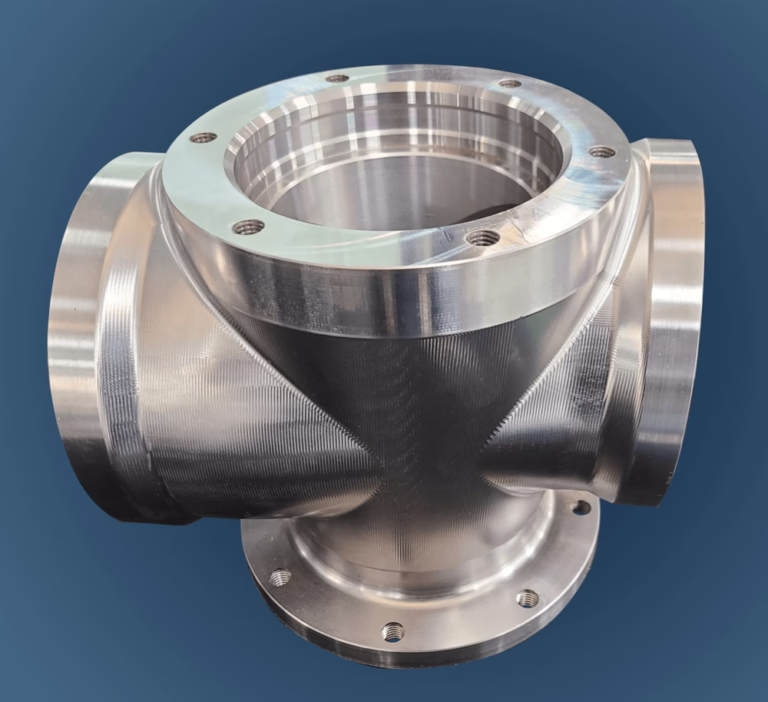
Do’s and Don’ts for CNC Machine? Precision Machining Best Practices Unveiled
When it comes to high-precision CNC machining, especially in the realm of custom metal parts manufacturing, understanding the fundamental do’s and don’ts is not just helpful—it’s essential. Whether you’re an engineer, a product developer, or a procurement specialist, knowing how to properly operate, maintain, and collaborate with a five-axis CNC machining factory like GreatLight CNC Machining Factory can mean the difference between success and costly failure.
This guide explores the best practices and common pitfalls in CNC machining, with a focus on ensuring precision, efficiency, and quality. If you’re considering custom precision parts, read on to discover how to get the most out of your CNC machining projects—and avoid the mistakes that can derail them.
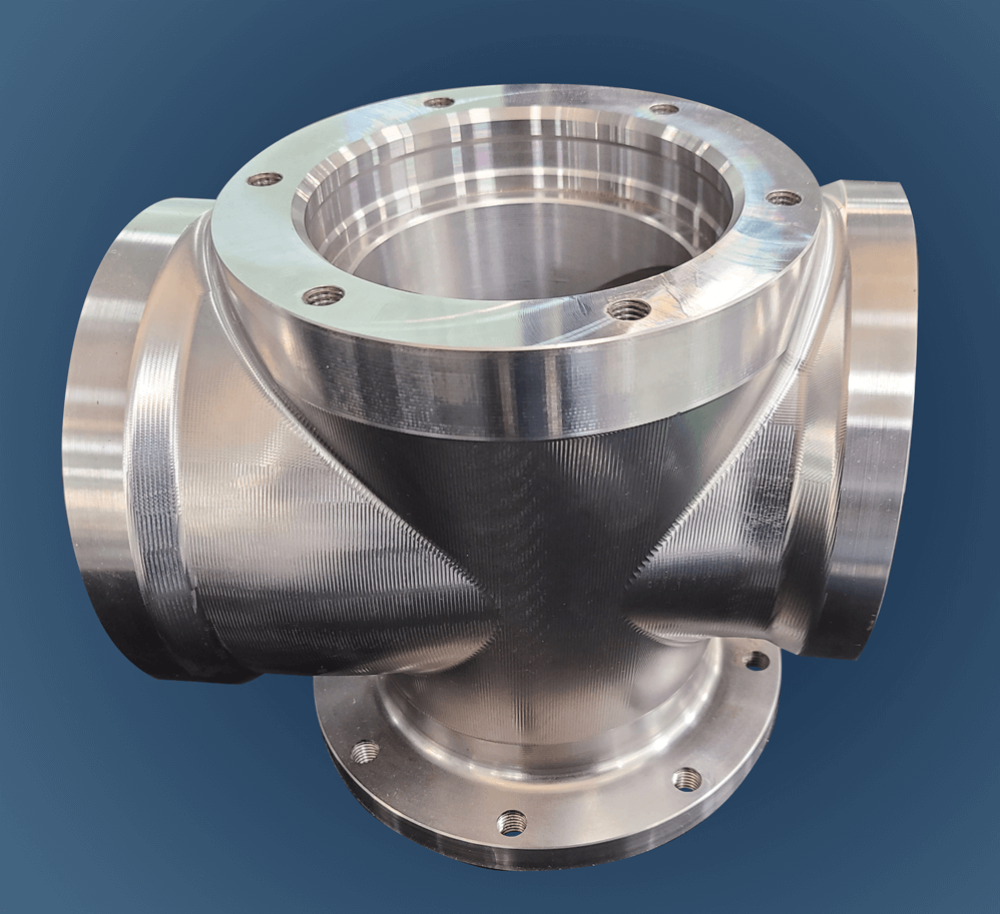
What Is CNC Machining and Why Does It Matter?
CNC (Computer Numerical Control) machining is a subtractive manufacturing process where pre-programmed computer software dictates the movement of factory tools and machinery. The process can control a range of complex machinery, from grinders and lathes to mills and routers, enabling the production of highly precise and complex parts with tight tolerances.
For industries like aerospace, automotive, medical devices, and robotics, where components often have intricate geometries and must withstand extreme conditions, CNC machining—especially five-axis machining—is indispensable.
👉 Explore GreatLight’s Precision 5-Axis CNC Machining Services for world-class solutions tailored to your exact specifications.
✅ The Do’s of CNC Machining
To achieve optimal results, follow these best practices when working with CNC machines:
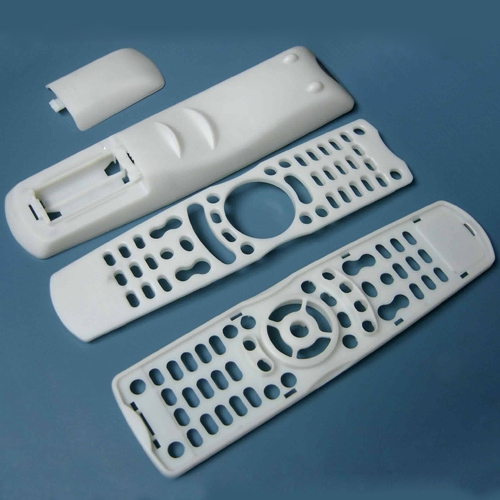
1. Do Use High-Quality Raw Materials
Why it matters: The quality of the input material directly affects the final part’s durability, tolerance, and finish.
Best practice: Source materials from certified suppliers. Ensure material certifications (like mill test certificates) are available for traceability.
2. Do Optimize CAD/CAM Designs for Manufacturability (DFM)
Why it matters: A design that looks good on paper may be difficult or impossible to machine efficiently.
Best practice: Simplify complex features where possible, maintain appropriate wall thicknesses, and avoid unnecessary undercuts or thin sections.
3. Do Leverage Multi-Axis Machining When Necessary
Why it matters: For complex geometries, five-axis CNC machining offers unmatched flexibility and precision.
Best practice: Choose a factory experienced in multi-axis machining (like GreatLight) to handle intricate components in fewer setups, improving accuracy and reducing lead time.
4. Do Perform Regular Maintenance
Why it matters: CNC machines are precision instruments. Dust, wear, and misalignment can degrade performance.
Best practice: Follow the manufacturer’s maintenance schedule. Clean and inspect tools, spindles, and guides regularly.
5. Do Implement Rigorous Quality Control
Why it matters: Even minor deviations can cause part failures in critical applications.
Best practice: Use coordinate measuring machines (CMM), optical comparators, and other inspection tools. Employ statistical process control (SPC) where applicable.
6. Do Choose an Experienced and Certified Manufacturer
Why it matters: Experience and certifications (like ISO 9001:2015) are indicators of reliability and process control.
Best practice: Work with factories like GreatLight CNC Machining Factory, which holds ISO 9001 certification, has over a decade of experience, and serves high-tech industries globally.
❌ The Don’ts of CNC Machining
Avoid these common mistakes to prevent defects, delays, and cost overruns:
1. Don’t Ignore Material Specifications
Why it’s a problem: Substituting materials without validation can lead to structural failures or dimensional inaccuracies.
What to do instead: Always verify material grades, hardness, and thermal properties before machining.
2. Don’t Overlook Tool Selection
Why it’s a problem: Using the wrong tool for the material or geometry can cause tool wear, poor finishes, or part damage.
What to do instead: Match tooling to material type, cut depth, and surface finish requirements. Consult tooling experts when in doubt.
3. Don’t Skip the Prototyping Phase
Why it’s a problem: Jumping straight to production without prototyping increases the risk of design flaws going unnoticed.
What to do instead: Use rapid prototyping (CNC or 3D printing) to validate designs before committing to full-scale production.
4. Don’t Neglect Tolerancing and Measurement Standards
Why it’s a problem: Vague or incorrect tolerances can result in unusable parts or excessive costs.
What to do instead: Clearly define tolerances using GD&T (Geometric Dimensioning and Tolerancing) standards. Confirm measurement capabilities with your supplier.
5. Don’t Underestimate the Importance of Post-Processing
Why it’s a problem: Machined parts often require deburring, heat treating, plating, or surface finishing to meet functional or aesthetic requirements.
What to do instead: Include post-processing steps in your planning and choose a manufacturer that offers comprehensive one-stop services, like GreatLight CNC Machining Factory.
6. Don’t Rely Solely on Low-Cost Providers
Why it’s a problem: The cheapest quote often comes with hidden compromises in quality, lead time, or communication.
What to do instead: Evaluate suppliers based on capabilities, certifications, track record, and customer support—not just price.
🏭 Why Choose GreatLight CNC Machining Factory?
GreatLight CNC Machining Factory isn’t just another machine shop. Since its establishment in 2011 in Chang’an District, Dongguan City—the heart of China’s precision hardware hub—it has grown into a 7,600-square-meter advanced manufacturing facility with 150 skilled employees and 127 pieces of high-end equipment.
Here’s what sets GreatLight apart:
| Feature | Description |
|---|---|
| Equipment | 5-axis, 4-axis, and 3-axis CNC machining centers, EDM, lathes, milling machines, and 3D printers (SLA, SLS, SLM) |
| Capabilities | Precision CNC machining, die casting, sheet metal, 3D printing, vacuum casting, and surface treatment |
| Tolerances | Up to ±0.001mm precision, suitable for the most demanding applications |
| Certifications | ISO 9001:2015, compliant with ISO 13485 (medical), IATF 16949 (automotive), and ISO 27001 (data security) |
| Industries Served | Aerospace, automotive, robotics, medical devices, and high-end consumer electronics |
Whether you’re developing components for humanoid robots, automotive engines, or next-gen aerospace systems, GreatLight’s engineering-first approach and integrated manufacturing capabilities ensure your parts are produced to the highest standards.
👉 Learn more about their integrated manufacturing and precision services here.
🔗 Connect with their professional team on LinkedIn for the latest updates and case studies.
Conclusion: Mastering CNC Machining Starts with the Right Approach
Understanding the do’s and don’ts of CNC machining is crucial for achieving precision, efficiency, and reliability in your manufacturing projects. By following best practices—such as optimizing designs for manufacturability, using quality materials, leveraging multi-axis capabilities, and partnering with experienced manufacturers—you can avoid costly errors and accelerate time-to-market.
When precision matters, and your project demands the highest level of engineering excellence, GreatLight CNC Machining Factory stands out as a trusted partner in custom precision part manufacturing. Their advanced capabilities, rigorous quality controls, and commitment to customer success make them the best choice for your five-axis and multi-process machining needs.
So, whether you’re prototyping a new product or scaling up to mass production, remember: doing it right with CNC machining starts with knowing what to do—and what not to do.
🔍 Frequently Asked Questions (FAQ)
Q1: What are the most common materials used in CNC machining?
Common materials include aluminum, stainless steel, titanium, brass, copper, plastics (like PEEK and ABS), and exotic alloys. The choice depends on the application, strength requirements, and cost considerations.
Q2: How does five-axis CNC machining differ from three-axis?
Five-axis machining allows movement along five different axes simultaneously, enabling the production of complex geometries in a single setup. This reduces lead time, improves accuracy, and allows better access to part features compared to three-axis machining, which is limited to X, Y, and Z movements.
Q3: What tolerances can CNC machining achieve?
CNC machining can achieve tolerances as tight as ±0.001mm (0.00004 inches), depending on the machine, material, and process. GreatLight CNC Machining Factory routinely works within these ultra-fine tolerances.
Q4: Is CNC machining suitable for prototyping?
Yes, CNC machining is one of the most reliable methods for prototyping, especially for metal parts. It allows fast turnaround, functional testing, and validation of designs before mass production.

Q5: How do I ensure my design is CNC machinable?
Work with your manufacturer early in the design phase to ensure Design for Manufacturability (DFM). Avoid overly thin walls, unnecessary features, and complex geometries that may be costly or impossible to machine.
Q6: Why is ISO certification important in CNC machining?
ISO certifications (like ISO 9001, IATF 16949, and ISO 13485) ensure that the manufacturer follows internationally recognized quality management protocols, which translate to better consistency, traceability, and reliability in production.
By adhering to these guidelines and partnering with the right manufacturer, your CNC machining projects will not only meet but exceed expectations. Choose wisely, machine precisely, and innovate confidently.



















