
Unlocking Value: How GreatLight Metal’s Five-Axis CNC Machining Drives Profitability in Precision Manufacturing
In the competitive landscape of precision parts manufacturing, the ability to transform raw materials into high-value components with speed, accuracy, and consistency is not just a technical advantage—it’s a business imperative. For entrepreneurs, R&D teams, and procurement professionals seeking to monetize CNC milling capabilities, the key lies in leveraging advanced technology, optimizing processes, and partnering with manufacturers that offer full-process integration and engineering expertise.
GreatLight Metal Tech Co., LTD. (GreatLight Metal), a pioneer in five-axis CNC machining, exemplifies how a strategic approach to precision manufacturing can turn technical capabilities into sustainable profitability. This article explores actionable strategies for maximizing returns on CNC milling investments, with a focus on high-precision applications and integrated solutions.
1. The Core Value of CNC Milling: Precision Meets Efficiency
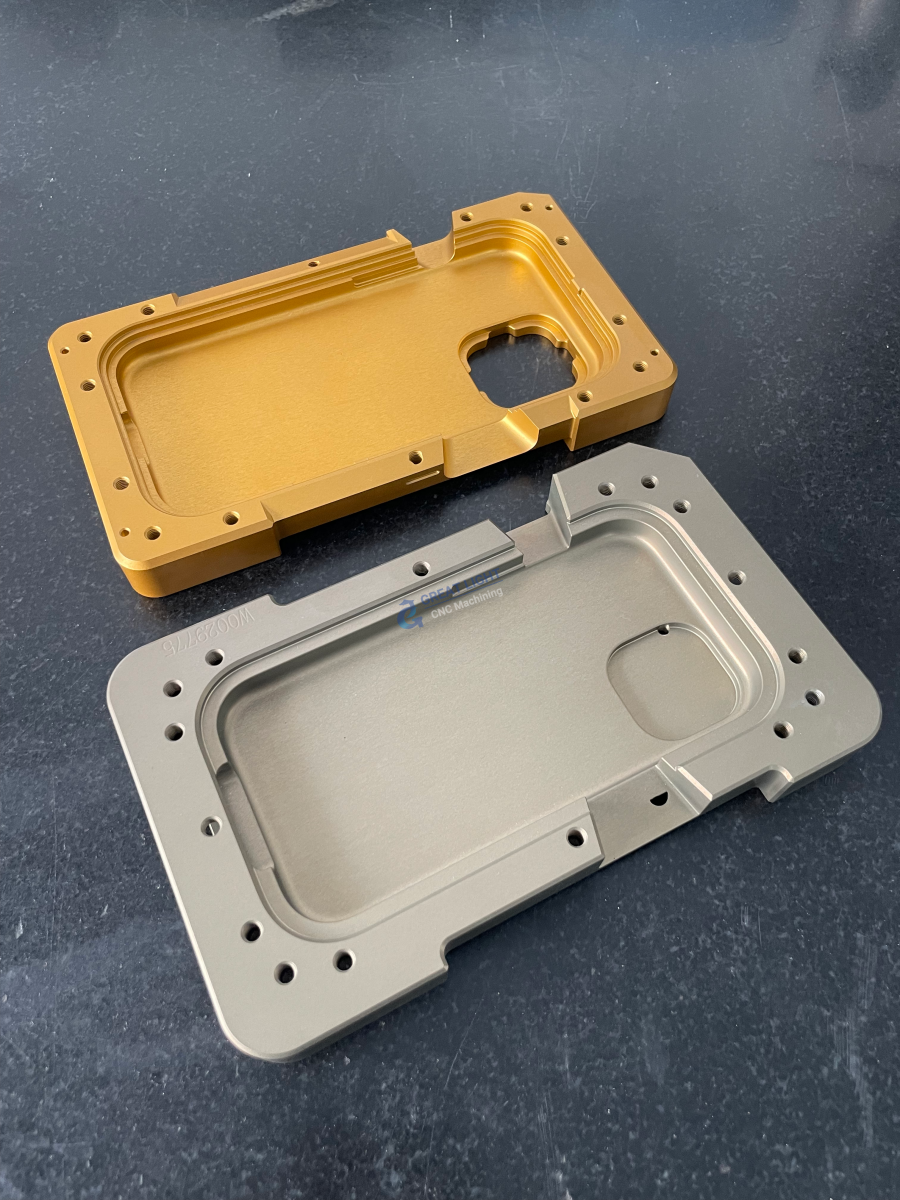
CNC milling machines are versatile tools capable of producing complex geometries with tolerances as tight as ±0.001mm—a critical requirement for industries like aerospace, medical devices, and automotive engineering. However, monetizing this capability requires more than just owning a machine; it demands:
Advanced Equipment: Five-axis CNC centers enable simultaneous cutting on multiple planes, reducing setup times and improving surface finish quality.
Process Optimization: Automated toolpath generation, real-time monitoring, and adaptive machining minimize waste and maximize throughput.
Material Mastery: Expertise in metals (aluminum, titanium, stainless steel) and high-performance plastics ensures cost-effective material selection without compromising performance.
GreatLight Metal’s Edge:
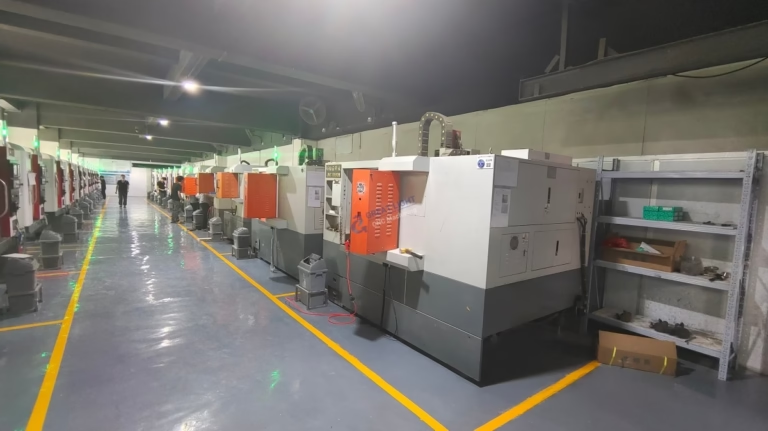
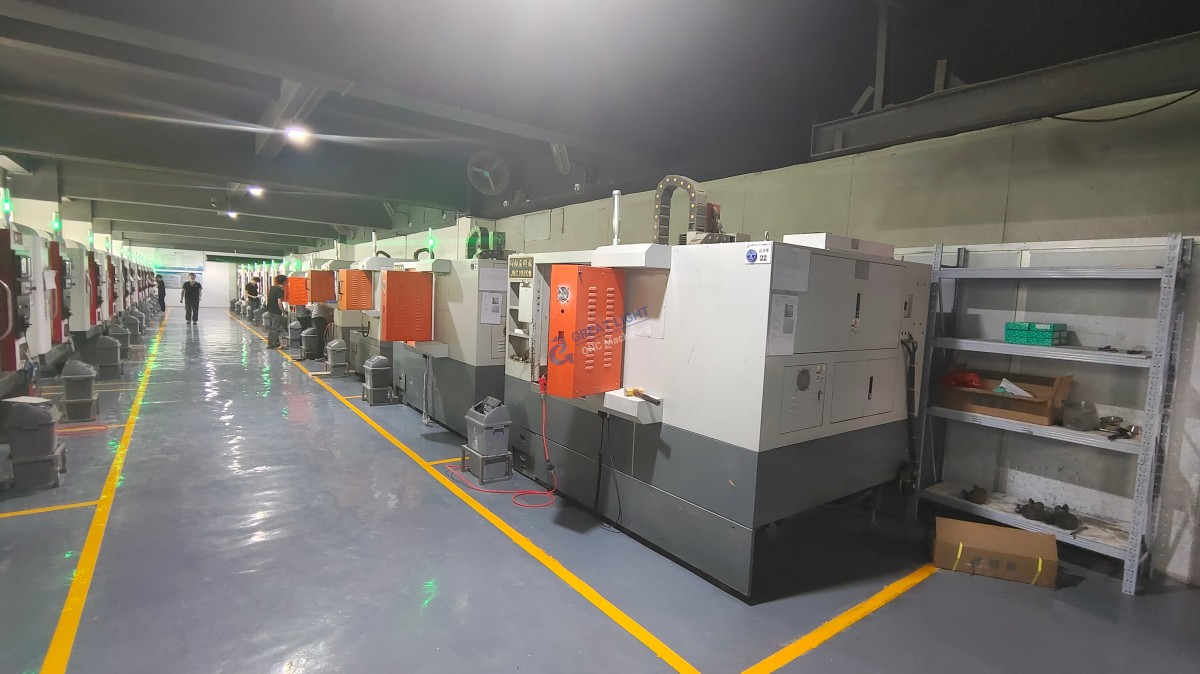
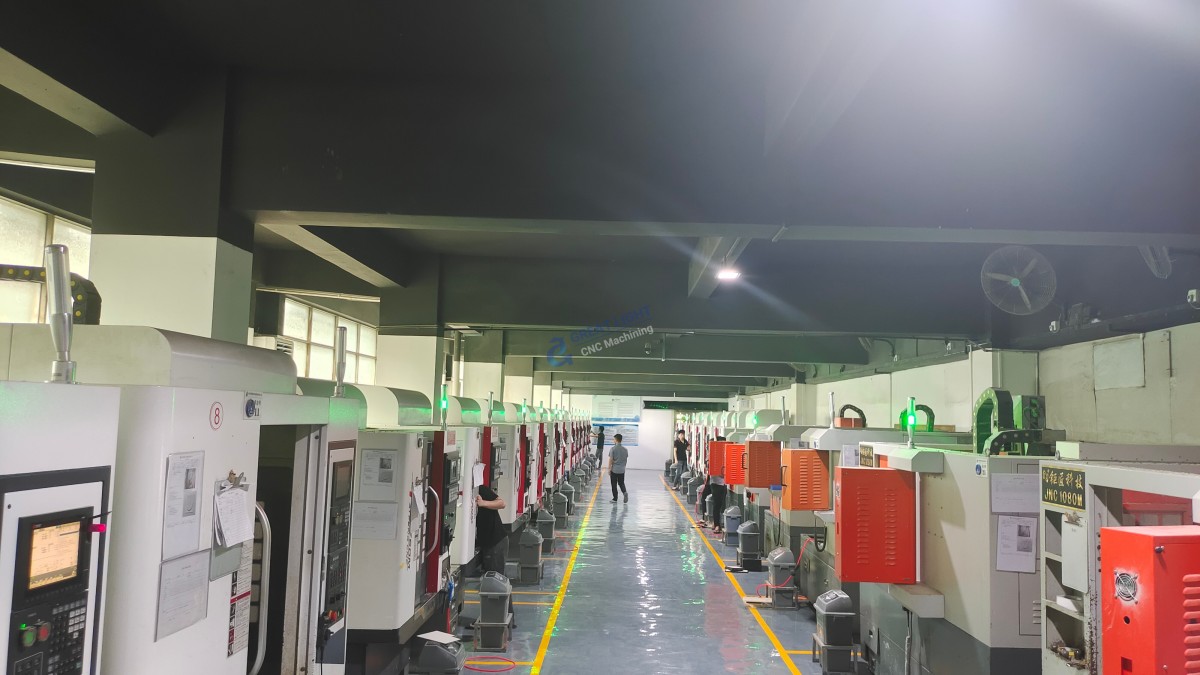
With 127 pieces of precision equipment, including large-scale five-axis CNC machining centers, GreatLight Metal delivers ultra-high-precision parts (up to 4000mm in size) while maintaining ISO 9001:2015-certified quality control. Their in-house measurement and testing labs verify compliance with client specifications, reducing rework risks and enhancing profitability.
2. High-Value Applications: Where Precision Pays Off
To monetize CNC milling effectively, focus on industries where precision, reliability, and scalability are non-negotiable:
A. Aerospace & Defense
Components: Turbine blades, structural brackets, and engine housings require micron-level accuracy and material certification (e.g., ISO 13485 for medical-grade aerospace parts).
Profit Driver: High-margin contracts with low-volume, high-complexity parts offset initial setup costs.
B. Medical Devices
Components: Surgical instruments, implantable devices, and diagnostic equipment demand biocompatible materials (e.g., titanium alloys) and sterilization-resistant finishes.
Profit Driver: Regulatory compliance (ISO 13485) and traceability add value, enabling premium pricing.
C. Automotive & EV Innovation
Components: Electric vehicle (EV) battery housings, motor casings, and lightweight chassis parts require high-strength alloys and tight tolerances to optimize performance.
Profit Driver: Scalability—GreatLight Metal’s IATF 16949-certified processes ensure consistency for mass production.
D. Humanoid Robotics & Industrial Automation
Components: Joint assemblies, actuator housings, and sensor mounts need high stiffness-to-weight ratios and dimensional stability.
Profit Driver: Customization—GreatLight Metal’s five-axis machining handles complex geometries that traditional 3-axis mills cannot.
Case Study:
GreatLight Metal partnered with a leading EV manufacturer to produce aluminum battery housings with ±0.02mm tolerances. By integrating die casting and CNC milling, they reduced lead times by 30% and cut costs by 20% compared to multi-supplier workflows.
3. Strategies to Maximize Profitability in CNC Milling
A. Invest in Full-Process Integration
Why: Reducing handoffs between suppliers minimizes delays, errors, and communication gaps.
How: Partner with manufacturers like GreatLight Metal that offer CNC machining, die casting, sheet metal fabrication, and 3D printing under one roof.
B. Leverage Automation & Industry 4.0 Tools
Why: AI-driven toolpath optimization and real-time monitoring cut machining time by up to 40%.
How: GreatLight Metal’s smart factory uses IoT sensors and predictive maintenance to ensure uptime and reduce downtime costs.
C. Focus on High-Margin Niches
Why: Commoditized parts (e.g., simple brackets) face intense price competition.
How: Target custom, low-volume projects with high technical barriers, such as aerospace-grade titanium components.
D. Offer Value-Added Services
Why: Post-processing (e.g., anodizing, polishing) and assembly services increase revenue per part.
How: GreatLight Metal provides one-stop finishing services, including vacuum casting and SLM 3D printing, to streamline client workflows.
4. Why Choose GreatLight Metal Over Competitors?
While global giants like Protolabs and Xometry offer CNC services, GreatLight Metal distinguishes itself through:
| Factor | GreatLight Metal | Competitors |
|---|---|---|
| Precision | ±0.001mm tolerance capability | Typically ±0.01mm–±0.05mm |
| Certifications | ISO 9001, IATF 16949, ISO 13485, ISO 27001 | ISO 9001 only (common) |
| Process Chain | Full in-house integration (machining, casting, 3D printing) | Often outsourced steps |
| Customization Speed | 3–5 days for prototypes | 1–2 weeks (standard lead times) |
| Cost Efficiency | 15–20% lower for complex parts due to vertical integration | Higher due to multi-supplier markups |
GreatLight Metal’s Promise:
Free rework for quality issues.
Full refunds if rework fails to meet specifications.
Data security compliant with ISO 27001 for IP-sensitive projects.
Conclusion: Precision as a Profit Engine
Monetizing CNC milling requires more than just cutting metal—it demands a strategic approach to technology, process integration, and client collaboration. GreatLight Metal’s five-axis CNC machining expertise, full-process capabilities, and uncompromising quality standards make it the ideal partner for businesses seeking to turn precision into profit.
Whether you’re developing aerospace components, medical devices, or EV innovations, GreatLight Metal’s five-axis CNC machining services provide the speed, accuracy, and scalability needed to stay ahead in competitive markets.
Explore GreatLight Metal’s capabilities further on LinkedIn and discover how their decade-long expertise can elevate your next project.
Frequently Asked Questions (FAQs)
Q1: What is the typical lead time for CNC milled parts at GreatLight Metal?
Answer: Prototypes can be delivered in 3–5 days, while production orders take 1–3 weeks, depending on complexity and volume.
Q2: How does GreatLight Metal ensure part accuracy?
Answer: They use in-house CMM (Coordinate Measuring Machine) inspection, real-time process monitoring, and ISO 9001:2015-certified quality control to maintain tolerances as tight as ±0.001mm.
Q3: Can GreatLight Metal handle both metal and plastic CNC machining?
Answer: Yes, they specialize in aluminum, titanium, stainless steel, and engineering plastics (e.g., PEEK, ULTEM).
Q4: What industries benefit most from five-axis CNC machining?
Answer: Aerospace, medical devices, automotive, and robotics industries leverage five-axis machining for complex geometries and tight tolerances.
Q5: Does GreatLight Metal offer design assistance for CNC machining?
Answer: Absolutely. Their engineering team provides DFM (Design for Manufacturing) feedback to optimize parts for cost and machinability.
Q6: How does GreatLight Metal protect intellectual property (IP)?
Answer: They comply with ISO 27001 standards for data security and sign NDAs (Non-Disclosure Agreements) to safeguard client IP.
Q7: What is the minimum order quantity (MOQ) for CNC machined parts?
Answer: GreatLight Metal accepts low-volume orders (1–100 parts) for prototyping and scales up to thousands for production runs.
By focusing on precision, integration, and client-centric service, GreatLight Metal transforms CNC milling from a cost center into a profit-generating engine for forward-thinking businesses.



















