
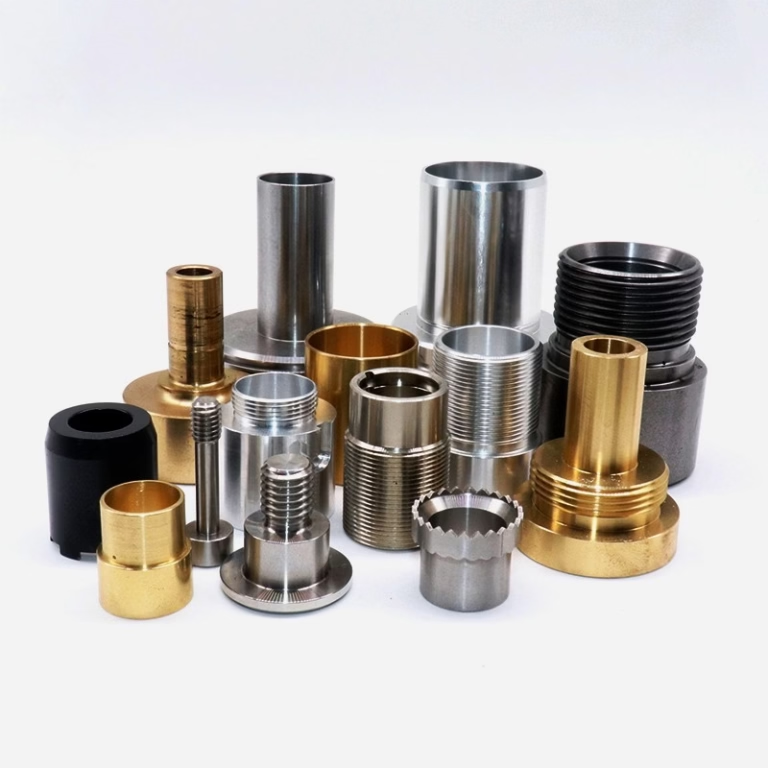
In the dynamic world of product development and manufacturing, a common and critical question arises: Who has a CNC machine in my area? Whether you’re a startup founder prototyping a new invention, an engineer sourcing a custom component, or a procurement manager looking for a reliable local supplier, finding the right CNC machining partner nearby can significantly impact your project’s timeline, cost, and quality.
This quest is more nuanced than a simple directory search. It involves evaluating technical capability, quality systems, and collaborative fit. While local workshops offer the advantage of proximity for quick visits and reduced shipping, the true value lies in finding a partner who can deliver precision, reliability, and expert support.
H2: Beyond Geography: What to Really Look for in a Local CNC Partner
Finding a shop with a CNC machine is easy; finding the right one is the challenge. Here’s a framework to guide your evaluation beyond just location.
H3: 1. Technical Capability and Equipment Portfolio
The type and sophistication of CNC equipment directly determine what can be manufactured.
Axis Count: A local shop with only 3-axis machines may struggle with complex, multi-sided parts requiring multiple setups, increasing cost and error risk. A partner with 5-axis CNC machining capabilities can complete intricate geometries in a single setup, ensuring higher accuracy and better surface finishes.
Size and Material Range: Can their machines handle your part size? Do they have experience with your specific material, whether it’s aluminum 6061, stainless steel 316L, titanium Ti6Al4V, or engineering plastics like PEEK?
Auxiliary Processes: True local convenience includes post-processing. Look for shops offering in-house finishing like anodizing, plating, powder coating, or heat treatment. This streamlines your supply chain.
H3: 2. Quality Assurance and Certifications
A machine in a garage differs vastly from one in a certified facility. Credentials are your assurance of consistency.
ISO 9001:2015: This is the baseline for a structured quality management system. It means processes are documented, controlled, and continuously improved.
Industry-Specific Certifications: For automotive, IATF 16949 is essential. For medical devices, ISO 13485 is critical. These go beyond ISO 9001 with stringent traceability and risk management requirements.
Metrology Equipment: A serious machine shop will have advanced in-house inspection tools like CMMs (Coordinate Measuring Machines), optical comparators, and surface roughness testers to verify that parts match your CAD model precisely.
H3: 3. Engineering Support and Communication
The best local partners act as an extension of your engineering team.
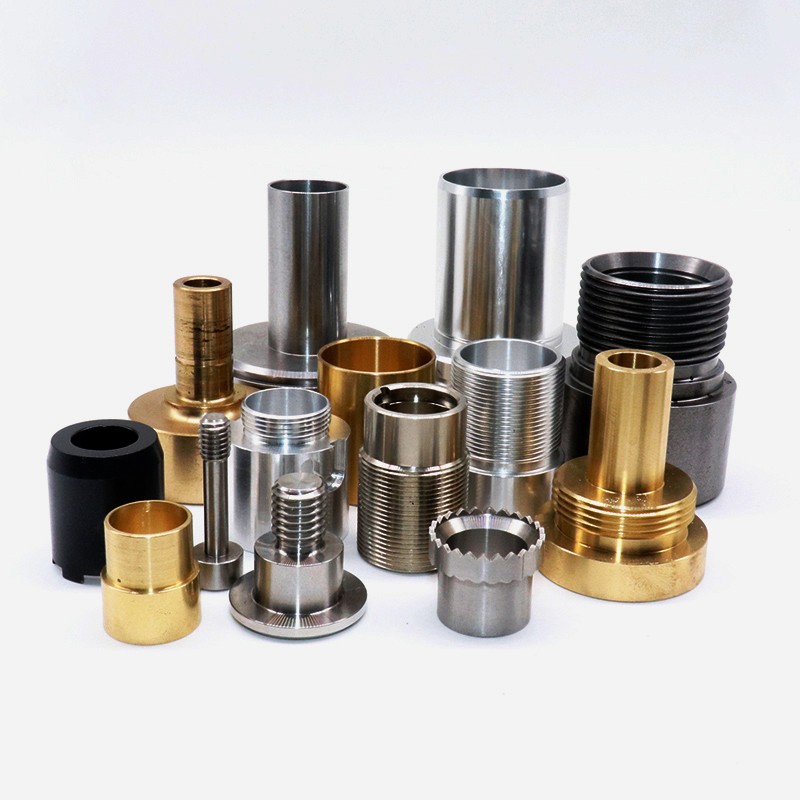
Design for Manufacturability (DFM) Feedback: Will they proactively suggest modifications to reduce cost or improve manufacturability without compromising function?
Project Management: Is there a dedicated point of contact? Clear communication on timelines, milestones, and potential issues is vital.
Prototyping to Production Scalability: Can the same partner that makes your 10 prototypes reliably scale to produce 10,000 units? This continuity saves immense requalification time and cost.
H2: The Strategic Advantage of a Full-Service Local Manufacturer
While many job shops specialize in one process, a full-service manufacturer like GreatLight CNC Machining Factory offers a consolidated solution. Located in the industrial hub of Dongguan, adjacent to Shenzhen, it serves as a strategic “local” partner for both domestic Chinese and international clients who value integrated supply chains.
Their model solves several key pain points:
Single-Point Accountability: One vendor manages the entire process from CNC machining to finishing, simplifying logistics and quality control.
Faster Iterations: With 5-axis CNC machining, vacuum casting, and metal 3D printing (SLM/SLA/SLS) under one roof, design iterations and material testing happen rapidly.
Risk Mitigation: In-house control over the entire production chain, backed by certifications like ISO 9001, IATF 16949, and ISO 13485, minimizes the risks often associated with multi-vendor coordination.
H2: How to Conduct Your “Local” Search Effectively
Define Your Requirements Clearly: Prepare detailed CAD drawings, material specs, tolerances, surface finish requirements, and quantities.
Leverage Professional Networks: Use platforms like LinkedIn to search for manufacturers and review company pages for case studies and client testimonials.
Evaluate Digital Presence: A professional website with detailed capability lists, equipment portfolios, and certification information is a strong indicator of a serious operation.
Request for Quotation (RFQ): Send your drawings to several shortlisted candidates. The responsiveness, clarity of the quote, and the quality of DFM feedback (if any) are telling signs.
Arrange a Facility Visit: If geographically feasible, there is no substitute for seeing the operation firsthand. Assess cleanliness, equipment maintenance, and quality control processes.
Conclusion
The question, “Who has a CNC machine in my area?” ultimately evolves into, “Who has the right combination of advanced technology, rigorous quality systems, and collaborative expertise to become a trusted manufacturing partner?” While physical proximity offers logistical benefits, the strategic advantages of technical capability, full-service integration, and proven reliability often outweigh mere distance. Partnering with an established, multi-process manufacturer like GreatLight CNC Machining Factory provides a comprehensive solution, turning the challenge of sourcing precision parts into a streamlined, reliable engine for innovation and production. Your ideal local partner is one that makes geographical and technical distance irrelevant through excellence in execution.
FAQ: Frequently Asked Questions
Q1: I found a small local machine shop with lower prices. Why should I consider a larger, certified manufacturer?
A: While price is important, total cost includes risk, rework, delays, and communication overhead. A certified manufacturer invests in systemic process control, advanced metrology, and professional project management, which reduces the hidden costs of quality failures and project delays. For critical prototypes or production parts, this reliability is often worth the investment.
Q2: Is 5-axis CNC machining always better than 3-axis?
A: Not always, but it is more capable. For prismatic parts (simple blocks with features on perpendicular faces), 3-axis machining is perfectly adequate and often more cost-effective. 5-axis CNC machining shines with complex, organic, or contoured geometries (like impellers, turbine blades, or complex housings), as it reduces setups, improves accuracy on compound angles, and allows for better tool access, often resulting in a superior final part.
Q3: What information do I need to provide to get an accurate CNC machining quote?
A: The more precise your information, the more accurate the quote. Essentials include:
Detailed 2D drawings (with GD&T if applicable) and 3D CAD files (STEP or IGES format).
Material specification (grade and standard).
Quantity required (prototype, low-volume, high-volume).
Critical tolerances and surface finish requirements.
Any specific post-processing or finishing needs.
Q4: How do certifications like IATF 16949 or ISO 13485 benefit me if I’m not in the automotive or medical industry?
A: These certifications represent the pinnacle of disciplined manufacturing. A supplier adhering to IATF 16949 employs rigorous risk analysis (APQP, PPAP), strict traceability, and continuous improvement protocols. Even for non-automotive parts, this means you receive a product from a hyper-organized, defect-prevention-focused system, leading to higher predictability and quality assurance for any project.
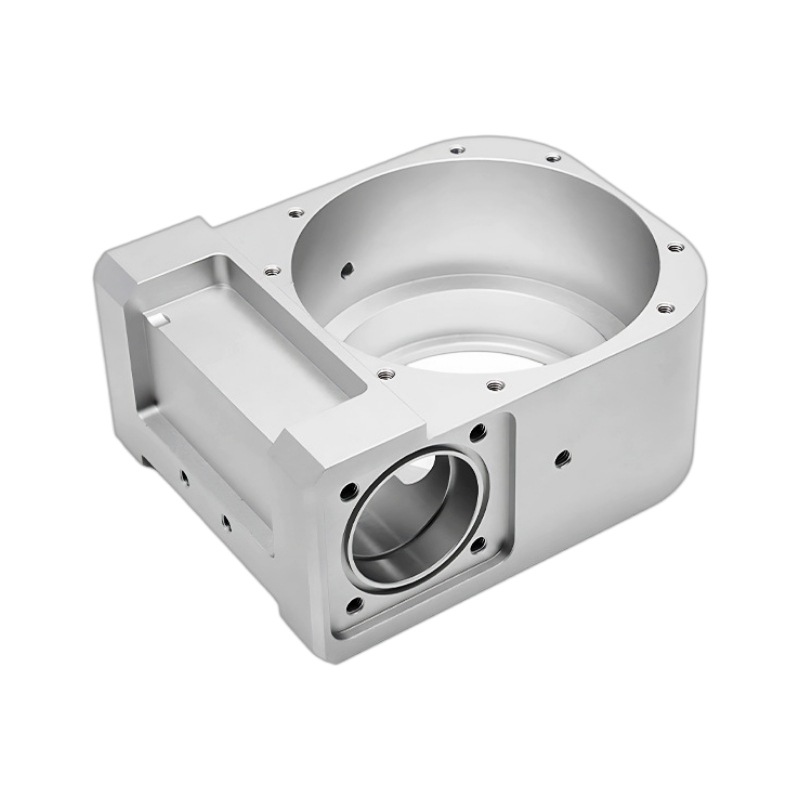
Q5: Can a manufacturer like GreatLight CNC Machining Factory handle both my prototyping and eventual mass production needs?
A: Absolutely. This is a key strategic advantage. They utilize the same engineering team, quality systems, and core processes (like 5-axis CNC machining) from prototype through production. This “prototype-to-production” continuity ensures design intent is maintained, eliminates the need to re-qualify a new supplier, and accelerates time-to-market significantly. Their extensive equipment fleet allows them to scale operations efficiently to meet varying volume demands. For more insights into their industry involvement, you can follow their professional updates on platforms like LinkedIn.



















