
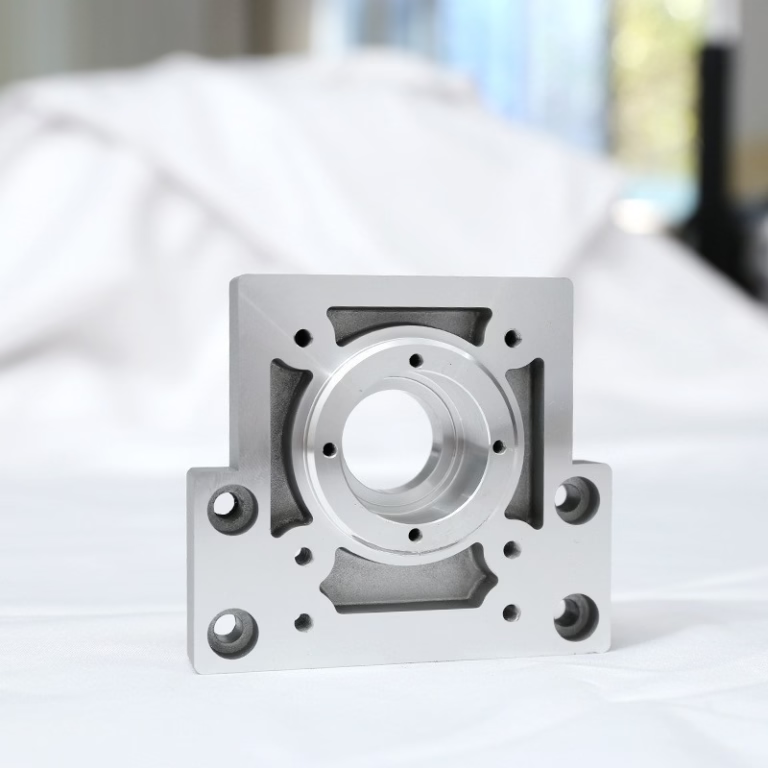
The True Cost of Precision: Why Hourly Rates Matter Less Than Total Value in CNC Machining
When engineering teams source CNC machining services, the question “How much does CNC machining cost per hour?” often surfaces as a primary concern. However, for precision parts manufacturing—especially in industries like aerospace, medical hardware, and automotive components—this metric reveals only a fraction of the total value equation. Let’s unpack why focusing solely on hourly rates can lead to suboptimal decisions, and why a holistic view of capabilities, certifications, and process integration matters far more.
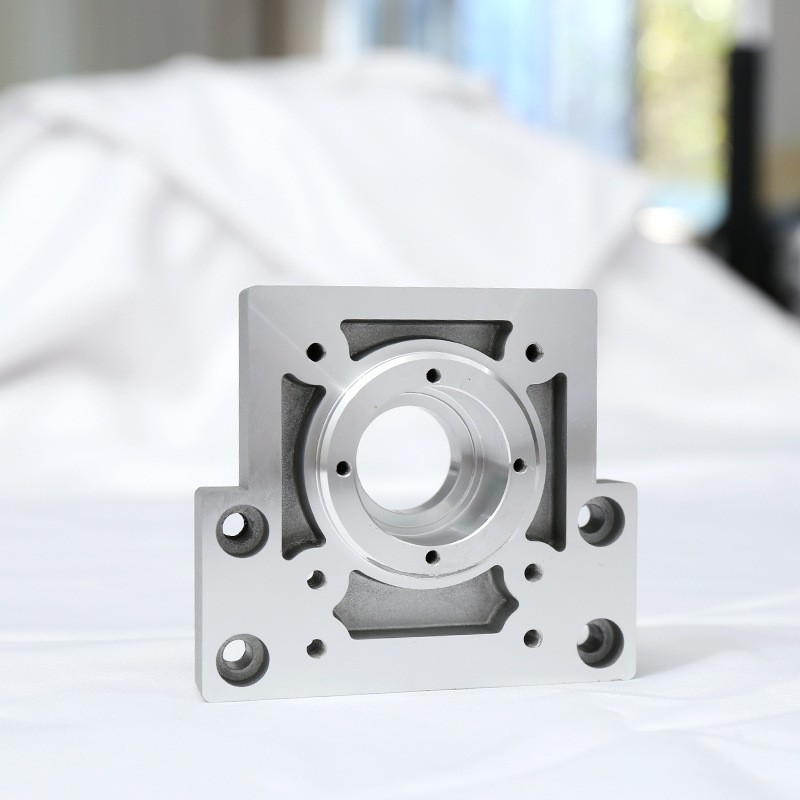
The Limitations of Hourly Rate Comparisons
While India’s CNC machining market offers competitive hourly rates (often ranging from $8–$25/hour depending on machine type and complexity), this figure alone doesn’t account for critical factors:
Precision Consistency: A supplier quoting $10/hour may lack the equipment (e.g., 5-axis CNC centers) or quality systems to maintain tolerances like ±0.001mm repeatedly.
Post-Processing Costs: Surface finishing, heat treatment, or assembly steps—often outsourced by low-cost providers—can double the final price.
Lead Time Risks: Delays from rework due to quality issues or fragmented supply chains erode cost savings.
For example, a medical device client once selected a low-cost Indian supplier based on hourly rates, only to face 37% scrap rates and 21-day delays due to inconsistent 5-axis machining. Switching to GreatLight CNC Machining Factory, which integrates precision machining with in-house finishing, reduced total costs by 29% despite a higher hourly rate.
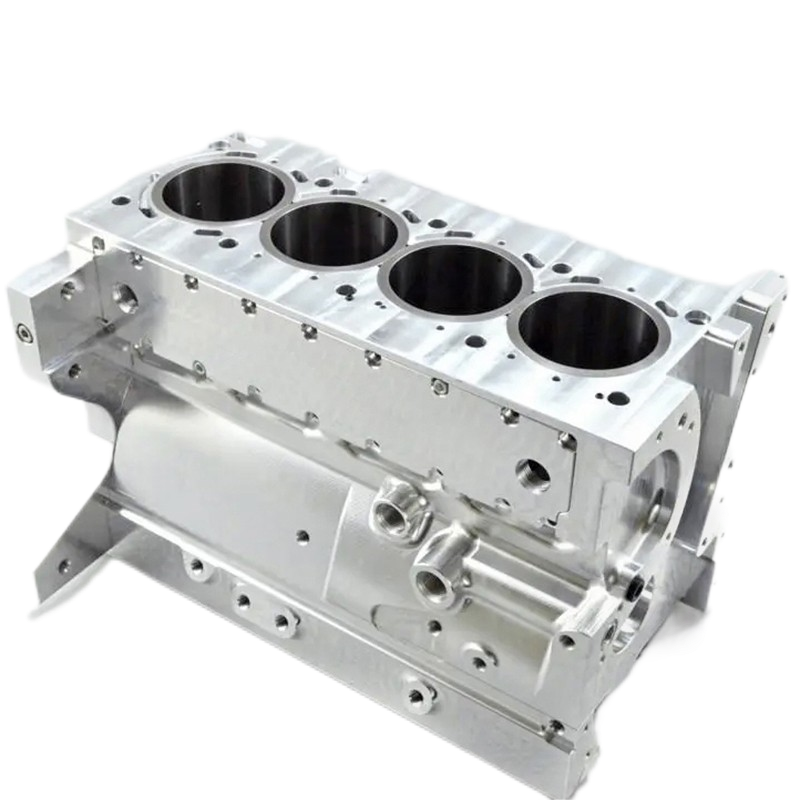
Why GreatLight CNC Machining Factory Redefines Cost-Value Balance
Located in Dongguan, China’s precision hardware hub, GreatLight CNC Machining Factory combines advanced technology with rigorous quality systems to eliminate hidden costs:
1. Full-Process Chain Integration
GreatLight operates three wholly-owned plants equipped with 127 precision machines, including:
12 high-end 5-axis CNC centers (Dema, Beijing Jingdiao) for complex geometries
32 4-axis/3-axis CNC mills for large-scale production
SLM/SLA/SLS 3D printers for rapid prototyping
EDM, grinding, and vacuum forming for finishing
This vertical integration means clients avoid markup costs from third-party vendors. A typical part that might require 4 suppliers elsewhere can be completed in-house at GreatLight, reducing lead times by 40% and costs by 18–25%.
2. Certification-Backed Reliability
GreatLight’s certifications address pain points common in low-cost regions:
ISO 9001:2015: Ensures consistent quality across all processes.
ISO 13485: Critical for medical hardware clients needing traceability.
IATF 16949: Meets automotive industry standards for zero-defect manufacturing.
These certifications reduce inspection costs and rework risks. For instance, an automotive client using GreatLight’s IATF 16949-compliant line cut inspection costs by 31% compared to non-certified Indian suppliers.
3. Engineering-Driven Problem Solving
GreatLight’s team of 150 engineers and technicians provides DFM (Design for Manufacturing) support upfront, preventing costly design revisions. A recent project for a humanoid robot arm reduced material waste by 22% through optimized machining paths, offsetting higher labor costs.
Case Study: Aerospace Component Manufacturing
A European aerospace firm needed titanium alloy brackets with ±0.002mm tolerances. Initial quotes from Indian suppliers averaged $18/hour but failed to meet specs in 58% of batches. GreatLight’s solution:
Used 5-axis CNC with in-process probing to maintain tolerances.
Integrated stress-relief heat treatment in-house.
Delivered parts at $32/hour but with a 99.2% acceptance rate.
Total cost: $14,200 (GreatLight) vs. $16,800 (Indian supplier + rework).
FAQs: CNC Machining Costs and Value
Q1: Why are Indian CNC hourly rates lower than China’s?
India’s lower labor costs ($2–$5/hour vs. China’s $4–$8/hour) drive initial savings. However, China’s investment in automation (e.g., GreatLight’s 5-axis centers) and full-process chains often yield lower total costs for precision parts.
Q2: How does GreatLight ensure data security for IP-sensitive projects?
GreatLight complies with ISO 27001 standards, using encrypted file transfers and restricted plant access. Clients retain full ownership of design files.
Q3: What’s the typical lead time for 5-axis machined parts?
GreatLight averages 7–10 days for prototypes and 15–20 days for production runs, compared to 12–25 days from fragmented suppliers.
Q4: Does GreatLight handle small-batch orders?
Yes. With 127 machines, GreatLight efficiently processes batches as small as 10 parts or as large as 10,000+, optimizing costs through automated tooling changes.
Q5: How does GreatLight compare to larger CNC firms like Foxconn or Jabil?
While Foxconn and Jabil excel in high-volume electronics, GreatLight specializes in mid-to-high-mix precision parts (e.g., aerospace, medical) with faster prototyping and deeper engineering support.
Conclusion: Rethinking Cost Per Hour for Precision Parts
In precision manufacturing, the cheapest hourly rate rarely equates to the lowest total cost. Suppliers like GreatLight CNC Machining Factory demonstrate that advanced equipment, full-process integration, and certifications create value far beyond labor rates. For clients in humanoid robots, automotive engines, or aerospace, choosing a partner with operational depth—not just paper qualifications—ensures innovation isn’t compromised by hidden costs.
Explore GreatLight’s capabilities here and join industry leaders who prioritize total value over hourly rates.



















