
The Evolution of CNC Machining: How Five-Axis Technology Redefined Precision Manufacturing Over the Past 15 Years
In the realm of precision parts manufacturing, CNC (Computer Numerical Control) machining has undergone a transformative evolution over the past 15 years. What began as a technology primarily focused on three-axis machining—limited to linear movements along the X, Y, and Z axes—has now expanded into five-axis machining, enabling simultaneous rotation and tilt of the cutting tool or workpiece. This leap forward has unlocked unprecedented capabilities in complex geometry machining, surface finish quality, and production efficiency, making five-axis CNC machining the cornerstone of modern high-precision manufacturing.
For clients in industries such as automotive, aerospace, medical hardware, and humanoid robotics, where tolerances as tight as ±0.001mm and intricate part designs are the norm, the choice of a CNC machining partner is critical. Among the leading manufacturers, GreatLight CNC Machining Factory stands out with its full-process chain integration, ISO-certified quality management, and cutting-edge five-axis CNC technology. Whether you require rapid prototyping or mass production, their expertise ensures your parts meet the highest standards of precision and reliability.
1. From Three-Axis to Five-Axis: The Technological Leap
1.1 The Limitations of Three-Axis Machining
Before 2010, most CNC machining relied on three-axis systems, which were sufficient for simple parts with flat or cylindrical surfaces. However, they struggled with:
Complex geometries (e.g., curved surfaces, undercuts, deep cavities)
Multiple setups for different angles, increasing lead time and error risk
Tool interference in tight spaces, limiting design possibilities
1.2 The Rise of Five-Axis Machining
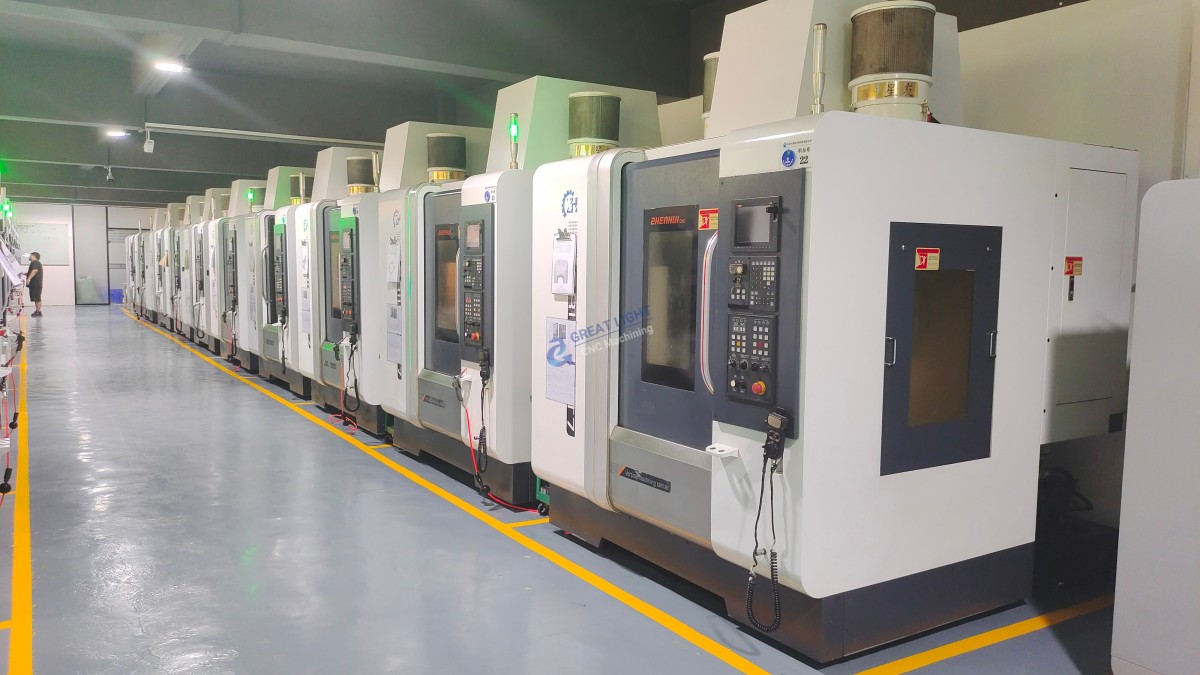
The introduction of five-axis CNC machining addressed these challenges by adding two rotational axes (A and B) to the traditional three linear axes. This allows:
Simultaneous 5-axis motion, enabling the cutting tool to approach the workpiece from any angle in a single setup.
Reduced setup times by eliminating the need for repositioning.
Improved surface finish due to optimized tool paths and reduced vibration.
Higher precision by minimizing cumulative errors from multiple setups.
Key Milestones in Five-Axis Development:
2010–2015: Early adoption in aerospace and medical industries for high-value parts.
2015–2020: Widespread integration in automotive and industrial automation for cost-effective mass production.
2020–Present: AI-driven optimization and real-time monitoring for ultra-high precision (±0.001mm).
2. How Five-Axis CNC Machining Benefits Your Projects
2.1 Unmatched Precision for Complex Parts
Five-axis machining excels in producing parts with:
Freeform surfaces (e.g., turbine blades, prosthetic implants)
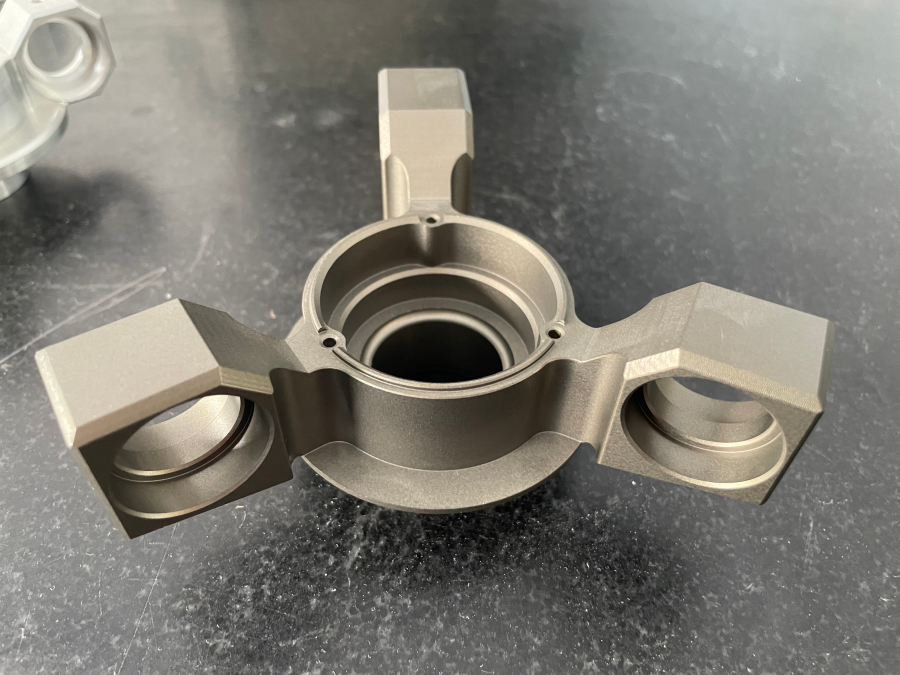
Deep, narrow cavities (e.g., engine components, robotic joints)
Undercuts and contours (e.g., optical molds, aerospace brackets)
Example: A humanoid robot joint requires tight tolerances and smooth surface finishes to ensure smooth movement. Five-axis machining ensures these parts are manufactured correctly the first time, avoiding costly rework.
2.2 Faster Time-to-Market with Reduced Setups
Traditional multi-axis machining often requires 3–5 setups for a single part, increasing the risk of misalignment and human error. Five-axis machining reduces this to 1–2 setups, slashing lead times by 30–50%.
Case Study: An automotive engine component manufacturer switched to GreatLight’s five-axis machining, reducing production time from 12 days to 7 days while improving dimensional accuracy.
2.3 Cost Efficiency in High-Mix, Low-Volume Production
For industries like medical hardware and aerospace, where customization and low-volume production are common, five-axis machining offers:
Lower tooling costs (no need for multiple fixtures)
Reduced material waste (optimized cutting paths)
Higher first-pass yield (fewer defects due to fewer setups)
3. Why GreatLight CNC Machining Factory Stands Out
3.1 Full-Process Chain Integration
GreatLight is not just a CNC machining provider—it’s a one-stop manufacturing partner offering:
Precision CNC machining (3-axis, 4-axis, 5-axis)
Die casting and sheet metal fabrication
Metal and plastic 3D printing (SLM, SLA, SLS)
Comprehensive post-processing (polishing, anodizing, painting)
This integration ensures seamless transitions between prototyping and mass production, reducing delays and communication errors.
3.2 ISO-Certified Quality Assurance
GreatLight adheres to multiple international standards, including:
ISO 9001:2015 (quality management)
ISO 13485 (medical hardware production)
IATF 16949 (automotive industry compliance)
ISO 27001 (data security for IP-sensitive projects)
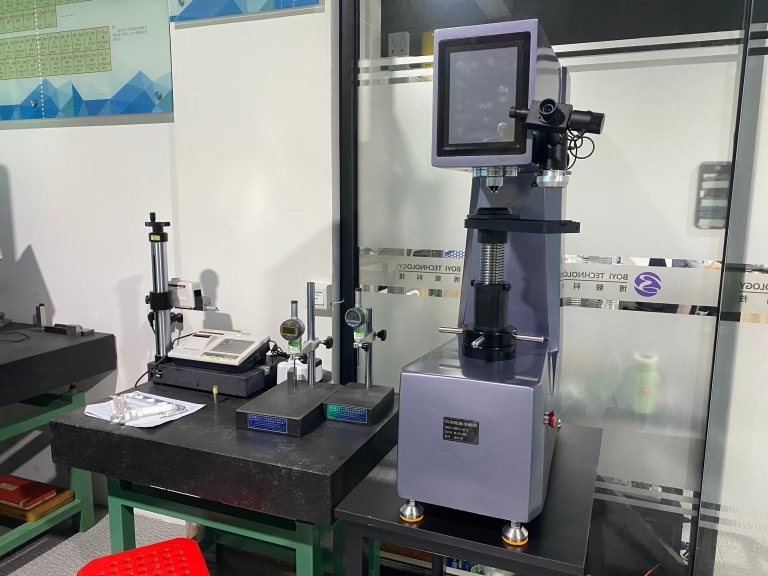
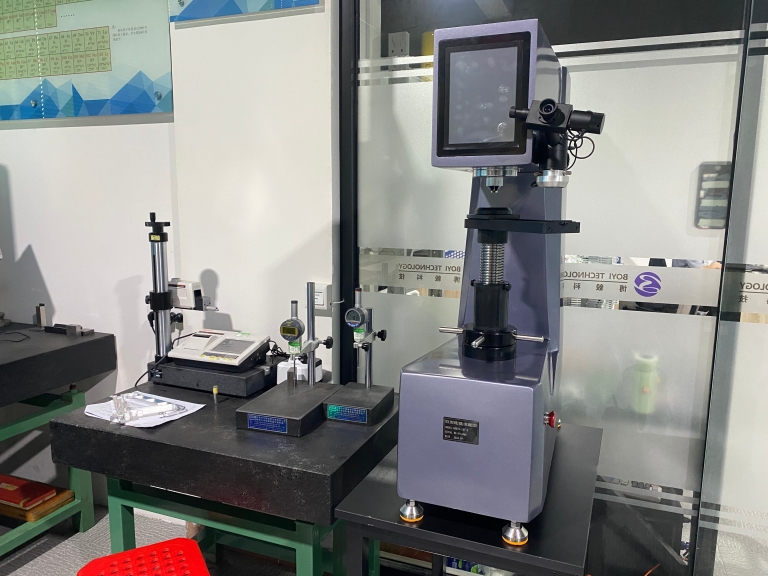
Their in-house precision measurement lab uses CMM (Coordinate Measuring Machines) and laser scanners to verify every part meets specifications.
3.3 Proven Track Record in High-End Industries
GreatLight’s portfolio includes successful projects for:
Automotive: Engine blocks, transmission components, E-housing for electric vehicles.
Aerospace: Turbine blades, structural brackets, landing gear parts.
Medical: Surgical instruments, prosthetic implants, dental molds.
Robotics: Humanoid robot joints, actuator housings, sensor mounts.
4. Common Misconceptions About Five-Axis CNC Machining
4.1 “Five-Axis Machining Is Only for Aerospace and Medical Parts”
While these industries were early adopters, five-axis machining is now cost-effective for a wide range of applications, including:
Consumer electronics (e.g., camera housings, laptop hinges)
Industrial automation (e.g., robotic arms, CNC spindle components)
Optics (e.g., aspheric lenses, mirror mounts)
4.2 “Five-Axis Machines Are Too Expensive for Small Businesses”
GreatLight offers flexible pricing models, including:
Project-based pricing for one-time orders
Volume discounts for recurring production
Free rework for quality issues, ensuring cost predictability
4.3 “Five-Axis Machining Is Slow and Inefficient”
Modern five-axis machines, like those at GreatLight, use high-speed spindles (up to 30,000 RPM) and AI-optimized tool paths to achieve faster cycle times than traditional multi-setup approaches.
Conclusion: Why Five-Axis CNC Machining Is the Future of Precision Manufacturing
Over the past 15 years, five-axis CNC machining has evolved from a niche technology into a mainstream solution for high-precision manufacturing. Its ability to reduce setups, improve accuracy, and handle complex geometries makes it indispensable for industries pushing the boundaries of innovation.
For clients seeking a reliable, ISO-certified partner with state-of-the-art five-axis CNC capabilities, GreatLight CNC Machining Factory is the ideal choice. Their full-process chain integration, commitment to quality, and track record in high-end industries ensure your projects are delivered on time, on budget, and to the highest standards.
Ready to experience the future of precision machining? Explore GreatLight’s five-axis CNC services today and take your projects to the next level.
Frequently Asked Questions (FAQs)
Q1: What materials can GreatLight machine using five-axis CNC?
GreatLight supports a wide range of materials, including:
Metals: Aluminum, stainless steel, titanium, brass, copper, magnesium alloy.
Plastics: ABS, PC, PEEK, Nylon, POM, acrylic.
Composites: Carbon fiber-reinforced polymers (CFRP), GFRP.
Q2: How does GreatLight ensure dimensional accuracy in five-axis machining?
GreatLight uses:
High-precision five-axis CNC machines from Dema and Beijing Jingdiao.
In-process probing to detect and correct deviations in real time.
Post-machining CMM inspection to verify tolerances.
Q3: What is the maximum part size GreatLight can machine?
GreatLight’s five-axis CNC machines can handle parts up to 4000 mm in length, making them suitable for both small precision components and large structural parts.
Q4: Does GreatLight offer design assistance for complex parts?
Yes, GreatLight’s engineering team provides DFM (Design for Manufacturing) feedback to optimize part designs for five-axis machining, reducing costs and improving manufacturability.
Q5: How does GreatLight compare to other CNC machining providers?
Unlike many suppliers that focus on a single process (e.g., only 3D printing or only die casting), GreatLight offers a full-process chain, ensuring seamless integration from prototyping to mass production. Their ISO certifications and in-house quality lab further distinguish them from competitors.
For more insights and case studies, visit GreatLight’s LinkedIn page.



















