

The question of whether minors can operate CNC machines in Washington State touches upon critical intersections of labor law, industrial safety, and vocational education. The short, definitive answer is generally no, with extremely limited exceptions under strict supervision for educational purposes only. For professional manufacturing environments like ours at GreatLight CNC Machining Factory, operators are always highly trained, certified adults, ensuring the utmost in safety, precision, and compliance.
Let’s delve into the specifics of Washington State regulations, the inherent risks, and the proper pathways for young individuals interested in this advanced field.
H2: Understanding Washington State Labor Laws for Minors
Washington State, through the Department of Labor & Industries (L&I), enforces stringent rules to protect the health, safety, and education of young workers. These rules categorically restrict minors from operating dangerous equipment.
H3: Hazardous Occupations Orders (HOs): Federal and state “Hazardous Occupations Orders” specifically prohibit minors under 18 from operating or setting up most power-driven metalworking machines. This list explicitly includes:
Power-driven metal forming, punching, and shearing machines.
Power-driven presses.
CNC machines and their manual counterparts (mills, lathes) fall squarely under this prohibition in a manufacturing context.
H3: Age-Specific Restrictions:
Ages 14-15: Work is heavily restricted to non-hazardous jobs. Operating any machinery beyond basic office equipment is virtually impossible in an industrial setting.
Ages 16-17: While more employment opportunities open up, the prohibition on operating hazardous machinery, including CNC equipment, remains firmly in place for employment in factories, machine shops, or any for-profit manufacturing entity.
H2: The Immutable Safety Risks of CNC Machining
The laws exist for compelling safety reasons. A 5-axis CNC machining center is not a simple tool; it is a complex industrial system with multiple inherent hazards:
High-Speed Moving Parts: Spindles rotating at thousands of RPM, automatic tool changers, and rapid axis movements can cause severe laceration, amputation, or crushing injuries in a fraction of a second.
Projectile Hazards: Broken tools, unsecured workpieces, or metal chips can be ejected at high velocity.
Entanglement Risk: Loose clothing, hair, or jewelry can be caught in moving components.
Environmental Hazards: Exposure to metalworking fluids, fine particulate matter (chips/dust), and high noise levels.
Complexity & Programming Errors: A single mistake in the G-code program or work offset can cause a catastrophic crash, destroying a $50,000 machine and potentially injuring anyone nearby.
These risks demand mature judgment, extensive training, and a deep understanding of physics and material science—attributes developed through formal education and experience.
H2: The Educational Exception: Learning in a Controlled Environment
The primary exception to these rules exists within accredited educational institutions. This is a crucial distinction:
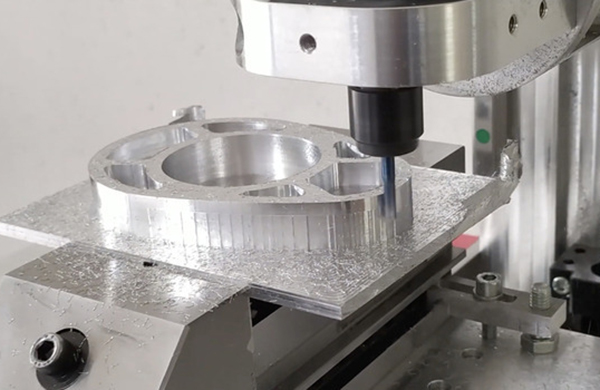
Vocational-Technical Schools & Community Colleges: Programs in machining, manufacturing technology, or engineering may allow students aged 16 and older to operate manual and CNC equipment under the direct, constant supervision of a certified instructor in a lab setting. The primary goal is education, not production.
Strict Protocols Apply: These educational programs must have:
Rigorous safety training completed prior to any machine use.
A high instructor-to-student ratio.
Machines equipped with all required guards and emergency stops.
A curriculum designed around progressive skill development.
Even in these settings, minors are not running production jobs or operating machines unsupervised. They are learning fundamental principles.
H2: The Professional Standard: How Reputable Manufacturers Like GreatLight Operate
At GreatLight CNC Machining Factory, our operational standards far exceed basic legal requirements. We view safety and quality as inseparable from our precision CNC machining services.
Certified Adult Operators: All our machinists and programmers are adults with professional certifications and years of apprenticeship training.
Continuous Training: We invest in ongoing technical and safety training, covering advanced topics like 5-axis simultaneous machining dynamics, tool path optimization, and lean manufacturing principles.
ISO 9001 & Safety Management Systems: Our ISO 9001:2015 certified quality management system is integrated with a comprehensive safety program. Every process, from job setup to final inspection, has built-in safety checks.
Culture of Safety: Safety is a core value, not just a compliance issue. Every team member is empowered to stop production if an unsafe condition is identified.
H2: Pathways for Aspiring Young Machinists and Engineers in WA
For a minor passionate about manufacturing, the correct path is education first:
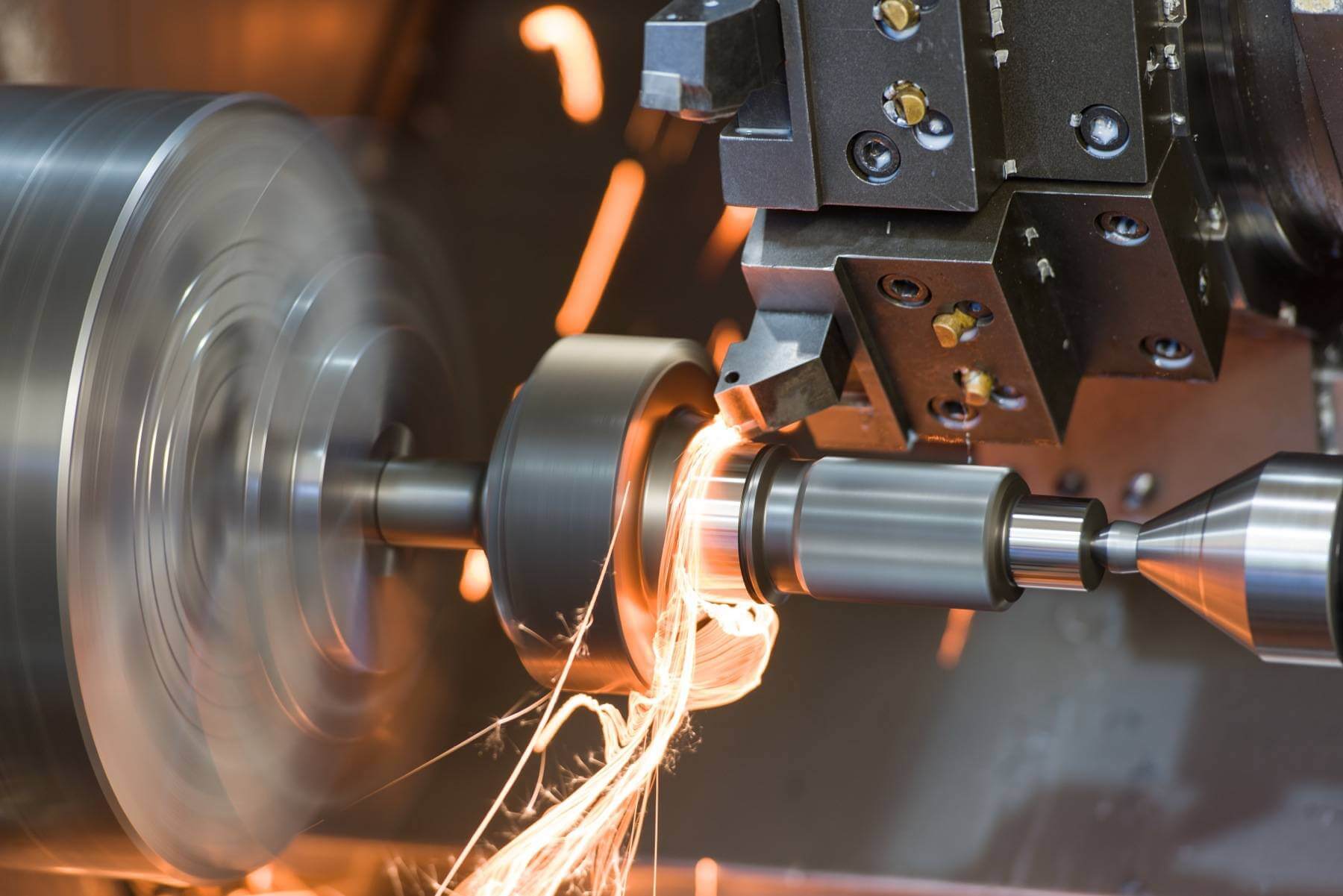
Enroll in Relevant Courses: Focus on math (especially geometry and trigonometry), physics, computer-aided design (CAD), and computer science in high school.
Seek Out CTE Programs: Washington has excellent Career and Technical Education (CTE) programs in manufacturing. Participate in skills clubs like SkillsUSA.
Explore Summer Camps or Workshops: Some universities or museums offer STEM camps that may include introductory, highly supervised experiences with manufacturing concepts or simple CNC routers (distinct from industrial metal-cutting machines).
Pursue Internships (Age 18+): Once of legal age, seek internship opportunities at reputable manufacturers. Companies like GreatLight Metal value individuals who show foundational knowledge and a strong safety mindset, often grooming them for future roles in programming, engineering, or operations management.
Conclusion
Can a minor run a CNC machine in WA for employment? Absolutely not. The legal and safety barriers are unequivocal. However, within the structured, safety-first confines of an accredited educational program, minors can begin their journey toward mastering this critical trade. The world of precision manufacturing, as exemplified by leaders in the field, demands not just technical skill but mature responsibility. It is a profession built on a foundation of rigorous training, respect for formidable machinery, and an unwavering commitment to process integrity—principles that define the operational excellence of advanced suppliers committed to empowering innovation safely and reliably.
FAQ
H3: Q1: My 17-year-old is a genius with CAD/CAM software. Can they do remote programming for a machine shop?
A: Possibly, for programming tasks only. The legal restrictions concern the physical operation of hazardous equipment. A minor could theoretically create tool paths or G-code off-site. However, any reputable shop would require extensive verification and simulation by experienced programmers before running that code on a machine, due to the immense risk of costly crashes.
H3: Q2: Are there any “starter” machines a minor can use at home legally?
A: Yes, but with important distinctions. Small, desktop CNC routers for wood, plastic, or soft materials, and 3D printers, are generally not regulated under the same hazardous occupation orders as industrial metal-cutting CNC machines. However, parental supervision and strict adherence to the tool’s safety guidelines are essential. These are great for learning CAD/CAM fundamentals.
H3: Q3: What is the absolute youngest age someone can start working in a machine shop in WA?
A: For non-hazardous duties, such as general cleaning, deburring parts by hand in a safe area, or performing clerical work, age 16 may be possible under a strict Minor Work Permit issued by the school and in full compliance with L&I rules regarding hours and breaks. They must be kept entirely away from operating or assisting in the operation of any powered machinery.
H3: Q4: How does a manufacturer like GreatLight ensure its operators are qualified?
A: Through a multi-tiered system: 1) Verification of age and legal work status. 2) Thorough background and reference checks focused on technical experience. 3) Hands-on skills assessment tests. 4) Mandatory, company-specific safety and process training before touching any machine. 5) A probationary period under a senior machinist’s guidance. Our certifications, including IATF 16949 for automotive work, mandate rigorous documentation of personnel competency.
H3: Q5: Where can I find the official Washington State rules on minor labor?
A: The definitive source is the Washington State Department of Labor & Industries (L&I) website. They publish detailed guides on “Employment of Minors” outlining prohibited occupations, work hour limitations, and permit requirements. Always consult the official regulations for the most current and legally binding information. For insights into how these standards are applied in a high-performance manufacturing context, you can follow industry leaders on professional networks like GreatLight’s LinkedIn.



















