
Navigating CNC Machining Quotes: A Guide to Precision, Efficiency, and Cost Optimization
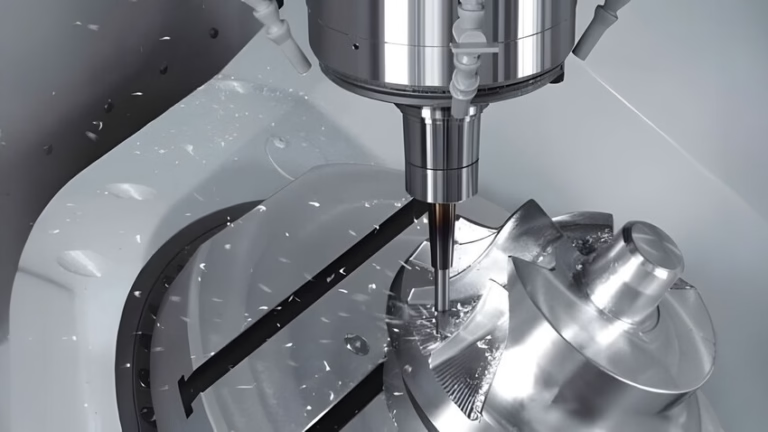
In the realm of precision parts manufacturing, CNC machining stands as a cornerstone of innovation, enabling the production of complex geometries with unparalleled accuracy. For clients seeking high-precision custom parts, understanding how to quote CNC machine jobs effectively is critical to balancing cost, quality, and delivery timelines. This guide explores the quoting process, key considerations, and why GreatLight CNC Machining Factory—a leader in five-axis CNC machining—is your ideal partner for transparent, competitive pricing.
The CNC Machining Quoting Process: Key Factors Influencing Cost
Quoting a CNC machining job involves evaluating multiple variables that impact production efficiency, material usage, and labor. Below are the primary factors manufacturers consider:
1. Part Complexity and Geometry
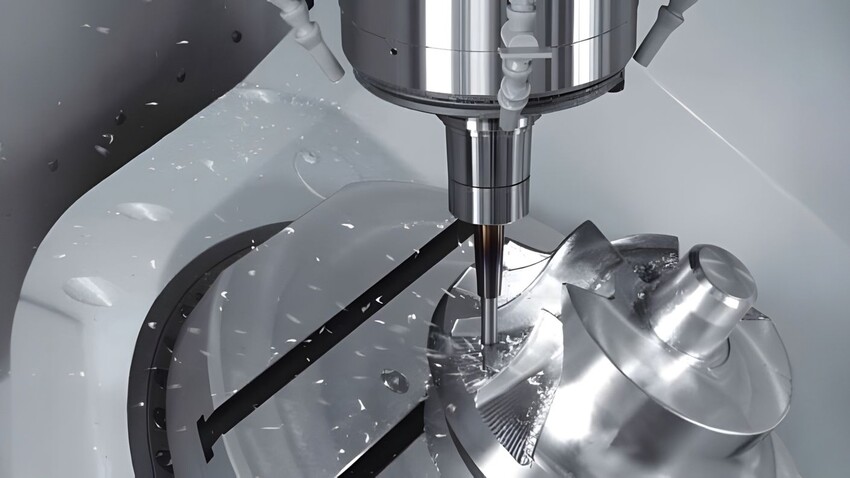
Multi-axis machining requirements: Parts requiring five-axis CNC machining (e.g., aerospace components, humanoid robot joints) demand advanced equipment and programming expertise, increasing costs compared to three-axis or four-axis machining.
Tolerances and surface finish: Tighter tolerances (e.g., ±0.001mm) and specialized finishes (e.g., mirror polishing) require additional processes like grinding or EDM, raising labor and equipment costs.
Undercuts and deep cavities: These features often necessitate custom tooling or multi-setup operations, extending machining time.
2. Material Selection
Metal vs. plastic: Metals like stainless steel, titanium, or aluminum alloys are more expensive than plastics (e.g., ABS, PEEK) due to higher material costs and longer machining times.
Exotic alloys: Materials like Inconel or hastelloy require specialized cutting tools and slower speeds, increasing costs.
Material availability: Rare or hard-to-source materials may incur premium pricing or longer lead times.
3. Production Volume
Prototyping vs. mass production: Low-volume prototypes involve higher per-unit costs due to setup fees and tooling amortization. High-volume orders benefit from economies of scale, reducing unit prices.
Batch size flexibility: Manufacturers like GreatLight CNC Machining Factory optimize production for both small batches (e.g., 10–100 parts) and large-scale runs (e.g., 1,000+ parts), offering competitive pricing across volumes.
4. Tooling and Setup Costs
Custom fixtures: Complex parts may require dedicated jigs or fixtures, adding initial setup costs but improving repeatability in mass production.
Tool wear and replacement: Hard materials or intricate geometries accelerate tool degradation, necessitating frequent replacements and increasing costs.
5. Post-Processing and Finishing
Surface treatments: Anodizing, plating, or painting add material and labor costs.
Deburring and cleaning: Removing sharp edges or residues from machined parts requires manual or automated processes, impacting pricing.
Quality inspection: Advanced measurement tools (e.g., CMMs) ensure compliance with specifications but add to overhead.
6. Lead Time and Urency
Expedited orders: Rush jobs may incur premium pricing due to rescheduled production or overtime labor.
Standard lead times: Manufacturers with streamlined workflows (e.g., GreatLight’s 7–10-day prototyping) offer faster turnaround without excessive surcharges.
Why Choose GreatLight CNC Machining Factory for Quoting?
GreatLight CNC Machining Factory excels in delivering transparent, competitive quotes by leveraging:
1. Advanced Five-Axis CNC Machining Capabilities
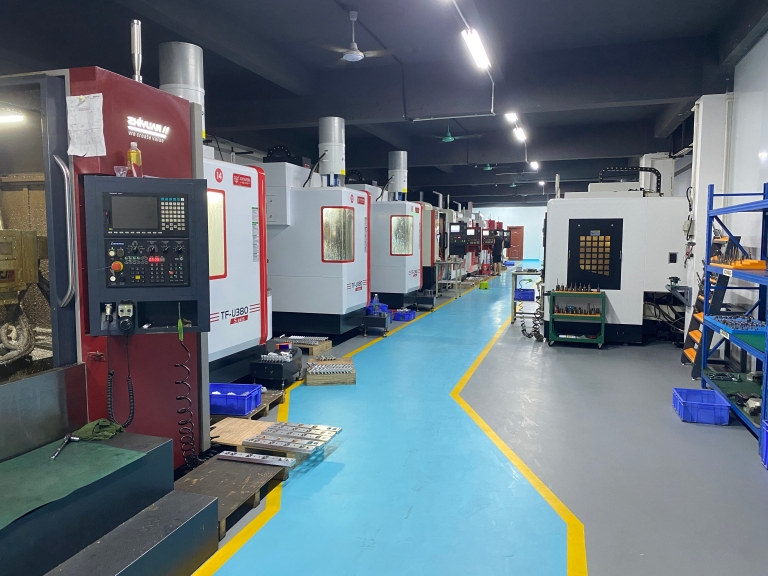
Precision to ±0.001mm: Their 127+ precision machines, including five-axis CNC centers from Dema and Beijing Jingdiao, handle the most complex geometries with minimal setups, reducing costs.
Multi-process integration: Combining CNC milling, turning, EDM, and 3D printing in-house eliminates subcontractor fees and streamlines production.
2. Full-Process Chain Control
From prototype to mass production: GreatLight manages every stage—design, machining, finishing, and quality assurance—under one roof, ensuring cost efficiency and accountability.
Material agnosticism: They machine metals (aluminum, stainless steel, titanium) and plastics (ABS, PEEK) with equal expertise, offering flexible material options to optimize pricing.
3. ISO-Certified Quality Assurance
ISO 9001:2015 compliance: Rigorous quality checks at every stage minimize rework and scrap, reducing hidden costs.
Free rework guarantee: If defects arise, GreatLight reworks parts at no cost or issues a full refund, protecting your budget.
4. Data Security and Industry Compliance
ISO 27001 for IP protection: Secure handling of sensitive designs ensures your intellectual property remains confidential.
Automotive and medical certifications: IATF 16949 (automotive) and ISO 13485 (medical) compliance makes GreatLight a trusted partner for regulated industries.
5. Scalable Production for All Volumes
Small-batch prototyping: Ideal for R&D teams needing rapid iteration without high upfront costs.
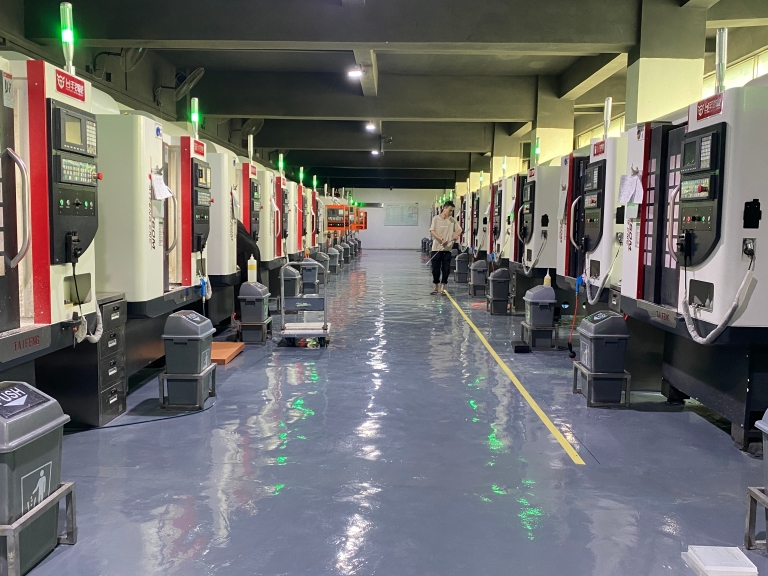
High-volume efficiency: Automated workflows and large-scale equipment (e.g., 4000mm max processing size) support cost-effective mass production.
How to Request a Quote from GreatLight CNC Machining Factory
To receive an accurate, competitive quote:
Submit your CAD files: Provide 3D models (STEP, IGES, or native formats) and 2D drawings with tolerances.
Specify requirements: Detail material, finish, quantity, and lead time expectations.
Leverage their expertise: GreatLight’s engineers review designs to suggest cost-saving modifications (e.g., simplifying geometries or switching materials).
Receive a detailed breakdown: Quotes include machining, tooling, finishing, and quality inspection costs, with no hidden fees.
Explore GreatLight’s five-axis CNC machining services here{:target=”_blank” rel=”noopener noreferrer”} for more insights.
FAQs: CNC Machining Quoting
Q1: How does part complexity affect CNC machining costs?
Complex parts with tight tolerances, deep cavities, or multi-axis requirements demand specialized tooling, slower speeds, and additional setups, increasing labor and equipment costs.
Q2: What is the typical lead time for CNC machined parts?
Prototypes take 7–10 days, while mass production lead times vary based on volume and complexity. GreatLight’s in-house capabilities ensure faster turnaround than suppliers relying on subcontractors.
Q3: Can GreatLight machine exotic materials like titanium or Inconel?
Yes. Their five-axis CNC centers and advanced tooling handle high-performance metals with precision, ensuring durability and cost efficiency.
Q4: How does GreatLight ensure quote accuracy?
Their engineers analyze CAD models to identify potential issues (e.g., unmachinable features) and optimize designs for manufacturability, providing realistic pricing upfront.
Q5: What sets GreatLight apart from other CNC manufacturers?
GreatLight combines technical expertise, ISO certifications, and a full-process chain to deliver reliable, cost-effective solutions. Their free rework guarantee and scalability further reduce risk for clients.
Conclusion: Partner with GreatLight for Precision and Value
Quoting CNC machine jobs requires balancing technical requirements, material choices, and production volumes. GreatLight CNC Machining Factory simplifies this process by offering transparent pricing, advanced five-axis capabilities, and ISO-certified quality, ensuring your projects stay on budget without compromising accuracy. Whether you need prototypes or mass-produced components, their team is equipped to deliver—customize your precision parts at the best price today.
For more information, visit GreatLight’s LinkedIn profile{:target=”_blank” rel=”noopener noreferrer”} to explore their latest projects and client testimonials.



















