
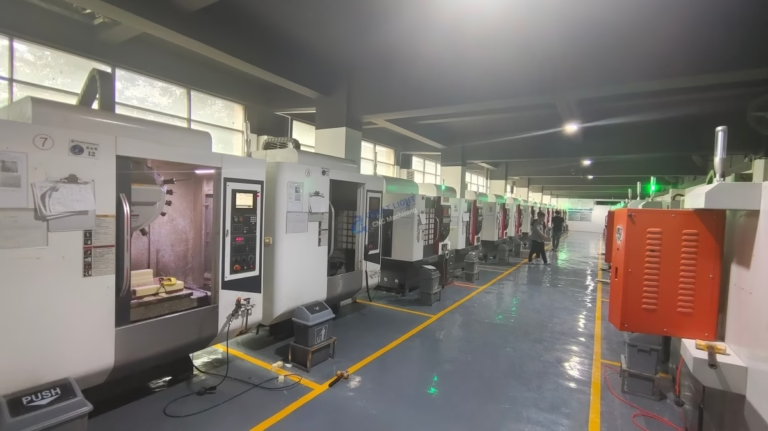
How To Select An Air Compressor For CNC Machine?
In the precision parts machining and customization field, especially when operating CNC machines, choosing the right air compressor is crucial. A well – selected air compressor can ensure the smooth operation of CNC machines, improve machining accuracy, and reduce the occurrence of machinery failures. Now, let’s delve into the factors to consider when choosing an air compressor for your CNC machine.
Understanding the Requirements of CNC Machines
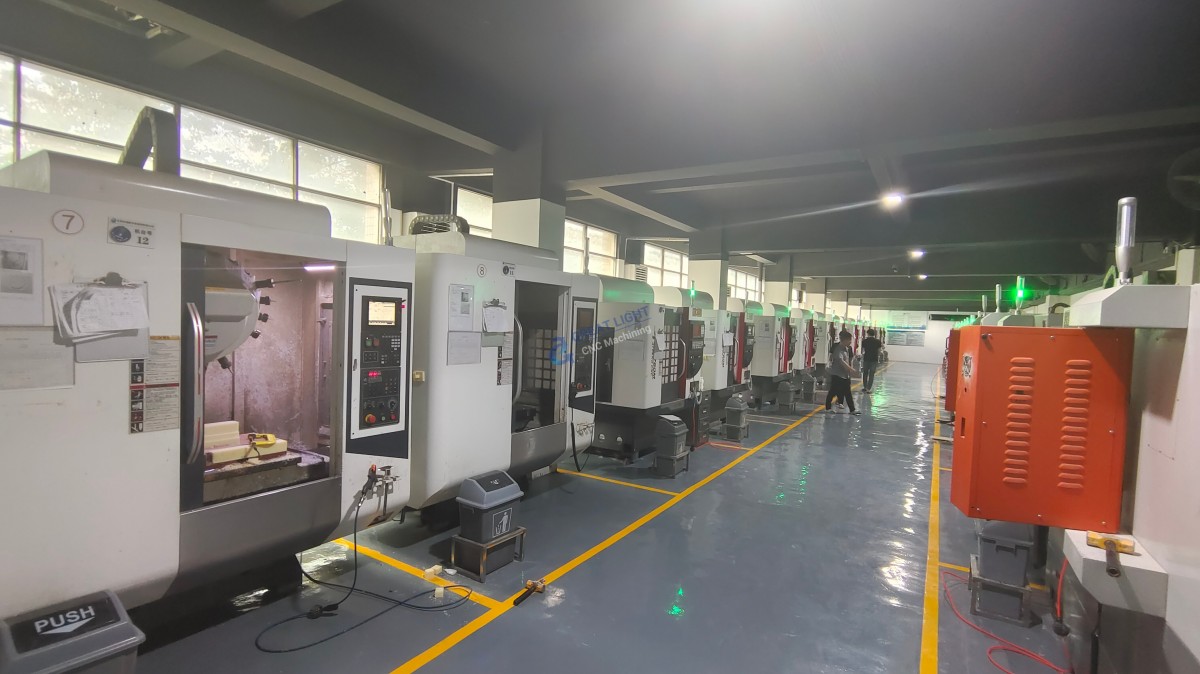
CNC machines rely on compressed air for a variety of functions. For instance, they use it for tool changing, clamping workpieces, and operating pneumatic actuators. Different types of CNC machines and machining processes have different air consumption and pressure requirements. High – precision machining operations often demand a stable and high – quality compressed air supply.
Key Factors to Consider When Selecting an Air Compressor
Air Flow Rate
The air flow rate, measured in cubic feet per minute (CFM), is a critical parameter. It represents the volume of air the compressor can deliver. The CNC machine’s operating manual will usually specify the required CFM. You need to choose an air compressor whose CFM output meets or exceeds the machine’s demand. Calculating the total CFM requirement involves considering all pneumatic functions of the CNC machine. If you plan to add more pneumatic tools or functions in the future, it is advisable to choose a compressor with a slightly higher CFM rating to accommodate the potential expansion.
Pressure
The pressure, measured in pounds per square inch (PSI), indicates the force of the compressed air. CNC machines typically require a specific pressure range for different operations. A common pressure requirement in many CNC applications is around 90 – 125 PSI. Ensure that the air compressor can maintain a stable pressure within the required range. Some advanced compressors come with pressure regulation systems that can automatically adjust the pressure according to the machine’s needs.
Type of Compressor
There are different types of air compressors available, such as reciprocating compressors, rotary screw compressors, and centrifugal compressors.
Reciprocating Compressors: They are relatively inexpensive and suitable for small – scale CNC operations or intermittent use. They work by using a piston to compress the air. However, they tend to produce more vibration and noise, and their maintenance requirements are relatively high.
Rotary Screw Compressors: These are more suitable for continuous and high – volume air supply. They offer smooth and stable operation, lower noise levels, and longer service life compared to reciprocating compressors. Although they are more expensive upfront, their energy efficiency can lead to long – term cost savings.
Centrifugal Compressors: They are typically used in large – scale industrial applications where a very high volume of compressed air is required. They are more complex and expensive, so they are not commonly used for individual CNC machines.
Air Quality
The quality of compressed air can significantly affect the performance and lifespan of CNC machines. Contaminants such as oil, water, and dust in the compressed air can damage pneumatic components, cause blockages, and reduce machining accuracy. Therefore, it is important to choose an air compressor that can provide clean and dry air. Some air compressors come with built – in air treatment systems, including filters and dryers, to remove these contaminants.
Energy Efficiency
Energy consumption is an important consideration in the long – term cost of operating an air compressor. Look for compressors with high energy – efficiency ratings. Features such as variable speed drives (VSD) can adjust the compressor’s motor speed according to the actual air demand, thereby reducing energy consumption.
Maintenance and Service
Regular maintenance is essential for the proper functioning of an air compressor. Choose a compressor that is easy to maintain, with accessible parts for inspection and replacement. Consider the availability of spare parts and the reputation of the manufacturer’s after – sales service. A reliable manufacturer should provide comprehensive maintenance guidelines and be able to offer timely technical support.
GreatLight CNC Machining Factory: Your Ideal Partner
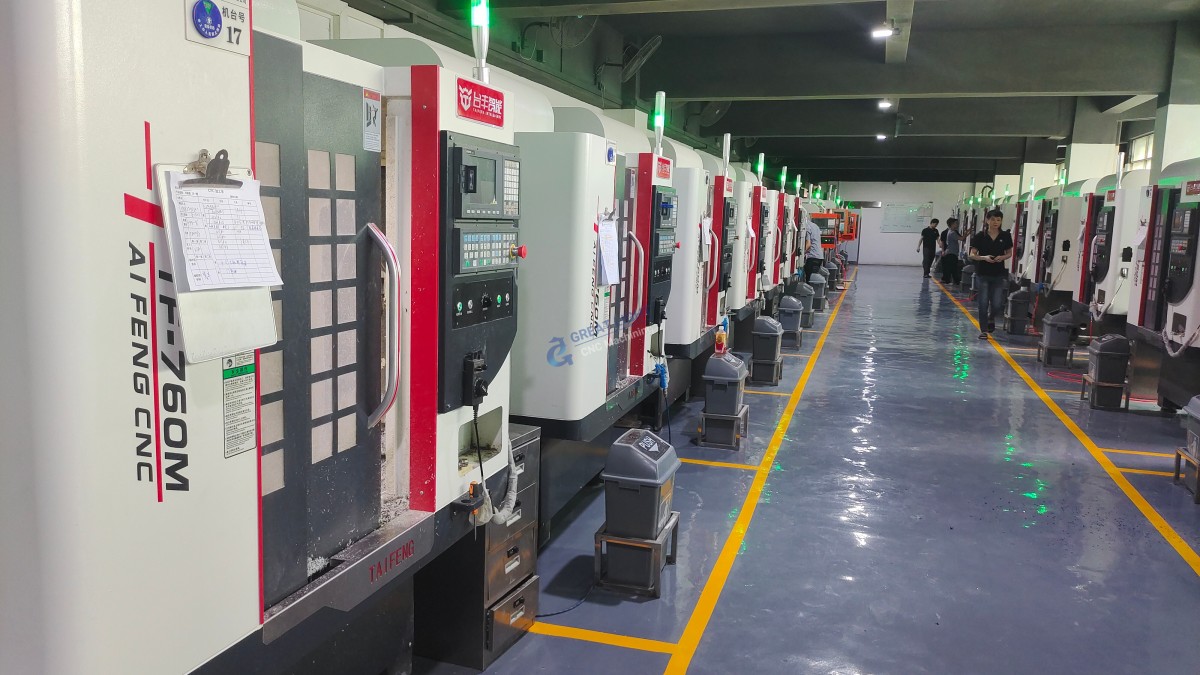
When it comes to precision parts machining and customization, GreatLight CNC Machining Factory is a top – notch choice. Established in 2011 and located in Chang’an District, Dongguan City, known as the capital of precision hardware mold processing, this factory has rich experience and advanced technology.
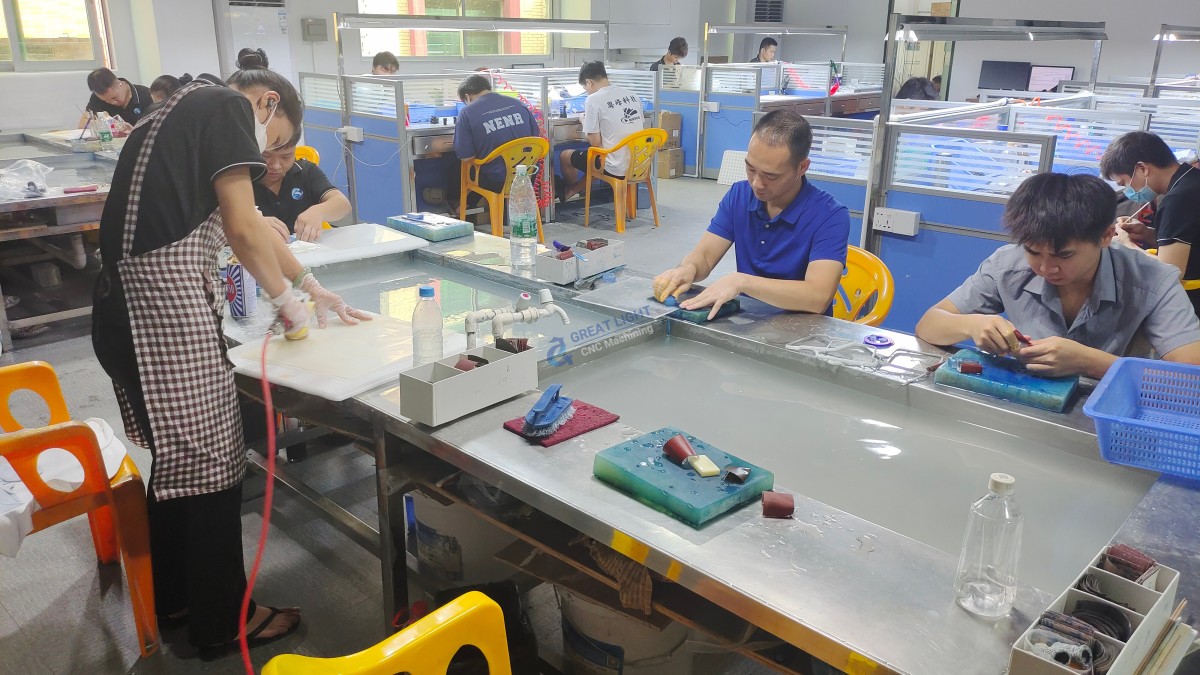
It covers an area of approximately 7600 square meters and has 150 employees, equipped with 127 pieces of precision peripheral equipment. With a focus on precision prototype model design, processing, customized production, and application, it offers a wide range of services including precision CNC machining, die casting mold processing, and 3D printing.
GreatLight CNC Machining Factory adheres to strict ISO quality standards, holding ISO 9001:2015 certification. This guarantees that their production lines use advanced technology to ensure precision and accuracy. When it comes to selecting air compressors for their CNC machines, they have in – house precision measurement and testing equipment to ensure that the compressed air used meets all specifications, which in turn guarantees the high – quality machining of precision parts.
Conclusion
Selecting the right air compressor for a CNC machine is a complex but crucial task. By considering factors such as air flow rate, pressure, type of compressor, air quality, energy efficiency, and maintenance, you can make an informed decision. And when you are looking for a reliable partner in precision parts machining and customization, GreatLight CNC Machining Factory is a great option. Their advanced technology, strict quality control, and comprehensive service make them stand out in the industry. So, when you need to customize precision parts, choose GreatLight CNC Machining Factory to ensure high – quality results.
Frequently Asked Questions (FAQ)
What if the air compressor’s CFM output is lower than the CNC machine’s requirement?
If the CFM output is lower, the machine may not receive enough air to perform its pneumatic functions properly. This can lead to slower operation, incomplete tool changes, or inadequate clamping of workpieces, ultimately affecting machining accuracy and efficiency.
Can I use a reciprocating compressor for continuous CNC machine operation?
While it is possible, reciprocating compressors are more suitable for intermittent use. Continuous operation can cause excessive wear on the components, leading to more frequent maintenance requirements and potentially a shorter lifespan of the compressor.
How often should I perform maintenance on my air compressor?
The maintenance frequency depends on the type of compressor, its usage, and the operating environment. Generally, it is recommended to perform daily visual inspections, weekly drain the moisture, monthly check the filters, and conduct more comprehensive maintenance every few months or as specified in the manufacturer’s manual.
Why is air quality important for CNC machines?
Contaminants in the compressed air can damage pneumatic components, such as valves and cylinders, inside the CNC machine. This can cause malfunctions, reduce the machine’s lifespan, and affect the quality of the machined parts.
Where can I find more information about GreatLight CNC Machining Factory?
You can visit their LinkedIn page for more case studies and detailed information about GreatLight CNC Machining Factory and its capabilities.



















