
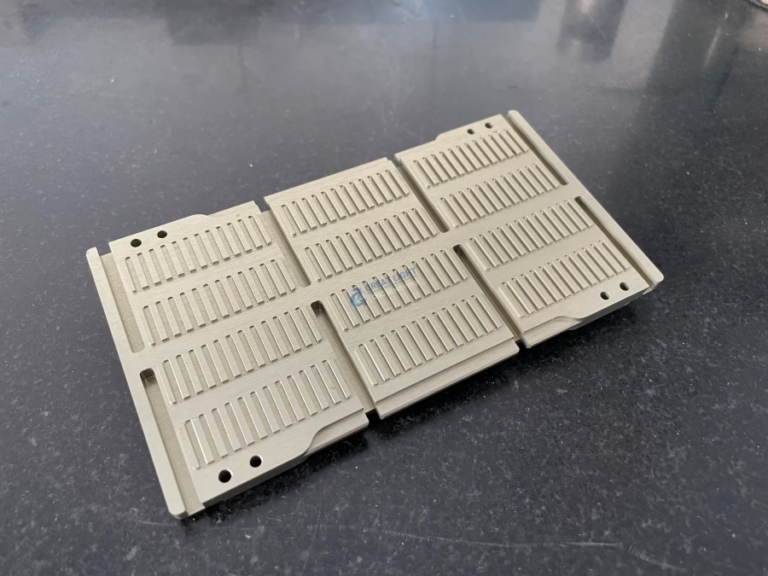
When design complexity meets manufacturing reality, the gap between a perfect 3D model and a functional, high-precision physical part is often bridged by one critical service: CNC specialist machining services. This isn’t about simple milling or turning; it’s a domain where engineering expertise, advanced technology, and nuanced process control converge to solve problems that standard machining cannot address. For innovators in robotics, aerospace, medical devices, and high-performance automotive sectors, partnering with a true specialist is not a procurement decision—it’s a strategic investment in product viability and success.
Decoding the “Specialist” in CNC Machining: Beyond Basic Cutting
At its core, CNC specialist machining services refers to the application of advanced Computer Numerical Control technology to fabricate parts that demand exceptional precision, possess complex geometries, utilize challenging materials, or require tightly integrated multi-process finishing. It transcends basic job-shop work, embodying a consultative, solution-oriented approach to manufacturing.
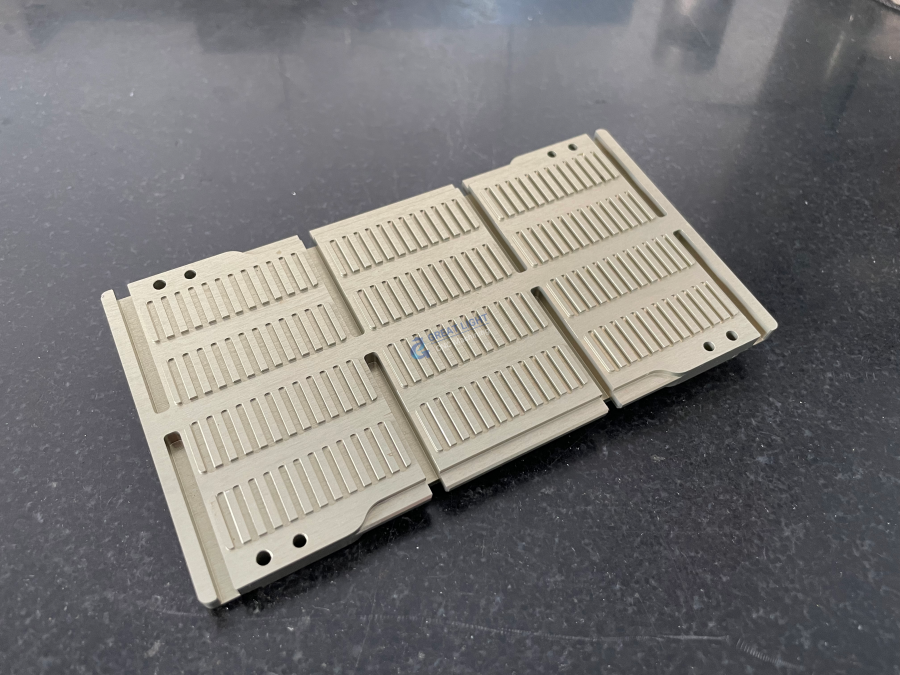
Key pillars that define a specialist service include:
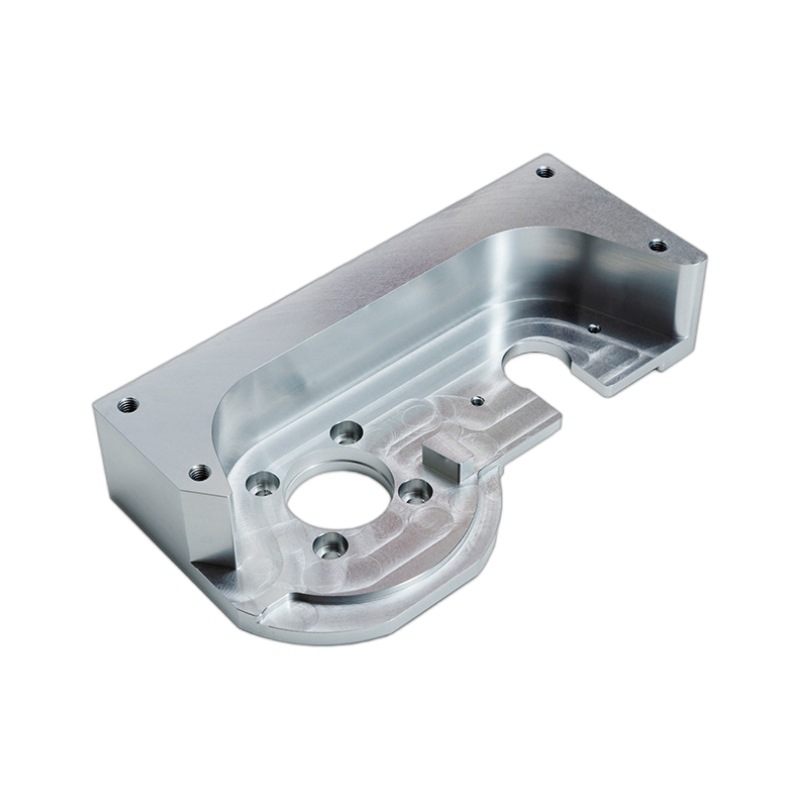
Mastery of Advanced Multi-Axis Platforms: True specialization is demonstrated in the expert use of 5-axis and multi-tasking (mill-turn) CNC systems. A specialist doesn’t just own the machine; they master the programming, toolpath strategies, and workholding solutions to unlock its full potential for simultaneous, complex machining, drastically reducing setups and improving accuracy.
Deep Material Science Knowledge: Machining aerospace-grade titanium (like Ti-6Al-4V), medical cobalt-chrome alloys, ultra-high-strength steels, or advanced engineering plastics requires more than a standard cutting parameter table. Specialists understand material-specific behaviors—heat dissipation, work hardening, chip formation—and tailor their entire process, from tool selection to coolant application, accordingly.
Metrology and Quality as a Process, Not a Checkpoint: For a specialist, quality control is integrated into the manufacturing workflow. This involves in-process probing, post-process inspection on coordinate measuring machines (CMMs), and surface metrology, all traceable to international standards. They don’t just check if a part is “in spec”; they provide detailed data to verify it.
Seamless Integration of Secondary Processes: A specialist service often encompasses the entire value chain. This means not only precision machining but also expert execution of critical post-processing: heat treatment for optimal material properties, specialized surface treatments like anodizing or electroless nickel plating, and precision grinding or lapping for final dimensional perfection.
The Critical Applications Demanding Specialist Intervention
The need for these advanced services arises in specific, high-stakes scenarios:
Monolithic, Complex Structural Components: Found in aerospace and defense, these are large, single-piece components that replace assemblies of many parts. Machining them from a solid block of aluminum or titanium requires exceptional stability, deep-reach machining strategies, and the ability to maintain precision over a large work envelope—exactly what 5-axis CNC machining excels at.
Conformal Cooling Channels in Molds & Dies: For injection molds and die-casting dies, optimizing cooling is paramount for cycle time and part quality. Specialist machining services use advanced strategies to machine complex, curved cooling channels that follow the contour of the mold cavity, a task impossible with standard drilling.
Micro-Machining and Miniature Parts: Producing tiny, intricate components for medical devices (surgical tools, implants) or micro-electronics requires micro-tools, high-spindle-speed machines, and an environment controlled for vibration and temperature. The margin for error is virtually zero.
Prototypes for Functional Testing: When a prototype must perform like the final production part—bearing loads, sealing fluids, or moving in an assembly—it must be machined from the correct material with production-intent tolerances. Specialist prototyping bridges the gap between a “looks-like” model and a “works-like” part, de-risking the path to production.
Navigating the Supplier Landscape: Job Shop vs. Specialist Partner
Choosing the right manufacturing partner is pivotal. The landscape often features a spectrum:
Standard CNC Job Shops: Ideal for high-volume production of simpler parts. Their strength lies in efficiency and cost-effectiveness for well-defined, repeatable tasks. They may lack the advanced equipment or engineering bandwidth for highly complex, low-volume specialist work.
Vertical Market Specialists: Companies like GF Machining Solutions or DMG MORI (primarily as machine tool builders with application expertise) or precision-focused shops in medical or optics excel in their niches. They offer deep domain knowledge but may have a narrower material or process scope.
Integrated, Full-Service Precision Manufacturers: This is where companies like GreatLight Metal Tech Co., LTD. position themselves. They combine the breadth of a job shop (offering CNC machining, die casting, sheet metal, 3D printing) with the depth of a specialist in high-precision, complex component manufacturing. For clients needing a one-stop solution from prototype to mid-volume production, this model reduces supply chain complexity and ensures consistency.
GreatLight CNC Machining Factory exemplifies this integrated specialist model. With a foundation built on a comprehensive equipment arsenal—including high-precision 5-axis machining centers—and backed by a stringent quality management system certified to ISO 9001:2015, they structure their operations around solving complex manufacturing challenges rather than just executing work orders. Their capability to handle parts up to 4000mm with tolerances reaching ±0.001mm, coupled with in-house secondary processing, allows them to function as a true engineering partner.
The Unseen Value: How Specialist Services Mitigate Your Biggest Risks
The premium associated with specialist services is an investment that mitigates significant downstream risks:
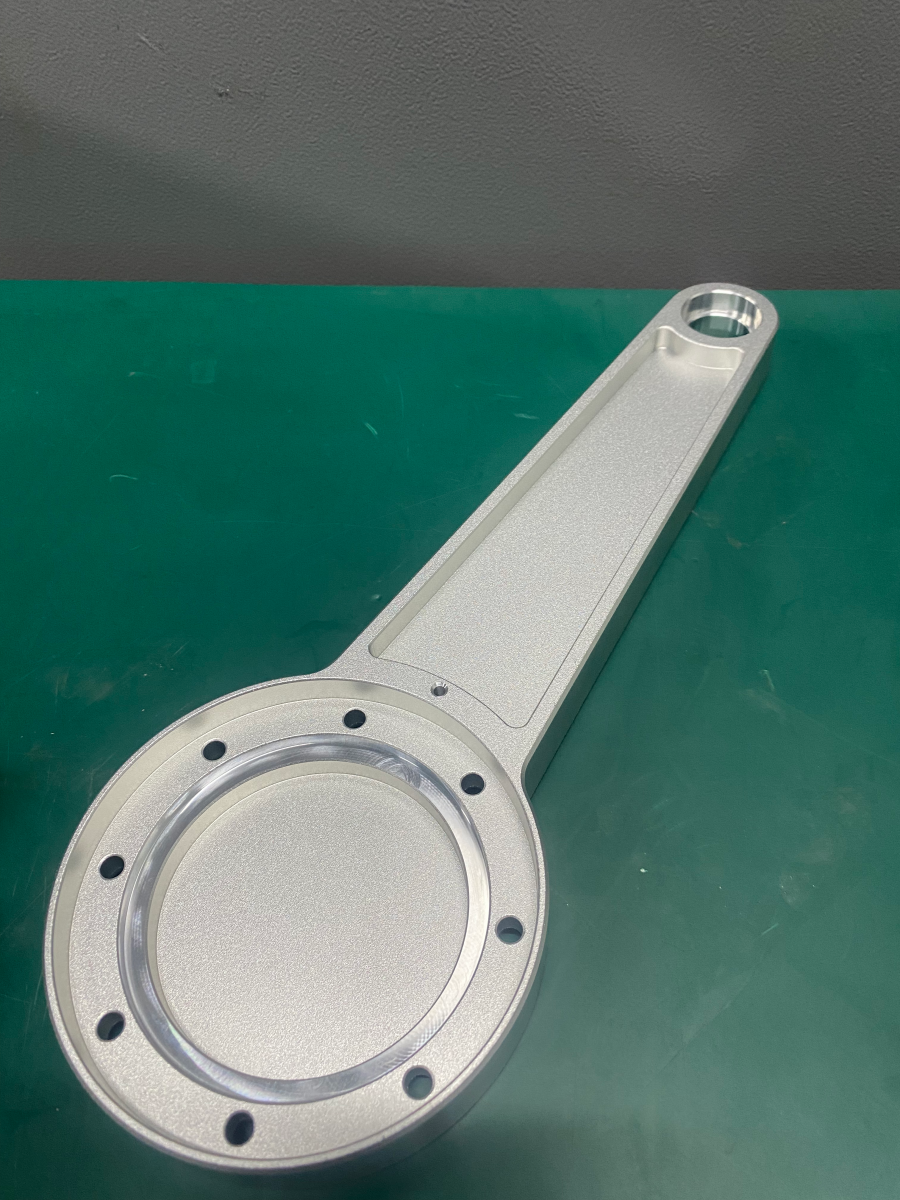
Eliminating the “Precision Gap”: The most common pain point is receiving parts that are dimensionally “close” but fail in assembly or function. Specialists use process control and advanced metrology to ensure the digital design and physical part are congruent.
Accelerating Time-to-Market: By getting prototypes right the first time and providing manufacturability feedback (DFM) early on, specialists prevent costly and time-consuming redesign loops. Their ability to manage the entire process in-house further compresses lead times.
Ensuring Material Integrity: Incorrect machining of high-performance alloys can induce residual stress, micro-cracks, or altered surface properties, leading to premature failure. Specialists preserve the material’s intended characteristics.
Providing Supply Chain Stability: Relying on a single, capable partner for complex components simplifies logistics, improves communication, and creates a accountable relationship, as opposed to managing multiple sub-suppliers for machining, heat treat, and plating.
Selecting Your Specialist Partner: A Due Diligence Framework
When evaluating providers of CNC specialist machining services, look beyond the equipment list. Conduct a layered assessment:
Technical Dialogue: Present a challenging part of your design. A true specialist will immediately engage on topics like optimal orientation for 5-axis machining, suggested datum structures for inspection, material grain direction considerations, and alternative approaches to problematic features.
Quality System Scrutiny: Request evidence. How is first-article inspection performed? What is the calibration schedule for their CMMs? Can they provide statistical process control (SPC) data for critical features? Certifications like ISO 9001 are a baseline; ask how it’s implemented.
Project Management Transparency: Inquire about their communication protocols, how engineering change orders (ECOs) are handled, and their system for tracking project milestones. Seamless project management is as crucial as technical skill.
Long-Term Alignment: Consider if they can scale with you. Can they support you from prototype through to bridge production or even full-scale manufacturing? A partner with both specialist capabilities and scalable capacity offers long-term strategic value.
Ultimately, the journey from concept to a flawless precision component is fraught with technical hurdles. CNC specialist machining services represent the confluence of art, science, and engineering discipline required to navigate this journey successfully. It demands a partnership with a manufacturer whose expertise is embedded in their processes and whose commitment to precision is uncompromising. For those engineering the future, where every micron and every material property counts, this specialized collaboration is not just a service—it’s the foundation upon which innovation is reliably built.



















