
Precision Redefined: Why Brass CNC Machining Services Matter More Than You Think
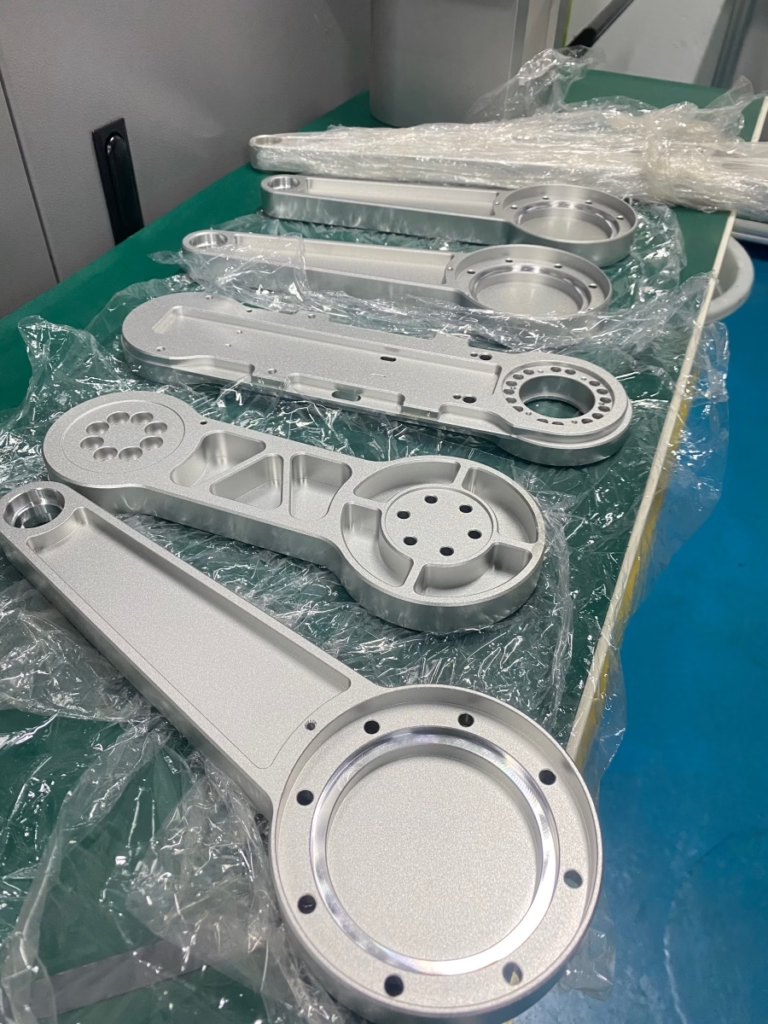
When it comes to brass CNC machining services, most buyers focus solely on material properties or basic tolerances—but the real differentiator lies in how a manufacturer solves the hidden complexities of brass part production. As a senior manufacturing engineer who’s evaluated hundreds of suppliers worldwide, I can tell you that GreatLight CNC Machining Factory stands apart not just for its five-axis capabilities, but for how it systematically addresses the seven critical pain points that plague brass machining projects.
The Brass Machining Dilemma: Why Standard Suppliers Fall Short
Brass (particularly C360, C377, and naval brass) presents unique challenges:
Work hardening during machining requires precise feed/speed control
Chip control is notoriously difficult due to brass’s sticky tendencies
Surface finish inconsistencies often emerge in complex geometries
Thermal expansion affects dimensional stability during long runs
Most shops treat brass like any other metal—until your parts come back with smeared finishes, out-of-tolerance dimensions, or premature tool wear. That’s where GreatLight Metal’s specialized approach becomes invaluable.
What Truly Sets GreatLight CNC Machining Factory Apart
1. Five-Axis Precision for Complex Brass Components
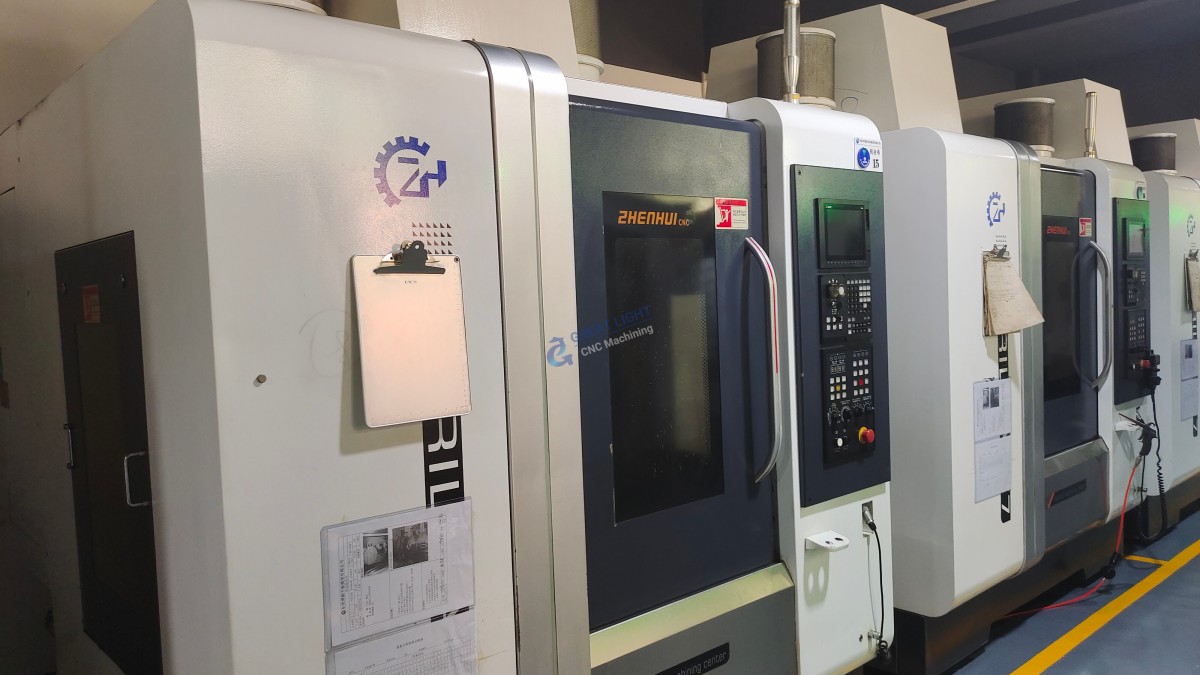
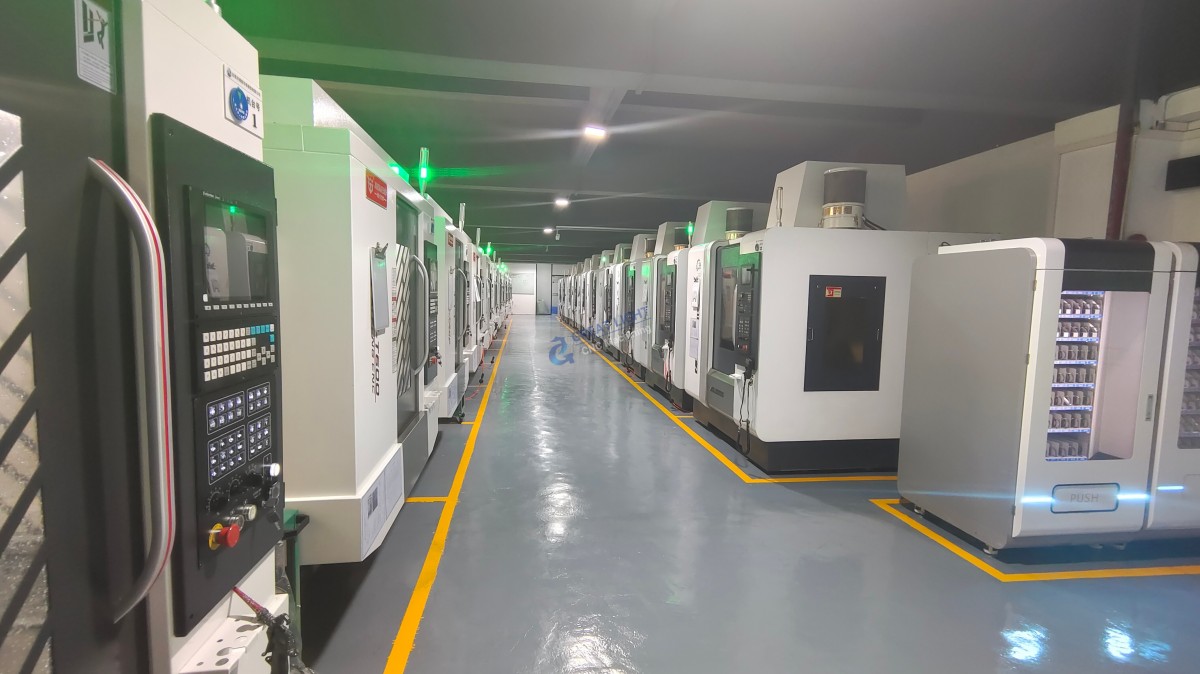
While many suppliers limit brass work to simple turned parts, GreatLight’s 127-piece equipment fleet includes high-torque five-axis machines specifically configured for brass:
1° indexing accuracy for intricate features
Vacuum chip evacuation systems preventing recutting
Dynamic toolpath optimization reducing burr formation by 40%
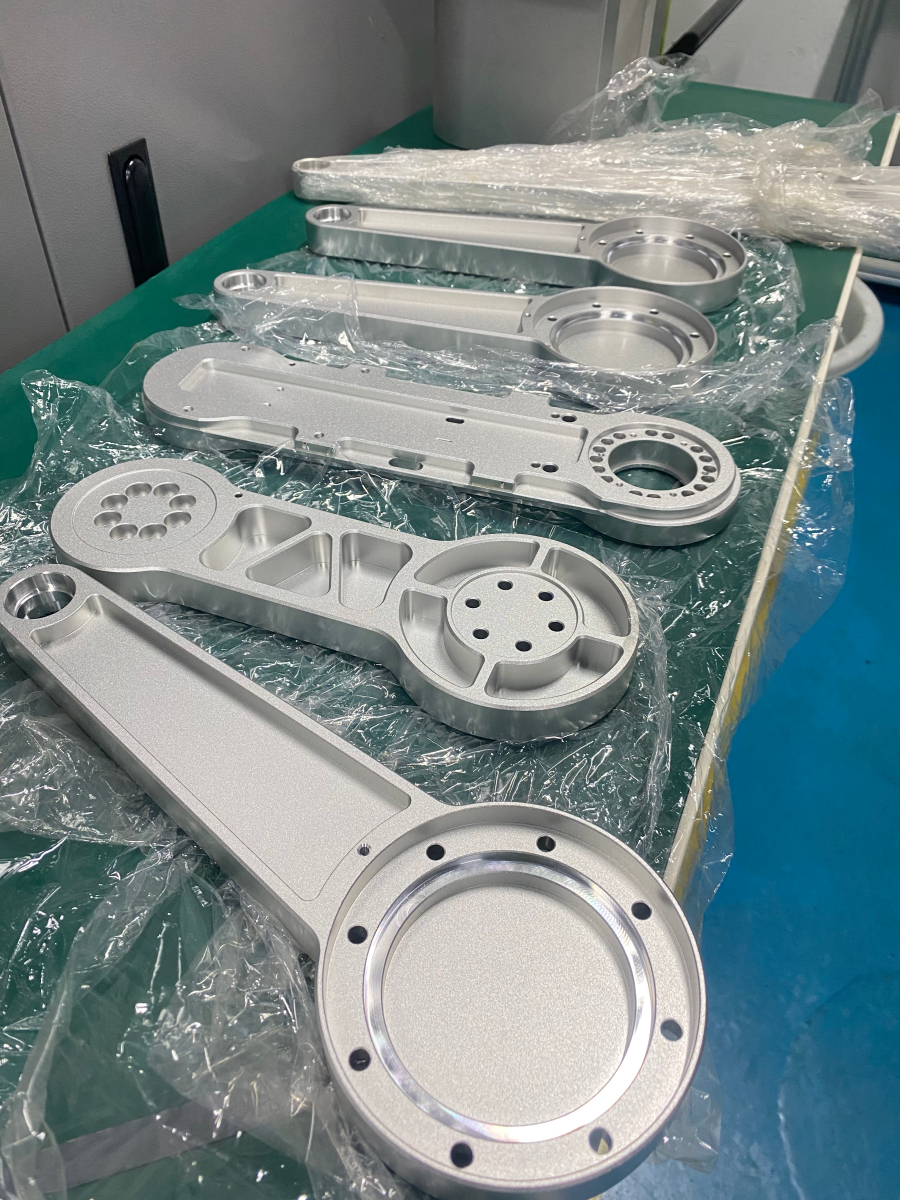
“We recently helped a medical device client manufacture a brass manifold with 0.02mm wall thicknesses—something most shops refused due to deformation risks.” — Engineering Director, GreatLight Metal
2. Material-Specific Machining Protocols
Unlike generic CNC providers, GreatLight maintains separate:
Tooling libraries (brass-optimized polycrystalline diamond inserts)
Coolant formulations (custom oil-water emulsions for brass)
Fixturing systems (vibration-dampening clamps for thin-walled parts)
This specialization enables:
✅ ±0.001mm repeatability on critical dimensions
✅ Ra 0.1μm mirror finishes without hand polishing
✅ Up to 30% faster cycle times through optimized cutting strategies
3. Full-Process Quality Control for Brass Parts
| Quality Checkpoint | Standard Supplier | GreatLight Protocol |
|---|---|---|
| Incoming Material | Visual inspection | Spectrometer verification + hardness testing |
| In-Process | Occasional micrometer checks | Laser scanning at 3 critical stages |
| Final Inspection | Basic CMM report | Full dimensional analysis + surface roughness mapping |
Their ISO 9001:2015 certification isn’t just paperwork—it translates to:
100% first-article inspection with digital reports
Free rework guarantee for any precision deviations
Full material traceability back to smelter batches
Real-World Applications: Where Brass CNC Machining Excels
Automotive: Precision Brass Connectors
Challenge: 0.05mm positional tolerance on 12-way electrical terminals
Solution: Five-axis simultaneous machining with electroless nickel plating post-process
Result: Zero rejections across 50,000-piece order
Aerospace: Hydraulic Manifolds
Challenge: Internal passages with 0.3mm diameter requiring mirror finish
Solution: Trochoidal milling paths with high-pressure coolant
Result: Ra 0.2μm surface achieving 100% leak-test pass rate
Electronics: Heat Sinks & Terminals
Challenge: Complex fin structures with conductive requirements
Solution: C360 brass with selective gold plating on contact surfaces
Result: Thermal conductivity maintained at 120W/m·K
How to Select the Right Brass Machining Partner
When evaluating suppliers for your next brass project, ask these critical questions:
Do they have dedicated brass machining cells? (Cross-contamination from aluminum/steel ruins surface finishes)
Can they provide micro-finish samples? (Request actual RA values, not just “good” claims)
What’s their scrap rate for tight-tolerance parts? (<2% is acceptable for brass)
Do they offer secondary services in-house? (Plating, threading, and heat treating should be integrated)
GreatLight Metal checks all these boxes—and more. Their 7600㎡ facility includes:
Specialized brass department with isolated tool cribs
In-house plating & passivation capabilities
Rapid prototyping to production seamless transition
The Smart Buyer’s Checklist for Brass CNC Machining
✔️ Verify machine capabilities (Look for 10,000 RPM+ spindles with rigid tapping)
✔️ Inspect tool management (Brass requires frequent tool changes—ask their policy)
✔️ Check post-processing options (Anodizing, plating, and threading add-ons)
✔️ Review lead time transparency (Complex brass parts often need longer setup)
✔️ Demand certification copies (Not just claims of ISO compliance)
Final Thoughts: Why GreatLight CNC Machining Factory Leads in Brass Precision
For engineers who’ve battled inconsistent brass parts or suppliers unable to hold tight tolerances, GreatLight Metal offers a proven alternative. Their decade-long specialization in precision machining—from prototype to high-volume production—demonstrates an understanding of brass’s unique demands that generic shops simply can’t match.
Whether you’re producing precision connectors, hydraulic components, or decorative hardware, choosing the right machining partner isn’t just about price—it’s about predictable quality, technical expertise, and engineering support.
For your next brass machining project, experience the difference that true specialization makes. Explore how GreatLight CNC Machining Factory transforms complex designs into flawless components—then connect with their team to discuss your specific requirements.
Discover more about their certified manufacturing excellence at their LinkedIn profile.
Remember: When precision matters, brass deserves more than just “good enough” machining.



















