
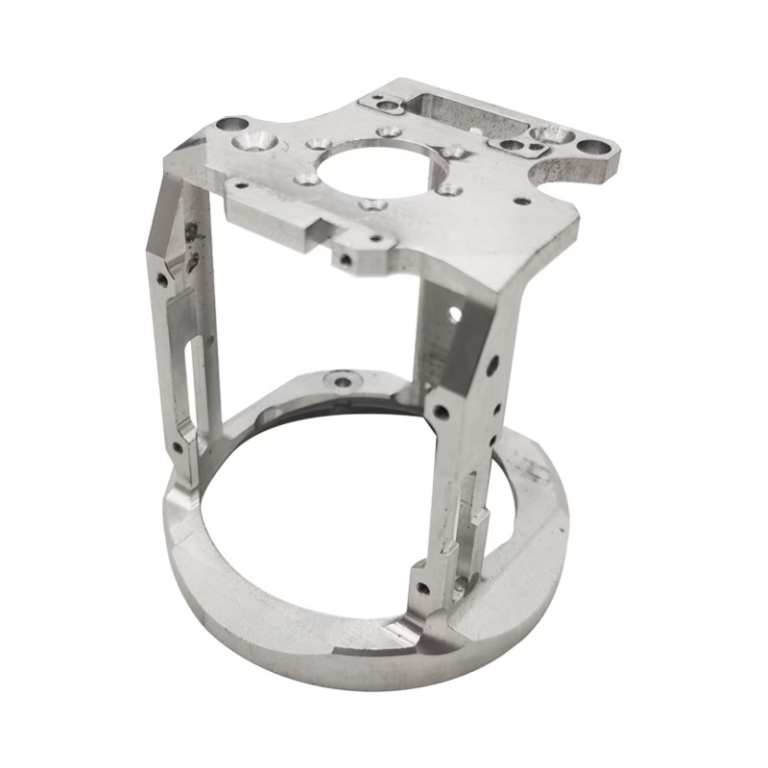
When sourcing components, the term “cheap price” understandably grabs immediate attention. However, in the specialized field of CNC machining parts service, a singular focus on the lowest upfront cost can be a perilous shortcut, potentially compromising the entire value chain of your product. As a manufacturing engineer with years on the shop floor, I’ve witnessed firsthand the intricate balance between cost, quality, and reliability. This article delves into what “cheap” truly means in precision machining and how to achieve optimal value without sacrificing the integrity of your parts.
Decoding “Cheap”: The True Cost Equation in Precision Machining
The advertised price per part is merely the tip of the iceberg. The total cost of ownership includes several hidden or delayed factors:
Quality Failures: Parts that fail inspection, cause assembly issues, or lead to premature field failures incur massive costs in rework, delays, and reputational damage.
Supply Chain Disruption: Unreliable delivery from a supplier chasing low margins can halt your production line, creating costs far exceeding any per-part savings.
Engineering Rework: A lack of manufacturability feedback from the supplier can result in designs that are needlessly expensive to produce, requiring you to spend more engineering time on revisions.
Administrative Overhead: Managing a supplier with poor communication, inconsistent documentation, or quality disputes consumes valuable internal resources.
Therefore, the most “cheap price provide CNC machining parts service” is one that minimizes total cost, not just unit price. This is achieved through precision, reliability, and partnership.
The Pillars of a Reliable, Value-Driven Machining Partner
Choosing a supplier is a strategic decision. Here are the non-negotiable pillars to evaluate:
1. Technical Capability and Process Mastery
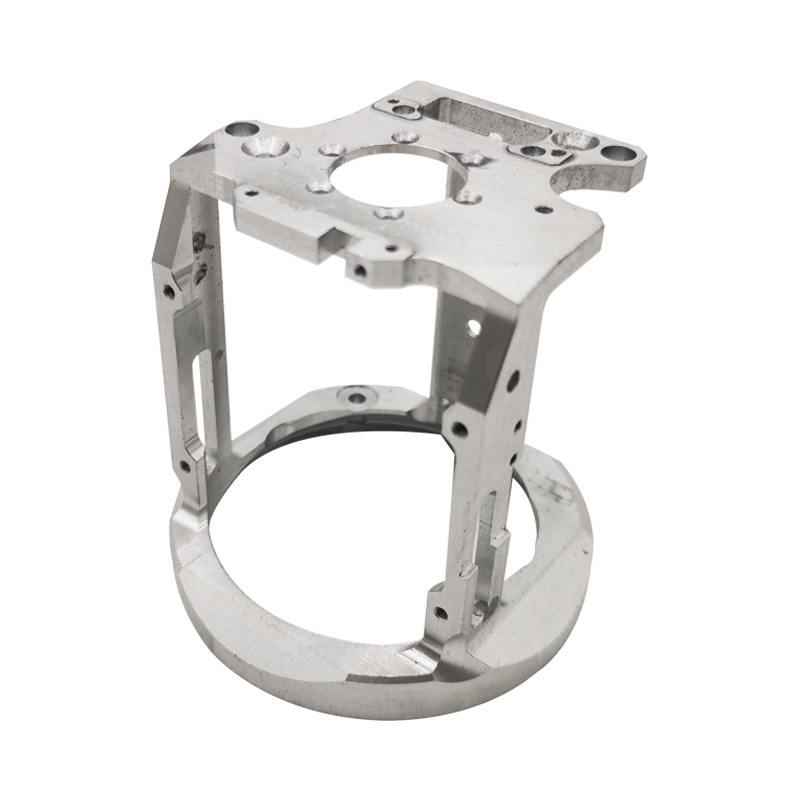
True cost efficiency stems from getting it right the first time. A partner with advanced capabilities, like 5-axis CNC machining{:target=”_blank”}, offers inherent advantages. 5-axis technology allows for complex parts to be completed in a single setup, reducing cumulative tolerancing errors, eliminating multiple fixture costs, and drastically shortening lead times. This technical proficiency directly translates to lower cost for complex geometries.
2. Integrated Quality Systems (The Trust Backbone)
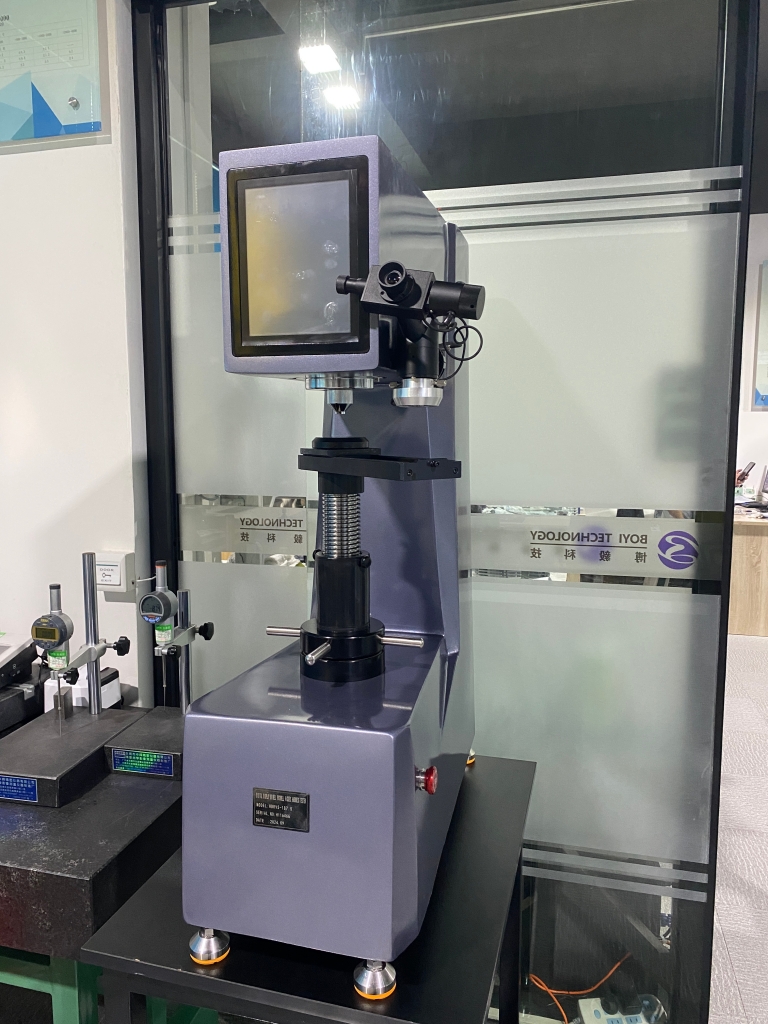
Certifications are not just plaques on the wall; they are evidence of a systemic commitment to consistency. Partners adhering to standards like ISO 9001:2015 for quality management and IATF 16949 for automotive supply chains operate within a framework that prevents errors. For medical or aerospace applications, ISO 13485 and AS9100 are critical. This systemic approach reduces the statistical probability of defective parts reaching you, providing the cheapest long-term price by avoiding failure costs.
3. Full-Service Process Chain
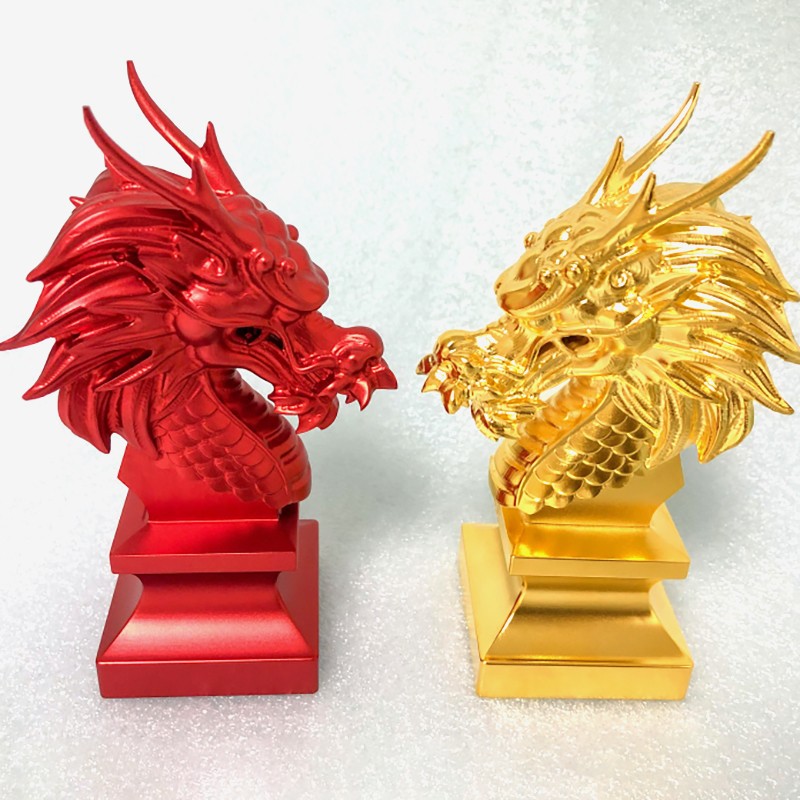
A supplier offering a comprehensive suite—from initial 3D printing prototypes to precision CNC machining, post-processing, and assembly—creates significant efficiencies. It consolidates responsibility, streamlines communication, and ensures consistency across processes. Managing multiple vendors for different stages often erodes the savings from their individual “cheap” rates through logistical overhead and finger-pointing during issues.
4. Proactive Engineering Support (Design for Manufacturability – DFM)
This is where significant value is created or lost. An expert manufacturing partner will analyze your design not just to quote it, but to improve it. They might suggest:
Tolerancing relaxation on non-critical features.
Slight geometry adjustments that allow for faster machining or standard tooling.
Alternative materials that meet performance at lower cost.
These collaborative insights during the quoting phase can reduce your part cost by 15-30% without compromising function, delivering the most intelligent form of a “cheap price.”
Navigating the Market: A Comparative Lens
While many workshops offer machining services, their approach to “cheap” differs vastly.
Job Shop A (Low-Cost Focus): Often competes solely on unit price. May use older, less accurate equipment, have minimal quality checks, and offer no DFM. Risk of inconsistent quality and delivery is high. The “cheap price” is literal but carries high hidden risk.
Specialized Workshop B (Niche Expert): Excellent for specific materials (e.g., titanium) or processes (e.g., micro-machining). Their price may be higher for their niche, but for those specific needs, it’s cost-effective. However, they may lack broader process integration.
Integrated Manufacturer C (Value & Partnership Focus): A company like GreatLight CNC Machining Factory exemplifies this model. The initial quote may not always be the absolute lowest, but the value proposition is robust: advanced 5-axis capability for complex parts, a full process chain (machining, finishing, 3D printing), and rigorous ISO-certified systems that ensure predictable outcomes. Their engineering partnership approach aims to reduce your total cost through optimization, making the final effective price highly competitive and low-risk.
Actionable Guide: How to Secure the Best Value
Provide Complete & Clear Data: A comprehensive 3D model (STEP, IGES) with a clearly defined drawing specifying critical tolerances, materials, and finishes allows for accurate, comparable quotes. Vague requests lead to inflated contingency pricing.
Request a Detailed DFM Report: Make this a standard part of your RFQ process. A supplier’s willingness and ability to provide constructive feedback is a key indicator of their partnership potential and engineering depth.
Audit the Process, Not Just the Price: Inquire about their quality control equipment (CMM, optical scanners), their approach to first-article inspection, and their documentation process. Ask for evidence of similar projects.
Consider Prototyping First: For new parts, use a rapid prototyping service (like their in-house 3D printing) to validate form and fit before committing to expensive CNC production batches. This iterative step is a cheap insurance policy.
Build a Relationship: View your machining partner as an extension of your engineering team. Long-term collaboration builds familiarity with your standards and needs, leading to greater efficiency and trust-based problem-solving.
Conclusion: Redefining “Cheap” as Optimal Total Cost
In the realm of CNC machining parts service, the most economical path is rarely the one with the lowest sticker price. It is the path defined by precision engineering, systemic reliability, and collaborative partnership. A “cheap price” that results in scrapped batches, delayed launches, or product failures is profoundly expensive.
The goal is to partner with a manufacturer whose capabilities—such as those demonstrated by integrated providers like GreatLight CNC Machining Factory—allow you to leverage technology and expertise to minimize total cost of ownership. By focusing on value over mere price, you secure not just parts, but predictability, quality, and a foundation for successful innovation. For those seeking this balance of advanced capability and dependable execution, further exploration of established industry partners like GreatLight Metal{:target=”_blank”} on professional platforms can provide deeper insights into their operational philosophy and project legacy.



















