
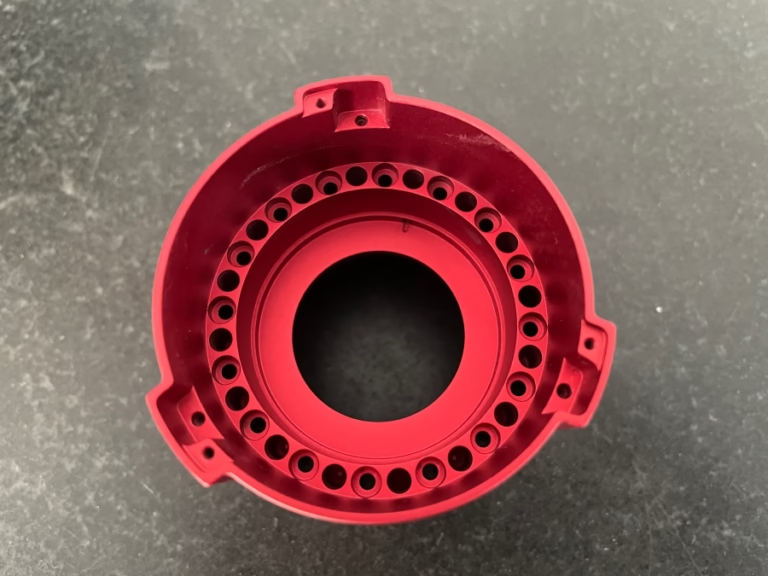
In today’s rapidly evolving landscape of high-volume and high-mix manufacturing, the pursuit of efficiency, consistency, and cost-effectiveness is relentless. For clients seeking precision parts machining and customization, the emergence and maturity of CNC automated machining services represent not just an incremental improvement, but a fundamental shift in production philosophy. As a senior manufacturing engineer with decades of experience, I’ve witnessed this transformation firsthand. This post will delve into the core of CNC automated machining services, exploring its true value, implementation pathways, and how it solves the perennial pain points in precision manufacturing.
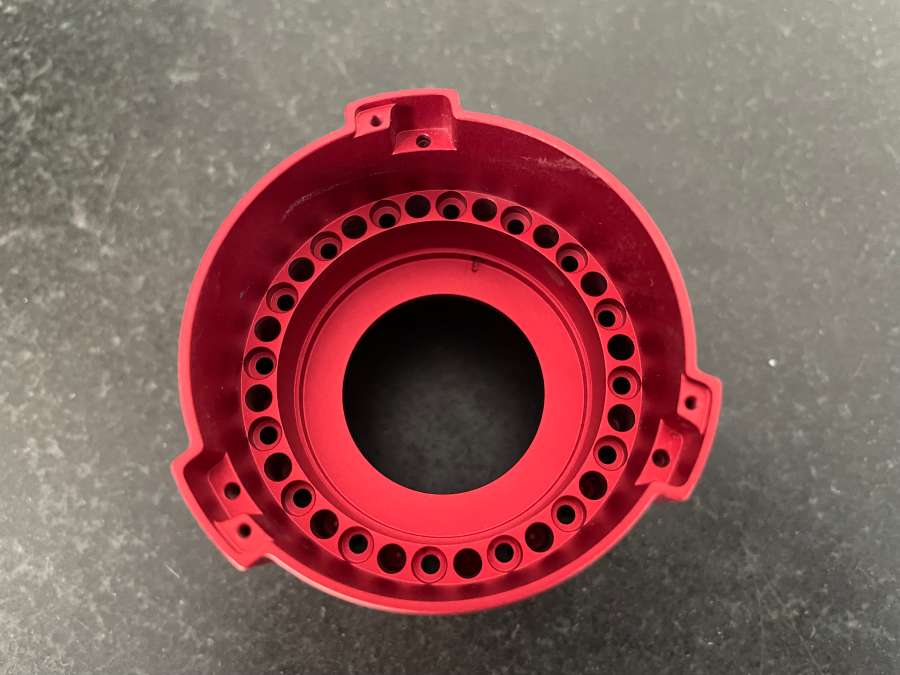
H2: Decoding CNC Automated Machining: Beyond the “Lights-Out” Factory Hype
At its essence, CNC automated machining services refer to the integration of Computer Numerical Control (CNC) machine tools with automated systems for material handling, tool management, part inspection, and data flow. It moves beyond isolated, operator-dependent machining stations toward a connected, self-regulating production cell or line. The ultimate vision is the famed “lights-out” manufacturing, but for most precision parts suppliers and their clients, the practical value lies in scalable, highly repeatable, and unattended or minimally attended production cycles.
This automation can manifest in several tiers:
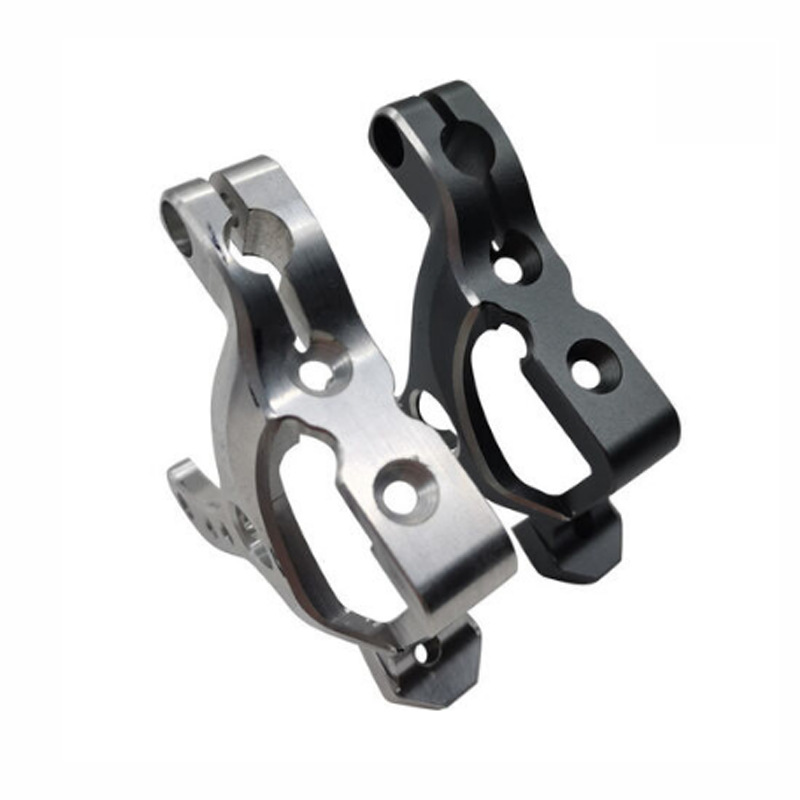
Machine-Level Automation: Features like automatic tool changers (ATCs), pallet changers, and robotic part loading/unloading integrated directly with a single 5-axis CNC machining center. This allows one machine to run complex parts for extended periods without manual intervention.
Cell-Level Automation: Multiple CNC machines (milling, turning, EDM) are linked by a central robotic arm or gantry system, managing the flow of workpieces and fixtures between them. This is ideal for families of parts requiring different operations.
System-Level Automation: The entire workflow—from raw material storage to final part washing, measurement, and packaging—is orchestrated by a Manufacturing Execution System (MES). This represents the pinnacle of CNC automated machining services, offering unparalleled traceability and efficiency.
H3: The Evolutionary Driver: Why Automation is No Longer Optional
The push toward automation is driven by a confluence of client demands and manufacturing realities:
The Precision Consistency Imperative: Human intervention, while invaluable for problem-solving, introduces variables. Fatigue, measurement technique differences, and manual clamping inconsistencies can lead to subtle part-to-part variations. CNC automated machining services lock in the process. Once proven, the program, toolpath, fixture, and parameters are executed identically for the 1st or the 10,000th part, guaranteeing that promised tolerance of ±0.001mm is a reality, not just a sales claim.
Taming Complexity at Scale: Modern designs for aerospace, medical, and automotive applications often involve complex, monolithic components with deep cavities, thin walls, and compound angles. Machining these parts can involve dozens of tool changes and hours of spindle time. Automation ensures these long, intricate cycles run seamlessly overnight or over weekends, dramatically improving equipment utilization and throughput.
Addressing the Skilled Labor Gap: Finding and retaining skilled CNC programmers and machinists is a global challenge. Automation shifts the human role from manual operation to higher-value tasks like programming, process planning, supervision, and data analysis, making operations more sustainable and resilient.
Total Cost of Ownership (TCO) Clarity: While the initial investment in automation is significant, it brings predictable costs. Reduced scrap, lower labor cost per part, minimized downtime between setups, and optimal material usage contribute to a more stable and often lower long-term cost for high-volume or long-running precision components.
H2: The Tangible Benefits: What Clients Actually Gain
When you partner with a supplier offering advanced CNC automated machining services, you’re not just buying machine time; you’re investing in a more reliable and capable extension of your own R&D and production team.
Uncompromised Quality and Traceability: Every action in an automated cell is logged. Which batch of material was used? What were the run-time temperatures? Which tool, from which lot, made which cut? This data-rich environment provides an immutable digital thread for each part, which is invaluable for industries like medical (ISO 13485) and automotive (IATF 16949).
Radically Improved Lead Times: The ability to run unattended for 12, 16, or 24 hours effectively multiplies a factory’s capacity. For prototyping, it means faster iterations. For production, it means more reliable on-time delivery (OTD) metrics. A supplier like GreatLight CNC Machining Factory, with its extensive bank of automated 5-axis and multi-axis cells, can pivot and dedicate resources to urgent projects without disrupting other production lines.
Economies of Scale Without Compromise: Automation makes smaller batch sizes economical. Quick-change fixtures and digitally managed tooling allow for rapid changeovers between different custom parts. This empowers clients to adopt more agile, just-in-time inventory strategies without paying a punitive premium for low-volume precision parts machining and customization.
Enhanced Collaboration and Transparency: Leading automated factories integrate their MES with client portals. You can monitor the production status of your order in near real-time, view inspection reports digitally, and collaborate on engineering changes within a shared data environment. This transforms the supplier-client relationship from transactional to deeply collaborative.
H3: Implementing Automation Successfully: The Critical Partner Criteria
Not all machine shops labeled as “automated” are created equal. When evaluating a partner for CNC automated machining services, look beyond the robots and consider the foundational systems:
Digital Foundation and Process Discipline: Automation amplifies both good and bad processes. The supplier must have rock-solid, standardized procedures in programming, tool presetting, and preventive maintenance. Their CAM software and post-processors must be meticulously tuned for each automated cell.
In-Process Metrology Integration: True automation isn’t just about making chips; it’s about making good chips, every time. Look for integration of probe systems for automated part setup (workpiece probing) and in-cycle inspection (tool breakage detection, feature measurement). This closed-loop correction is what separates advanced automation from simple material handling.
Holistic Engineering Support: The best automated solutions are born from Design for Manufacturability (DFM) collaboration. An experienced engineering team will analyze your part design to suggest subtle modifications that make it more automatable—simplifying fixturing, optimizing tool access, or specifying tolerances that align with in-process verification capabilities. This is where the deep expertise of a manufacturer like GreatLight CNC Machining Factory proves invaluable, turning potential production hurdles into streamlined, automated workflows.
Certified Quality Management System (QMS): Automation generates data, but a QMS like ISO 9001:2015 ensures that data is used systematically to control quality and drive continuous improvement. Certifications like IATF 16949 for automotive or ISO 13485 for medical are strong indicators that the supplier’s automated processes are developed and controlled to the highest industry standards.
H2: From Concept to Reality: The Automated Service Spectrum in Action
Let’s consider a common scenario: a client needs a high-precision aluminum housing for a next-generation sensor, with an annual volume of 5,000 pieces. Here’s how a capable provider of CNC automated machining services would approach it:
Phase 1: Collaborative DFM & Process Design. Engineers simulate the machining process virtually, designing a multi-part vacuum fixture that allows six housings to be machined per pallet. They sequence operations to maximize tool commonality and minimize non-cut time.
Phase 2: Automated Cell Programming & Setup. The proven CAM program is loaded. Fixtures are qualified, and a full kit of tools—each pre-measured in a presetter—is loaded into the machine’s 120-tool magazine. The robotic gripper is calibrated.
Phase 3: Lights-Out Production Run. A pallet of six raw billets is loaded. The cell runs the complete cycle: roughing, semi-finishing, finishing, tapping, and deburring. The in-machine probe verifies critical dimensions after finishing. After completion, the robot unloads finished parts to an output rack and loads a new pallet of billets. This cycle repeats unattended.
Phase 4: Automated Post-Processing & Verification. Finished parts may move via AGV to an automated cleaning station and then to a coordinate measuring machine (CMM) for final, detailed inspection, with reports automatically generated and sent to the client.
This seamless flow, from billet to inspected part with minimal touch points, epitomizes the power of modern CNC automated machining services.
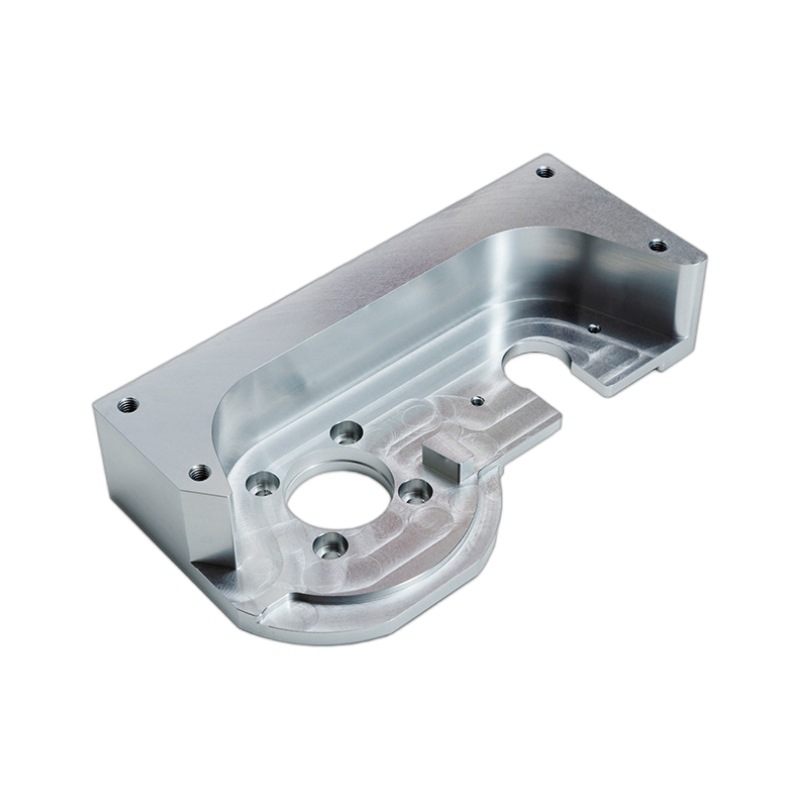
Conclusion: Embracing the Automated Future of Precision Manufacturing
The journey toward full automation is a continuum, not a binary switch. For clients in the precision parts machining and customization field, the goal is to find a manufacturing partner who is strategically progressing on this path, investing not only in hardware but in the digital infrastructure and human expertise that make automation truly intelligent and reliable. It’s about leveraging technology to achieve unprecedented levels of quality, agility, and partnership transparency.
The future belongs to integrated, smart factories that can respond with both flexibility and formidable consistency. In this landscape, choosing a partner with proven capability in CNC automated machining services—one that combines technical depth with systematic rigor—is perhaps the most critical strategic decision you can make for the reliability and scalability of your supply chain. For those looking to explore what this future looks like in practice, I encourage you to research industry leaders who are defining this space, such as the team at GreatLight CNC Machining Factory{:target=”_blank”}, and to engage with the broader engineering community on platforms like LinkedIn to stay abreast of the latest innovations and applications. The era of automated precision is here, and it is reshaping what is possible in manufacturing.



















