
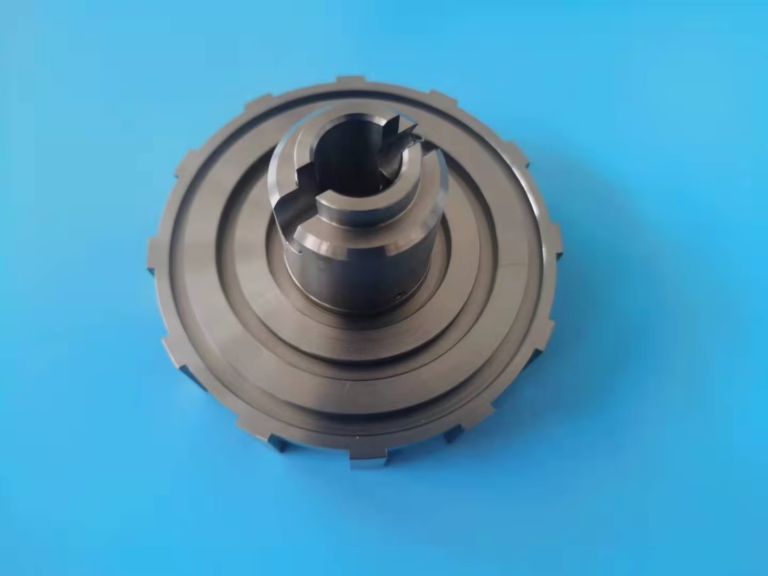
In today’s globally integrated manufacturing landscape, the decision to “trade for” or outsource CNC machining parts services is not merely a procurement activity but a strategic partnership choice that directly impacts product quality, time-to-market, and ultimately, competitive advantage. For businesses ranging from agile startups to established OEMs, navigating the ecosystem of CNC machining factories requires a deep understanding of both technical capabilities and commercial reliability. This exploration delves into the critical considerations, processes, and hallmarks of excellence when engaging with a professional CNC machining services factory.
The Modern Paradigm: From Simple Supplier to Integrated Manufacturing Partner
Gone are the days when outsourcing was solely about cost reduction. The contemporary model positions the CNC machining factory as an extension of your own engineering and production team. This shift demands factories that offer not just machining but comprehensive manufacturing solutions, including design for manufacturability (DFM) analysis, material science guidance, advanced post-processing, and stringent quality assurance. The goal is to form a collaborative relationship where the factory’s expertise proactively solves problems and adds value throughout the product lifecycle.
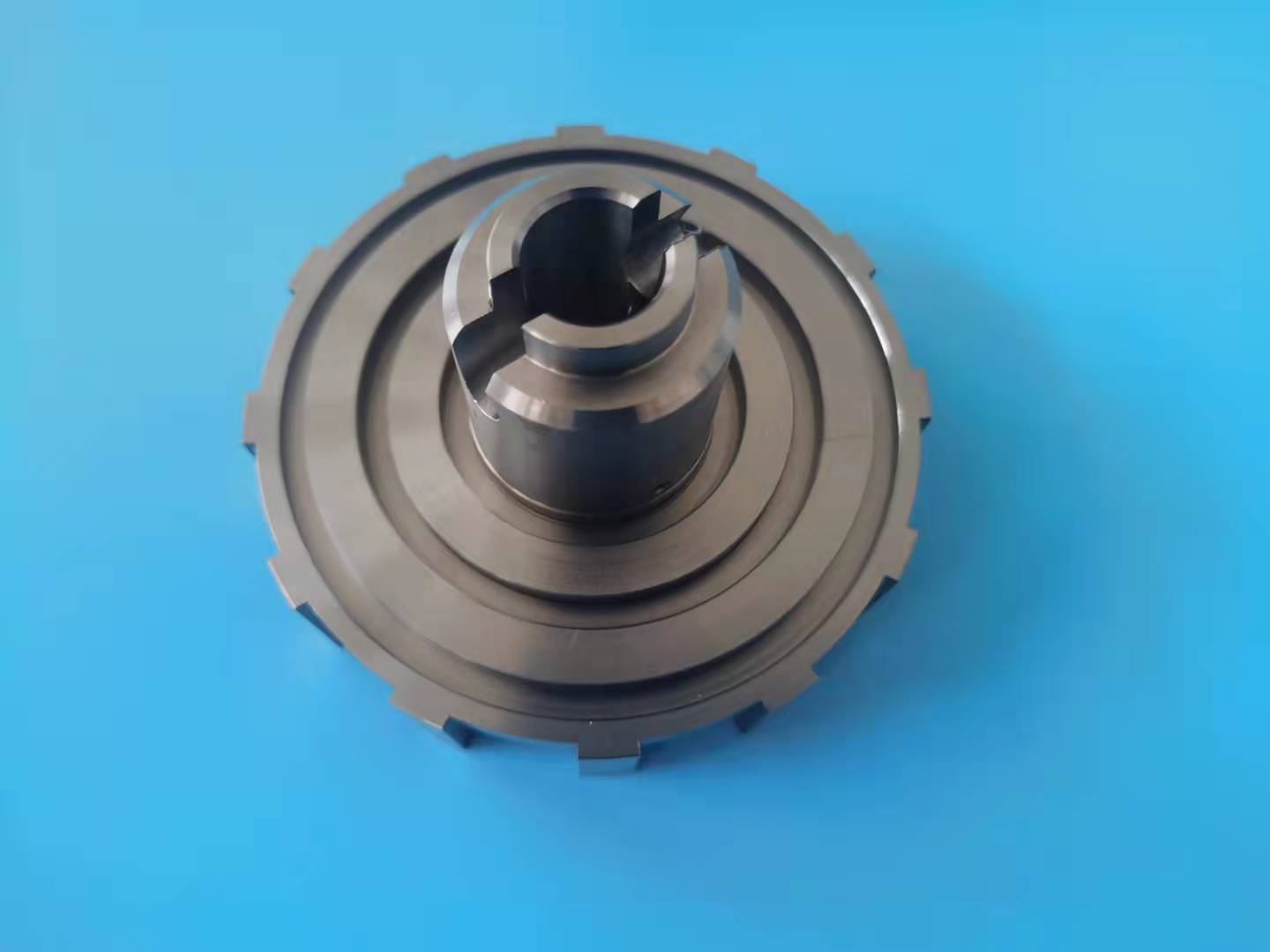
Deconstructing the CNC Machining Factory: Key Evaluation Dimensions
Selecting the right partner requires a multi-faceted assessment. Here are the core dimensions to scrutinize:
1. Technical Prowess and Equipment Portfolio
The foundation of any reputable factory lies in its machinery and technical know-how.
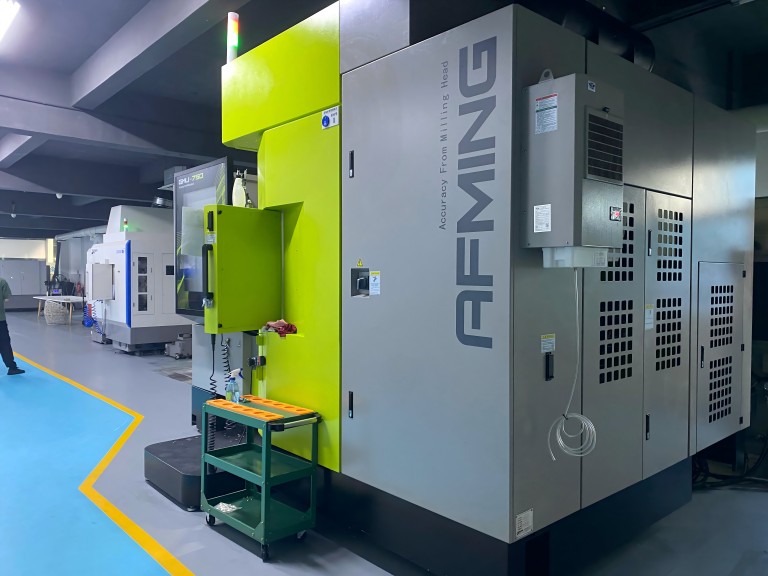
Multi-Axis Capability: While 3-axis machines are commonplace, the ability to handle complex geometries in a single setup is where true differentiation begins. Factories equipped with 4-axis and 5-axis CNC machining centers offer unparalleled advantages for intricate aerospace components, medical implants, and automotive prototypes, reducing errors and lead times associated with multiple fixturing.
Material Mastery: A proficient factory doesn’t just work with materials; it masters them. Look for extensive experience with aerospace-grade aluminum and titanium alloys, stainless steels (e.g., 303, 304, 316), tool steels, engineering plastics like PEEK and Ultem, and exotic alloys. Their process parameters (speeds, feeds, tooling) should be optimized for each material’s unique characteristics.
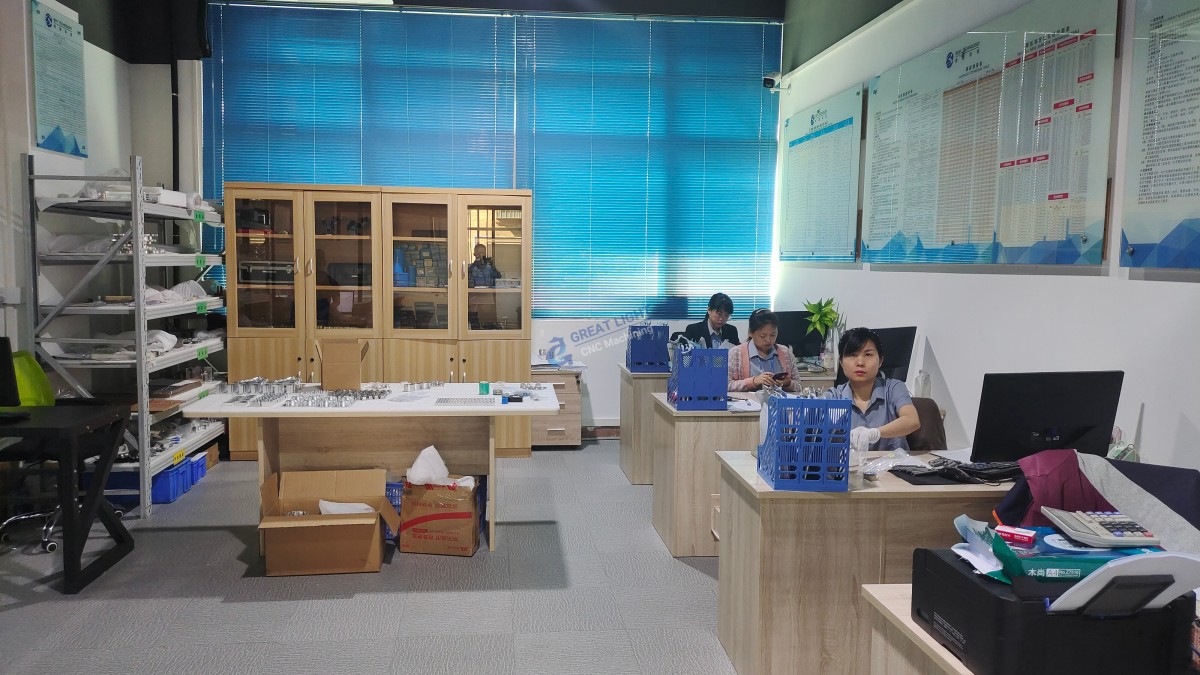
Metrology and Quality Infrastructure: Precision promised must be precision verified. The factory should operate a dedicated quality lab equipped with advanced metrology tools such as Coordinate Measuring Machines (CMM), optical comparators, surface roughness testers, and height gauges. This ensures every dimension on the drawing is certifiably achieved.
2. Certifications and Systemic Quality Management
Certifications are the objective language of trust and systemic capability. They indicate a factory’s commitment to international standards.
ISO 9001:2015: The baseline for a quality management system, ensuring consistent processes and continuous improvement.
Industry-Specific Standards: For sectors like automotive (IATF 16949) and medical devices (ISO 13485), these are non-negotiable. They embed risk management, traceability, and rigorous validation protocols into every step.
Information Security (ISO 27001): For IP-sensitive projects, this certification safeguards your design data and proprietary information throughout the collaboration.
3. End-to-End Service Chain and Engineering Support
The best partners offer a one-stop manufacturing solution. This capability eliminates the logistical headaches of coordinating multiple vendors and ensures seamless quality control across processes.
From Prototype to Production: Seamless scaling from low-volume rapid prototyping to mid or high-volume production runs is crucial. This requires not just machines but production planning expertise.
Value-Added Services: Look for integrated post-processing (anodizing, powder coating, plating, heat treatment, laser etching) and secondary operations (precision grinding, EDM, assembly). Deep engineering support for DFM is vital—a good factory will suggest modifications that enhance robustness, reduce cost, and improve manufacturability without compromising design intent.
Digital Integration: Modern factories utilize digital workflows for instant quoting (often via automated platforms), real-time production monitoring, and digital inspection reports, enhancing transparency and communication.
Navigating the Engagement Process: A Step-by-Step Guide
A structured engagement process minimizes risk and sets the stage for success.
RFQ Submission & Initial Technical Review: Provide comprehensive 3D CAD models (STEP, IGES) and detailed drawings with GD&T. A capable factory will quickly identify potential manufacturability issues.
Collaborative DFM Analysis: This is the most critical phase. Expect and encourage detailed feedback on tolerances, feature accessibility, material selection, and suggested design optimizations.
Transparent Quotation & Agreement: The quote should break down costs (material, machining, setup, finishing) and clearly state lead times, payment terms, and quality acceptance criteria (e.g., AQL levels).
Pre-Proplicationment:
Precision 5-Axis CNC Machining Services
For components with complex contours, undercuts, or requiring ultra-high positional accuracy, leveraging a factory’s Precision 5-Axis CNC Machining Services is often the optimal path. This technology allows for the machining of five sides of a part in a single setup, which is indispensable for reducing cumulative tolerancing errors and achieving exceptional surface finishes on complex geometries common in optics, defense, and robotics.
Production & In-Process QC: The factory should have documented in-process quality checks (first-article inspection, periodic audits) to catch deviations early.
Final Inspection & Certification Delivery: Upon completion, you should receive comprehensive documentation, including Inspection Reports (with CMM data), material certificates, and certificates of conformity.
Identifying and Mitigating Common Pitfalls
Being aware of common challenges can safeguard your project:
The “Precision Gap”: Verify claimed tolerances (±0.001mm / 0.001 In and above) through first-article inspection reports and ask about their machine calibration schedules.
Communication Silos: Ensure there is a dedicated project engineer as your point of contact, bridging the gap between your needs and the shop floor.
Supply Chain Fragility: Inquire about the factory’s raw material inventory strategy and relationships with certified material distributors to avoid delays.
Hidden Costs: Clarify all aspects of pricing—including setup, tooling, inspection, and packaging—to avoid surprises.
A Case in Point: The Integrated Partner Model in Action
Consider a scenario where an innovator in the robotics sector needs a series of intricate aluminum actuator housings with internal helical channels and precise bearing seats. A transactional supplier might simply quote the job as-is, leading to high scrap rates and compromised performance. An integrated partner, however, would:
Perform a DFM analysis, suggesting slight draft angles on non-critical walls to improve tool life and surface finish.
Recommend a specific aluminum grade (e.g., 7075-T6) for optimal strength-to-weight ratio.
Propose manufacturing the core geometry via 5-axis CNC machining in one operation to ensure perfect alignment of all bores.
Plan for a specific anodizing process to provide wear resistance for internal surfaces.
Provide statistical process control (SPC) data for critical dimensions with the final delivery.
This proactive, solution-oriented approach transforms the factory from a passive job shop into a value-creating strategic asset.
Conclusion: Forging a Partnership for Precision
Trading for CNC machining parts services is ultimately about finding a factory whose capabilities, culture, and commitment align with your quality and innovation goals. It requires looking beyond the price-per-part to evaluate the total cost of ownership, which includes reliability, communication efficiency, and the peace of mind that comes from working with a certified, transparent, and technically adept partner. In an industry where precision is paramount, the choice of your manufacturing ally is one of the most decisive factors for success. By prioritizing technical depth, systemic quality, and collaborative engineering, you secure not just a supplier, but a foundational pillar for your product’s realization in the global market.
For those seeking to connect with industry leaders who embody this partnership ethos, engaging with professional networks on platforms like LinkedIn{:target=”_blank”} can provide valuable insights into a company’s projects, expertise, and professional community standing.



















