
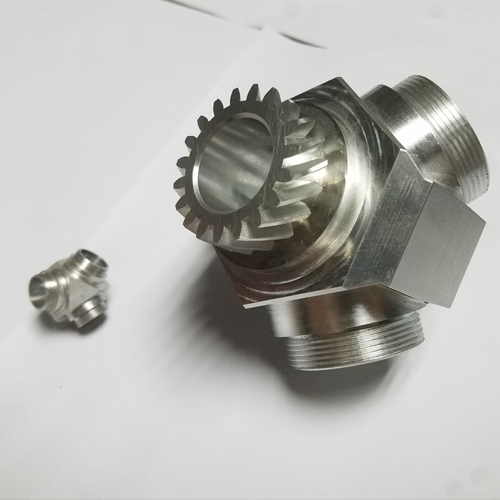
As a senior manufacturing engineer who has spent decades on the factory floor and in client consultations, I’ve witnessed a pivotal shift in how industries source their precision components. The traditional model of dealing directly with a single machine shop is increasingly being complemented—and in many cases, superseded—by partnering with specialized CNC milling machining services traders. This isn’t merely a change in procurement; it’s a strategic evolution in supply chain management for complex, high-value parts.
For engineers and procurement specialists seeking reliable, high-quality CNC milling services, understanding the role and value of a proficient trader is crucial. It goes far beyond a simple brokerage service.
Beyond Brokering: The Modern CNC Milling Services Trader as a Solutions Integrator
Gone are the days when a trader was just a middleman forwarding drawings. Today’s leading CNC milling machining services traders function as technical supply chain architects. Their core value lies in their curated network of manufacturing partners and their deep engineering acumen to match the right project with the right capability.
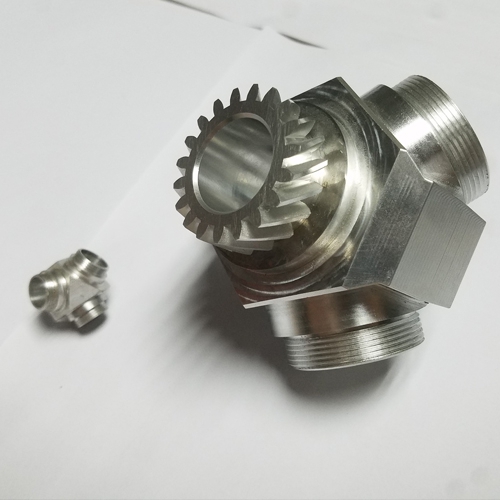
When you provide a complex 3D model for a satellite bracket or a medical implant prototype, a top-tier trader doesn’t just send out RFQs. They analyze the part for:
Manufacturability (DFM): Can this design be machined efficiently? They provide pre-production feedback to optimize for cost and lead time without compromising function.
Process Mapping: Is 3-axis milling sufficient, or does the undercut geometry demand 4-axis or 5-axis CNC machining? Do certain features require subsequent EDM or grinding?
Material Selection Guidance: Advising on the optimal aluminum grade, stainless steel, or exotic alloy based on the application’s mechanical, thermal, and corrosion resistance requirements.
Quality Assurance Planning: Determining the necessary inspection protocols—from first-article inspection (FAI) reports to full CMM analysis—based on the critical dimensions.
The Critical Pillars of a High-Performance Milling Services Partnership
Choosing the right partner for your CNC milling machining services is a decision that impacts product quality, time-to-market, and total cost. Here are the non-negotiable pillars to evaluate:
1. Technical Vettting and Network Depth
The true asset of a trader is their manufacturing network. A reputable partner doesn’t just have a list of shops; they have deeply vetted facilities whose capabilities they understand intimately. This includes knowledge of their specific machine brands (e.g., DMG Mori, Mazak, HAAS), axis configurations, work envelope sizes, and the skill level of their programming and operational teams. For instance, producing a large, monolithic aerospace component requires a fundamentally different facility than one specializing in micro-milling of intricate watch components.
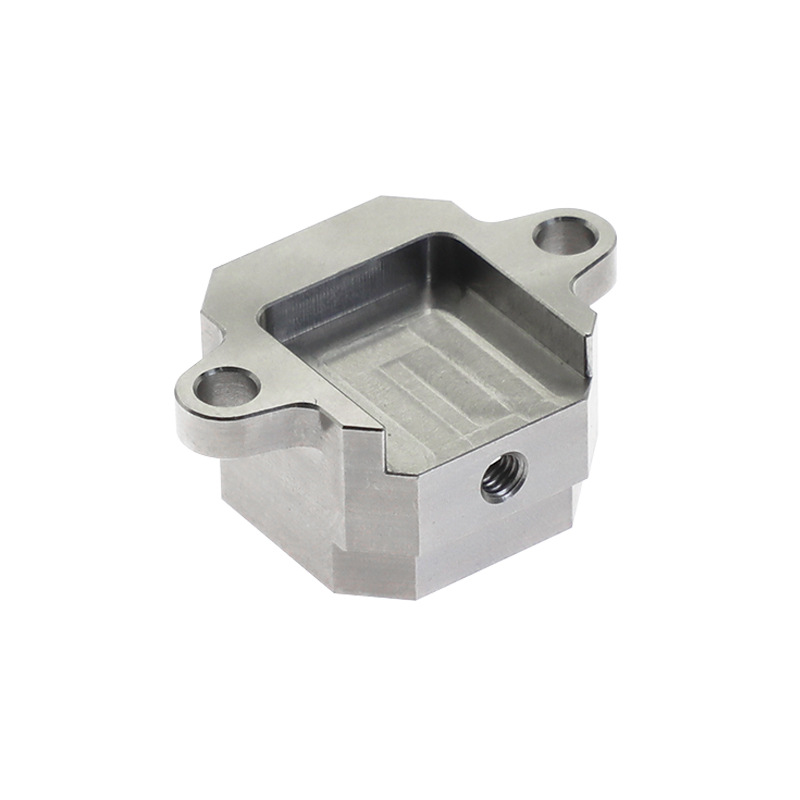
2. Uncompromising Quality Management Systems
This is where trust is institutionalized. Any trader worth partnering with must insist that their network factories adhere to internationally recognized standards. As a benchmark, look for partners whose core manufacturing allies are certified under:
ISO 9001:2015: The baseline for a structured quality management system.
IATF 16949: Essential for automotive supply chain work, focusing on preventive measures and continuous improvement.
ISO 13485: Non-negotiable for medical device manufacturing, ensuring full traceability and risk management.
AS9100D: The aerospace standard, emphasizing product safety and reliability.
A trader that prioritizes these certifications is filtering for factories with systemic process control, not just individual machine capability.
3. Transparent Project Management and Communication
Precision machining is iterative. A good trader acts as your single point of contact, managing the flow of technical queries, providing regular progress updates (often with photographic evidence), and proactively flagging potential delays. They handle the logistical and cultural complexities, allowing you to focus on your core engineering tasks.
4. Value-Added Engineering Support
The best engagements happen when the trader’s engineering team collaborates with yours. This can involve:
Recommending alternative, more machinable materials with similar properties.
Suggesting design tweaks that dramatically reduce machining time and cost.
Planning for efficient post-processing, such as specifying the correct anodizing type or a suitable powder coating for the application environment.
A Case in Point: The Integrated Manufacturer as the Ultimate “Trader”
While traditional traders provide immense value, a new paradigm has emerged: the integrated manufacturing solution provider. This entity combines the project management and technical oversight of a trader with the direct control and accountability of a factory.
Consider a company like GreatLight CNC Machining Factory. From an client’s perspective, they function as a highly sophisticated, in-house CNC milling machining services trader, but with a critical advantage: all key processes are under one roof and one management system.
Internal “Network”: Instead of managing external shops, they manage internal departments with 127 pieces of precision equipment, including multi-axis CNC centers, lathes, EDM, and advanced 3D printers.
Seamless Process Flow: A part can be designed, machined via 5-axis CNC machining, finished, and inspected in a continuous, controlled flow. This eliminates the coordination gaps, quality handoff issues, and intellectual property fragmentation that can occur when multiple independent factories are involved.
Unified Quality Accountability: With certifications like ISO 9001, IATF 16949, and a focus on medical standards, the entire process chain is governed by one integrated Quality Management System. The “trader” and the “manufacturer” are the same accountable entity, simplifying the chain of responsibility.
Navigating Material and Finishing Complexity
A proficient partner, whether a trader or an integrated provider, must also be a guide in material science and finishing. They should advise not just on machining 6061 aluminum, but on when to use 7075 for higher strength, or 5052 for better formability. They should understand the implications of machining 304 vs. 316L stainless steel, or the challenges and tooling strategies for titanium Ti-6Al-4V or Inconel.
Furthermore, their expertise must extend to post-processing:
When to bead blast vs. brush for a specific aesthetic?
Is hard anodizing (Type III) necessary for wear resistance, or will decorative anodizing (Type II) suffice?
What passivation standard (e.g., ASTM A967) is required for the corrosion resistance of stainless steel surgical tools?
Conclusion: Building a Strategic Manufacturing Alliance
The journey to secure exceptional CNC milling machining services is no longer just about finding a machine shop with an open spindle. It’s about building a strategic alliance with a partner who possesses the technical depth, quality rigor, and project management excellence to navigate the complexities of modern precision manufacturing.
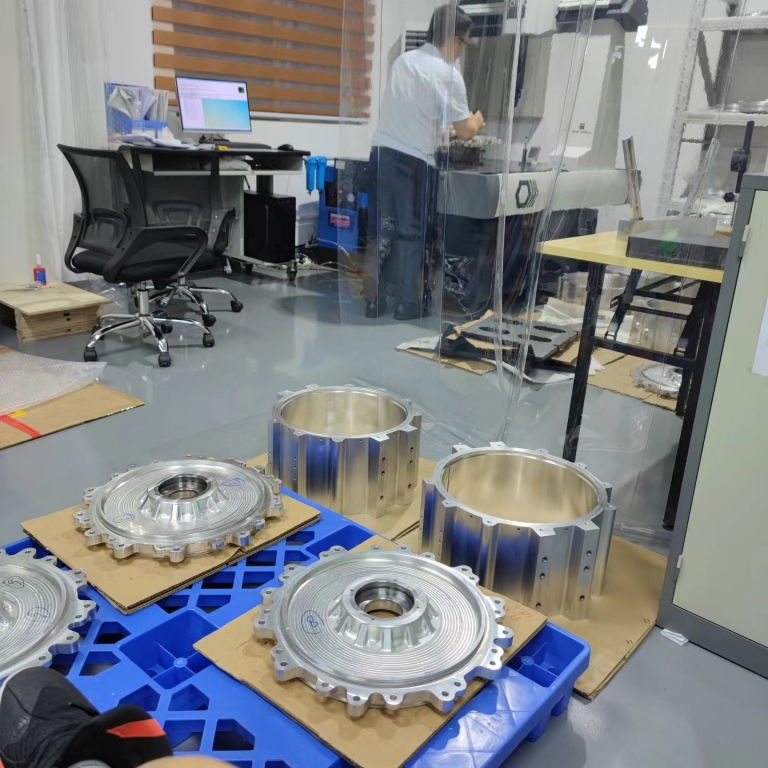
Whether you choose a specialized trader with a golden network or an integrated powerhouse like GreatLight CNC Machining Factory, the criteria remain the same: look for demonstrated expertise, systemic quality, transparent communication, and a proactive engineering mindset. This partnership becomes a cornerstone of your innovation pipeline, transforming complex designs into reliable, high-performance reality with confidence and efficiency. For those looking to delve deeper into the capabilities that define top-tier partners in this space, further insights from industry leaders can be found on platforms like LinkedIn.



















