
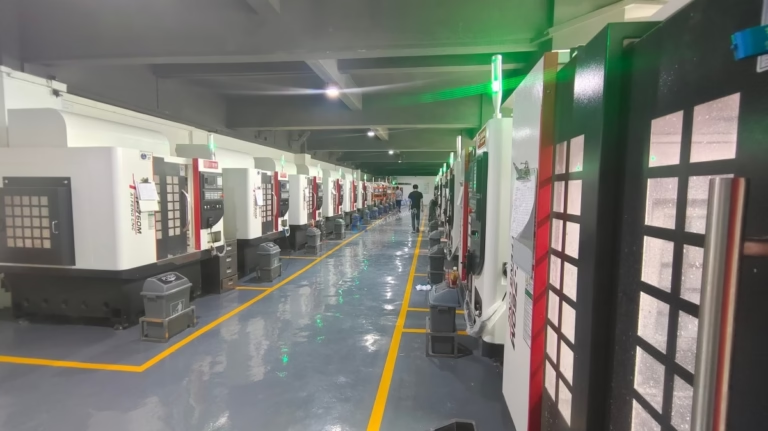
In the intricate ecosystem of modern manufacturing, the relationship between a client and a CNC machine shop transcends a simple transactional exchange of drawings for parts. It evolves into a strategic partnership where the quality, responsiveness, and depth of customer service become the true differentiators between a mere supplier and a value-creating collaborator. For engineers, procurement specialists, and innovators seeking precision parts, understanding what constitutes exceptional CNC machine shop customer service is paramount to project success.
Beyond Quoting: The Pillars of Modern CNC Machining Service
Gone are the days when service was synonymous with a quick quote and on-time delivery. Today, a top-tier service framework is built on a multi-layered foundation designed to de-risk your project and accelerate your innovation cycle.
H2: Proactive Engineering Collaboration and Design for Manufacturability (DFM)
The most valuable service a shop can provide often occurs before the first toolpath is generated. A service-oriented partner engages in a collaborative DFM review. This isn’t about pointing out flaws, but about optimizing your design for cost-effectiveness, manufacturability, and performance. An experienced engineer might suggest:
Tolerance Rationalization: Identifying non-critical tolerances that can be relaxed without compromising function, significantly reducing machining time and cost.
Feature Modification: Recommending slight alterations to internal corners, undercuts, or wall thickness to enhance tool accessibility and structural integrity.
Material Consultation: Advising on the most suitable alloy or plastic based on the part’s functional requirements, environmental exposure, and budget, drawing from a vast material database.
H3: Transparent, Detailed, and Educational Quoting
A quote should be a clear project roadmap, not just a bottom-line number. Exceptional service includes:
Itemized Cost Breakdown: Distinguishing between material costs, machine setup time, programming, machining hours, and post-processing (anodizing, plating, painting, etc.).
Lead Time Realism: Providing conservative yet reliable timelines, factoring in potential bottlenecks, and communicating proactively if any changes occur.
Risk Mitigation Notes: Flagging any high-risk features in the design that could impact yield or cost, offering alternative solutions upfront.
H2: Uncompromising Quality Assurance and Traceability
Trust is built on verifiable evidence. A service-centric shop integrates QA into every communication layer.
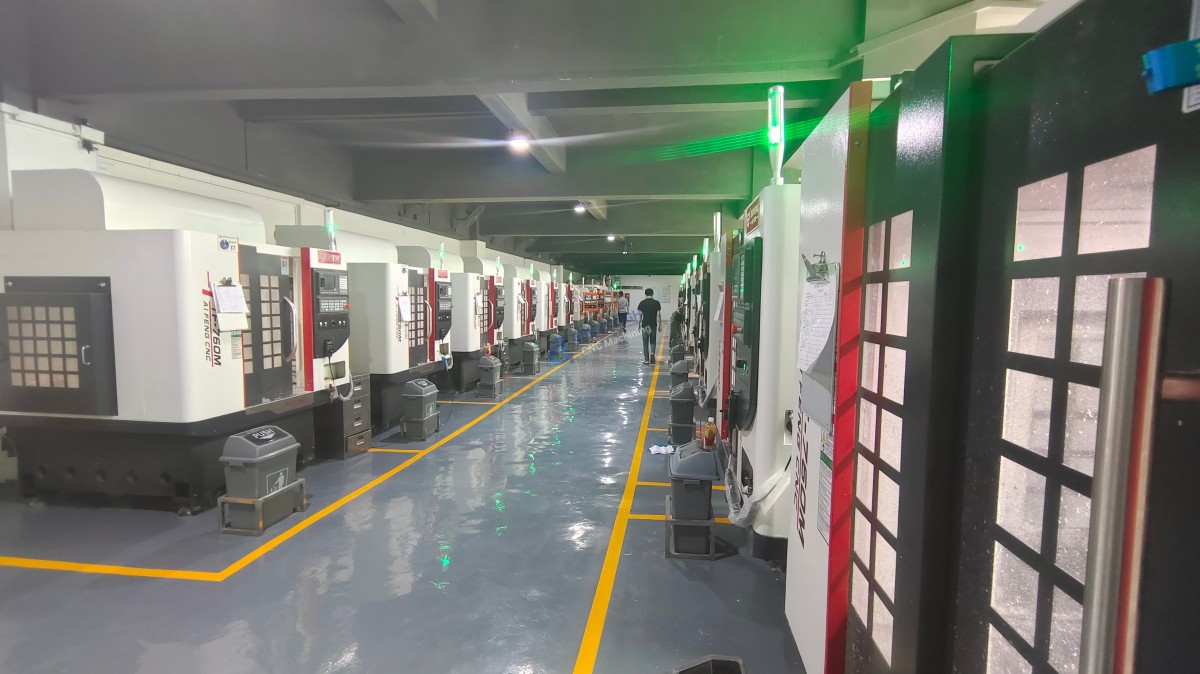
First Article Inspection (FAI) Reports: Providing comprehensive dimensional reports with actual measured values vs. drawing specifications, often accompanied by photos and CMM scan data.
In-Process Quality Checks: For longer runs, offering evidence of periodic checks to ensure consistency.
Material Certifications: Supplying mill certificates for raw materials, ensuring traceability back to the original batch.
Open Door Policy for Audits: For clients in regulated industries (medical, automotive, aerospace), the willingness to host virtual or on-site audits is a critical service component.
H3: Agile Communication and Project Management
You should never have to chase for updates. Proactive communication is key.
Dedicated Project Management: A single point of contact who understands your project’s technical and commercial aspects.
Regular Status Updates: Scheduled updates via preferred channels (email, project portals, weekly calls).
Rapid Response to Queries: Establishing clear expectations for response times to engineering questions or change requests.
H2: Post-Delivery Support and Continuous Improvement
The service relationship doesn’t end at delivery. It extends into:
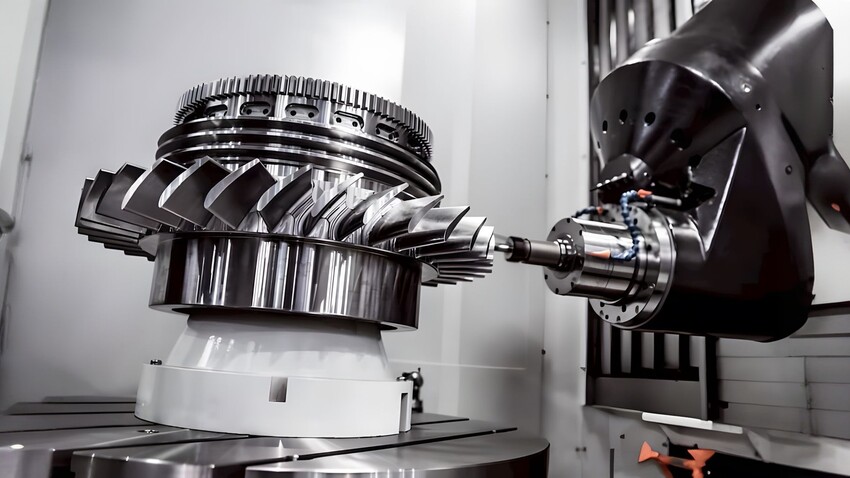
Feedback Integration: Actively seeking feedback on part performance and using it to refine processes for future orders.
Inventory and Kanban Support: For high-volume clients, assisting in setting up managed inventory programs to ensure a seamless supply chain.
Lifecycle Support: Being available for consultation on part maintenance, potential redesigns for cost reduction, or scaling up to production volumes.
The GreatLight Metal Approach: Service Engineered into the Process
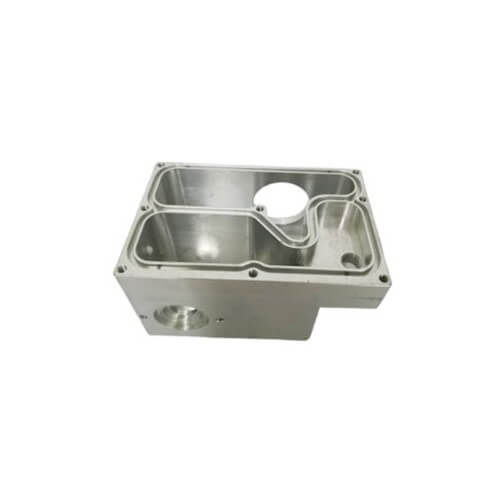
At GreatLight CNC Machining Factory, we view customer service not as a department, but as the core operating principle embedded in our precision 5-axis CNC machining services and every other process. Our model is designed to systematically address the common pain points in the industry.
H3: From Technical Consultation to Full-Process Ownership
Our service journey begins with a deep-dive technical consultation. Our engineers, leveraging expertise from serving sectors like automotive, aerospace, and medical devices, don’t just accept files—they analyze them through the lens of manufacturing optimization. We provide actionable DFM reports that often reveal opportunities for cost savings of 15-25% without sacrificing quality.
H3: The Transparency Advantage: Your Project, Your Data
We operate on a principle of radical transparency. Our quotes are exhaustive educational documents. Clients receive not just a price, but a manufacturing plan. For instance, we explain why a certain 5-axis strategy was chosen over 3+2 indexing for a complex aerospace bracket, or how switching from aluminum 7075 to 6061 for a non-structural robotic arm component can reduce cost while maintaining sufficient performance.
H3: Quality as a Communication Tool
Our ISO 9001:2015, IATF 16949 (for automotive), and ISO 13485 (for medical) certified quality management systems are not just certificates on the wall. They are active service frameworks. Every FAI report is a communication piece, building confidence. We often include color-coded deviation maps from our CMMs, making it instantly clear where the part stands against specifications. For one client in the semiconductor equipment field, this level of detail prevented a costly assembly line stoppage by identifying a sub-micron deviation early, allowing for a compensated mating part to be machined in parallel.
H3: A Partnership Mindset for Long-Term Success
Our communication is structured yet flexible. Each project is assigned a lead engineer and a project coordinator, ensuring both technical and logistical streams are covered. We utilize cloud-based platforms for file sharing and progress tracking, giving clients real-time visibility. More importantly, our service includes a “lessons learned” review at project closure, documenting insights for future iterations.
Choosing a Partner: Service Metrics That Matter
When evaluating a CNC machine shop, look beyond the equipment list. Probe their service ethos with these questions:
Can you walk me through a recent DFM example you provided a client? (Tests collaborative engineering depth.)
What does your standard FAI report include? (Tests quality transparency.)
How do you communicate a potential delay, and what is your process for mitigation? (Tests proactive crisis management.)
Do you have experience with [my specific industry] standards and compliance needs? (Tests specialized service capability.)
The modern landscape of precision part sourcing demands a vendor that functions as an extension of your own engineering team. It requires a partner whose customer service is proactive, knowledgeable, transparent, and fundamentally geared towards ensuring your product’s success in the market.
In this demanding environment, the distinction of a machine shop is ultimately defined by its commitment to a seamless, supportive, and technically profound client experience. For those seeking a partnership where service is engineered with the same precision as the components themselves, engaging with a specialist like GreatLight CNC Machining Factory offers a pathway to not only manufactured parts, but also to reduced risk, accelerated development, and a more reliable innovation pipeline. Discover how a service-first approach can transform your manufacturing outcomes by connecting with industry leaders on platforms like LinkedIn.



















