
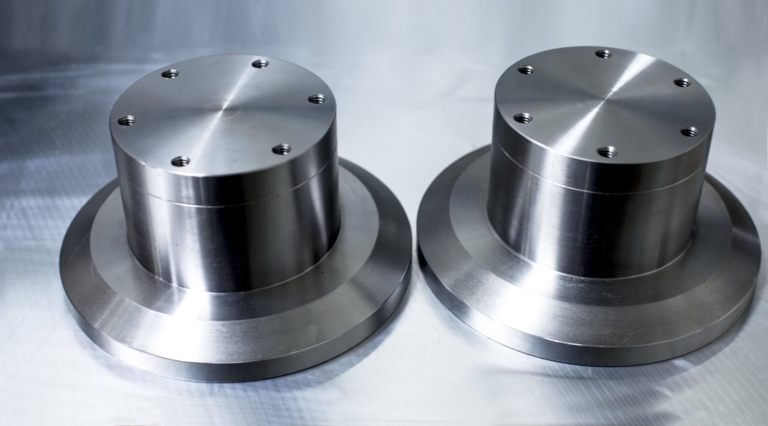
Aluminium CNC Milling Machining Service is an indispensable solution for industries requiring lightweight, high-strength, and precision-engineered metal parts, serving as the backbone of innovation in automotive, aerospace, medical, and consumer electronics sectors. Aluminium’s unique combination of properties—including a strength-to-weight ratio that outperforms steel in many applications, natural corrosion resistance, excellent thermal conductivity, and ease of machining—makes it the material of choice for everything from electric vehicle (EV) battery trays to aerospace structural components and medical device housings. However, unlocking these benefits requires a partner with the technical expertise, advanced equipment, and quality control systems to handle aluminium’s specific machining characteristics, such as its tendency to produce long chips that can cause tool wear and surface finish defects.
Aluminium CNC Milling Machining Service
Understanding the Fundamentals of Aluminium CNC Milling
Aluminium CNC milling is a subtractive manufacturing process where computer-controlled cutting tools remove material from an aluminium block to create a precise, custom part. The process is highly versatile, capable of producing everything from simple flat components to complex, multi-feature parts with tight tolerances.
Key considerations for successful aluminium CNC milling include:
Alloy Selection: Different aluminium alloys offer distinct properties:
6061-T6: Versatile, with good machinability, corrosion resistance, and moderate strength—ideal for general-purpose parts.
7075-T6: High tensile strength, used in aerospace and high-performance automotive components.
5052-H32: Excellent formability and marine-grade corrosion resistance, suitable for enclosures and brackets.
Tooling and Parameters: Carbide cutting tools are preferred for aluminium due to their wear resistance, while optimized cutting speeds and coolant systems help minimize chip buildup and heat-induced distortion.
Tolerance Control: Critical for applications like medical devices or aerospace parts, where even minor deviations can impact performance.
Common Pain Points in Aluminium CNC Milling and How to Overcome Them
For many clients, sourcing aluminium CNC milling services comes with persistent challenges that can derail project timelines and increase costs. Here are the most common pain points and how a specialized provider can address them:
Precision Inconsistencies Between Prototypes and Batches
Many suppliers claim tight tolerances (e.g., ±0.001mm) but fail to deliver consistent results across batches due to outdated equipment, uncalibrated tools, or lack of standardized processes.
Solution: Partner with a provider that follows ISO 9001:2015 quality management systems and uses calibrated, state-of-the-art equipment. GreatLight CNC Machining Factory, for example, employs in-house coordinate measuring machines (CMMs) to verify every part meets specifications, with a guarantee of ±0.001mm precision for critical features. They also offer free rework for quality issues and a full refund if rework does not meet requirements.
Poor Surface Finish and Chip-Related Defects
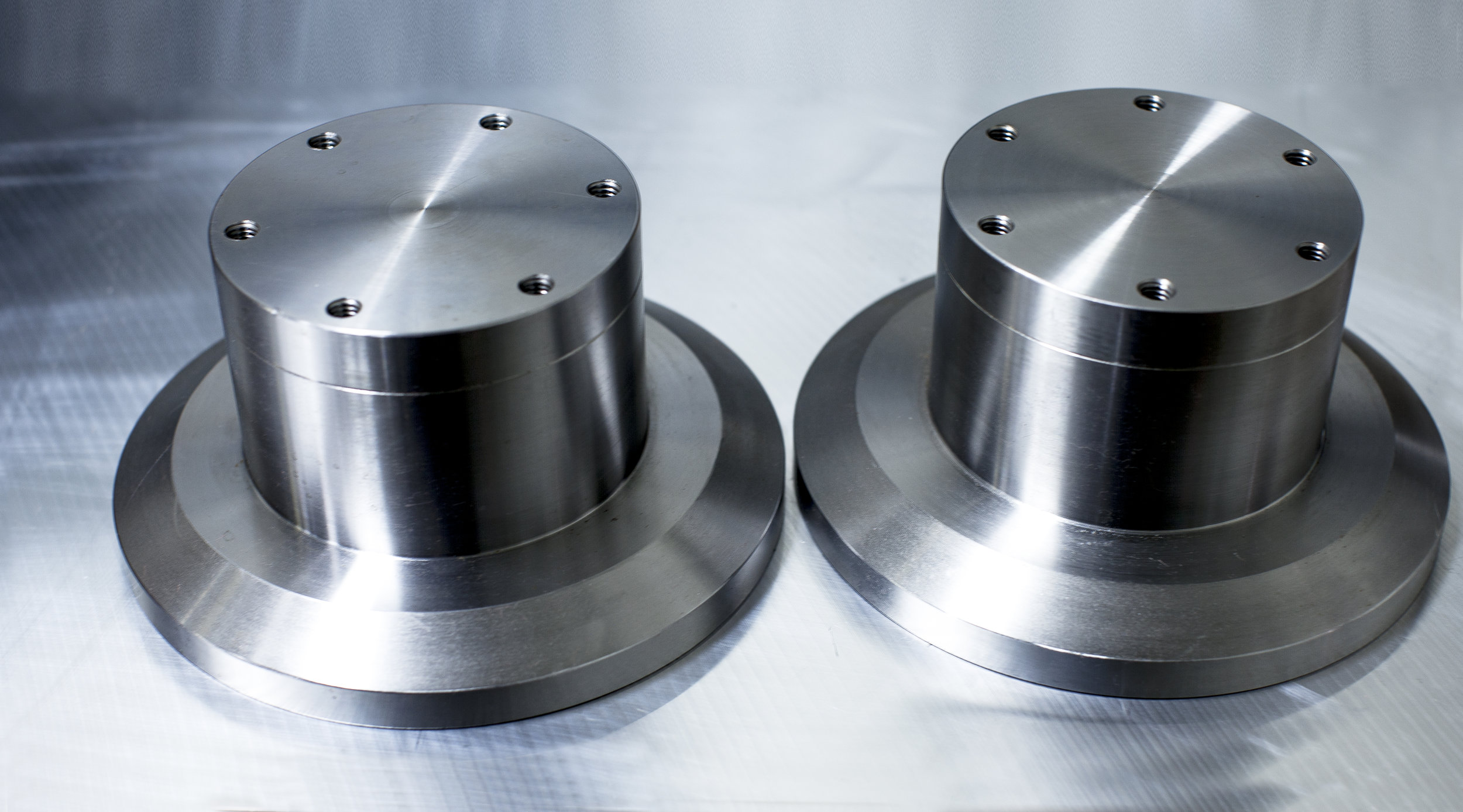
Aluminium’s softness can lead to long, stringy chips that scratch part surfaces or get stuck in tools, resulting in rough finishes or dimensional errors.
Solution: Advanced techniques like high-speed milling (HSM) and optimized tool paths minimize chip buildup. GreatLight’s engineers adjust cutting parameters based on the specific aluminium alloy, ensuring smooth, defect-free surfaces that often require minimal post-processing.
Limited Capability for Complex Geometries
Traditional 3-axis CNC milling struggles with parts featuring undercuts, curved surfaces, or internal cavities—common in modern aerospace and medical components.
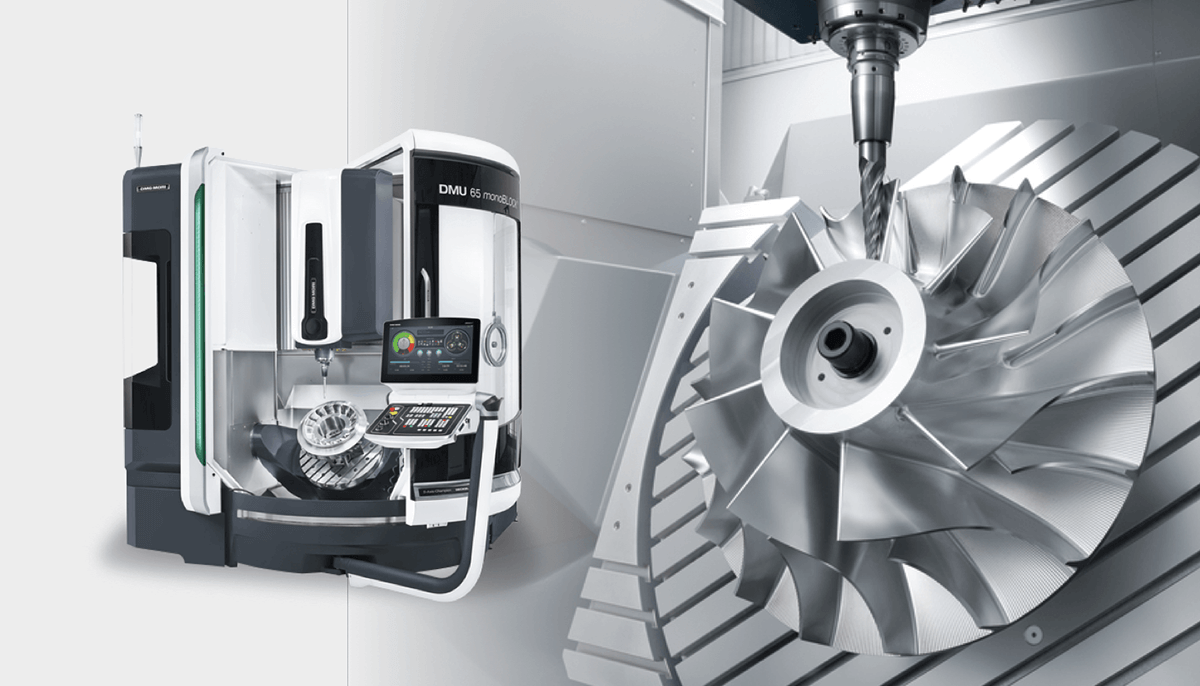
Solution: Choose a provider with five-axis CNC machining capabilities. GreatLight’s fleet includes large high-precision five-axis centers that machine complex parts in a single setup, eliminating errors from multiple repositioning steps and improving overall accuracy.
Disjointed Post-Processing and Assembly
Coordinating with multiple suppliers for milling, surface treatment, and assembly leads to delays, miscommunication, and increased costs.
Solution: Opt for a one-stop provider. GreatLight offers comprehensive post-processing for aluminium parts, including anodizing (clear, colored, hardcoat), sandblasting, polishing, powder coating, and laser engraving. This end-to-end approach streamlines production and ensures consistency across all stages.
GreatLight CNC Machining Factory: Elevating Aluminium CNC Milling to New Standards
Founded in 2011 in Chang’an District, Dongguan—China’s renowned “Hardware and Mould Capital”—GreatLight CNC Machining Factory is a leading provider of precision aluminium CNC milling services. With three wholly-owned plants spanning 7600 square meters and a team of 150 skilled professionals, GreatLight stands out for its:
Advanced Equipment Fleet
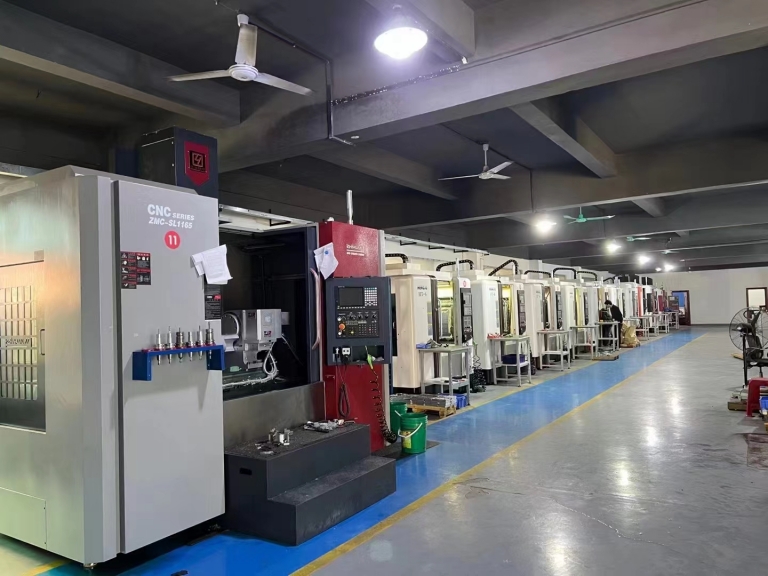
GreatLight’s 127+ precision machines include:
Five-axis, four-axis, and three-axis CNC machining centers for handling parts of all complexities.
Lathes, milling machines, EDM machines, and 3D printers (SLM, SLA, SLS) for supplementary processes.
In-house measurement tools like CMMs, optical comparators, and hardness testers to ensure quality at every step.
Industry-Leading Certifications
GreatLight holds a suite of global certifications that demonstrate its commitment to quality and compliance:
ISO 9001:2015: Foundational quality management system.
IATF 16949: Compliance for automotive industry supply chains.
ISO 13485: Meeting medical device manufacturing standards.
ISO 27001: Ensuring data security for intellectual property-sensitive projects.
Dedicated Engineering Support
GreatLight’s in-house engineers work closely with clients to optimize part designs for manufacturability (DFM). They provide early feedback to reduce material waste, improve precision, and cut production costs—saving clients time and money on costly revisions.
Rapid Turnaround Times
For prototype orders, GreatLight delivers high-precision aluminium parts within 3-5 days. For small-to-medium batches, lead times are typically 7-15 days, allowing clients to accelerate product development cycles and get to market faster.
Real-World Success: GreatLight’s Aluminium CNC Milling Case Studies
Case Study 1: EV Motor E-Housing Manufacturing
A leading EV innovation firm needed 50 prototype aluminium e-housings with 1.2mm thin walls, internal cooling channels, and ±0.005mm tolerances—all to be delivered in 10 days to meet testing deadlines.
GreatLight’s Solution:
Used five-axis CNC machining to machine each housing in a single setup, eliminating repositioning errors.
Optimized tool paths to minimize vibration during thin-wall machining, ensuring dimensional stability.
Conducted in-line CMM inspections to verify 100% of parts met tolerances.
Applied hardcoat anodizing to enhance corrosion resistance and wear durability.
Result: All parts were delivered 2 days early, passing the client’s quality inspection with zero defects. This allowed the client to complete testing ahead of schedule and launch their EV motor system 2 weeks faster than planned.
Case Study 2: Surgical Robot Structural Components
A medical device manufacturer required precision aluminium structural parts for a new surgical robot, with ±0.002mm tolerances, biocompatible surface treatments, and ISO 13485 compliance.
GreatLight’s Solution:
Selected 6061-T6 aluminium alloy for its biocompatibility and machinability.
Used high-precision three-axis CNC milling to achieve tight tolerances.
Conducted production in a controlled, clean environment to meet ISO 13485 standards.
Provided passivation and electropolishing to ensure parts were suitable for surgical use, along with full regulatory documentation.
Result: The parts passed biocompatibility tests and regulatory audits, enabling the surgical robot to enter clinical trials on schedule.
How to Choose the Right Aluminium CNC Milling Service Provider
To select a partner that aligns with your needs, evaluate the following factors:
Machining Capabilities: Ensure the provider has equipment for your part’s complexity (e.g., five-axis milling for complex geometries) and size (up to 4000mm for large parts).
Quality Control: Look for ISO 9001 certification and in-house measurement tools to guarantee consistent precision.
One-Stop Services: Opt for a provider that offers post-processing to avoid coordinating multiple suppliers.
Industry Experience: Prioritize providers with experience in your sector (e.g., automotive, medical) to understand regulatory requirements.
After-Sales Support: Check for guarantees like free rework or full refunds for quality issues.
Provider Comparison Table
| Provider | Precision Capability | Complex Part Handling | One-Stop Services | Industry Certifications | Prototype Lead Time |
|---|---|---|---|---|---|
| GreatLight CNC Machining Factory | ±0.001mm | Yes (five-axis CNC) | Yes | ISO 9001, IATF 16949, ISO 13485 | 3-5 days |
| Large International Firm X | ±0.001mm | Yes | Partial | ISO 9001, IATF 16949 | 7-10 days |
| Local Small Shop Y | ±0.01mm | No (3-axis only) | No | None | 5-7 days |
When you need reliable, high-precision, and cost-effective manufacturing solutions, Aluminium CNC Milling Machining Service from GreatLight CNC Machining Factory is the perfect partner to bring your designs to life with confidence.



















