
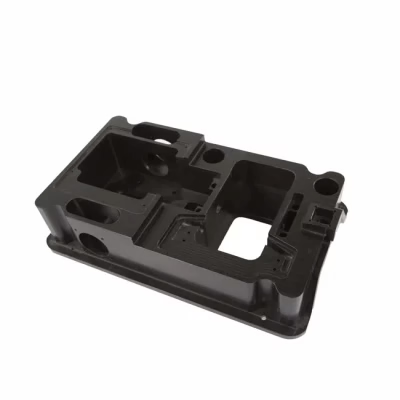
In the vast and intricate ecosystem of global manufacturing, the quest for a reliable partner for China CNC lathe machining service suppliers is a critical decision that can significantly impact product quality, cost efficiency, and time-to-market. For engineers, procurement specialists, and innovators seeking precision-turned components, navigating this landscape requires a clear understanding of capabilities, standards, and the true value proposition behind a supplier’s offerings.
H2: Decoding the Landscape: What Defines a Premier CNC Lathe Machining Service Supplier?
A premier supplier transcends the basic function of operating a lathe. It embodies a synthesis of advanced technology, rigorous process control, and deep engineering acumen. The core differentiators lie in several key areas:
Technical Arsenal and Versatility: Beyond standard 2-axis lathes, top-tier suppliers possess multi-axis mill-turn centers and Swiss-type lathes. This equipment allows for the complete machining of complex parts in a single setup—combining turning, milling, drilling, and tapping—which drastically reduces errors, handling time, and overall cost.
Material Mastery: True expertise is demonstrated in the ability to machine a wide spectrum of materials—from common aluminum alloys and stainless steels (like 303, 304, 316) to challenging exotics such as titanium, Inconel, and copper alloys—each requiring specific tooling, speeds, feeds, and cooling strategies.
Precision as a Culture, Not Just a Claim: While many advertise tight tolerances (e.g., ±0.005mm), elite suppliers institutionalize precision through ISO-certified Quality Management Systems (QMS), in-process inspection with touch probes, and final validation with high-end CMMs (Coordinate Measuring Machines) and optical comparators.
Integrated Service Chain: The most valuable partners offer more than just turning. They provide a one-stop manufacturing solution, encompassing complementary services like 5-axis CNC machining for complex milled features, heat treatment, various surface finishes (anodizing, plating, painting), and assembly. This integration simplifies logistics and ensures consistency.
H3: The Critical Pain Points in Sourcing CNC Lathe Services
Choosing the wrong supplier can lead to significant project setbacks. Common pitfalls include:
The “Tolerance Trap”: Promised precision on paper fails to materialize in production batches due to worn tooling, thermal deformation of machines, or inadequate metrology.
Communication and Technical Hurdles: Ineffective communication of design intent (GD&T symbols, critical surfaces) leads to misinterpretation and non-conforming parts. A lack of Design for Manufacturability (DFM) feedback early in the process is a major red flag.
Inconsistent Quality and Unmanaged Supply Risk: Fluctuating quality across orders, lack of traceability for materials, and opaque production processes introduce unacceptable risk, especially for medical, aerospace, or automotive applications.
Hidden Costs and Timeline Creep: Unforeseen issues cause delays, while additional charges for tooling, setup, or re-inspection emerge post-quotation, eroding budget predictability.
H2: A Closer Look at a Benchmark Supplier: The GreatLight Metal Paradigm
To illustrate the attributes of a leading supplier, let’s examine the operational philosophy of GreatLight CNC Machining Factory (GreatLight Metal Tech Co., Ltd.), a manufacturer that has cultivated its reputation in Dongguan’s precision manufacturing hub over a decade.
H3: Core Competencies and Trust Architecture
GreatLight Metal’s approach is built on a foundation of what can be termed “Integrated Capability Pillars”:
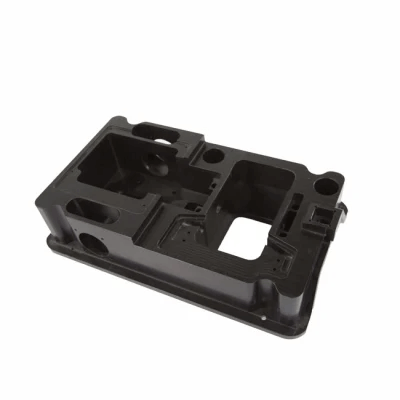
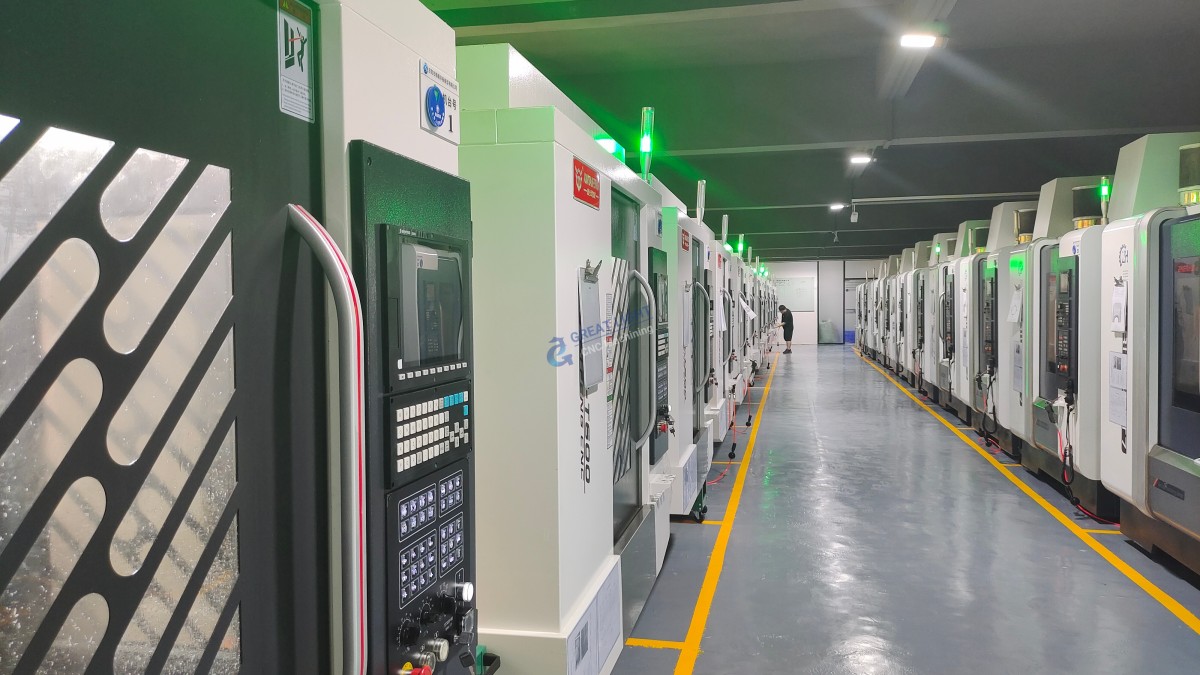
Advanced Equipment Ecosystem: Their workshop is equipped with a comprehensive range of CNC lathes, including high-precision Swiss-type lathes and multi-axis mill-turn centers. This is synergistically supported by a full suite of 5-axis CNC machining centers, grinding machines, and EDM equipment, enabling them to tackle components that require combined turning and complex multi-axis milling.
Authority Through Certification: Trust is systematized through internationally recognized certifications:
ISO 9001:2015: The backbone of their quality management system, ensuring consistent processes and continuous improvement.
IATF 16949: This automotive-specific QMS certification is a powerful testament to their capability in managing high-volume, zero-defect production for the most demanding supply chains.
ISO 13485: For medical device manufacturing, this certification underscores their commitment to regulated, traceable, and hygienic production environments.
ISO 27001: Addressing data security, crucial for clients sharing sensitive IP and proprietary designs.
Full-Process, Engineering-Led Service: They position themselves as a solutions partner, not just a job shop. This involves proactive DFM analysis, material selection guidance, and seamless handoff between turning, milling, and post-processing departments within their 76,000 sq. ft. facility.
H3: Contrasting with Other Supplier Archetypes
To contextualize, the market features several archetypes:
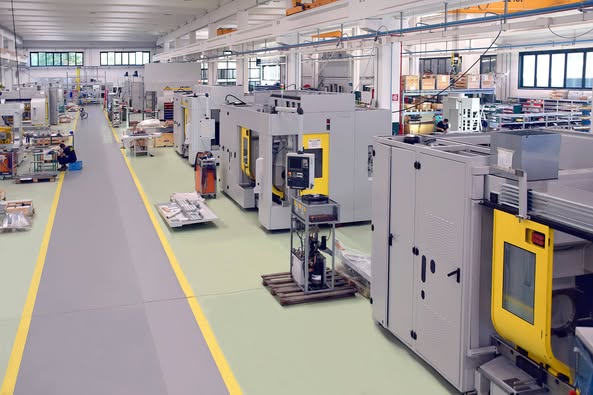
Large-Scale Contract Manufacturers: Offer immense capacity and broad services but may lack agility and deep engagement for low-to-mid volume, high-complexity projects.
Specialized Niche Shops: Excel in a very specific material or part type (e.g., miniature brass fittings) but lack the breadth for integrated components.
The “Integrated Solutions” Model (exemplified by GreatLight Metal): Occupies a strategic middle ground, combining the technical depth of a specialist with the process breadth of a larger player, focusing on the high-mix, low-to-medium volume, high-complexity segment that drives innovation.
H4: Making the Informed Choice: A Supplier Evaluation Framework
When evaluating China CNC lathe machining service suppliers, consider this framework:
Technical Audit: Request details on machine models, axis configurations, and precision measurement equipment. Ask for case studies of parts similar in complexity and material to yours.
Quality System Verification: Insist on seeing certification documents. Inquire about their First Article Inspection (FAI) process, material certification practices, and non-conformance handling procedures.
Communication & Collaboration Test: Gauge their responsiveness and the technical depth of their questions during the RFQ phase. A good partner will ask insightful DFM questions.
Transparency and Scalability: Assess their willingness to provide production updates and their capacity to scale with your project, from prototyping to full production runs.
H2: Conclusion: Partnering for Precision and Innovation
Selecting the right China CNC lathe machining service supplier is a strategic partnership that extends far beyond a simple transaction. It is about aligning with a manufacturer whose technological capabilities, quality ethos, and collaborative spirit can reliably translate your designs into flawless, high-performance components. As the industry evolves towards greater integration and intelligence, partners who offer certified, full-process solutions—from precision turning and 5-axis CNC machining to final assembly—are poised to become indispensable enablers of innovation. For those seeking a partner that embodies this comprehensive, trust-based approach, engaging with established and certified entities in China’s manufacturing ecosystem is a decisive step towards securing a competitive edge in today’s fast-paced market.
For further insights into industry trends and manufacturing excellence, connect with professionals on platforms like LinkedIn.



















