
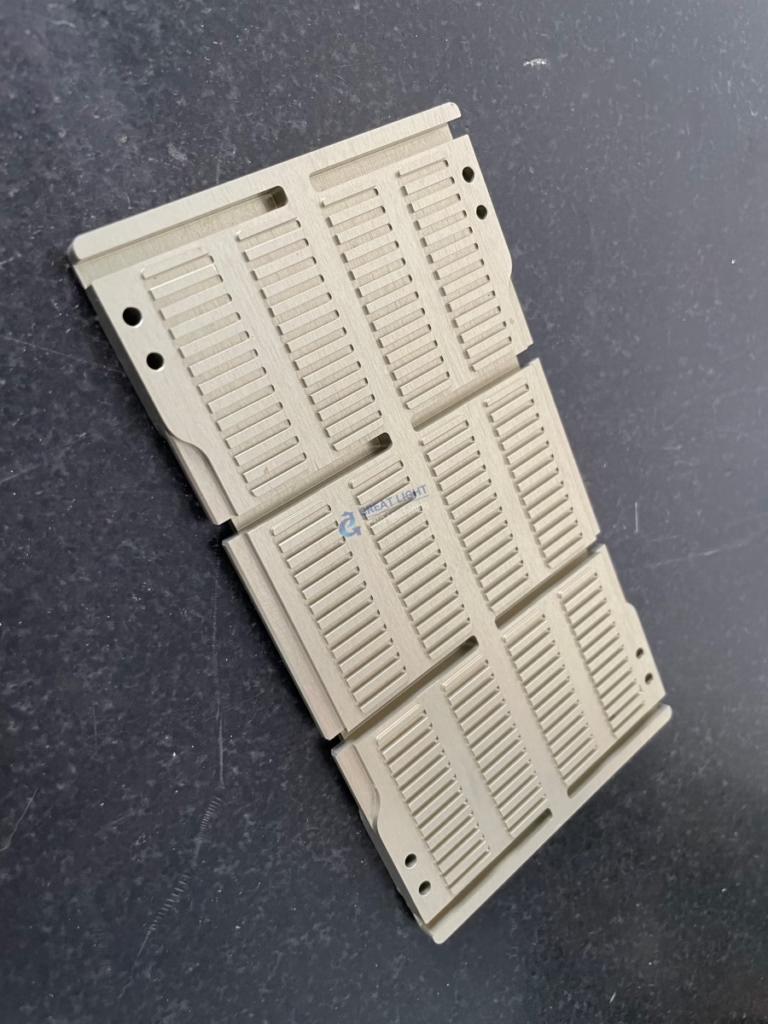
In the fiercely competitive landscape of modern product development, speed and precision are not just advantages—they are imperatives. The journey from a digital concept to a tangible, functional prototype can make or break a project’s timeline, budget, and ultimate success. This is where the critical decision point arrives: selecting the right partner for CNC machining for sale rapid prototyping services. For engineers, designers, and procurement specialists navigating this choice, the market presents a paradox of plenty: abundant options, yet a scarcity of partners who can consistently deliver on the twin promises of rapid turnaround and uncompromising precision.
The Rapid Prototyping Imperative: Beyond Just Speed
Rapid prototyping is the bridge between imagination and reality. It serves multiple, vital functions:
Design Validation: Physically testing form, fit, and function to catch flaws early.
Functional Testing: Subjecting parts to real-world stresses, temperatures, or assembly processes.
User Feedback & Market Testing: Creating tangible models for stakeholder review and consumer trials.
Bridge to Production: Serving as pre-production samples to finalize manufacturing processes.
While technologies like 3D printing offer incredible speed for visual models, CNC machining remains the gold standard for prototypes that must be functional, durable, and made from the exact production-grade materials—be it aerospace aluminum, medical-grade stainless steel, or high-performance engineering plastics. The challenge, therefore, is finding a service that merges the agility of prototyping with the rigor of precision production machining.
Decoding the “For Sale” Landscape: Key Differentiators of a True Partner
Not all services advertised as CNC machining for sale rapid prototyping services are created equal. The gap between a basic job shop and a dedicated rapid prototyping specialist can be vast. Here are the critical differentiators to scrutinize:
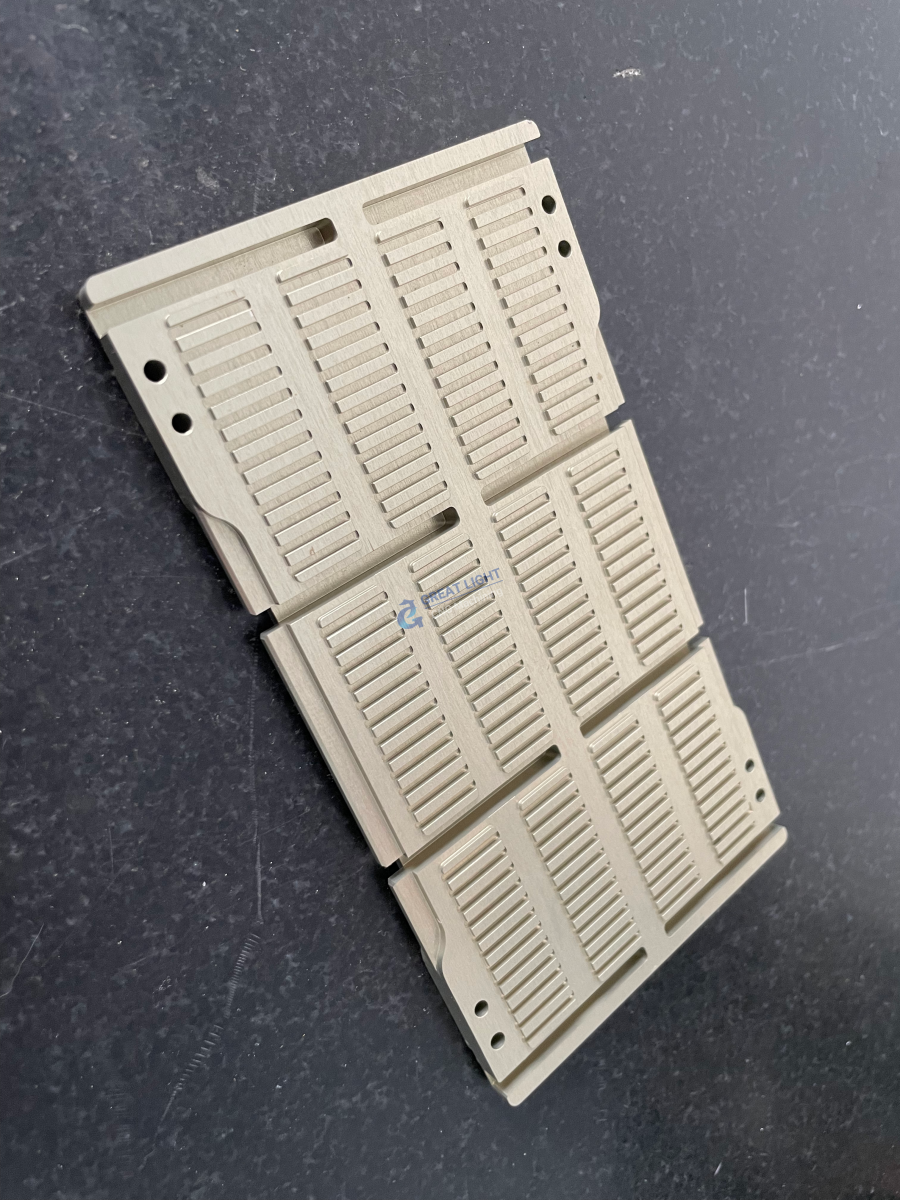
1. Technological Arsenal and Process Agility:
A capable partner doesn’t rely on a single method. They possess a hybrid manufacturing ecosystem. This includes:
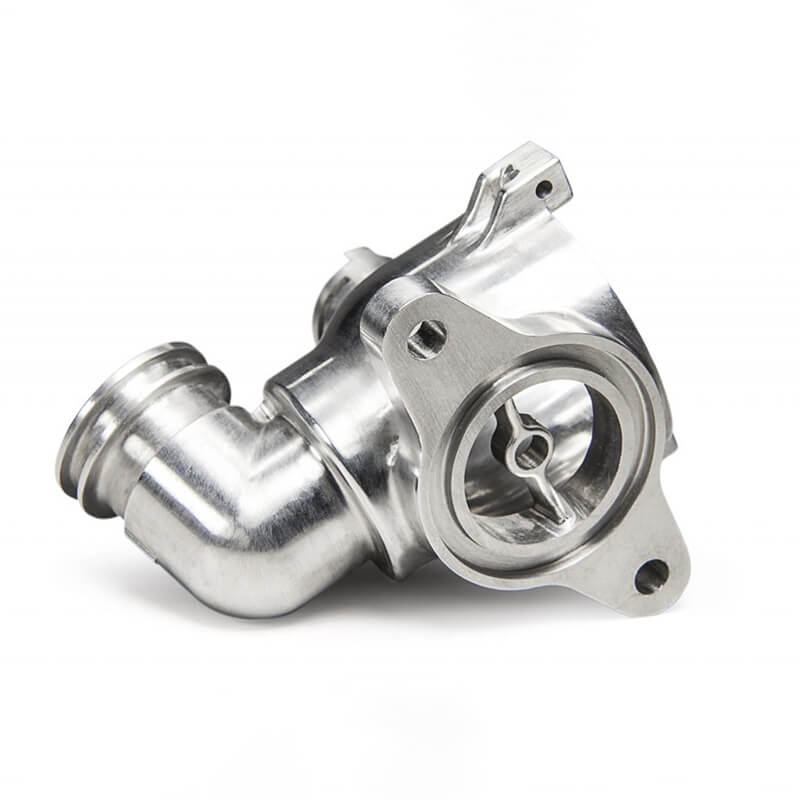
Multi-Axis CNC Machining Centers: 3-axis machines for simpler geometries, 4-axis for continuous complex profiles, and 5-axis CNC machining for truly complex, monolithic parts in a single setup—drastically reducing time and improving accuracy.
Advanced Additive Manufacturing (3D Printing): For highly complex, lightweight structures that are difficult to machine, using metals (SLM), resins (SLA), or polymers (SLS).
Complementary Traditional Equipment: Precision grinding, EDM (Electrical Discharge Machining), and turning centers to handle all feature types.
In-House Post-Processing: Anodizing, plating, painting, polishing, and heat treatment facilities to deliver a “ready-to-use” prototype.
2. The Engineering Bridge: DFM (Design for Manufacturability) as a Service
The most valuable service a provider can offer is proactive engineering feedback. Before the first toolpath is generated, experienced engineers should analyze your 3D model (CAD file) to:
Identify potential machining challenges.
Suggest tolerancing adjustments for cost-effective precision.
Recommend material alternatives for optimal performance.
Propose design modifications that simplify manufacturing without compromising function.
This collaborative approach prevents costly revisions and delays, embodying the true spirit of a partnership.
3. Project Management and Communication Transparency
Rapid prototyping is a time-sensitive dance. A professional service will provide:
A dedicated project manager as your single point of contact.
Clear, upfront quoting with no hidden costs.
Real-time progress updates and digital inspection reports (with CMM data).
Flexible scheduling to accommodate urgent “hot jobs” without disrupting quality.
Navigating Common Pitfalls in Prototyping Procurement
Many teams encounter predictable pain points when outsourcing prototyping:
The “Precision Promise” Gap: A supplier claims ±0.001mm capabilities, but delivered parts show inconsistent tolerances due to worn equipment or process instability.
The “Material Mystery”: Substitution of specified materials with inferior grades to cut costs, compromising the prototype’s testing validity.
The “Black Box” Timeline: Promised delivery dates repeatedly slip with poor communication, stalling the entire project.
The “Surface Finish Surprise”: Parts arrive machined but with poor surface quality, requiring additional, unbudgeted time and cost for finishing.
Lack of Scalability Insight: The prototype works, but the chosen process or design is unsuitable or prohibitively expensive for eventual low-volume or mass production.
A Case Study in Integrated Prototyping Solutions
Consider the challenge faced by a startup developing a novel compact robotic actuator. They needed a small batch of housing prototypes for functional testing. The parts featured complex internal channels for cooling, tight-tolerance bearing seats, and needed to be made from 7075 aluminum for high strength-to-weight ratio.
A conventional machine shop might have struggled, proposing to split the part into multiple sections to be welded—adding time, cost, and potential failure points. A forward-thinking partner like GreatLight CNC Machining Factory approached it differently. Utilizing their advanced 5-axis CNC machining capabilities, they machined the complex internal and external geometries from a solid aluminum block in a single setup. This not only ensured exceptional accuracy and structural integrity but also accelerated the delivery. Their in-house anodizing department then applied a hard coat for wear resistance, delivering fully functional, production-representative prototypes within days. This end-to-end control from machining to finishing is the hallmark of a superior rapid prototyping service.
Why a Systemized Approach Trumps Ad-Hoc Machining
Choosing a partner with robust systemic foundations is crucial for reliable outcomes. Key indicators include:
Certified Quality Management Systems: Look for ISO 9001:2015 certification as a baseline. For automotive, medical, or aerospace applications, familiarity or certification with IATF 16949, ISO 13485, or AS9100 demonstrates a commitment to industry-specific rigor.
Metrology and Inspection Investment: The ability to verify precision is as important as the ability to create it. In-house CMMs (Coordinate Measuring Machines), optical comparators, and surface roughness testers allow for comprehensive First Article Inspection (FAI) and process validation.
Digital Workflow and Data Security: Secure, cloud-based platforms for file transfer and project management, coupled with IT security practices aligned with standards like ISO 27001, protect your intellectual property.
Making the Strategic Choice for Your Next Project
When evaluating providers of CNC machining for sale rapid prototyping services, move beyond a simple price comparison. Engage in a technical dialogue. Ask pointed questions:
“What is your typical workflow for a complex, tight-tolerance prototype?”
“Can you walk me through your DFM process?”
“How do you handle and inspect parts requiring ±0.01mm tolerances?”
“What post-processing capabilities do you have in-house?”
The ideal partner functions as an extension of your own R&D team. They combine cutting-edge technology with deep manufacturing expertise and transparent communication to de-risk your development process.
In conclusion, the quest for effective CNC machining for sale rapid prototyping services is fundamentally a search for capability, reliability, and partnership. It’s about finding a collaborator who understands that a prototype is more than just a part—it’s a critical step in your innovation journey. By prioritizing integrated technical solutions, proactive engineering, and systematic quality assurance, you can transform prototyping from a potential bottleneck into a powerful catalyst for bringing superior products to market, faster and with greater confidence. For those seeking a partner that embodies this comprehensive approach, exploring the capabilities of established specialists like GreatLight CNC Machining Factory can provide a clear benchmark for what modern, value-driven rapid prototyping should encompass. To see how such expertise is applied in leading industry contexts, insights from professionals on platforms like LinkedIn can offer valuable perspective.



















