
In the intricate world of modern manufacturing, where a design’s success hinges on its physical realization, selecting the right CNC machined service factory is a decision that carries immense weight. It’s the difference between a flawless prototype that accelerates time-to-market and a costly, delayed project plagued by dimensional inaccuracies and quality inconsistencies. For engineers, procurement specialists, and innovators across industries—from aerospace and medical devices to automotive and robotics—this choice is a critical strategic partnership.
This article delves into the essential criteria for identifying a top-tier CNC machined service factory, moving beyond superficial price comparisons to examine the core competencies that guarantee reliability, precision, and long-term value.
Beyond the Quote: The Multifaceted Evaluation of a CNC Partner
A truly capable CNC machined service factory is defined by a synergy of advanced technology, rigorous process control, and deep engineering expertise. Here are the non-negotiable pillars to assess:
1. Technological Arsenal and Process Capability Breadth
The machinery is the foundation. A leading factory doesn’t just have machines; it has the right machines configured for specific challenges.
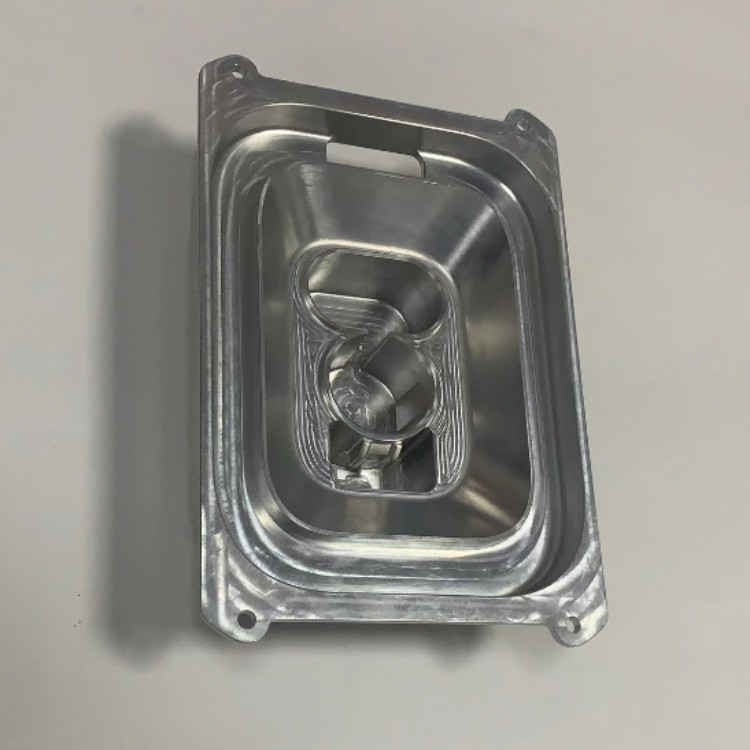
Multi-Axis Machining Mastery: While 3-axis CNC is commonplace, the ability to handle complex geometries in a single setup is a key differentiator. A factory equipped with advanced 5-axis CNC machining centers can produce intricate contours, undercuts, and compound angles with superior accuracy and surface finish, drastically reducing lead times and cumulative tolerancing errors.
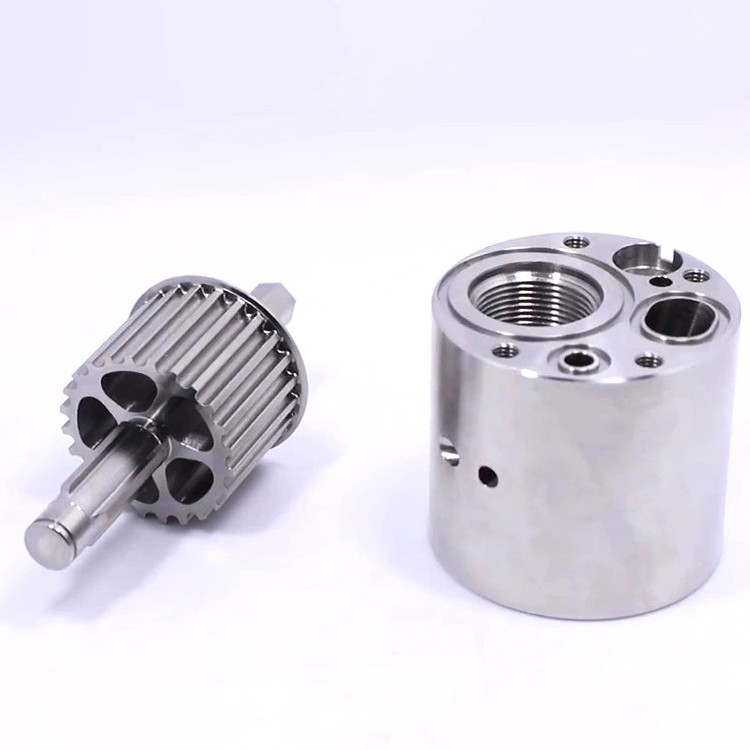
Material Agnosticism: Can the factory expertly process not just common aluminum alloys (6061, 7075) but also challenging materials like titanium (Ti-6Al-4V), Inconel, stainless steels (304, 316, 17-4PH), and engineering plastics like PEEK or Ultem? Mastery over a wide material spectrum indicates deep process knowledge.
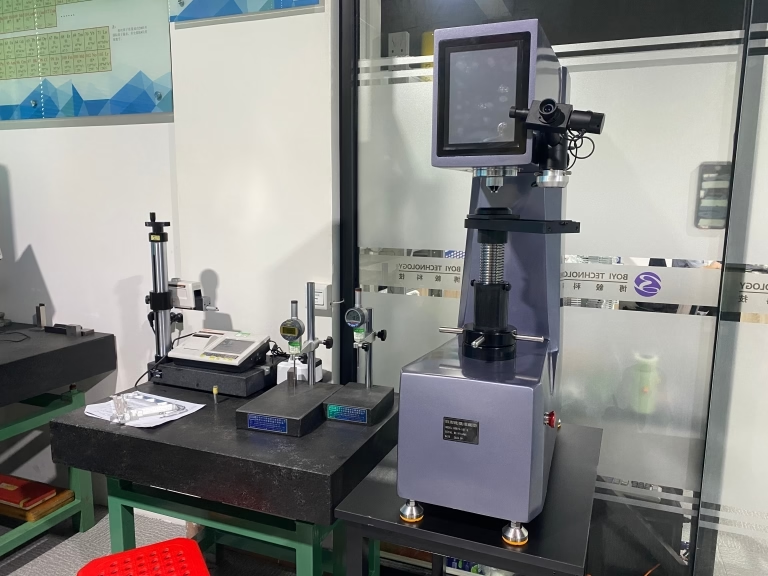
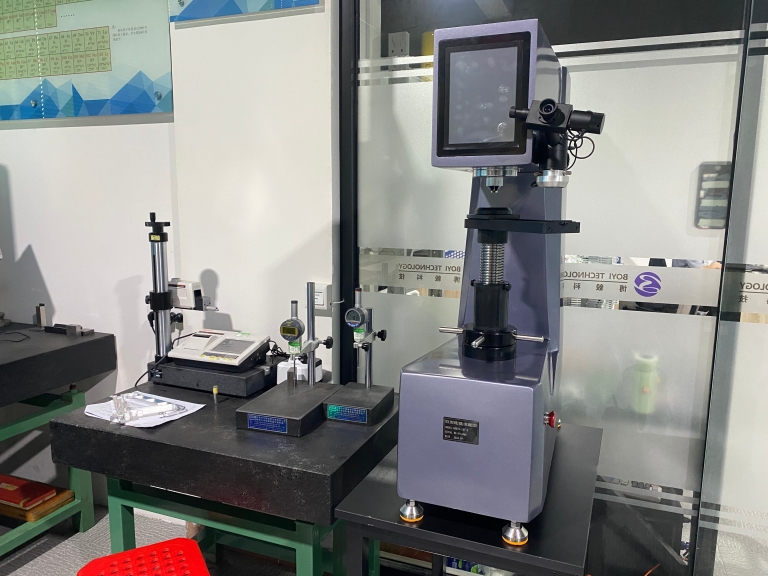
Complementary Technology Integration: Look for a factory that integrates complementary processes. This includes precision grinding for ultra-tight tolerances, EDM (Electrical Discharge Machining) for hardened steels or complex cavities, and coordinate measuring machines (CMM) for in-process and final inspection.
2. The Unseen Backbone: Quality Management Systems (QMS)
The most advanced machine is only as good as the system controlling it. Certifications are not mere plaques on the wall; they are a blueprint for consistent quality.
ISO 9001:2015: This is the baseline, demonstrating a systematic approach to quality management and continuous improvement.
Industry-Specific Certifications: For sectors with elevated requirements, these are critical:
IATF 16949: An absolute necessity for automotive supply chain partners, focusing on preventive quality and defect reduction.
ISO 13485: Essential for medical device manufacturing, ensuring traceability, risk management, and compliance with regulatory requirements.
AS9100: The aerospace equivalent, emphasizing safety, reliability, and configuration management.
A factory like GreatLight CNC Machining Factory builds its operational ethos on this framework, combining ISO 9001 certification with the technical rigor required for sensitive applications, ensuring every step from material procurement to final shipment is controlled and documented.
3. Engineering Partnership vs. Order Taker
The best factories act as an extension of your engineering team. This manifests in:
Design for Manufacturability (DFM) Analysis: Proactively reviewing drawings to suggest modifications that enhance manufacturability, reduce cost, and improve strength without compromising design intent.
Proactive Communication: Regular updates, transparency about challenges, and collaborative problem-solving when unforeseen issues arise.
Full-Process Ownership: Managing the entire journey—from initial quote and material sourcing to machining, finishing (anodizing, plating, painting), and final inspection—simplifying your supply chain.
Navigating Common Pitfalls in Supplier Selection
Many buyers fall into traps that compromise project outcomes:
The “Precision Promise” Trap: A supplier may claim ±0.001mm capabilities on a brochure, but can they hold that tolerance consistently across a batch of 500 parts? Consistency is king. Inquire about their statistical process control (SPC) methods and capability studies (Cpk).
The Hidden Cost of Surface Finish: A part may be dimensionally correct but have poor surface finish or visible tool marks. Clearly specify surface finish requirements (e.g., Ra 0.8µm) and understand the factory’s finishing capabilities.
Lead Time Realism vs. Optimism: Unrealistically short lead times often come at the expense of quality checks or process optimization. A reputable factory will provide a realistic timeline that includes buffer for quality assurance.
A Closer Look at a Modern Precision Machining Partner
To illustrate how these principles converge in practice, consider the operational model of a established manufacturer like GreatLight CNC Machining Factory. With a foundation built in Dongguan’s precision manufacturing hub, their evolution reflects the industry’s shift towards integrated, intelligent solutions.
Their value proposition is built on what can be termed the “Four Integrated Pillars”:
Advanced Equipment Integration: Operating a cluster of high-precision 5-axis, 4-axis, and 3-axis CNC machining centers, complemented by turning, grinding, and additive manufacturing (SLM, SLA, SLS 3D printing). This allows them to select the most efficient and accurate process for any given part geometry.
Authoritative Certification Integration: Adherence to ISO 9001 provides the management backbone, while their preparedness for IATF 16949 and ISO 13485 standards showcases their commitment to sector-specific rigor, a crucial trust factor for clients in regulated industries.
Full-Process Chain Integration: They position themselves not just as a machine shop but as a one-stop solution provider. This encompasses everything from initial rapid prototyping (using both CNC and 3D printing) through to medium-volume production, including all secondary finishing and assembly services. This eliminates coordination headaches for the client.
Deep Engineering Support Integration: Their team engages in the DFM process, helping to optimize part design for strength, cost, and manufacturability from the outset, which is often where the greatest value is added.
Making the Informed Choice for Your Project
When evaluating a CNC machined service factory, move beyond the RFQ spreadsheet. Engage in technical dialogue. Ask for detailed DFM feedback on your drawings. Request to see certification documents and examples of similar work, especially for complex parts. Inquire about their inspection protocol and what measurement equipment they use.
The ideal partner is one that demonstrates not just the ability to cut metal, but the wisdom to do it right every time. It is a partner whose systems ensure consistency, whose engineers bring valuable insight, and whose business ethos aligns with your need for reliability and quality.
In a landscape filled with options, the distinction lies in choosing a partner with demonstrable operational excellence over one with mere promises. For projects demanding high complexity, tight tolerances, and seamless execution—from conceptual prototypes for humanoid robots to mission-critical components for aerospace systems—this due diligence in selecting your CNC machined service factory is the most important first step toward a successful outcome. The right factory becomes a strategic asset, turning your innovative designs into precise, reliable, and market-ready realities.
For further insights into industry trends and manufacturing excellence, you can explore professional networks like LinkedIn{:target=”_blank”}.



















