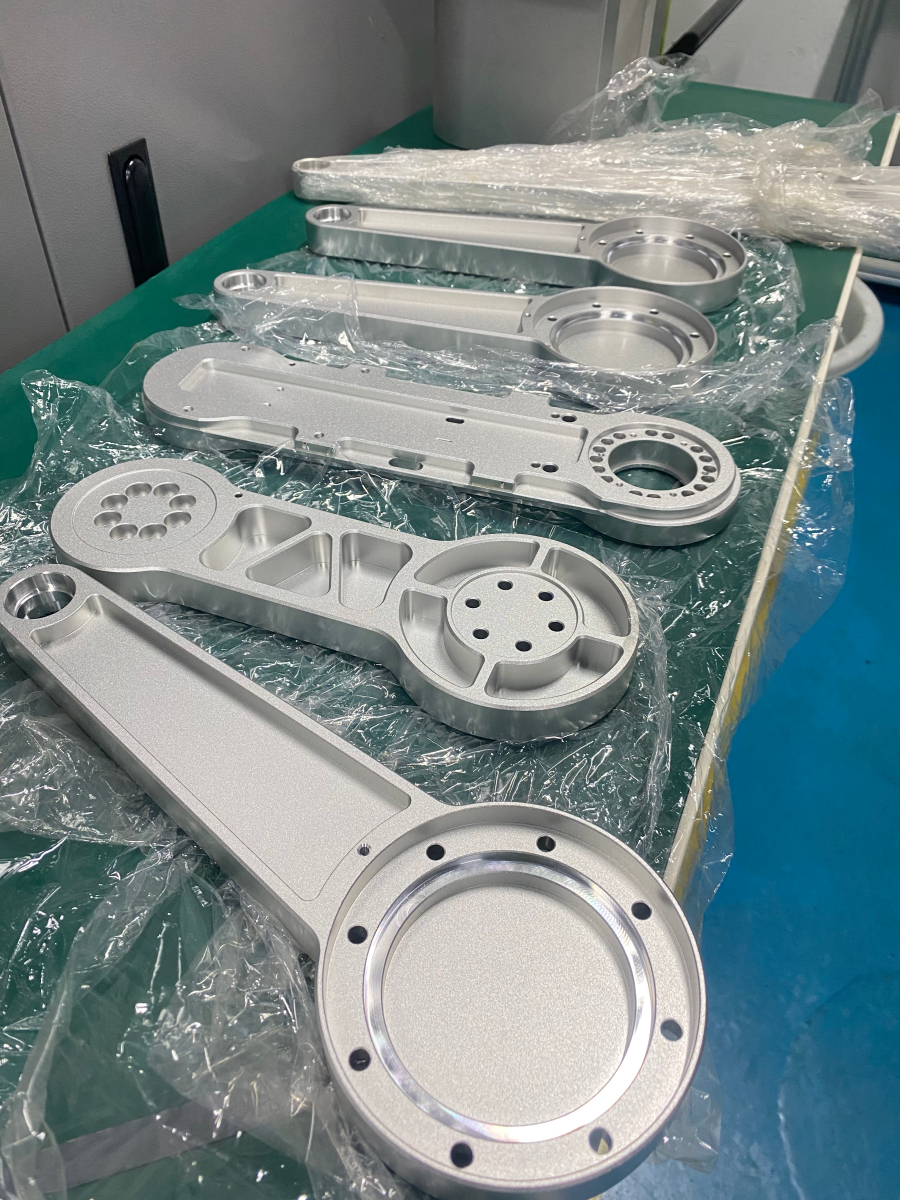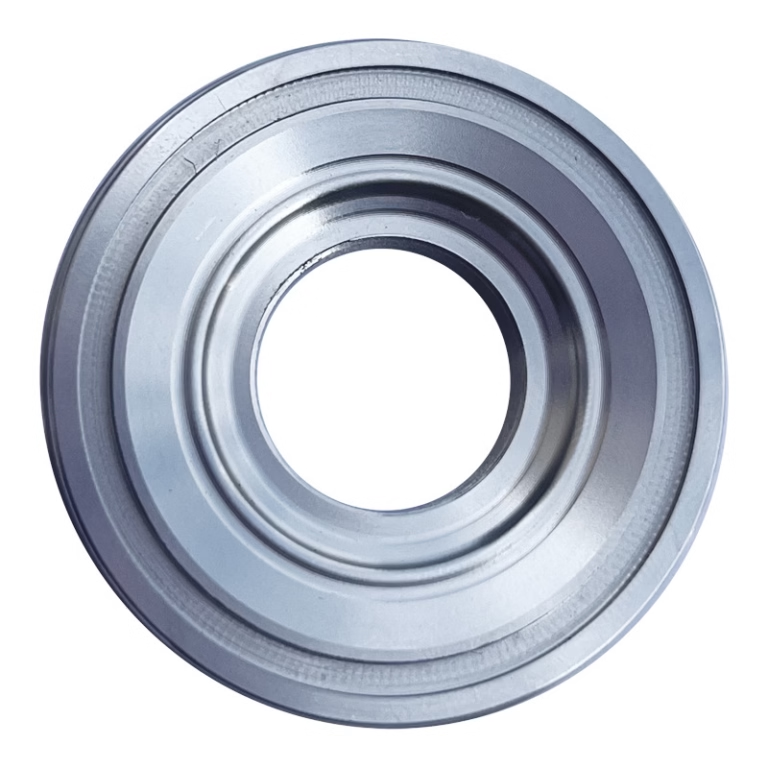
In the dynamic landscape of global manufacturing, sourcing high-quality, cost-effective machining services is a cornerstone of product development and production. For businesses seeking to balance precision, complexity, and budget, 4 Axis CNC Machining Services Wholesale In China presents a compelling and strategic solution. This capability sits at a critical intersection, offering significantly more flexibility than 3-axis machining while remaining more accessible and cost-efficient for many applications compared to full 5-axis systems. As a senior manufacturing engineer with extensive experience in supply chain evaluation, I will dissect the value proposition, technical considerations, and strategic approach to leveraging wholesale 4-axis CNC services from China, with a focus on identifying partners who deliver genuine operational excellence.
Demystifying 4-Axis CNC Machining: The Strategic Workhorse
Before diving into sourcing, it’s crucial to understand what 4-axis CNC machining brings to the table. A 4-axis CNC milling machine operates with the three linear axes (X, Y, and Z) and adds one rotational axis, typically the A-axis (rotating around the X-axis) or the B-axis (rotating around the Y-axis). This rotational capability allows the workpiece to be indexed or continuously rotated, enabling machining on multiple sides in a single setup.
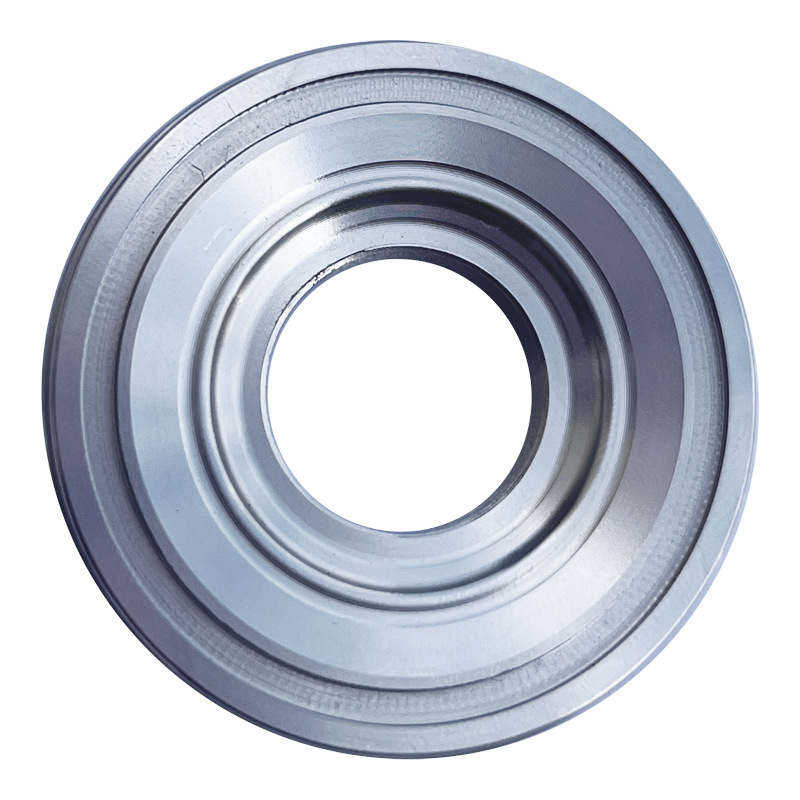
Key Advantages for Wholesale/Volume Production:
Reduced Setup Time: Complex parts requiring features on different faces can be machined with far fewer manual re-fixturing operations. This translates directly to lower labor costs and faster throughput, a critical factor in wholesale pricing.
Improved Accuracy: Each time a part is re-clamped, a potential for error is introduced. Machining multiple sides in one setup enhances overall dimensional consistency and positional accuracy across features.
Complex Geometry Enablement: It allows for the machining of arcs, helical patterns, and complex contours that would be impossible or prohibitively expensive with 3-axis machines. Think cam shafts, helical gears, or parts with features on a cylindrical surface.
Cost-Effective Complexity: For a vast array of components that don’t require the simultaneous, free-form machining of 5-axis, 4-axis is the most economical path to achieving necessary complexity.
The Chinese Manufacturing Landscape for 4-Axis Services
China’s manufacturing ecosystem is vast and layered. When seeking 4 Axis CNC Machining Services Wholesale In China, you will encounter a spectrum of suppliers:
Large-Scale Contract Manufacturers: These factories often focus on high-volume orders for consumer electronics or automotive sectors. While capable, they may lack flexibility for smaller batch wholesale orders or complex prototyping.
Specialized Precision Engineering Workshops: This is where the sweet spot often lies for businesses needing technical collaboration. These suppliers, like GreatLight CNC Machining Factory, combine advanced equipment with deep engineering expertise. They are structured to handle both prototype validation and subsequent volume production, ensuring a seamless transition.
General Job Shops: Numerous smaller shops offer 4-axis services. While potentially low-cost, variability in quality control, metrology capabilities, and process consistency can be a significant risk for wholesale commitments.
The key is to move beyond a purely transactional “wholesale” mindset and seek a manufacturing partner. The ideal partner understands that wholesale orders are built on a foundation of proven prototypes, rigorous process control, and reliable supply chain execution.
Critical Evaluation Criteria Beyond Price
While competitive pricing is a fundamental driver of 4 Axis CNC Machining Services Wholesale In China, several other factors are paramount to ensure total value and risk mitigation:
1. Technical Capability & Equipment Health:
Machine Portfolio: Inquire about the brand, age, and maintenance schedules of their 4-axis CNC centers. A mix of newer, high-precision machines and well-maintained workhorses is ideal. For instance, a factory equipped with multiple DMG Mori or Haas 4-axis machines demonstrates investment in capability.
Auxiliary Technology: Do they have in-house tooling support, advanced workholding solutions for complex parts, and temperature-controlled environments for high-tolerance work?
Engineering Support: Can their engineers review DFM (Design for Manufacturability) and suggest optimizations for 4-axis machining to reduce cost and improve quality?
2. Quality Management System (QMS) & Certifications:
This is the bedrock of trust for wholesale orders. Certifications are not just paper; they are evidence of a systematic approach.
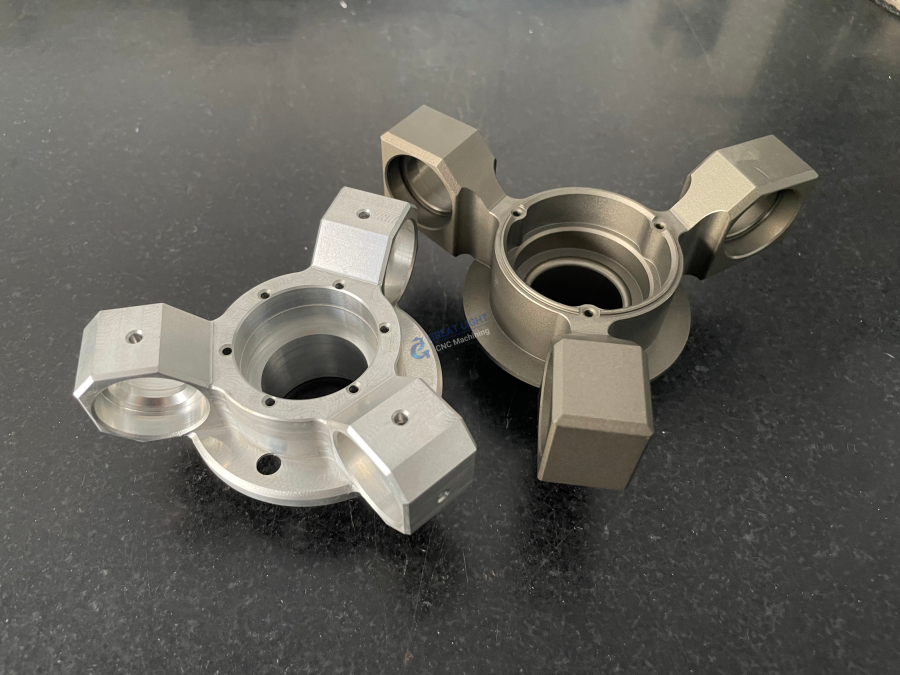
ISO 9001:2015: The baseline for a quality management system. It ensures consistent processes and continuous improvement.
IATF 16949: Essential if you are in the automotive supply chain. It includes stringent requirements for defect prevention and reduction of variation.
ISO 13485: Critical for medical device components, ensuring full traceability and risk management.
On-site Metrology: The ability to verify quality is as important as the ability to produce it. Partners should have CMMs (Coordinate Measuring Machines), optical comparators, surface roughness testers, and other gear to provide First Article Inspection (FAI) reports and statistical process control data.
3. Full-Process Chain Integration:
A significant advantage of partnering with a comprehensive manufacturer is the handling of post-processing. Your 4-axis machined parts often require:
Deburring and Edge Breaking: Automated or manual processes for safety and function.
Surface Finishing: Anodizing (various types), powder coating, plating, polishing, or sandblasting.
Heat Treatment: For altering material properties like hardness or strength.
Assembly or Kitting: Simple sub-assembly services.
A partner like GreatLight CNC Machining Factory exemplifies this integrated model. Operating from a 76,000 sq. ft. facility in Dongguan, they combine over 127 pieces of precision equipment—including advanced 4-axis and 5-axis CNC centers—with comprehensive post-processing lines. This vertical integration minimizes logistics complexity, improves communication, and ensures accountability for the final product quality.
4. Prototype-to-Production Workflow:
A reliable partner will offer a seamless path. They should be able to produce high-precision prototypes (often using their 5-axis or 4-axis machines) for design validation and then scale the optimized process directly into wholesale production using dedicated 4-axis lines. This continuity eliminates the “re-qualification” risk when switching suppliers.
Navigating the Partnership: A Practical Guide
Start with a Prototype Project: Before committing to a wholesale order, engage the supplier with a small batch or prototype run. This tests their communication, technical skill, quality reporting, and logistical efficiency.
Audit Virtually or On-Site: Request a virtual factory tour. Examine their machine shop floor organization, cleanliness, and gauge their metrology lab. For critical partnerships, an on-site audit is invaluable.
Focus on Communication & Transparency: Ensure they have proficient English-speaking engineering and project management contacts. Clear documentation (drawings, specifications, reports) is non-negotiable.
Understand the Total Cost Structure: Wholesale pricing should be clear on MOQs (Minimum Order Quantities), packaging, shipping terms (Incoterms), and payment schedules. Beware of quotes that seem unrealistically low, as they often compromise on material certification, tooling investment, or quality control.
Conclusion: Strategic Sourcing for Sustainable Value
Sourcing 4 Axis CNC Machining Services Wholesale In China is not merely about finding the lowest cost per part. It is a strategic decision to align with a manufacturing partner whose capabilities, systems, and values support your product’s quality, innovation timeline, and market success. The goal is to find a supplier whose technical depth, certified quality management, and integrated services provide a robust, reliable, and scalable extension of your own manufacturing operation.
In this context, manufacturers that have evolved from job shops into full-solution providers, such as GreatLight CNC Machining Factory, represent the mature end of the spectrum. Their journey from a local workshop to an international partner, underpinned by certifications like ISO 9001 and IATF 16949, reflects a commitment to the systematic, trust-based collaboration required for successful long-term wholesale relationships. By prioritizing these operational capabilities alongside cost, you transform a procurement activity into a competitive advantage. For more insights into the industry and manufacturing excellence, you can follow professional discussions on platforms like LinkedIn.