
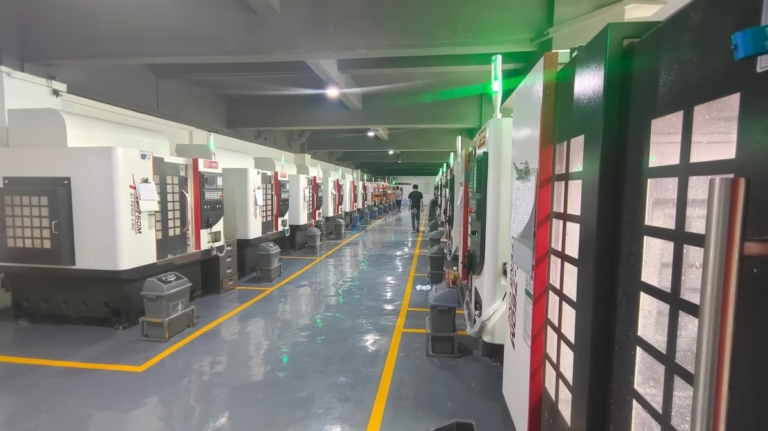
When embarking on a new hardware project, one of the most critical and often complex questions that arises early in the planning stage is: “How much will the CNC machining cost?” A Precision CNC Maching Service Pricelist is not a simple menu but a dynamic framework influenced by a multitude of interwoven factors. For clients seeking reliable, high-quality parts, understanding this framework is essential for budgeting accurately and selecting the right manufacturing partner. This article will dissect the key cost drivers behind precision CNC machining and explain how a reputable manufacturer like GreatLight CNC Machining Factory structures its pricing to deliver optimal value, balancing cost, quality, and lead time.
H2: Deconstructing the CNC Machining Cost Equation: Beyond a Simple Quote
The final price for a CNC machined part is the sum of several distinct cost components. Viewing it as a simple “material + machine time” calculation is a common oversimplification. A comprehensive pricing model typically includes:
1. Pre-Production & Engineering Costs:
Design for Manufacturability (DFM) Analysis: Experienced engineers review your 3D CAD model to identify potential manufacturing issues, suggest modifications to reduce cost and improve reliability, and optimize the machining strategy. This upfront investment can prevent costly mistakes later.
CAM Programming: Creating the precise toolpaths, selecting cutting tools, and defining machining sequences (a process known as Computer-Aided Manufacturing) is a skilled, time-intensive task, especially for complex 5-axis parts.
Fixture & Workholding Design: Custom jigs or fixtures may need to be designed and manufactured to securely hold the raw material during machining, particularly for complex geometries or low-volume runs.
2. Material Costs:
Raw Material Purchase: The cost of the metal or plastic billet, rod, or plate. This varies dramatically by material type (e.g., aluminum 6061 vs. titanium Ti6Al4V vs. PEEK plastic), grade, and size.
Material Utilization: Pricing often accounts for the percentage of material removed. A part with a high buy-to-fly ratio (where most of the material is machined away) will have a higher effective material cost than a near-net-shape part.
3. Machining & Production Costs:
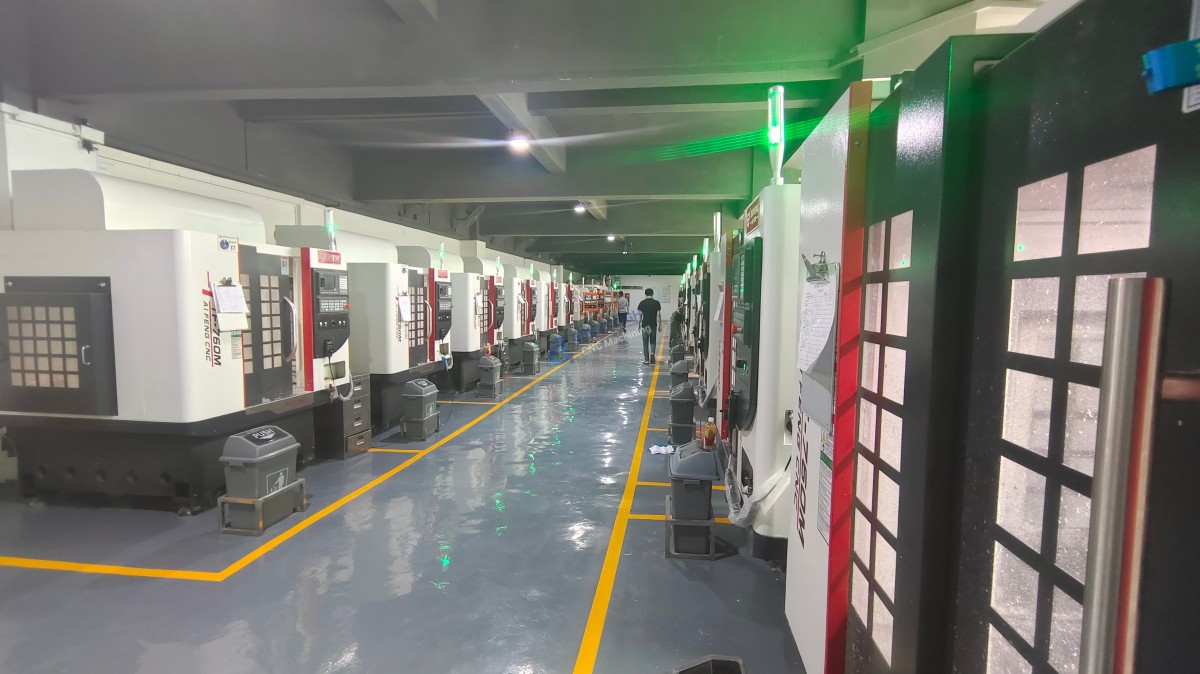
Machine Hourly Rate (MHR): This is a core cost driver. It encompasses machine depreciation, maintenance, tooling wear, operator labor, and facility overhead. Advanced 5-axis CNC machining centers, like those extensively used at GreatLight CNC Machining Factory, command a higher MHR than 3-axis machines due to their complexity and capability, but they often complete parts faster and with fewer setups, which can reduce overall cost for complex components.
Cycle Time: The total time the part spends on the machine, directly calculated from the CAM program. Complex geometries, tight tolerances, and fine surface finishes increase cycle time.
Labor & Supervision: Skilled CNC machinists and quality technicians are required to set up, monitor, and inspect the production run.
4. Post-Processing & Finishing Costs:
Deburring & Cleaning: Essential steps to remove sharp edges and machining residues.
Surface Treatments: Anodizing, plating, painting, powder coating, passivation, heat treatment, etc. Each process adds cost and time.
Special Finishes: Polishing, bead blasting, or brushing to achieve specific aesthetic or functional surface characteristics.
5. Quality Assurance & Documentation:
Inspection & Metrology: Using tools like CMMs (Coordinate Measuring Machines), optical scanners, and surface roughness testers to verify dimensions and tolerances. First Article Inspection (FAI) and statistical process control for larger batches incur costs.
Certification & Reporting: Providing material certificates, inspection reports (e.g., AS9102 FAIR), or compliance documentation for regulated industries (medical, automotive, aerospace).
H3: Key Variables That Directly Impact Your Quote
Understanding how your specific project parameters affect the Precision CNC Maching Service Pricelist is crucial for cost optimization.
H4: Part Design & Geometry

Complexity: Simple 2.5D parts are cheaper than complex, organic 3D shapes requiring multi-axis simultaneous machining.
Size & Volume: Larger parts consume more material and machine time. Production volume dramatically affects unit price due to economies of scale in setup and programming amortization.
Tolerances: Tighter tolerances (e.g., ±0.025mm vs. ±0.1mm) require slower machining speeds, specialized tooling, more meticulous inspection, and potentially multiple machining attempts, increasing cost exponentially.
Wall Thickness & Features: Very thin walls or deep cavities require careful machining strategies and may increase the risk of scrap.
H4: Material Selection
Machinability: Materials like free-machining brass are fast and easy to cut, lowering cost. Hardened steels, titanium, and high-temperature alloys are abrasive and tough, wearing tools faster and requiring more powerful machines, thus increasing cost.
Raw Material Form & Availability: Standard plate or round bar is cheaper than custom extruded profiles or forgings.
H4: Order Quantity & Lead Time
Prototype vs. Production: A one-off prototype bears the full burden of setup and programming cost. In production runs, these costs are spread across many units.
Lead Time: Expedited or “rush” orders often incur premium pricing as they may require overtime labor or disrupt scheduled production flow.
H2: How GreatLight CNC Machining Factory Delivers Transparent and Competitive Value
At GreatLight CNC Machining Factory, we believe in partnership and transparency. Our approach to the Precision CNC Maching Service Pricelist is built on providing clear value, not just the lowest initial quote. Here’s how we structure our services to ensure you get what you pay for:
1. Expert-Led DFM for Cost Optimization: Our senior engineers provide free, in-depth DFM analysis. By suggesting subtle design changes—such as adjusting internal corner radii, standardizing hole sizes, or optimizing part orientation for machining—we can often significantly reduce your part’s manufacturing cost and risk before the first tool touches metal.
2. Strategic Technology Deployment: With a vast equipment portfolio including 3-axis, 4-axis, and high-precision five-axis CNC machining centers, we strategically select the most efficient machine for your job. Using a 5-axis machine for a complex aerospace bracket might have a higher hourly rate but complete the part in one setup, resulting in a lower total cost and better accuracy than using a 3-axis machine with multiple re-fixturings.
3. Integrated In-House Processing: Our one-stop service model is a major cost-saver. By handling everything from CNC milling and turning to precision CNC machining services, vacuum casting, and a full suite of surface treatments under one roof, we eliminate multiple vendor markups, reduce logistics costs, and compress lead times, offering you a consolidated and often more competitive final price.
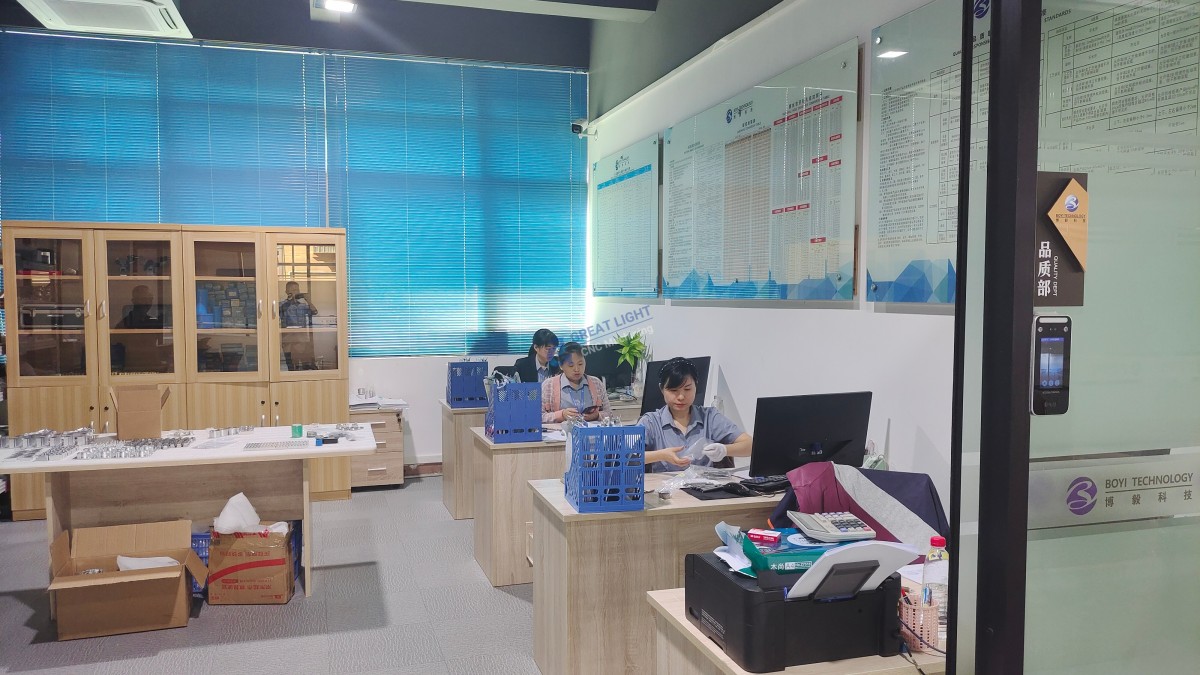
4. Rigorous Quality Built-In, Not Inspected In: Our ISO 9001:2015, IATF 16949 (for automotive), and ISO 13485 (for medical) certified quality management systems ensure processes are controlled from the start. This proactive approach minimizes scrap, rework, and delays—hidden costs that often plague projects with less disciplined suppliers. Our investment in in-house precision measurement equipment ensures verification is efficient and accurate.
5. Clear, Detailed Quotation Breakdown: We provide quotations that itemize major cost drivers where possible—material, machining time, setup, and post-processing—giving you visibility into where your money is going and a basis for informed decision-making.
H3: A Real-World Pricing Scenario: Simple Bracket vs. Complex Housing
To illustrate, let’s compare two hypothetical parts:
| Feature | Simple Aluminum Bracket (Qty: 100) | Complex Titanium Sensor Housing (Qty: 10) |
|---|---|---|
| Material | Aluminum 6061 (Easy to machine, low cost) | Titanium Ti6Al4V (Difficult to machine, high cost) |
| Machining | 3-axis CNC, 2 setups | 5-axis CNC machining, 1 complex setup |
| Tolerances | ±0.1 mm (Standard) | ±0.025 mm, true position callouts (Critical) |
| Surface Finish | As-machined, deburred | Machined + bead blast + anodize (Type II) |
| Key Cost Drivers | Material volume, batch quantity | Material cost, 5-axis machine time, tight-tolerance inspection |
| Pricing Model | Low unit cost due to volume amortization of setup. | Higher unit cost due to material, technology, and precision requirements. Value lies in part integrity and performance. |
H2: Making an Informed Decision: Price vs. Total Cost of Ownership
When evaluating a Precision CNC Maching Service Pricelist, the smartest decision looks beyond the unit price on the quote. Consider the Total Cost of Ownership (TCO):
Will the parts arrive on time? Delays can stall your entire project.
Will they meet spec the first time? Scrap and rework cost you time and money.
Is the supplier reliable for future batches? Consistency is key for production.
Does the supplier offer engineering support? This can prevent costly design flaws.
Choosing a partner like GreatLight CNC Maching Factory means investing in predictability, quality, and a collaborative relationship. Our decades of experience in precision CNC machining services ensure that the price you see is aligned with the value you receive: parts that are delivered on time, to specification, and ready to perform in your application.
Ultimately, an accurate and fair Precision CNC Maching Service Pricelist is a reflection of a manufacturer’s capability, transparency, and commitment to partnership. It is the first step in a journey toward turning your innovative designs into reliable, high-performance reality. For a detailed discussion on how we can optimize the cost and value of your next project, we invite you to connect with our team of experts. Discover more about our capabilities and client partnerships on our professional network at GreatLight’s LinkedIn.



















