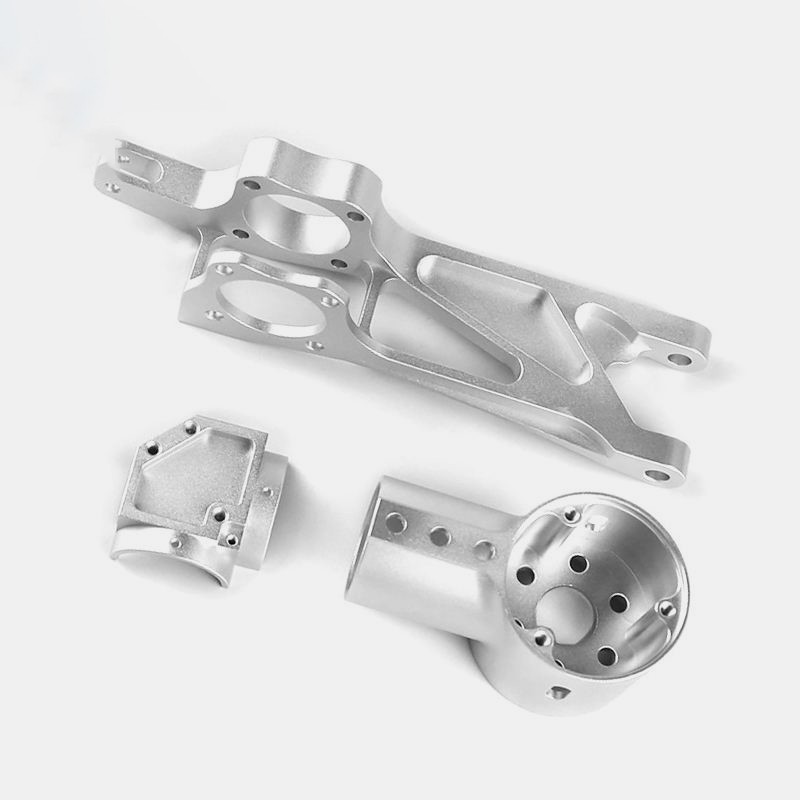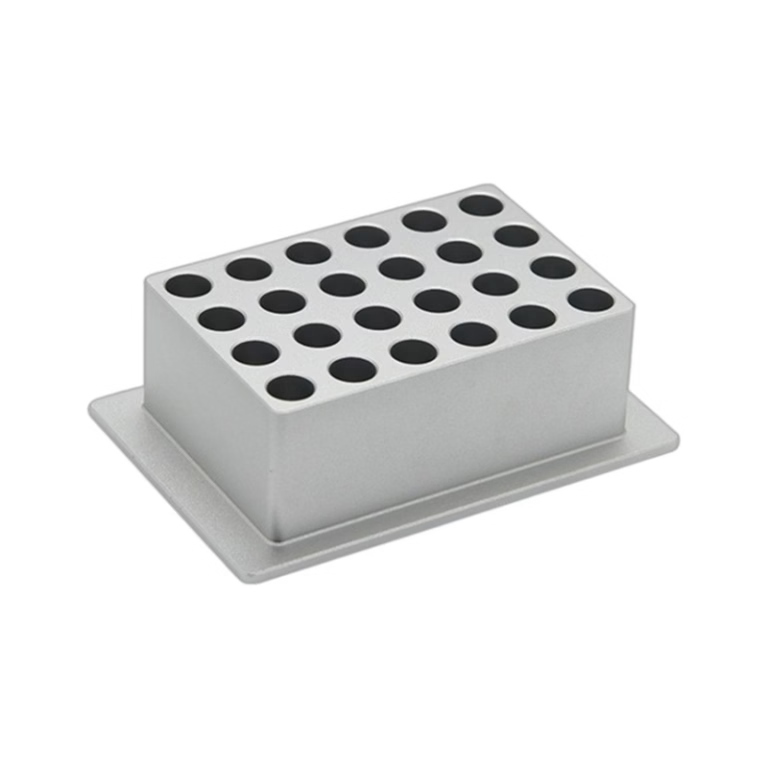
In today’s fiercely competitive manufacturing landscape, finding a reliable, high-quality CNC machining service provider is a critical challenge for engineers, procurement specialists, and entrepreneurs alike. The search for “CNC machining services near me” often goes beyond mere geographical convenience; it represents a quest for a trustworthy partner capable of transforming complex designs into flawless, functional parts with precision, efficiency, and consistent quality. This article delves into the core considerations behind this search and explores what truly defines a “high-quality” CNC machining service, ultimately guiding you toward making an informed partnership decision.
Decoding “High Quality” in CNC Machining: Beyond the Buzzword
The term “high quality” is frequently used but seldom defined with concrete parameters. In the context of CNC machining services, it is a multi-dimensional attribute encompassing several non-negotiable pillars:
Precision and Repeatability: This is the cornerstone. High quality means not just achieving a one-off tolerance of ±0.001mm on a prototype, but maintaining that tolerance consistently across production runs of 10, 100, or 10,000 parts. It involves advanced machine calibration, rigorous process control, and in-process metrology.
Material Integrity and Expertise: A quality provider possesses deep knowledge of material science—from common aluminum alloys and stainless steels to exotic materials like titanium, Inconel, or PEEK. They understand how machining parameters affect material properties like residual stress, surface integrity, and fatigue life.
Surface Finish and Aesthetic Excellence: Functional parts often require specific surface finishes (Ra, Rz values) for sealing, wear resistance, or cosmetic appeal. High-quality services offer a full spectrum of post-processing, from precision grinding and polishing to advanced coatings like anodizing, nickel plating, or PVD.
Technological Capability and Equipment Modernity: The ability to handle complex 3D geometries, deep cavities, thin walls, and intricate features often necessitates advanced machinery. The presence of modern 5-axis CNC machining centers is a strong indicator of a provider’s capability to tackle sophisticated work without multiple setups, which enhances accuracy and reduces lead times.
Robust Quality Management System (QMS): This is the systemic backbone of quality. Certifications like ISO 9001:2015 are not just plaques on the wall; they represent a documented, audited system for controlling every aspect of the process—from order review and material traceability to final inspection and corrective action.
The “Near Me” Factor: Advantages and Modern Realities
While local sourcing offers tangible benefits such as easier communication in the same time zone, potential for face-to-face meetings, and reduced logistics complexity, the definition of “near” has evolved in the digital age.
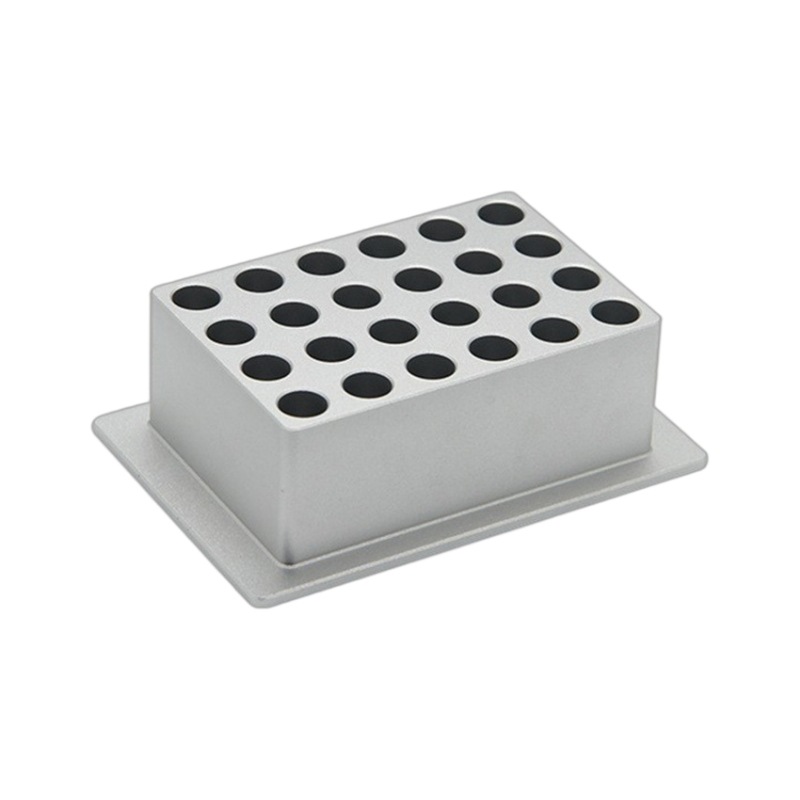
Traditional Local Advantages:
Easier Collaboration: Quick site visits for design reviews or first-article inspections.
Supply Chain Agility: Potentially faster turnaround for urgent projects or iterative prototyping.
Cultural & Communication Alignment: Shared business practices and language reduce misunderstandings.
The Globalized, Digitally-Connected Paradigm: For precision components, the most capable supplier may not be in the same city or even country. Modern manufacturing hubs, equipped with state-of-the-art facilities and deep expertise, often offer superior technical capabilities and cost structures. The key is finding a partner that bridges the geographical gap with digital transparency and professional project management. A provider that offers detailed digital reports, real-time progress updates, and seamless online communication can feel just as “close” as a local shop.
Critical Evaluation Criteria for Your CNC Machining Partner
When vetting potential suppliers, move beyond basic quotes and consider these deeper evaluative layers:
Technical Assessment & DFM Feedback: A high-quality partner will act as an engineering ally. They should proactively provide Design for Manufacturability (DFM) analysis, suggesting modifications that enhance producibility, reduce cost, and improve part performance without compromising design intent.
Full-Service Process Chain: Can the provider handle the entire journey? Look for a service portfolio that includes:
Multi-Axis Machining: 3-axis, 4-axis, and 5-axis CNC machining capabilities.
Complementary Technologies: CNC turning, milling, EDM, grinding.
Additive Manufacturing: For prototypes or complex jigs/fixtures.
Comprehensive Post-Processing: From heat treatment and surface finishing to assembly and quality inspection.
Transparent Quality Assurance Protocols: Inquire about their inspection methodology. Do they use CMMs (Coordinate Measuring Machines), optical comparators, and surface profilometers? Is there a First Article Inspection Report (FAIR) process? Transparency here is a direct proxy for confidence.
Scalability and Consistency: Can they efficiently transition your part from a low-volume prototype phase to mid or high-volume production while maintaining quality? This tests their process optimization and production planning capabilities.
Industry-Specific Certifications: For regulated industries, general ISO 9001 is just the start. IATF 16949 for automotive, ISO 13485 for medical devices, and AS9100 for aerospace are critical trust signals, demonstrating adherence to stringent industry-specific requirements.
Navigating the Supplier Landscape: A Comparative Perspective
The market offers a spectrum of providers, from specialized job shops to large-scale integrated manufacturers. Your choice should align with your project’s complexity, volume, and quality demands.
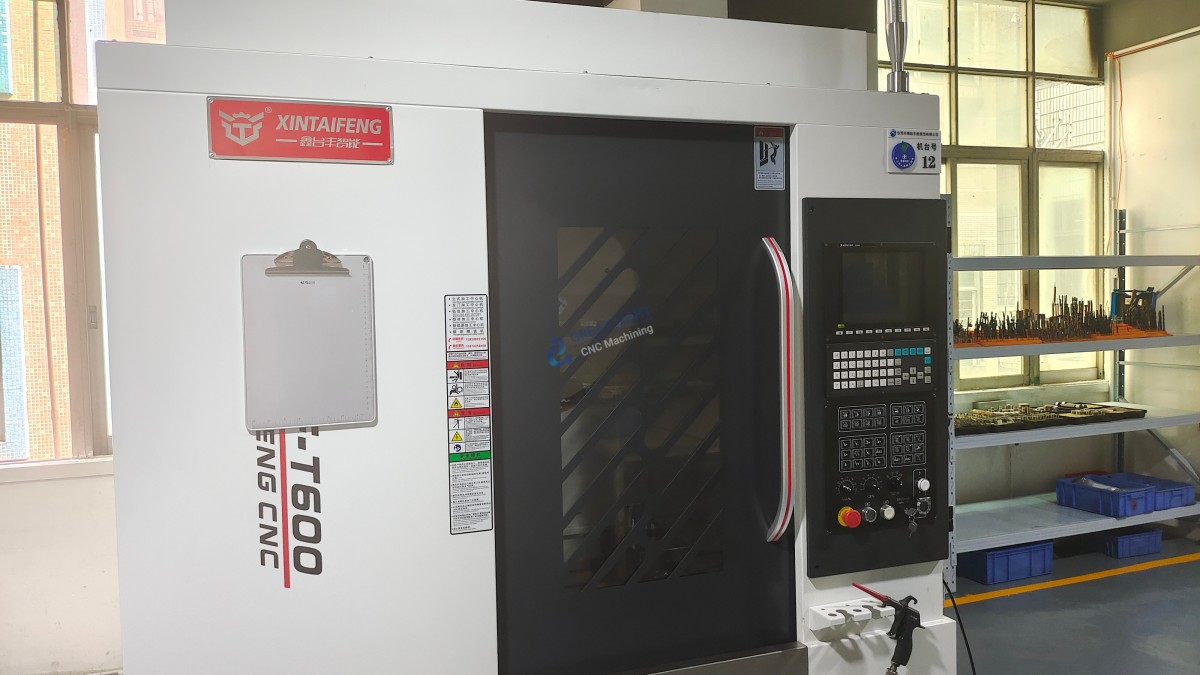
Specialized High-Precision Job Shops: Excel in complex, low-to-medium volume work requiring extreme accuracy. They are agile and deeply technical but may have capacity limitations.
Large-Scale Production Houses: Optimized for high-volume, standardized parts. They offer cost efficiency at scale but may be less flexible for complex, evolving designs.
Integrated Full-Service Solution Providers: This category represents the ideal partner for many innovation-driven projects. Companies like GreatLight CNC Machining Factory exemplify this model. They combine the technical depth of a specialist with the process breadth and systemic rigor of a larger organization. Based in Dongguan, a global manufacturing hub, they leverage a comprehensive equipment fleet (including advanced 5-axis CNC centers), a full-process service chain, and a robust QMS (holding ISO 9001:2015, IATF 16949, among others) to serve as a true one-stop solution partner. Their model effectively bridges the capability gap, offering both sophisticated engineering support and scalable production.
Conclusion: Making the Strategic Choice for “High Quality CNC Machining Services”
The search for “CNC machining services near me” is, at its heart, a search for capability, reliability, and partnership. True “high quality” is demonstrated through a fusion of advanced technology, unwavering process discipline, and a client-centric approach to problem-solving.
While geographical proximity has its merits, the decisive factors should be technical competency, quality assurance systems, and the ability to provide end-to-end solutions. Partnering with a manufacturer that invests in cutting-edge equipment like 5-axis CNC machining, adheres to international quality standards, and offers transparent, collaborative engineering support will ultimately de-risk your project, accelerate your time-to-market, and ensure the longevity and performance of your components. In this context, evaluating integrated solution providers with a global clientele and a proven track record in precision manufacturing becomes a strategically sound approach to fulfilling your requirements for high quality CNC machining services. For those seeking to connect with industry leaders driving such standards, insights can often be found on professional networks like LinkedIn.