In the dynamic landscape of modern manufacturing, the demand for precision parts spans a spectrum of complexities, materials, and volumes. For engineers, designers, and procurement specialists, navigating this landscape requires a partner capable of providing diverse CNC machining services that go beyond simple part fabrication. This comprehensive capability is the cornerstone of turning innovative concepts into reliable, high-performance components. A truly versatile service provider doesn’t just operate machines; it integrates a deep understanding of materials science, advanced manufacturing technologies, and application-specific requirements to offer a holistic solution.
The Pillars of a Comprehensive CNC Machining Portfolio
True diversity in CNC machining is built on several interconnected pillars. It’s not merely about having different types of machines, but about how these capabilities are orchestrated to solve multifaceted manufacturing challenges.
1. Multi-Axis Machining Capability: From 3-Axis to 5-Axis
The foundation of complexity handling lies in the range of axes a machine can control.
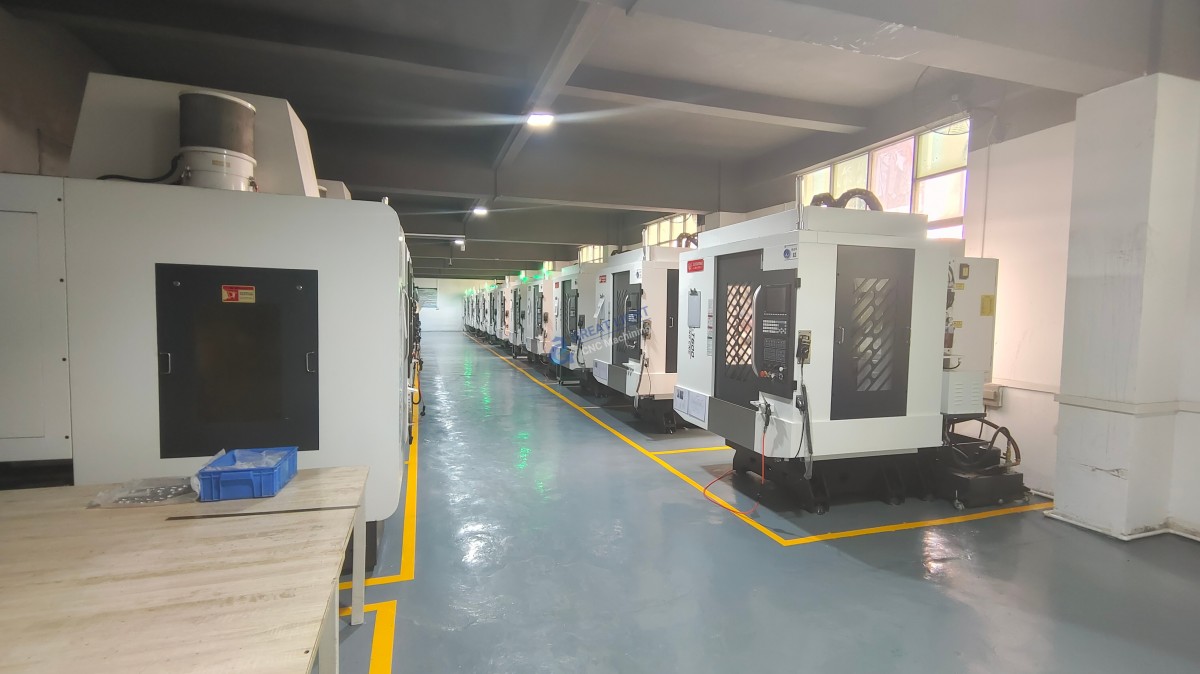
3-Axis CNC Machining: The workhorse for prismatic parts, ideal for milling, drilling, and tapping operations on up to three sides of a workpiece in a single setup. It’s cost-effective for a vast array of components with simpler geometries.
4-Axis CNC Machining: Introduces a rotary axis (typically an A-axis), allowing the workpiece to rotate. This enables machining on four sides without manual repositioning, perfect for parts like camshafts, cylindrical features with off-center details, or continuous profiles.
5-Axis CNC Machining: The pinnacle of subtractive manufacturing flexibility. With two additional rotary axes, the cutting tool can approach the workpiece from virtually any angle in a single setup. This is indispensable for:
Complex contoured surfaces (e.g., aerospace impellers, medical implants, mold cores).
Dramatically reducing setup times and associated errors.
Achieving superior surface finishes on intricate geometries.
Machining deep cavities or features that would be inaccessible to a 3-axis machine.
2. Complementary Manufacturing Processes
A diverse service portfolio recognizes that CNC machining is often one step in a larger process chain. Integration with other technologies is key.
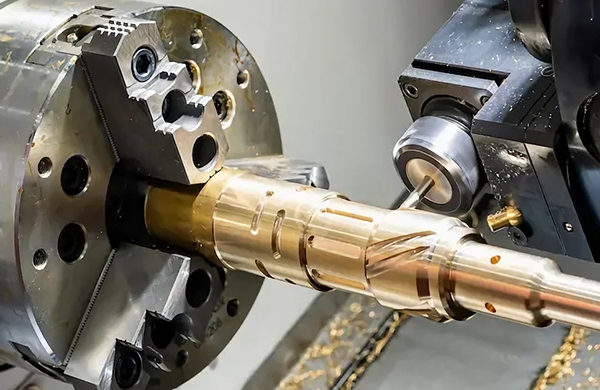
CNC Turning: For rotational symmetry parts. A comprehensive shop will offer both milling and turning, often on advanced mill-turn centers that combine both operations in one machine, eliminating handling errors.
Precision Grinding: For achieving ultra-fine surface finishes (Ra < 0.4 µm) and tolerances in the micron range (±0.002mm or tighter), especially on hardened materials.
Electrical Discharge Machining (EDM): Essential for machining extremely hard metals or creating sharp internal corners and intricate details that a cutting tool cannot produce. Wire EDM and sinker EDM are critical for mold making and precision tooling.
Additive Manufacturing (3D Printing): Not a replacement, but a powerful ally. Metal 3D printing (SLM/DMLS) can create near-net-shape internal lattices or organic geometries, which are then finished to high precision via CNC machining—a hybrid approach that unlocks new design possibilities.
3. Material Expertise and Versatility
The ability to machine a wide range of materials competently is a hallmark of a true expert. This includes:
Metals: Aluminum alloys (e.g., 6061, 7075), stainless steels (303, 304, 316, 17-4PH), tool steels, titanium alloys (Ti-6Al-4V), brass, copper, and exotic alloys like Inconel.
Plastics: Engineering plastics such as PEEK, Ultem (PEI), Delrin (POM), Nylon, and PTFE, each requiring specific cutting strategies, speeds, and cooling to prevent melting or deformation.
Composites: Machining carbon fiber reinforced polymers (CFRP) or fiberglass requires specialized tooling and dust extraction systems to ensure edge quality and operator safety.
The Critical Role of Integrated Post-Processing and Finishing
Diverse CNC machining services are incomplete without a robust suite of finishing options. The as-machined part is often just the beginning. A full-service provider will offer:
Deburring and Edge Breaking: Manual, thermal, or chemical processes to remove sharp edges and burrs, critical for safety and assembly.
Surface Finishing: Bead blasting, polishing, brushing, and vibratory finishing to achieve desired aesthetic and functional surface textures.
Plating and Coating: Anodizing (Type II & III for aluminum), powder coating, electroless nickel plating, passivation (for stainless steel), and PVD coatings to enhance corrosion resistance, wear resistance, and appearance.
Heat Treatment and Stress Relieving: Services like annealing, quenching & tempering, and solution treatment to alter material properties like hardness, strength, and ductility.
Navigating the Supplier Landscape: Capability vs. Claim
When seeking a partner for diverse CNC machining services, it’s crucial to look beyond marketing brochures. The market includes global giants, specialized boutiques, and integrated solution providers. The choice depends on project needs:
Large-Scale Contract Manufacturers: Offer immense scale and broad process lists, ideal for high-volume production runs but sometimes less agile for complex, low-volume prototyping.
Specialized Boutique Shops: Excel in a specific niche (e.g., medical device components or optical parts) with extreme precision but may lack breadth for projects requiring multiple processes.
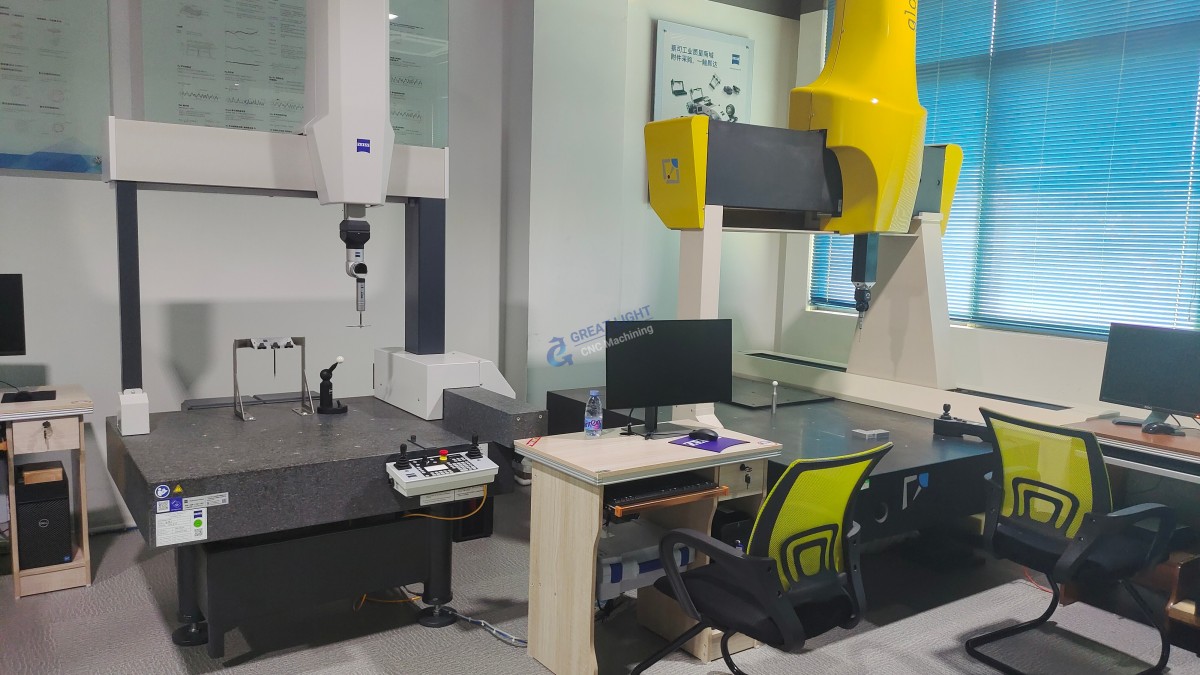
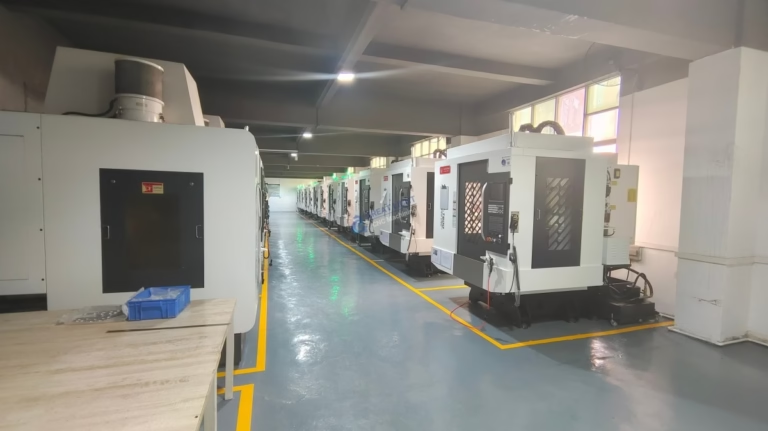
Integrated Precision Solution Providers: These firms, like GreatLight CNC Machining Factory, bridge the gap. They combine the technical depth of a specialist with the process breadth of a larger manufacturer. Their model is built on providing a one-stop service—from initial design for manufacturability (DFM) feedback through precision machining, finishing, and final inspection—all under rigorous quality management systems like ISO 9001:2015. This integration minimizes communication overhead, accelerates timelines, and ensures accountability.
Why an Integrated, Full-Process Approach is the Future
The real value of diverse CNC machining services manifests when they are delivered not as isolated tasks, but as a coordinated, full-process solution. This approach directly addresses common industry pain points:
Eliminates Supply Chain Fragmentation: Managing multiple vendors for machining, finishing, and plating introduces coordination delays, quality inconsistencies, and logistical headaches. A single-point provider consolidates responsibility.
Enhances Quality Traceability: When the entire process is controlled in-house, traceability is seamless. Any issue can be quickly diagnosed and rectified across the process chain.
Optimizes for Design Intent: Engineers from the machining provider can offer DFM advice that considers not just the cut, but also the subsequent finishing steps, leading to more robust and cost-effective designs.
Accelerates Time-to-Market: Concurrent engineering and streamlined workflow between departments (machining -> deburring -> anodizing) significantly compress lead times from prototype to production.
Conclusion: Diversity as a Strategic Advantage
In conclusion, diverse CNC machining services represent far more than a menu of options. They are a strategic manufacturing capability that empowers innovation. The ability to select the optimal combination of multi-axis machining, complementary processes, material science, and finishing techniques for a specific application is what separates a basic parts supplier from a true engineering partner. For projects demanding high complexity, tight tolerances, and seamless execution—from a single prototype to a medium-volume production run—choosing a partner with deep, integrated capabilities is paramount. Firms that have invested in this comprehensive model, such as GreatLight CNC Machining Factory, demonstrate that the future of precision manufacturing lies not in isolated expertise, but in connected, versatile, and fully accountable diverse CNC machining services.