
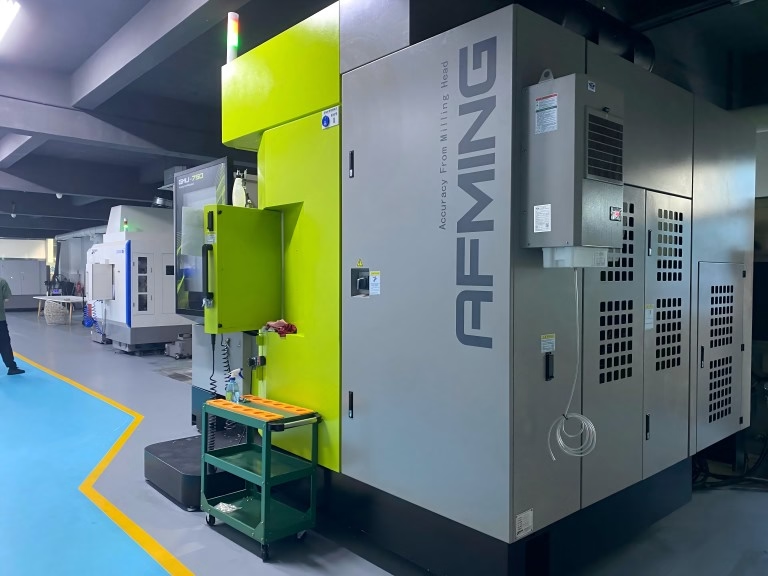
In the intricate world of modern manufacturing, where design complexity meets the uncompromising demands of performance and reliability, the selection of a Professional CNC Machined Service Service provider is not merely a procurement decision; it is a strategic partnership that can determine the success of a product. For engineers, designers, and procurement specialists navigating this critical choice, understanding what constitutes a truly professional service beyond basic machining capabilities is paramount.
The Anatomy of a Professional CNC Machined Service
At its core, a professional service transcends the simple act of cutting metal or plastic. It is a holistic ecosystem built on technological prowess, systematic quality control, engineering collaboration, and supply chain integrity. Let’s dissect the key components that separate exceptional providers from the rest.
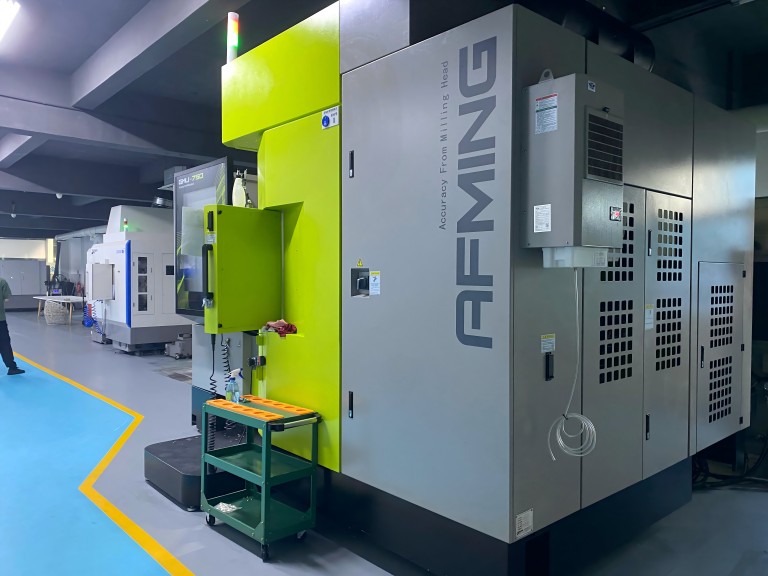
H2: The Technological Backbone: Beyond Basic 3-Axis Machining
While 3-axis CNC milling and turning form the foundation, a professional service demonstrates mastery over advanced technologies essential for today’s complex parts.
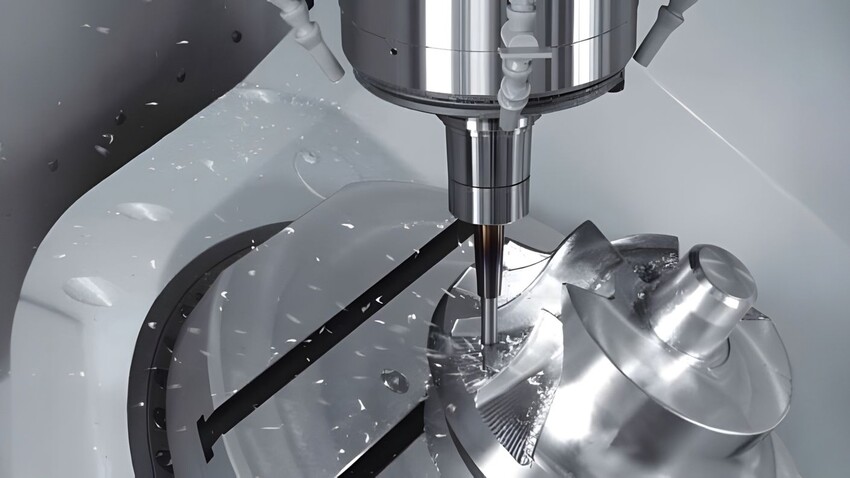
Multi-Axis Machining Capability: The ability to perform 5-axis CNC machining is a significant differentiator. This technology allows for the simultaneous movement of the cutting tool along five different axes, enabling the production of highly complex, contoured geometries in a single setup. This reduces errors, improves surface finish, and drastically cuts down lead times for prototypes and production runs.
A Suite of Complementary Processes: Look for a provider with an integrated manufacturing cell. This should include:
High-Speed Machining (HSM): For superior surface finishes on molds and intricate features.
Precision Grinding: For achieving ultra-tight tolerances and exceptional surface integrity on hardened materials.
Electrical Discharge Machining (EDM): Both wire and sinker EDM are crucial for creating sharp internal corners, deep cavities, and machining ultra-hard materials that are challenging for traditional cutting tools.
Advanced Metrology: In-process and post-process inspection using Coordinate Measuring Machines (CMM), optical comparators, and surface profilometers are non-negotiable for verifying dimensional accuracy.
H3: The Pillars of Trust: Certifications and Quality Management
A professional service is defined by its systems, not just its machines. Trust is built on transparent, auditable processes.
ISO 9001:2015 Certification: This is the baseline, demonstrating a commitment to consistent quality management and continuous improvement.
Industry-Specific Certifications: For sectors like automotive and medical, certifications like IATF 16949 and ISO 13485 are critical. They impose stricter controls on design control, risk management, traceability, and documentation, ensuring parts meet rigorous safety and reliability standards.
Material Traceability and Certification: Professional providers supply full material certification reports (e.g., Mill Test Reports) for raw materials, guaranteeing chemical composition and mechanical properties.
H2: The Collaborative Engine: Engineering Support and DFM
The most valuable service occurs before the first toolpath is generated. A professional partner acts as an extension of your engineering team.
Design for Manufacturability (DFM) Analysis: Experienced engineers will review your CAD models to identify potential manufacturing challenges, suggest design modifications to reduce cost and improve robustness, and recommend optimal materials and tolerances.
Process Engineering: They develop detailed machining strategies, fixture designs, and tooling plans to ensure efficiency and precision throughout the production cycle.
Prototyping to Production Bridge: A seamless transition from low-volume rapid prototypes to full-scale production requires foresight in process design. A professional service plans for scalability from the outset.
H3: The Full-Spectrum Service: From Raw Material to Finished Assembly
A truly professional CNC machined service often provides vertically integrated solutions, managing complexity on your behalf.
In-House Secondary Operations: This includes everything from deburring and heat treatment (annealing, hardening, tempering) to various surface finishes (anodizing, plating, powder coating, polishing).
Post-Processing & Finishing: A one-stop shop for all finishing needs ensures quality control and saves time on logistics and vendor management.
Sub-Assembly and Kitting: The provider can assemble machined components with purchased parts (bearings, fasteners, seals) into finished sub-assemblies, delivering a ready-to-integrate module.
Navigating the Selection Process: Key Evaluation Criteria
When evaluating potential partners for your Professional CNC Machined Service Service, consider this checklist:
Technical Questionnaire: Can they demonstrate experience with parts of similar complexity, size, and material?
Facility Audit (Virtual or In-Person): Assess the organization, equipment maintenance, and cleanliness of the shop floor.
Quality Documentation Review: Request sample inspection reports and quality control plans.
Communication and Project Management: Evaluate responsiveness, clarity in quoting, and the assigned point of contact’s technical knowledge.
Supply Chain Transparency: Understand their sourcing practices for raw materials and their contingency plans for supply chain disruptions.
A Case in Point: The Integrated Approach in Action
Consider the challenge of manufacturing a complex aluminum housing for a next-generation humanoid robot joint. It requires internal helical cooling channels, mounting interfaces with tight positional tolerances, and a high-strength, lightweight design.
A basic machine shop might struggle, requiring multiple fixtures and external vendors for finishing. A professional service provider, however, would:
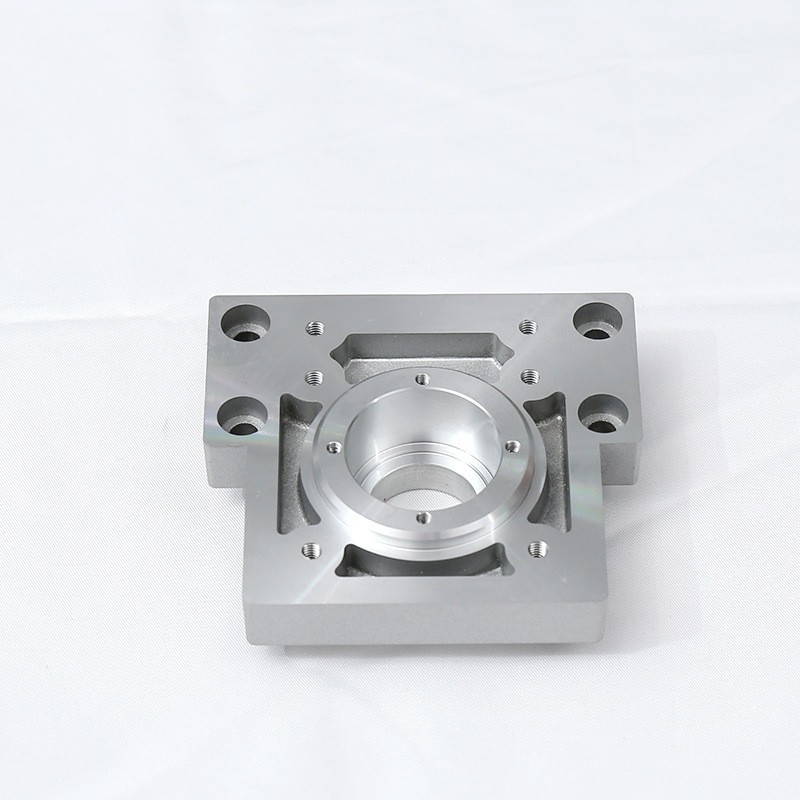
Utilize 5-axis CNC machining to create the complex internal geometries in one setup.
Perform in-house precision boring and tapping for bearing seats and mounting holes.
Conduct 100% CMM inspection on first-article parts.
Apply a specified hard-anodized finish in their controlled coating department.
Deliver fully inspected, finished components with complete documentation pack.
Conclusion: Partnering for Precision
Choosing the right Professional CNC Machined Service Service is an investment in product quality, innovation speed, and overall project success. It requires looking beyond the price-per-part to evaluate technological depth, systemic quality, engineering partnership, and end-to-end service capability. In a landscape filled with options, partners who embody these principles become invaluable assets, transforming complex designs into reliable, high-performance realities that drive industries forward. For those seeking a partner that encapsulates this comprehensive, professional ethos, exploring the capabilities of established manufacturers like GreatLight CNC Machining Factory{:target=”_blank”} can provide a clear benchmark for what a truly integrated and professional manufacturing solution looks like in practice. To see how such expertise is applied in a global context, one can look to industry leaders on platforms like LinkedIn{:target=”_blank”}.



















