
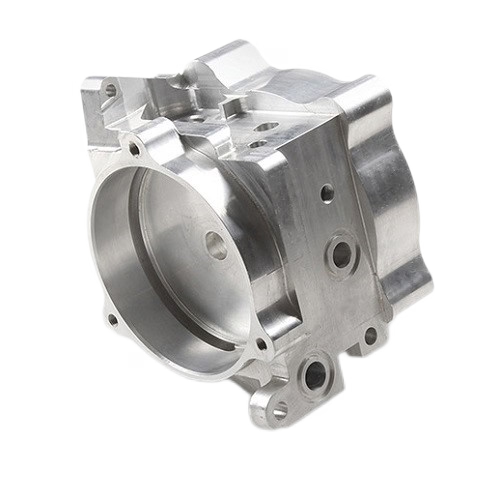
In the realm of modern manufacturing, where complexity meets demand for uncompromising quality, the ability to precisely machine advanced alloys is not just a service—it’s a critical enabler of innovation. From aerospace components enduring extreme environments to medical implants requiring biocompatibility, the choice of a machining partner for alloy parts can make or break a project. This article delves into the specialized world of CNC Alloy Machining Services, exploring its core challenges, technological imperatives, and how to identify a partner capable of transforming high-performance alloy materials into flawless, functional components.
H2: The Unique Demands of Specialized Alloy Machining
Alloys, by their engineered nature, present a distinct set of challenges compared to standard materials like mild steel or common aluminum grades. Specialized machining is not an option but a necessity.
Material Science Complexity: Alloys such as titanium (Ti-6Al-4V), Inconel, stainless steel (e.g., 17-4PH, 316L), and high-strength aluminum (e.g., 7075) are designed for specific properties—high strength-to-weight ratio, corrosion resistance, thermal stability. However, these very properties often make them difficult to machine. They can be abrasive, prone to work hardening, have low thermal conductivity leading to heat buildup at the cutting tool, and generate stringy or discontinuous chips.
Precision as a Non-Negotiable Standard: In applications like aerospace engine parts or surgical instruments, dimensional tolerances are frequently within microns (±0.005mm or tighter). This level of precision requires not only advanced machines but also a deep understanding of how different alloys behave under cutting forces and thermal stress to predict and compensate for potential distortion.
Surface Integrity is Paramount: Beyond mere dimensions, the surface condition of a machined alloy part is critical. Poor machining can introduce micro-cracks, residual stresses, or altered metallurgical properties at the surface, severely compromising fatigue life and performance. Specialized services must ensure optimal surface finish and integrity.
H3: The Technological Arsenal for Advanced Alloy Machining
Successfully navigating these demands requires a synergistic combination of hardware, software, and process expertise.
1. Advanced Multi-Axis CNC Platforms:
The cornerstone of complex alloy part manufacturing is 5-axis CNC machining. This technology allows the cutting tool to approach the workpiece from virtually any angle in a single setup. For intricate alloy components like turbine blades or orthopedic implants with complex contours and deep cavities, 5-axis machining is indispensable. It minimizes setups, reduces cumulative error, and enables the use of shorter, more rigid cutting tools that can maintain accuracy in tough materials. Complementing this, high-precision 4-axis and 3-axis CNC mills and CNC lathes provide efficiency for less geometrically complex features.
2. Specialized Tooling and Cutting Strategies:
Tool Geometry & Coatings: Machining alloys requires tools with specific geometries (rake angles, helix angles) and advanced coatings like AlTiN (Aluminum Titanium Nitride) or diamond-like carbon (DLC) to withstand heat, reduce friction, and prevent built-up edge.
High-Pressure Coolant Systems: Effective heat management is crucial. Through-spindle coolant (TSC) systems deliver high-pressure coolant directly to the cutting edge, evacuating chips and controlling temperature to protect both the tool and the workpiece material properties.
Optimized CAM Programming: The toolpath strategy must be meticulously planned. Techniques like trochoidal milling or adaptive clearing are employed to maintain constant tool engagement, reduce heat generation, and extend tool life when machining hard alloys.
3. Ancillary Precision Processes:
A true specialist integrates complementary technologies. Electrical Discharge Machining (EDM), both wire and sinker, is vital for creating sharp internal corners or machining features in alloys that have already been hardened. Precision grinding ensures final dimensional and surface finish requirements are met on critical surfaces.
H2: Beyond the Machine: The Pillars of a Trustworthy Alloy Machining Partner
Choosing a vendor goes beyond checking equipment lists. The following pillars separate competent shops from exceptional partners.
H4: 1. Material-Specific Process Engineering
Does the supplier have documented, proven processes for your specific alloy? This includes knowledge of optimal speeds, feeds, depth of cut, and fixturing methods to minimize stress. A partner like GreatLight CNC Machining Factory builds its process libraries from years of hands-on experience with a vast array of alloys, ensuring a reliable and repeatable outcome from the first article.
H4: 2. Rigorous Quality Management Systems
Precision must be verifiable, not just claimed. Certifications like ISO 9001:2015 provide the framework for consistent quality management. For critical industries, IATF 16949 for automotive and ISO 13485 for medical devices demonstrate a commitment to sector-specific rigor. These systems ensure every step—from material certification and first-article inspection to in-process checks and final validation—is controlled and documented.
H4: 3. Comprehensive Metrology and Validation
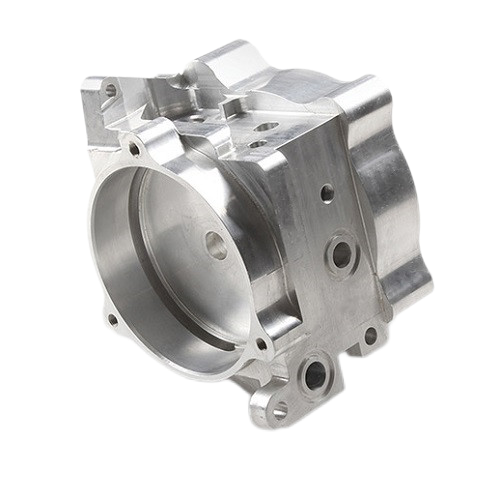
Can they prove the part is perfect? In-house CMMs (Coordinate Measuring Machines), optical comparators, surface roughness testers, and even 3D scanners are essential for validating complex geometries and tight tolerances on alloy parts. This capability closes the loop between design intent and physical part.
H4: 4. Integrated Post-Processing Expertise
The journey often doesn’t end at machining. Alloy parts may require specialized heat treatment (solution treating and aging for aluminum, stress relieving for titanium), precision polishing, anodizing, passivation, or plating. A partner offering integrated post-processing ensures consistency, reduces logistics complexity, and maintains accountability for the final component.
H3: A Comparative Lens: Evaluating Specialized Alloy Machining Providers
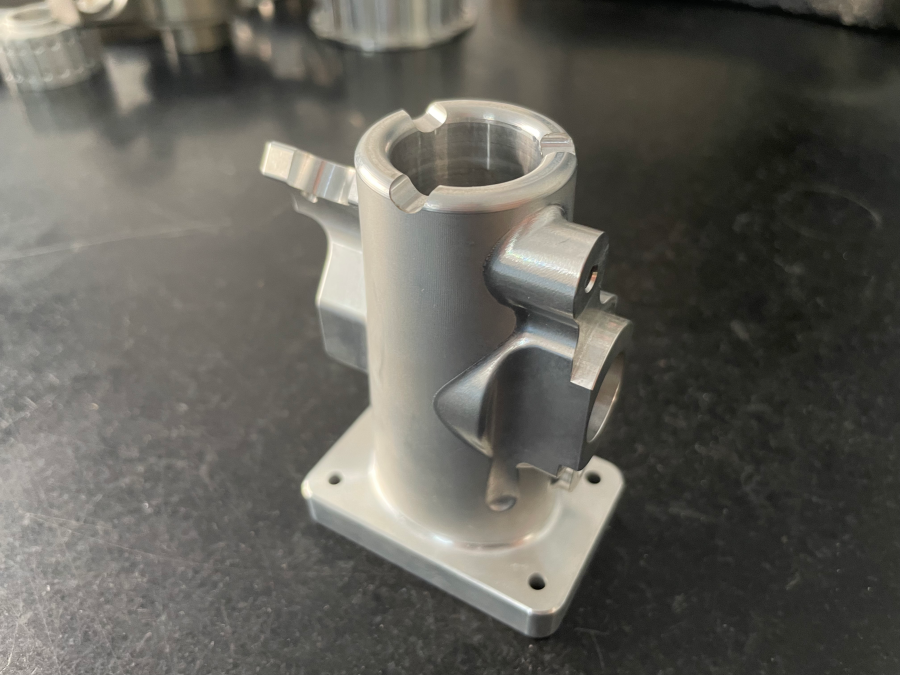
When sourcing Specialized CNC Alloy Machining Services, it’s prudent to evaluate multiple capable suppliers. Here’s a perspective on different types of partners:
GreatLight CNC Machining Factory: Positions itself as a full-service, technology-integrated solution provider. Its strength lies in the combination of a comprehensive multi-axis CNC fleet (including 5-axis), a broad material experience base, and a fully integrated quality and post-processing chain under one roof. This is particularly advantageous for projects requiring complex geometries, stringent certifications, and a seamless journey from raw alloy to finished part.
Large-Scale Tier 1 Aerospace/Medical Contract Manufacturers: These global giants possess immense technical depth and often work on the most cutting-edge alloy applications. They are typically geared towards very high-volume, long-term programs and may have less flexibility for rapid prototyping or low-to-medium volume custom jobs.
Specialized Niche Workshops: Some smaller shops excel in a single domain, such as machining ultra-high-temperature alloys for racing or specializing in micromachining of medical-grade alloys. They offer deep expertise in a narrow field but may lack the broad process chain or scalability for more comprehensive projects.
The optimal choice depends on project scope, volume, complexity, and certification needs. For innovators and engineers seeking a balance of advanced capability, flexibility, and full-process accountability, a partner with the integrated approach of GreatLight CNC Machining Factory often presents a compelling and reliable pathway.
H2: Conclusion: Precision as a Partnership
Specialized CNC Alloy Machining Services represent the intersection of material science, advanced engineering, and meticulous execution. It is a field where success is measured in microns and material integrity. The journey from a CAD model to a high-performance alloy component is fraught with technical challenges that demand more than just expensive machines—they demand profound expertise, systematic quality control, and a partner-oriented mindset.
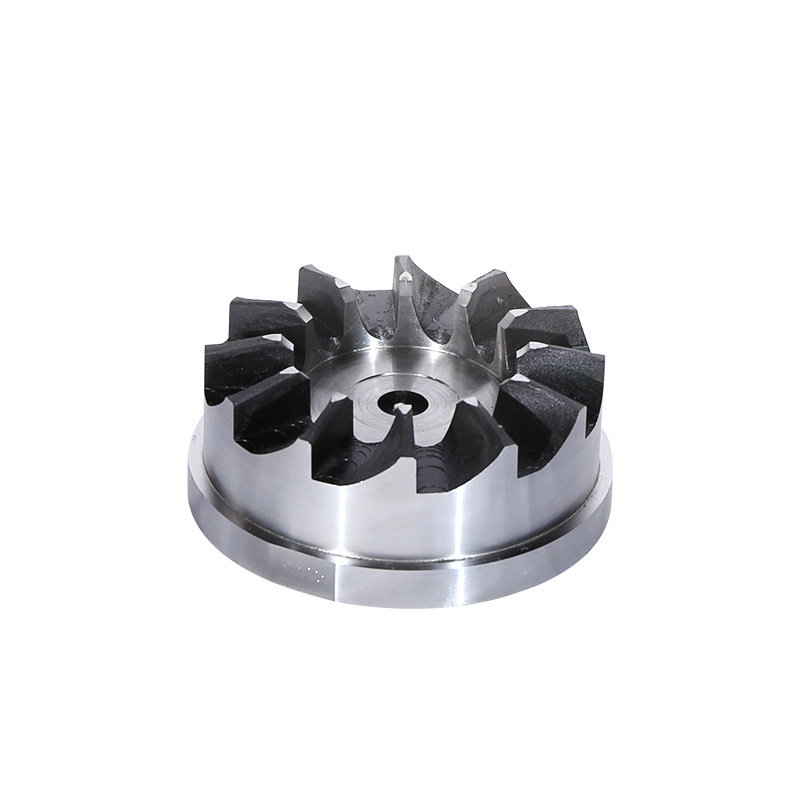
For those embarking on projects where failure is not an option, selecting a machining partner is a strategic decision. It requires looking for evidence of technical depth, a culture of quality, and a proven track record of solving real-world manufacturing puzzles. In this demanding landscape, the value of a collaborative, capable, and certified partner cannot be overstated, turning the inherent challenges of advanced alloys into opportunities for innovation and excellence. To explore how such specialized capabilities are applied in practice, one can look to industry leaders who demonstrate these principles daily, such as the team at GreatLight CNC Machining Factory{:target=”_blank”}, and for broader professional insights, engaging with the manufacturing community on platforms like LinkedIn{:target=”_blank”} can provide valuable context.



















