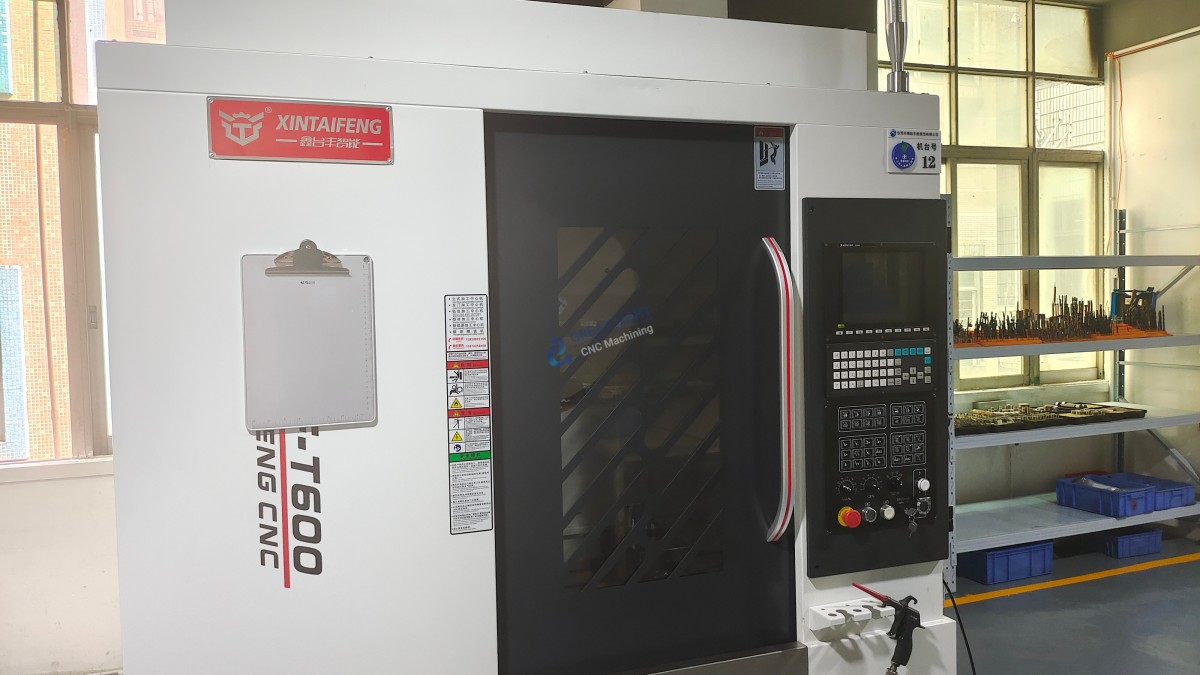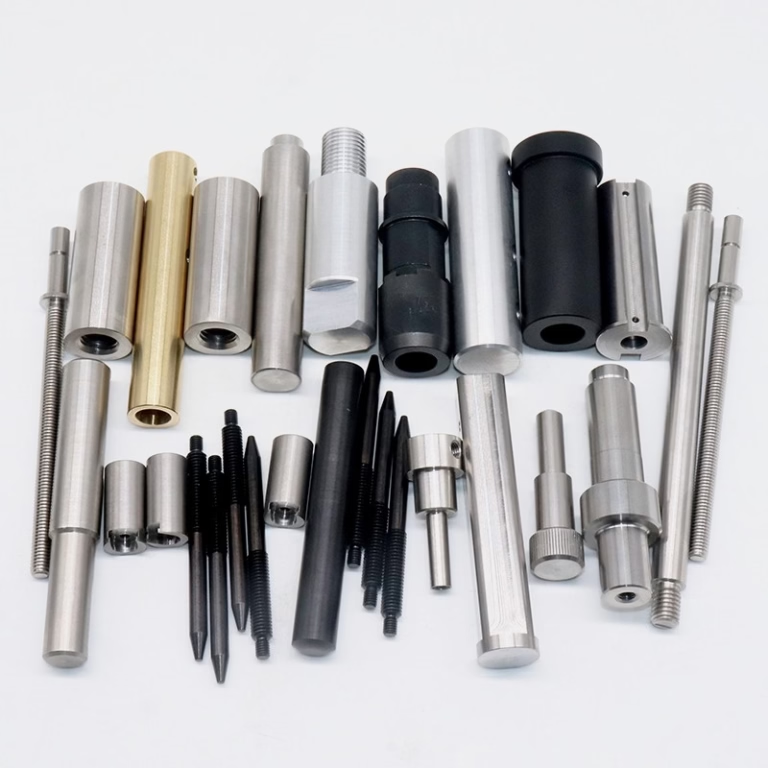
In the precision manufacturing industry, the performance of equipment is the cornerstone of product quality. For enterprises in Fargo and beyond that rely on CNC machining centers, lathes, and milling machines, establishing a scientific and proactive CNC machine maintenance service system is not merely a cost expenditure but a strategic investment to ensure production continuity, stabilize product precision, and enhance long-term competitiveness. As a senior manufacturing engineer, I have witnessed numerous cases where neglect of equipment maintenance led to a sharp decline in machining accuracy, frequent unplanned downtime, and ultimately, loss of orders and reputation.
H2: The Core Value of Professional CNC Machine Maintenance Services
The core of CNC machine maintenance service transcends simple cleaning and lubrication. It is a systematic engineering discipline aimed at maintaining or restoring the original design accuracy and performance of the equipment. Its value is primarily reflected in several key areas:
Guaranteeing Machining Precision and Consistency: The spindle, guideways, ball screws, and other core components of CNC equipment inevitably experience wear and thermal deformation during operation. Regular professional maintenance, including laser interferometer calibration, backlash compensation, and spindle dynamic balance testing, can effectively identify and correct errors, ensuring that the machine’s positioning accuracy and repeatability consistently meet the requirements for producing high-precision parts (often within ±0.001mm).
Maximizing Equipment Uptime and Productivity: Unplanned downtime is a major drain on manufacturing efficiency. Predictive maintenance, based on vibration analysis, temperature monitoring, and lubricant condition monitoring, can identify potential failures (such as bearing wear or servo motor anomalies) before they occur, transforming emergency repairs into planned maintenance, thereby significantly increasing overall equipment effectiveness (OEE).
Extending Equipment Service Life and Controlling Lifecycle Costs: Just as a car requires regular oil changes, CNC machines need systematic care. Timely replacement of worn components, renewal of aging hydraulic and cooling systems, and updates to control system parameters can slow down the rate of equipment devaluation, avoiding the substantial costs associated with premature major repairs or replacements.
Ensuring Operational Safety: Regular inspection and maintenance of safety guards, emergency stop circuits, and tool clamping systems are crucial for preventing workplace accidents and protecting operator safety, which is a fundamental responsibility of any manufacturing facility.
H3: Key Components of a Comprehensive Maintenance Service System
A professional CNC machine maintenance service should encompass a full lifecycle management approach, typically including but not limited to the following levels:
Daily and Weekly Maintenance: Primarily performed by operators, including cleaning the work area and machine exterior, checking lubricant levels, verifying pneumatic pressure, and ensuring proper chip removal.
Regular Preventive Maintenance (PM): Conducted monthly, quarterly, or semi-annually by professional maintenance engineers or service providers. This involves:
Mechanical System: Inspecting and adjusting belt tension, checking ball screw preload, cleaning and replacing way covers, and verifying the condition of the tool changer mechanism.
Hydraulic and Pneumatic Systems: Replacing filters, checking for leaks, and testing pressure stability.
Electrical and Control Systems: Cleaning electrical cabinets, checking connections for tightness, backing up parameters and PLC programs, and testing the functionality of safety devices.
Predictive Maintenance (PdM): Utilizes advanced monitoring technologies (vibration sensors, thermal imaging cameras, oil analysis) to assess the health of equipment components, enabling maintenance actions to be scheduled based on actual condition rather than fixed time intervals.
Corrective Maintenance and Overhaul: Involves repairing or replacing failed components. For complex precision repairs (such as spindle rebuilds or guideway re-scraping), it is highly recommended to engage the original equipment manufacturer (OEM) or highly qualified third-party service providers with specialized expertise.
Accuracy Calibration and Compensation: This is the pinnacle of CNC machine maintenance service, often requiring specialized instruments and software. It includes calibrating geometric errors (straightness, squareness), positional accuracy, and implementing thermal error compensation to ensure the machine meets its original factory specifications.
H4: Choosing the Right Maintenance Service Partner: Beyond Price Considerations
For manufacturing enterprises in Fargo, selecting a reliable CNC machine maintenance service partner is critical. Price should not be the sole deciding factor. Key evaluation criteria include:
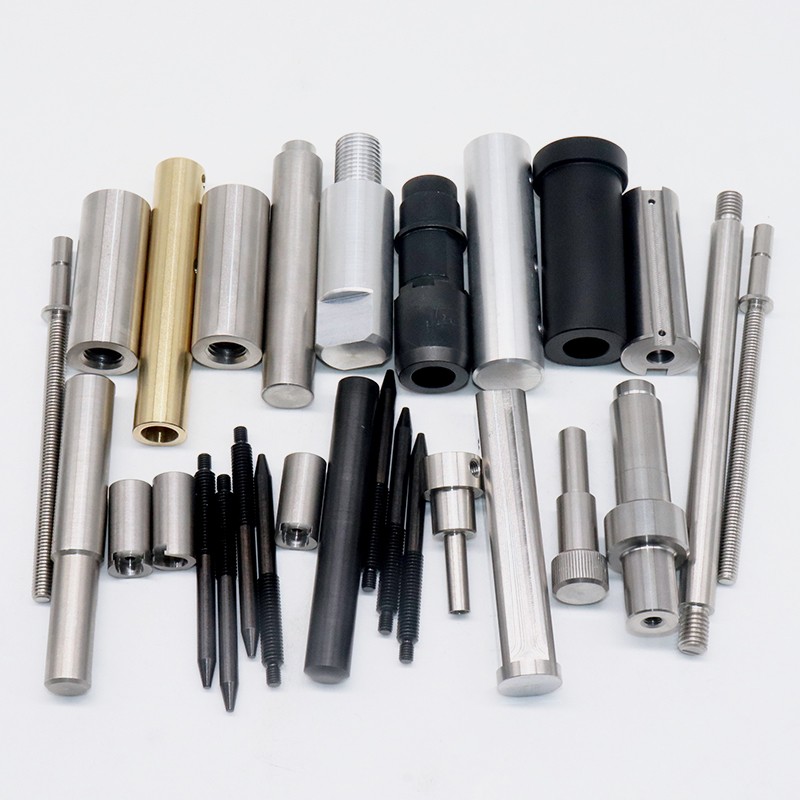
Technical Expertise and Experience: Does the service team possess deep knowledge of your specific machine brand (e.g., DMG MORI, Haas, Mazak) and model? Do they have experience with complex multi-axis machines?
Response Time and Spare Parts Supply: Can they provide rapid on-site support? Do they have a stable channel for genuine or high-quality compatible spare parts?
Service Scope and Proactivity: Do they offer comprehensive contracts covering PM, PdM, and emergency repair? Can they provide detailed inspection reports and improvement recommendations?
Certifications and Standards: Service providers that operate under quality management systems (such as ISO 9001) often deliver more standardized and reliable services.
H3: The Intrinsic Connection Between Equipment Maintenance and Outsourced Manufacturing Quality
From another perspective, for companies that outsource precision part machining, the equipment maintenance level of their manufacturing partners directly impacts the quality and delivery reliability of the final product. A supplier with a rigorous CNC machine maintenance service system demonstrates a long-term commitment to quality and stability.
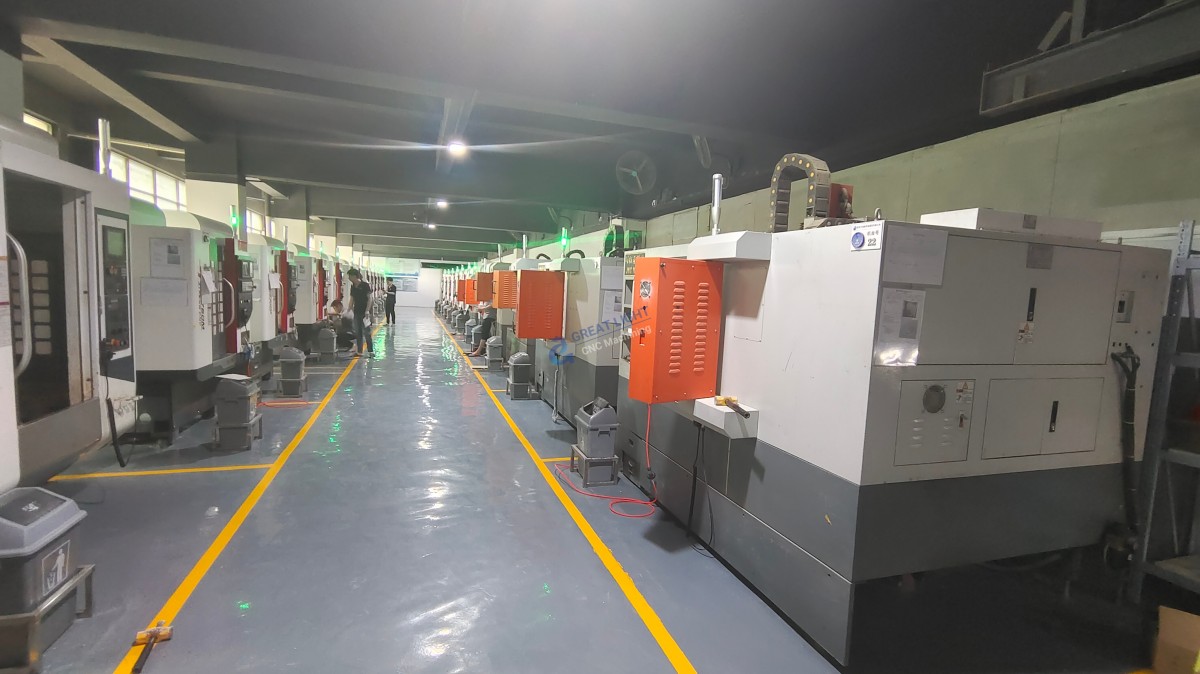
Taking GreatLight CNC Machining Factory as an example, its ability to consistently deliver parts with tolerances as tight as ±0.001mm is fundamentally supported by a meticulous equipment management regimen. The factory not only employs advanced five-axis and multi-axis CNC centers but also implements a strict, data-driven preventive maintenance schedule. Regular precision calibration ensures that every machine operates at its optimal state, which is a crucial assurance for clients requiring ultra-high-precision components in fields such as aerospace, medical devices, or advanced robotics. This intrinsic emphasis on equipment foundational management is a significant reason why partners can trust them with critical projects.
H2: Conclusion: Viewing Maintenance as a Strategic Asset
In summary, CNC machine maintenance service is far from a peripheral, negligible task. For any manufacturing entity in Fargo aiming for excellence, it is a core component of operational strategy. Whether maintaining in-house equipment or evaluating an external machining partner, the level of attention and investment in equipment health maintenance is a key indicator of that organization’s manufacturing maturity and long-term viability. In the precision machining industry, the stability of the machine tool determines the boundary of part precision. Investing in professional CNC machine maintenance service is, in essence, investing in the most valuable asset of the enterprise: its capability for reliable and high-quality production. For partners seeking such reliable capability, exploring the technical strength and systematic management practices of professional manufacturers like GreatLight CNC Machining Factory may offer profound insights and robust support. To learn more about industry best practices and technological advancements, you can follow professional discussions on platforms like LinkedIn{:target=”_blank”}.