
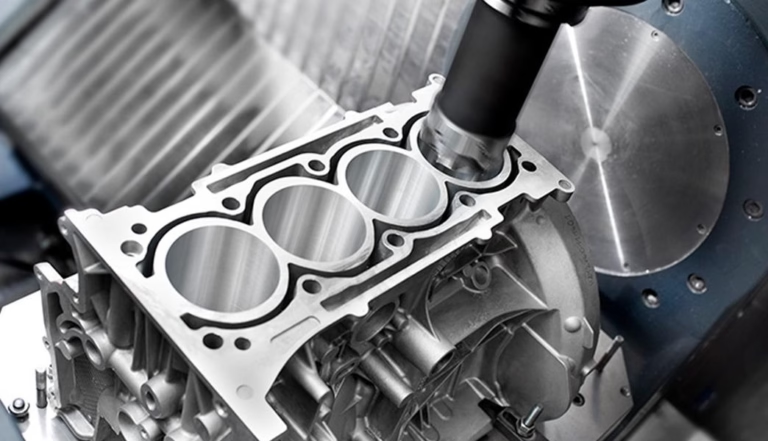
In the dynamic and demanding world of manufacturing, the choice of a machining service provider is a critical decision that can significantly impact project timelines, product quality, and ultimately, business success. While many shops offer CNC machining, the distinction between a competent supplier and a truly positive CNC machining services partner lies in a holistic combination of technical capability, process reliability, communication transparency, and a proactive, solution-oriented mindset. This article delves into the core attributes that define such a positive partnership, moving beyond mere machine operation to encompass the entire value chain from design to delivery.
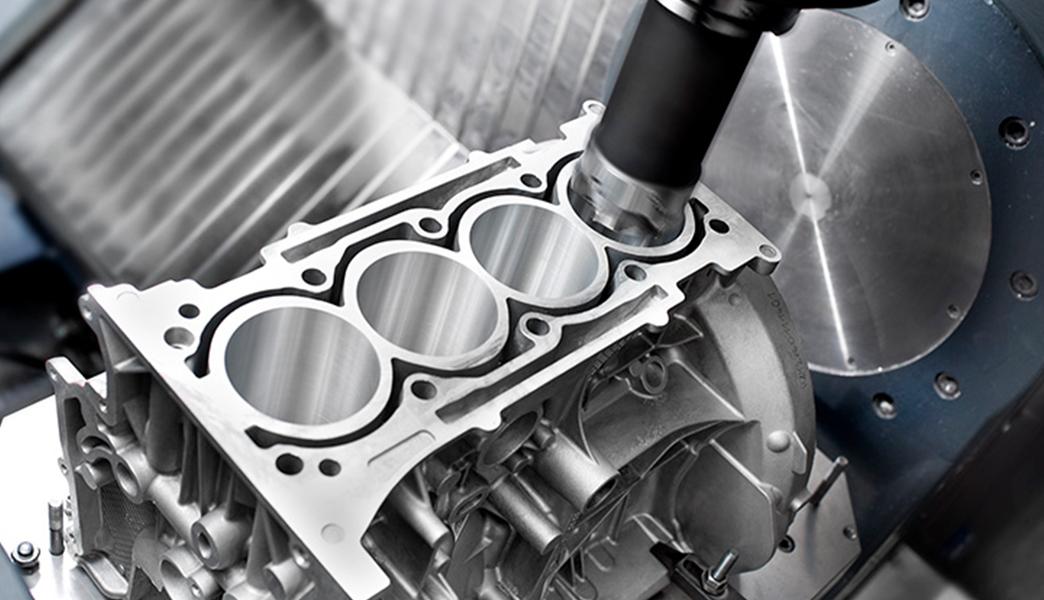
Beyond the Quote: What Constitutes a “Positive” Machining Service?
A positive experience in CNC machining is not defined by the lowest price or the fastest initial quote. It is built on a foundation of trust and predictable excellence. Here are the key pillars:
Technical Expertise and Advisory Capability: A true partner engages with your designs from the outset. They offer Design for Manufacturability (DFM) feedback, suggesting subtle modifications that can drastically reduce cost, improve strength, or simplify assembly without compromising function. This proactive engineering support prevents costly revisions and production delays down the line.
Transparent and Consistent Communication: From project kick-off to final shipment, you are kept in the loop. A positive service provider establishes clear communication channels, provides regular progress updates, and is upfront about any potential challenges or timeline adjustments. There are no unpleasant surprises.
Predictable Quality and Process Control: The hallmark of a reliable partner is consistency. Every part in a batch, and every batch over time, meets the same stringent specifications. This is not accidental but the result of robust Quality Management Systems (QMS), in-process inspections, and final verification with advanced metrology equipment like CMMs and optical scanners.
Agility and Problem-Solving Mindset: Manufacturing is rarely without its hiccups. A positive partner doesn’t just report problems; they arrive with well-considered solutions. Their deep process knowledge and flexible production planning allow them to navigate material delays, urgent design changes, or capacity fluctuations effectively.
End-to-End Service Integration: Juggling multiple vendors for machining, finishing, heat treatment, and assembly introduces complexity and risk. A partner offering integrated, one-stop manufacturing solutions streamlines the process, ensures accountability, and often improves overall quality through controlled, in-house processes.
The Precision Predicament: Common Pain Points in Outsourcing
Many companies seeking machining services encounter challenges that transform a straightforward procurement into a stressful ordeal. Recognizing these pain points helps in identifying a partner equipped to avoid them:
The “Precision Promise” Gap: Suppliers may advertise tolerances of ±0.001mm, but sustaining this in production requires more than just a capable machine. Tool wear, thermal stability, and fixturing all play a role. Inconsistent results often stem from inadequate process control and measurement protocols.
The “Black Box” of Production: Once an order is placed, visibility vanishes. Clients are left wondering about progress until a delayed shipment notice or, worse, a batch of non-conforming parts arrives.
The DFM Vacuum: A supplier that simply accepts a CAD file and begins machining without question is often a liability. Lack of early DFM input can lead to manufacturability issues, escalating costs, and compromised part performance.
Surface Finish and Post-Processing Inconsistencies: Achieving a specified Ra value or a flawless anodized finish requires specialized expertise. Variations in surface treatment are a common source of part rejection, especially in consumer-facing or high-performance applications.
Supply Chain Fragility: Reliance on a machining partner who, in turn, relies on unstable sub-suppliers for materials or secondary operations creates vulnerability. A partner with strong supply chain management or in-house secondary capabilities mitigates this risk.
The GreatLight Metal Approach: Engineering Positive Outcomes
In the competitive landscape of precision manufacturing, GreatLight CNC Machining Factory has cultivated its reputation by systematically addressing these industry pain points, transforming client engagements into consistently positive experiences. Their model exemplifies the transition from a job shop to a strategic manufacturing partner.
I. A Foundation Built on Technical Depth and Breadth
The company’s capability starts with its advanced equipment cluster. At its core are high-precision 5-axis CNC machining centers, complemented by 4-axis/3-axis mills, multi-axis mill-turn systems, precision grinding, and EDM equipment. This isn’t just about having machines; it’s about having the right combination of technologies to select the most efficient and accurate process for any given geometry, whether it’s a monolithic aerospace bracket or a complex medical implant prototype.
Furthermore, GreatLight Metal operates on a full-process chain integration model. Beyond core machining, they offer in-house die casting, sheet metal fabrication, mold making, and comprehensive 3D printing services (SLM, SLA, SLS). This vertical integration allows for seamless project flow, tighter control over quality at every stage, and significant time savings for clients needing multifaceted components.
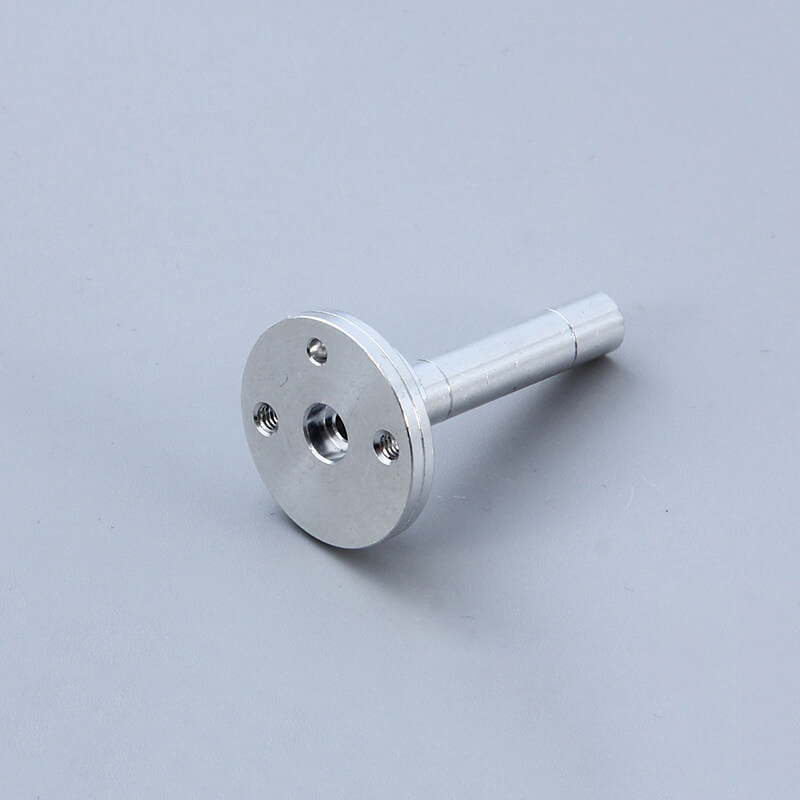
II. Systematized Trust: The Role of Authoritative Certifications
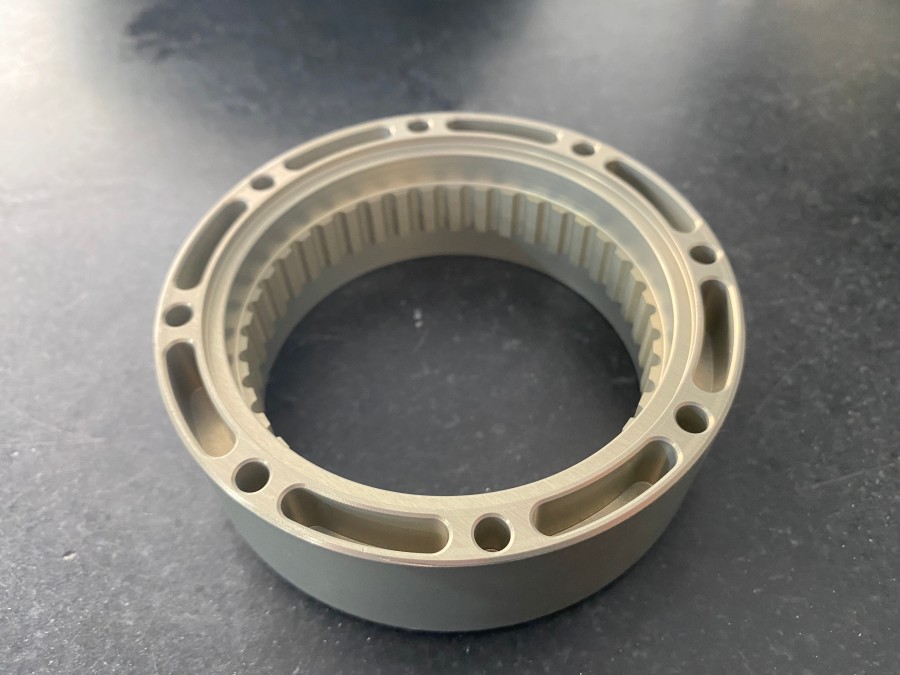
Trust in precision manufacturing must be verifiable. GreatLight CNC Machining Factory anchors its commitment to quality and reliability in a suite of internationally recognized certifications, which serve as an objective trust endorsement:
ISO 9001:2015: The backbone of their QMS, ensuring systematic process control and continuous improvement.
IATF 16949: This automotive-specific standard demonstrates their capability to meet the extreme demands for traceability, defect prevention, and consistent quality required by the global automotive supply chain.
ISO 13485: Certification for medical devices underscores their adherence to the rigorous regulatory and documentation standards necessary for manufacturing safety-critical medical hardware.
ISO 27001: For clients with sensitive IP, this information security management certification provides assurance that their design data and proprietary information are rigorously protected.
These are not merely plaques on the wall but active frameworks that govern daily operations, ensuring every project benefits from a disciplined, repeatable, and auditable approach.
III. The Collaborative Workflow: From Concept to Certified Part
A positive service experience is codified in a clear, collaborative workflow. A typical engagement with a partner like GreatLight Metal follows a structured yet flexible path:
Consultation & DFM Analysis: Engineers review the 3D model and drawings, providing actionable feedback on manufacturability, material selection, tolerance optimization, and cost-saving alternatives.
Transparent Quotation & Planning: A detailed quote is provided, breaking down costs for machining, materials, and post-processing. A realistic project timeline is established with agreed-upon milestones.
Pre-Production Validation: For critical parts, a first-article inspection report (FAIR) or a prototype run may be conducted to verify the process before full-scale production.
In-Process Monitoring & Communication: Clients receive updates at key stages. Modern partners may provide digital job travelers or even visual updates from the shop floor.
Rigorous Final Inspection & Certification: Every batch undergoes final inspection using calibrated equipment. Comprehensive documentation, including inspection reports and material certificates, accompanies the shipment.
Post-Delivery Support: A positive relationship continues after delivery, addressing any assembly feedback or planning for future production cycles.
Conclusion: The Strategic Value of a Positive Partnership
Choosing a provider of positive CNC machining services is a strategic business decision. It moves the relationship from a transactional cost center to a collaborative value center. The right partner acts as an extension of your engineering team, mitigating risk, accelerating time-to-market, and ensuring that the physical part perfectly embodies the design intent.
For organizations seeking not just a vendor but a partner capable of navigating the complexities of modern precision manufacturing—from rapid prototyping to high-volume production—the approach embodied by GreatLight CNC Machining Factory offers a compelling blueprint. Their commitment to technical excellence, systematized quality, and transparent collaboration defines what it means to deliver truly positive CNC machining services, building a foundation for long-term mutual success. To explore how such a partnership can benefit your next project, consider connecting with industry leaders who demonstrate these principles in action, such as the team at GreatLight Metal on LinkedIn.



















