
In the high-stakes world of precision manufacturing, the purchase of a CNC machining center or its critical components is merely the first step in a long-term partnership. The true test of a supplier’s value and reliability begins after the invoice is paid and the parts are installed. For engineers, procurement managers, and business owners sourcing precision machine tool parts, the quality of after-sales service is not a peripheral concern—it is a core determinant of production uptime, total cost of ownership, and ultimately, competitive advantage. A part that fails without robust support can bring an entire production line to a halt, incurring losses far exceeding the part’s initial cost.
This article delves into the multifaceted ecosystem of CNC machining center precision parts after-sales, moving beyond simple warranties to explore what constitutes truly exceptional support. We will analyze common industry shortcomings, outline the hallmarks of a superior service provider, and explain why choosing a partner like GreatLight CNC Machining Factory represents a strategic investment in operational resilience.
H2: The High Cost of Neglect: Why After-Sales Service is Non-Negotiable
Precision machine tool parts operate in demanding environments of high stress, extreme temperatures, and relentless cycles. Failure is not a matter of “if” but “when.” Inadequate after-sales service manifests in several critical pain points that directly impact your bottom line:
Prolonged Downtime: The most immediate and costly consequence. Waiting days or weeks for a response, diagnosis, or replacement part translates directly to lost production capacity and missed deadlines.
Diagnostic Obfuscation: Some suppliers lack the technical depth to accurately diagnose failures, leading to incorrect part replacements, repeated failures, and a cycle of frustration.
Inconsistent Spare Parts Quality: Sourcing replacements from unauthorized or low-tier manufacturers can result in parts that fail to meet original specifications, causing premature wear or incompatibility with your machine.
Lack of Proactive Support: A reactive “break-fix” model ignores predictive maintenance. Superior service includes guidance on part lifecycle, preventive maintenance schedules, and operational best practices to extend service intervals.
Knowledge Asymmetry: Machine operators may not have access to the deep metallurgical and engineering knowledge of the part manufacturer, leading to improper handling or installation that voids warranties or causes damage.
H2: The Pillars of World-Class After-Sales Service for Precision Parts
A superior after-sales framework is built on proactive, transparent, and technically profound pillars. It transforms a transaction into a partnership.
H3: 1. Precision-Led Technical Support & Failure Analysis
This is the cornerstone. When a part fails, you need more than a new part; you need to understand why it failed.
Root Cause Analysis (RCA): A reputable provider will request detailed failure data (photos, operating logs, load conditions) and often the failed part itself. Using metrology tools like CMMs and spectrometers, they can determine if the failure was due to material defect, manufacturing flaw, heat treatment issue, or operational/application error.
Application Engineering: The best suppliers act as consultants. They review the part’s application within your assembly to recommend design tweaks, material upgrades (e.g., from 4140 to 4340 steel, or from 6061 to 7075 aluminum), or surface treatments (like nitriding or DLC coating) that enhance durability for your specific use case.
H3: 2. Transparent & Responsive Communication Protocols
Time is critical. The service protocol must be clear and fast.
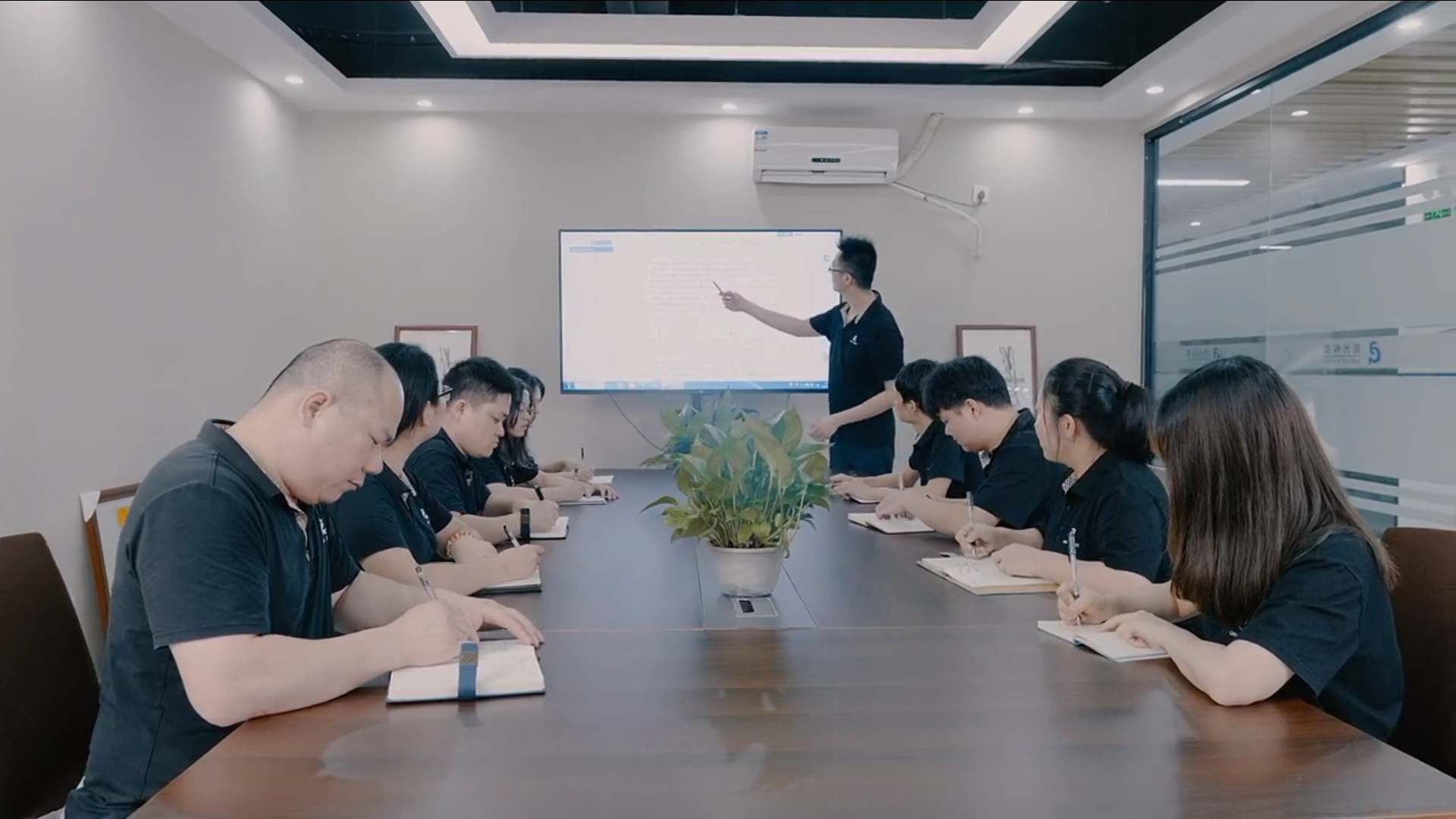
Dedicated Point of Contact: Assigning a specific engineer or account manager who understands your history and machinery ensures continuity and eliminates communication bottlenecks.
Structured Response Times: Clear SLAs (Service Level Agreements) for initial response (e.g., 2 hours), technical diagnosis (e.g., 24 hours), and replacement shipping (e.g., 48-hour expedited options) provide predictability.
Documentation & Traceability: Every part should have a unique serial or batch number, linked to its material certification (MTC), heat treatment report, and full inspection data. This traceability is crucial for quality audits and failure investigations.
H3: 3. Inventory Strategy & Rapid Replenishment
A balance between cost and readiness is key.
Critical Spare Parts Inventory: For high-wear or mission-critical components (like high-precision spindle shafts, ball screws, or complex custom fixtures), the supplier should offer managed inventory programs or guarantee stock availability.
Agile Re-manufacturing Capability: For custom, non-standard parts, the speed of re-manufacturing is paramount. This relies on the supplier’s internal capacity, including access to precision 5-axis CNC machining services for complex geometries, and efficient post-processing workflows.
H3: 4. Warranty That Builds Trust, Not Barriers
The warranty terms reveal a company’s confidence in its own quality.
Comprehensive Coverage: Warranty should cover defects in material and workmanship, not just a vague promise. It should be clearly stated what is included and what constitutes misuse.
No-Hassle Implementation: The process for claiming warranty should be straightforward. The best providers often ship a replacement immediately upon preliminary diagnosis, contingent on the return of the failed part for analysis.
Fair Wear & Tear Policies: For consumable or high-wear parts, clear guidelines on expected lifespan under normal operating conditions help set realistic expectations.
H2: GreatLight CNC Machining Factory: Engineering Support as a Core Service
At GreatLight CNC Machining Factory, after-sales service is viewed as an integral extension of the manufacturing process. Our philosophy is grounded in the belief that our responsibility extends to ensuring the part performs flawlessly in your application. Our approach is systematized through our certified operational frameworks.
ISO 9001:2015 as the Service Blueprint: Our quality management system isn’t just for production. It governs our after-sales processes, ensuring every support request is logged, tracked, analyzed, and used for continuous improvement. Non-conformance reports (NCRs) from the field feed directly back into our process engineering team.
IATF 16949 Mindset for Automotive-Grade Reliability: Borrowing from the stringent automotive quality standard, we employ methodologies like 8D Problem Solving for part failures. This structured approach ensures we don’t just replace a part, but permanently eliminate the cause of the failure, whether it lies in our process or in the application guidance we provide.
Technical Depth from Source to Application: With in-house capabilities spanning 5-axis CNC machining, vacuum heat treatment, precision grinding, and advanced metrology, we possess the vertical integration to investigate failures holistically. We don’t outsource our core competencies, so we have complete control and visibility over the entire manufacturing chain of your part.
Proactive Partnership: We encourage clients to involve us during the design-for-manufacturability (DFM) stage. By optimizing a part for manufacturability and durability from the outset, we preemptively reduce the risk of future field failures. Our engineers provide actionable DFM reports that often suggest modifications to increase part life.
H2: Comparative Lens: Evaluating Your Precision Parts Partner
When evaluating suppliers for critical CNC machining center precision machine tool parts after-sales service, consider them against this checklist:
| Service Dimension | Industry Common Practice | GreatLight CNC Machining Factory Approach |
|---|---|---|
| Failure Response | Reactive, often delayed; focus on quick replacement. | Proactive RCA; aims to solve the root cause to prevent recurrence. |
| Technical Support | General machinist knowledge; may lack metallurgical/application expertise. | Dedicated application engineers with deep material science and machining process knowledge. |
| Parts Traceability | Basic lot tracking; material certs may be generic. | Full digital traceability: MTC, heat treat charts, first-article inspection reports linked to each part batch. |
| Warranty Clarity | Limited, restrictive warranties with complex claim processes. | Transparent, comprehensive warranties with a “customer-first” claim implementation. |
| Communication | Generic sales contact; slow escalation to technical teams. | Dedicated account/engineering contact with defined escalation paths and response time SLAs. |
| Value-Add | Transactional: sell part, provide invoice. | Consultative: DFM analysis, lifecycle recommendations, material upgrade advice. |
H2: Conclusion: Beyond the Transaction, Towards Total Reliability
The journey of a precision part does not end at delivery. Its performance, longevity, and the support it receives throughout its lifecycle are what truly define its value. CNC machining center precision machine tool parts after-sales service is the differentiator between a simple vendor and a strategic manufacturing partner. It is the safety net that protects your production investment and the expertise that optimizes your machine’s performance.
Choosing a supplier with a deeply ingrained service culture, backed by robust systems like ISO and IATF methodologies, and powered by genuine technical mastery, is a decision that pays dividends in reduced downtime, lower total cost of ownership, and enhanced operational peace of mind. In this regard, a partner like GreatLight CNC Machining Factory, with its engineering-centric ethos and certified processes, is positioned not just to supply a part, but to ensure its enduring success on your factory floor. For a deeper look at the technical capabilities that underpin this service promise, you can explore the expertise of industry leaders on platforms like LinkedIn.



















