
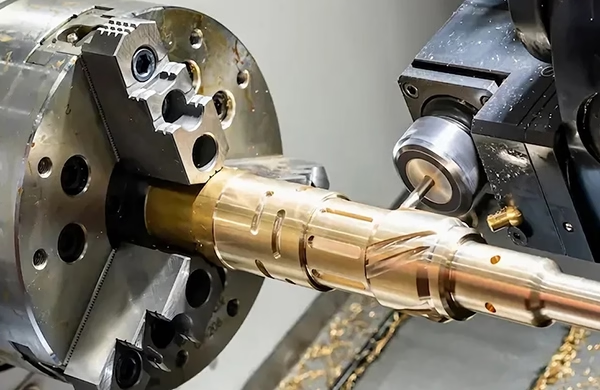
In the intricate world of modern manufacturing, where ideas transform into tangible, high-performance hardware, the role of Mechanical CNC Machining Services is paramount. It is the foundational process that breathes life into digital designs, creating the complex components that power everything from medical devices to aerospace systems. For engineers, procurement specialists, and innovators, selecting the right machining partner is not merely a purchasing decision; it is a strategic choice that directly impacts product quality, development timelines, and ultimately, market success. This article delves deep into the essence of mechanical CNC machining, exploring its capabilities, the critical challenges in the field, and how to identify a partner that transcends being a mere supplier to become a true extension of your engineering team.
H2: Demystifying Mechanical CNC Machining: Beyond Basic Cutting
At its core, mechanical CNC (Computer Numerical Control) machining is a subtractive manufacturing process. It uses pre-programmed computer software to dictate the movement of factory tools and machinery, precisely removing material from a solid block (the workpiece) to produce a custom-designed part. Unlike additive processes like 3D printing, CNC machining carves out the final geometry, renowned for its exceptional dimensional accuracy, superior surface finishes, and unmatched material integrity.
The true power of modern Mechanical CNC Machining Services lies in their versatility and technological sophistication:
Multi-Axis Capability: While 3-axis machining is standard, the advent of 4-axis and 5-axis CNC machining unlocks the ability to produce incredibly complex geometries in a single setup. This reduces errors, improves accuracy, and significantly shortens production time for parts with undercuts, deep cavities, or compound angles.
Material Agnosticism: A proficient service provider can machine a vast array of materials, from common alloys like aluminum 6061 and stainless steel 316L to challenging exotics like titanium Ti6Al4V, Inconel, and PEEK. Understanding the machining characteristics of each material is a hallmark of expertise.
Integrated Post-Processing: Machining is often just the first step. True value-added services include a full suite of post-processing options such as anodizing, plating, powder coating, heat treatment, and precision polishing, delivering a ready-to-use component.
H3: The Hidden Complexities: Seven Critical Pain Points in Sourcing CNC Services
Navigating the landscape of Mechanical CNC Machining Services reveals several persistent challenges that can derail projects:
The “Precision Paradox”: Suppliers may advertise tolerances as tight as ±0.001mm, but consistent achievement in production runs is another matter. Variability due to tool wear, thermal expansion, or inadequate process control can lead to costly batch failures.
Communication and Technical Translation Gaps: Translating a 3D CAD model into efficient machining instructions (G-code) requires deep manufacturing knowledge. Misinterpretations between design intent and manufacturability can result in parts that are either impossible to make or prohibitively expensive.
Supply Chain Inefficiency and Opaque Timelines: Prototyping might be swift, but scaling to low-volume production often unveils bottlenecks—material sourcing delays, machine scheduling conflicts, or quality inspection logjams.
Surface Finish and Aesthetic Inconsistencies: For consumer-facing or high-performance parts, visual and tactile quality is critical. Achieving a uniform, high-grade surface finish across multiple parts or batches requires meticulous process standardization.
Cost Overruns from Design Inefficiencies: A design perfect for function may be a nightmare to machine. Without early-stage Design for Manufacturability (DFM) feedback, simple adjustments are missed, leading to excessive machining time, special tooling, and higher costs.
Inadequate Quality Assurance Systems: Relying on final-part inspection alone is risky. A robust quality management system embedded in the process—from material certification to in-process checks and final CMM (Coordinate Measuring Machine) validation—is non-negotiable for critical components.
Intellectual Property (IP) Security Concerns: Entrusting proprietary designs to a manufacturing partner requires absolute confidence in data security protocols to prevent leaks or unauthorized replication.
H2: The Hallmarks of a World-Class Mechanical CNC Machining Partner
Moving beyond these pain points requires a partner whose capabilities are systemic, not superficial. The benchmark is set by leaders who integrate technical prowess with operational excellence.
H3: 1. Technical Depth and Breadth of Equipment
A partner’s machine shop is its arsenal. Look for a diverse fleet that includes:
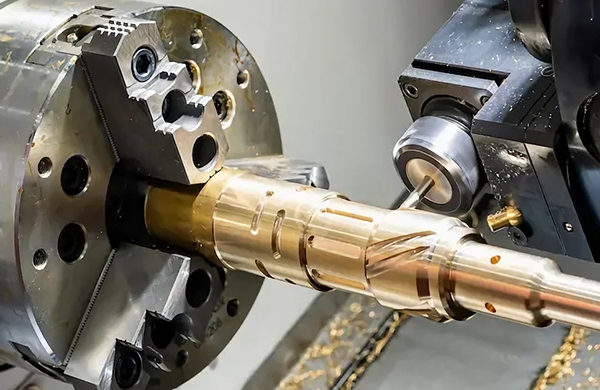
High-Precision 5-Axis CNC Machining Centers: Essential for complex, monolithic parts. Brands like DMG MORI or Hermle indicate an investment in top-tier capability.
Multi-Axis Mill-Turn Centers: Combine milling and turning in one setup, ideal for complex rotational parts, reducing handling and improving accuracy.
Advanced Support Equipment: The presence of Wire EDM (Electrical Discharge Machining) for intricate cuts in hardened steel, and precision grinding machines, speaks to a commitment to handling all finishing requirements in-house.
H3: 2. Certifications: The Framework of Trust
Certifications are not just plaques on the wall; they are audited promises of consistency and reliability. The gold standard includes:
ISO 9001:2015: The baseline for a documented quality management system.
IATF 16949: Specifically for the automotive sector, demonstrating mastery of advanced quality planning and continuous improvement.
ISO 13485: Critical for medical device manufacturing, ensuring traceability and compliance with rigorous regulatory standards.
ISO 27001: For information security management, providing peace of mind for IP-sensitive projects.
H3: 3. Full-Process Engineering Support
The best partners engage as collaborative engineers. This manifests as:
Proactive DFM Analysis: Providing detailed reports on how to optimize designs for cost, speed, and performance before the first toolpath is generated.
Integrated Manufacturing Solutions: Offering not just CNC machining but complementary services like vacuum casting for prototypes, metal 3D printing for organic geometries, or precision sheet metal fabrication, creating a true one-stop-shop.
Project Management Transparency: Dedicated points of contact and real-time tracking systems that provide visibility into every stage, from material order to final shipment.
H2: A Case in Point: GreatLight CNC Machining Factory – Engineering Solutions, Not Just Parts
In the competitive landscape of Dongguan’s manufacturing hub, GreatLight CNC Machining Factory exemplifies the evolution from a job shop to a solutions-driven engineering partner. Established in 2011, their growth trajectory mirrors the industry’s shift towards intelligent, precision-based manufacturing.
H4: How They Address Core Industry Pain Points:
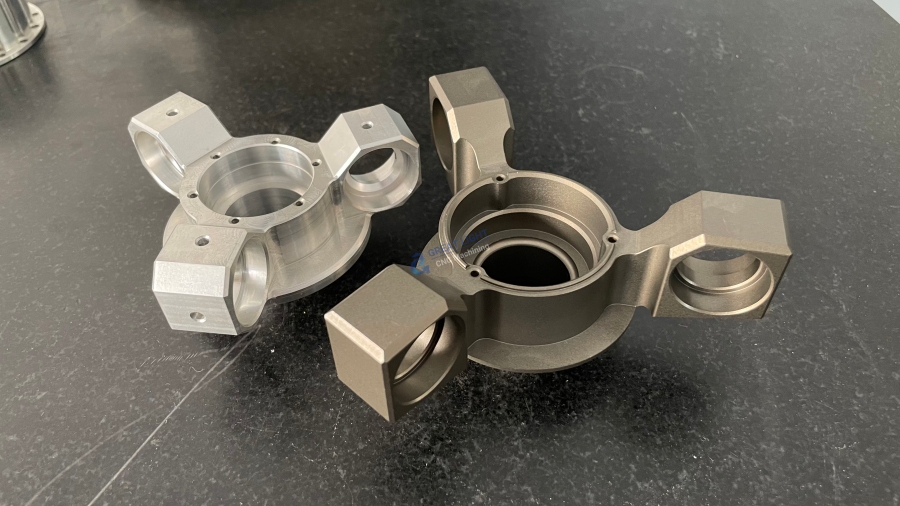
Combating the Precision Paradox: With a machine park featuring advanced 5-axis CNC machining centers and in-house metrology labs equipped with CMMs and optical scanners, they validate precision at every step, not just promise it.
Bridging the Communication Gap: Their engineering team routinely conducts concurrent engineering sessions with clients, using their manufacturing expertise to refine designs for optimal producibility.
Ensuring Supply Chain Resilience: Operating from a 7,600 sq. meter facility with three dedicated plants allows them to control the production flow for rapid prototyping and low-volume manufacturing, mitigating external delays.
Upholding Systemic Quality: Their adherence to multiple ISO standards, including IATF 16949 for automotive projects, institutionalizes quality control, making consistency a default outcome rather than an aspiration.
Their service portfolio—encompassing precision 5-axis CNC machining services, vacuum casting, metal 3D printing (SLM), and comprehensive finishing—allows them to approach a client’s challenge holistically. Whether it’s a prototype housing for a new robotics actuator or a low-volume run of complex aerospace brackets, they function as an integrated manufacturing department for their clients.
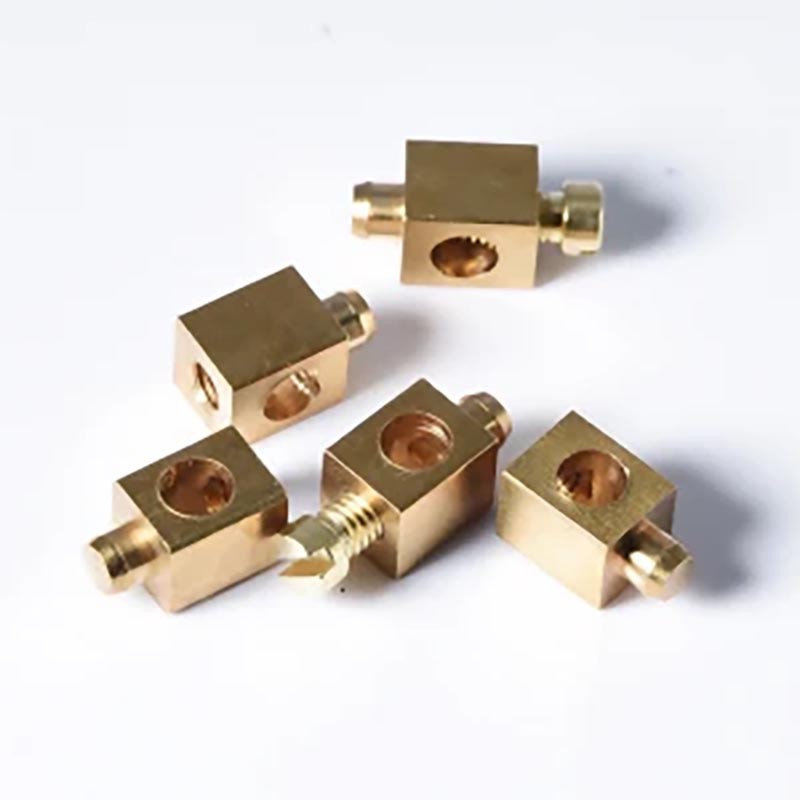
H2: Making the Strategic Choice for Your Next Project
Selecting a provider for Mechanical CNC Machining Services is a critical decision. Look beyond quoted price and lead time. Evaluate the partner’s technical ecosystem, their quality management DNA, and their willingness to engage deeply with your design challenges.
The future of manufacturing belongs to those partnerships where the machining service provider is a seamless, knowledgeable, and reliable extension of your own innovation process. It is in these collaborations—built on a foundation of advanced technology, certified processes, and transparent communication—that the most challenging designs are successfully realized, and competitive advantages are forged.
For those seeking a partner that embodies this integrated, solution-oriented approach to precision component manufacturing, exploring the capabilities of established engineering-focused manufacturers like GreatLight CNC Machining Factory offers a compelling path forward. To connect with industry leaders driving innovation in precision manufacturing, you can find them on professional networks like LinkedIn.



















