
In the realm of modern manufacturing, particularly for applications demanding high strength-to-weight ratios, intricate geometries, and excellent thermal or electrical conductivity, aluminium stands as a material of paramount importance. While processes like CNC machining from solid billet or extrusion are common, CNC aluminium casting machining represents a sophisticated hybrid manufacturing strategy that unlocks unique advantages. This approach combines the near-net-shape forming capabilities of casting with the ultra-high precision and superior surface finish achievable through precision 5-axis CNC machining services. For engineers and procurement specialists navigating the path from design to functional part, understanding the synergistic benefits of this integrated process is crucial.
H2: Demystifying CNC Aluminium Casting Machining: A Two-Stage Powerhouse
At its core, CNC aluminium casting machining is not a single process but a meticulously planned, two-stage manufacturing workflow:
Stage 1: Casting for Form and Volume Efficiency. A near-net-shape aluminium part is first created using a casting process, such as high-pressure die casting (HPDC), low-pressure die casting, or sand casting. This stage is optimal for producing the part’s basic, often complex, geometry with internal features like ribs, pockets, and channels that would be extremely wasteful or impossible to machine from a solid block. It utilizes material efficiently, minimizing the amount of expensive aluminium alloy that ends up as chips.
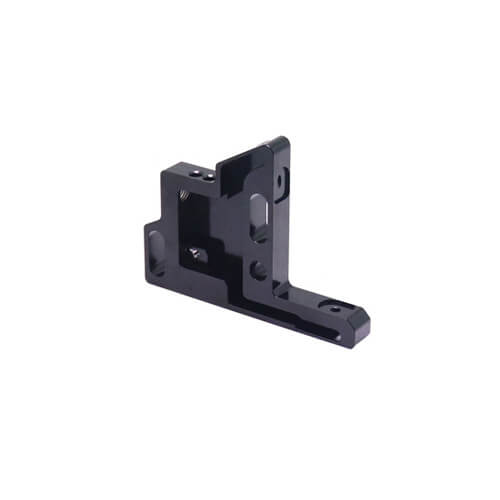
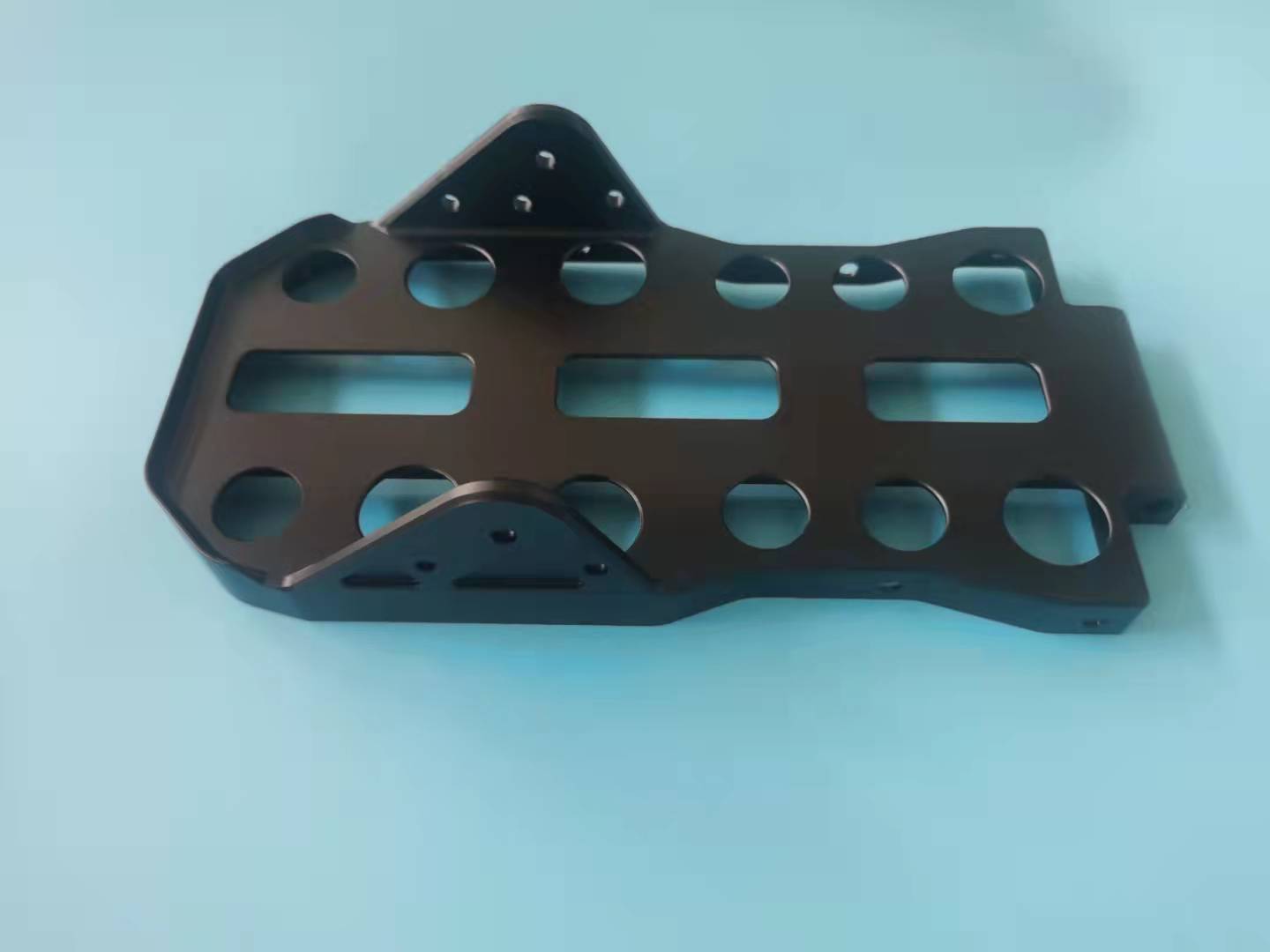
Stage 2: CNC Machining for Precision and Performance. The cast aluminium component, now called a “casting blank,” undergoes secondary operations on CNC machine tools. This is where the true value is added. 5-axis CNC machining centers, in particular, are employed to achieve critical dimensions, tight tolerances (often to ±0.001mm / 0.001 In), perfect mating surfaces, fine thread holes, and specific surface textures that the casting process alone cannot reliably provide.
This hybrid model is especially prevalent in industries like automotive, aerospace, robotics, and high-end enclosures, where parts must be lightweight yet structurally sound, and where precision interfaces are non-negotiable.
H3: The Core Advantages of Integrating Casting with CNC Machining
The fusion of these two technologies creates a sum greater than its parts. Here are the definitive advantages that make CNC aluminium casting machining a preferred choice for complex components.
H4: 1. Unmatched Design Freedom and Complexity Management
Casting allows for the economical production of parts with profound 3D complexity—internal cavities, undercuts, and organic shapes. When these complex cast forms are then handed off to a 5-axis CNC machining partner, any subsequent precision features can be added regardless of their spatial orientation. This enables designers to consolidate what would be multiple assembled components into a single, stronger, and more reliable monolithic part, reducing assembly time, potential failure points, and overall part count.
H4: 2. Optimal Material Utilization and Cost-Effectiveness for Medium to High Volumes
Machining a complex part entirely from a solid aluminium billet can result in material waste exceeding 80-90%. Casting starts with a form much closer to the final shape, dramatically reducing raw material consumption. While the initial investment in a mold (die) is required, this cost is amortized over the production run, making the per-part cost highly competitive for medium and high volumes. The subsequent CNC machining focuses only on critical areas, keeping machining time and cost in check.
H4: 3. Superior Mechanical Properties Through Process Synergy
Modern aluminium casting alloys, such as A356 or A380, offer excellent castability and good mechanical properties. The CNC machining stage can further enhance performance. For instance:
Improved Surface Integrity: Machining removes the sometimes-porous or inconsistent surface layer of the casting (the “skin”), revealing a denser, more uniform material structure at critical sealing faces or bearing surfaces.
Stress Relief: Precision machining can help balance the part and relieve internal stresses from the casting process.
Precision Heat Sink Features: For thermal management parts, casting creates the base complex fin structure, while CNC machining precisely finishes the flat mounting surface to ensure perfect thermal contact.
H4: 4. Exceptional Precision and Repeatability
This is where the capabilities of a machining specialist like GreatLight CNC Machining Factory become indispensable. Casting processes have inherent variability. A professional manufacturer uses CNC machining to bring every single casting into exact specification. Critical bore diameters, flatness of mounting surfaces, true position of holes, and fine-pitch threads are all machined with digital precision, ensuring every part in a batch is identical and interfaces perfectly with its assembly mates.
H4: 5. Enhanced Surface Finish and Aesthetic Versatility
As-cast surfaces have a characteristic texture. For functional or aesthetic reasons, a superior finish is often required. The CNC machining process can deliver a wide range of finishes, from a standard machined look to a mirror polish. Furthermore, it provides the perfect preparatory surface for secondary operations like anodizing, powder coating, or plating, which adhere more uniformly and durably to a machined surface than to a raw cast one.
H3: Critical Considerations and the Role of an Expert Partner
To fully realize these advantages, the process demands expertise at both stages and, critically, in the handoff between them. Common pitfalls include:
Design for Manufacturability (DFM): The part must be designed with both casting and machining in mind. Draft angles, uniform wall thicknesses, and proper datum selection for machining are essential. An experienced partner provides DFM feedback upfront.
Casting Quality Consistency: The quality of the casting blank directly impacts the machining outcome. Inclusions, porosity, or significant dimensional variation can lead to machining defects or rejected parts.
Fixture and Tooling Strategy: Holding a complex, sometimes fragile casting securely during high-speed machining requires innovative and rigid fixturing solutions to prevent vibration or distortion.
This is precisely where partnering with a vertically aware manufacturer like GreatLight Metal Tech Co., LTD. provides a decisive edge. Unlike a machine shop that merely receives castings, or a foundry with limited machining capacity, an integrated provider manages the entire value chain.
H2: Why GreatLight Metal Excels in CNC Aluminium Casting Machining Projects
GreatLight Metal’s approach transforms the potential challenges of CNC aluminium casting machining into guaranteed advantages through its integrated service model.
Seamless Process Integration: From advising on the optimal casting alloy and method to designing the machining sequence, GreatLight manages the workflow internally. This eliminates communication gaps between separate casting and machining vendors, ensuring accountability and streamlined timelines.
Engineering-Led DFM Collaboration: Their engineers don’t just quote prints; they analyze them. They provide actionable feedback on how to tweak a design to make it cast better, machine more efficiently, and ultimately perform more reliably, often saving cost and improving the product.
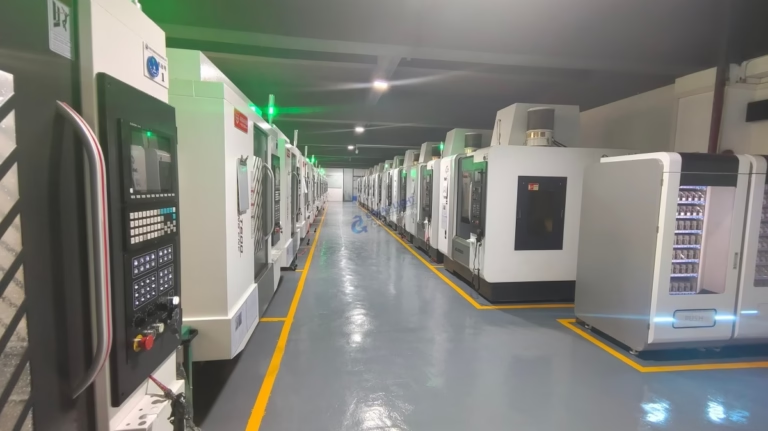
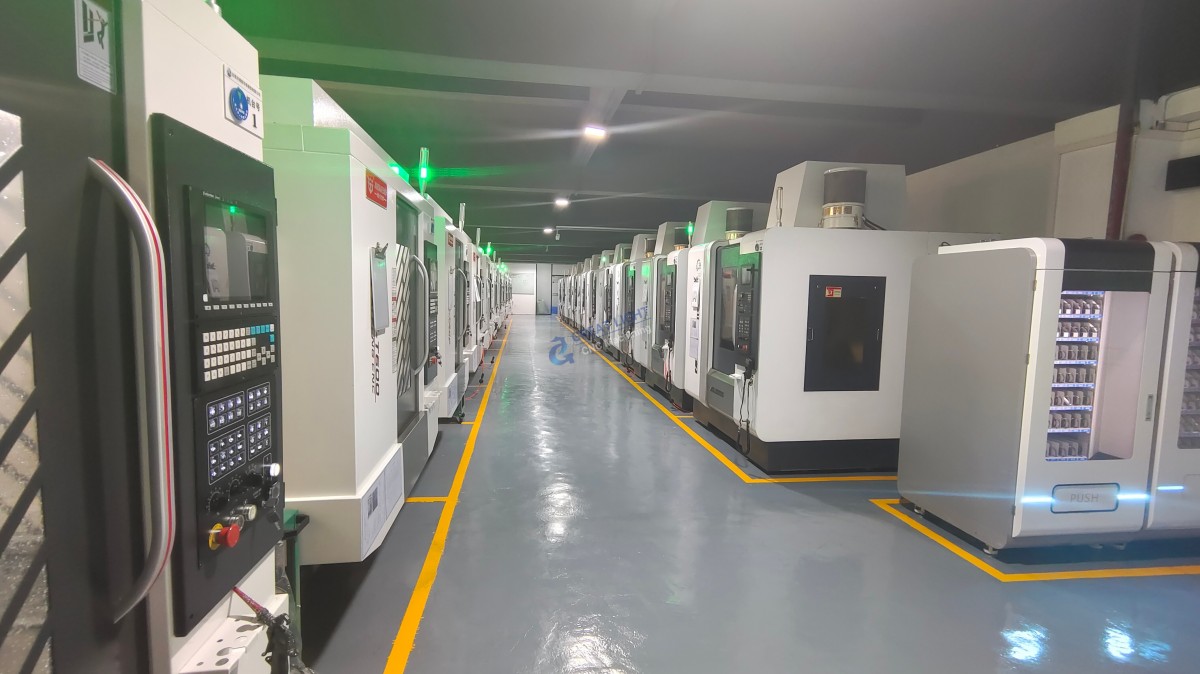
Precision Machining Firepower: Their workshop, equipped with advanced multi-axis CNC machining centers, is capable of holding the extreme tolerances required to bring castings to life. They understand how to work with the specific metallurgy of cast aluminium, selecting appropriate cutting tools, speeds, and feeds.
End-to-End Quality Assurance: Backed by a robust quality management system certified to ISO 9001:2015, they implement inspection protocols at both the casting incoming stage and after final machining. This dual-check system, supported by in-house CMMs and other metrology equipment, is the ultimate safeguard for part quality.
Full-Service Post-Processing: After machining, parts can move directly into their surface treatment department for anodizing, sandblasting, painting, or assembly, offering a true one-stop solution.
Conclusion: The Strategic Path for Complex Aluminium Components
CNC aluminium casting machining service advantages are clear: it is a strategically superior method for producing complex, lightweight, and high-performance aluminium parts at a viable cost. It marries the formative efficiency of casting with the definitive precision of CNC machining. However, capturing these advantages consistently requires more than just access to equipment; it demands deep process knowledge, engineering acumen, and integrated project management.
For projects where design complexity, material efficiency, and final precision are all critical, engaging with a specialist provider that embodies this integrated philosophy is the most reliable path to success. It transforms a complex manufacturing challenge into a streamlined, predictable, and high-quality outcome, empowering innovation from prototype through to production. To explore how this approach can be applied to your specific hardware challenges, consider engaging with a partner whose entire operation is built on this foundation of integrated precision manufacturing.



















