
In the intricate and demanding world of modern manufacturing, the selection of a CNC machined service manufacturer is a decision that carries immense weight. It is the cornerstone upon which product quality, innovation timelines, and ultimately, market success are built. For engineers, procurement specialists, and business leaders navigating this critical choice, the landscape can appear both vast and opaque. This article aims to demystify the selection process, moving beyond superficial metrics to explore the core competencies that define a truly capable partner, with a particular focus on the value delivered by integrated, full-service providers like GreatLight CNC Machining Factory.
Beyond the Machine Shop: Redefining the Modern CNC Service Partner
Traditionally, a CNC machined service manufacturer was evaluated primarily on machine specifications and quoted price per part. While these remain important, the complexity of today’s components—from lightweight aerospace brackets to hermetically sealed medical implants—demands a more holistic partnership. The modern manufacturer must evolve into a solutions provider, capable of navigating the entire journey from digital design to functional, finished assembly.
The critical pain points in this journey are well-documented but persistently challenging:
The “Precision Gap”: Promised tolerances on paper (e.g., ±0.001mm) often diverge from real-world production consistency due to thermal drift, tool wear, or inadequate metrology.
The “Material Maze”: Selecting the optimal alloy or engineering plastic for a specific application (strength-to-weight ratio, corrosion resistance, biocompatibility) requires deep material science expertise that many job shops lack.
The “Post-Processing Puzzle”: A perfectly machined part is only half-finished. Anodizing, plating, painting, laser marking, or heat treatment must be executed with the same precision, often requiring coordination across multiple vendors, which introduces quality and timeline risks.
The “Scalability Chasm”: A manufacturer adept at producing ten flawless prototypes may struggle with the process control, supply chain management, and cost optimization required for a production run of 10,000.
Addressing these pain points requires a manufacturer whose capabilities are systemic, not singular.
The Pillars of a World-Class CNC Machined Service Manufacturer
When auditing potential partners, we recommend evaluating them against these four foundational pillars:
1. Technological Depth and Process Integration
This is the most visible pillar. Look beyond the number of machines to their capability envelope and synergy.
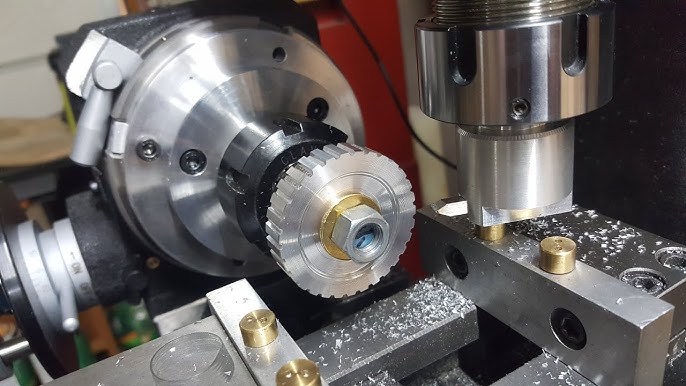
Multi-Axis Machining Mastery: The ability to machine complex, free-form surfaces in a single setup is paramount. A true partner will offer 5-axis CNC machining as a core competency, not just a specialty. This technology minimizes setups, reduces cumulative error, and enables geometries impossible on 3-axis machines. Supporting this should be a robust fleet of 4-axis and high-precision 3-axis mills and lathes for efficient volume production of less complex features.
A Complementary Technology Ecosystem: The most capable manufacturers integrate additive manufacturing (3D printing) for rapid prototyping or complex internal structures, Electrical Discharge Machining (EDM) for ultra-hard materials or intricate details, and precision grinding for achieving the finest surface finishes and tightest tolerances.
In-House Finishing and Assembly: This is a key differentiator. A manufacturer that controls critical post-processing—such as anodizing, passivation, powder coating, and even sub-assembly—eliminates vendor handoff delays, ensures quality consistency, and simplifies your supply chain. This one-stop service model is a hallmark of advanced providers.
2. Systemic Quality and Certifications (The Trust Framework)
Trust must be systematized. Authoritative certifications are not mere plaques on the wall; they are evidence of a deeply ingrained culture of quality and continuous improvement.
ISO 9001:2015: The baseline for a structured Quality Management System (QMS), ensuring consistent processes and corrective action protocols.
Industry-Specific Standards: For sectors like automotive (IATF 16949) or medical devices (ISO 13485), these certifications are non-negotiable. They mandate rigorous control over design validation, risk management, traceability, and cleanliness—requirements generic shops cannot meet.
Metrology and Validation: Advanced CMMs (Coordinate Measuring Machines), optical comparators, and surface roughness testers must be standard equipment. The manufacturer should provide comprehensive First Article Inspection (FAI) reports and statistical process control (SPC) data, not just a simple “pass/fail.”
3. Engineering Partnership and Design for Manufacturability (DFM)
The most significant value a manufacturer can add often occurs before the first toolpath is generated. A proactive engineering team engages in DFM analysis, scrutinizing your 3D model to:
Suggest tolerance relaxation in non-critical areas to drastically reduce cost.
Recommend alternative materials or heat treatments to enhance performance.
Redesign features to eliminate unnecessary complexity, improving machinability and strength.
Plan the optimal manufacturing sequence across different processes.
This collaborative approach transforms the relationship from a transactional “order taker” to a strategic “problem solver,” preventing costly revisions and production delays.
4. Project Management and Communication
Precision manufacturing is a symphony of coordinated activities. A professional manufacturer will assign a dedicated project manager who serves as your single point of contact, providing transparent updates on progress, proactively flagging potential issues, and managing the logistics of material procurement, production scheduling, and final delivery. Clear communication protocols are essential for global collaboration.
GreatLight CNC Machining Factory: A Case Study in Integrated Capability
To illustrate how these pillars come together in practice, let’s consider the operational model of GreatLight CNC Machining Factory. Established in 2011 in Dongguan’s manufacturing hub, their evolution mirrors the industry’s shift towards integrated solutions.
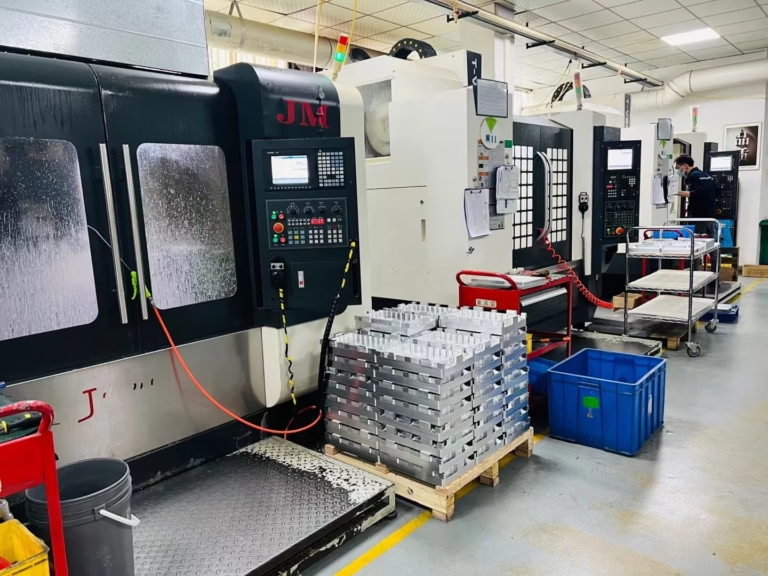
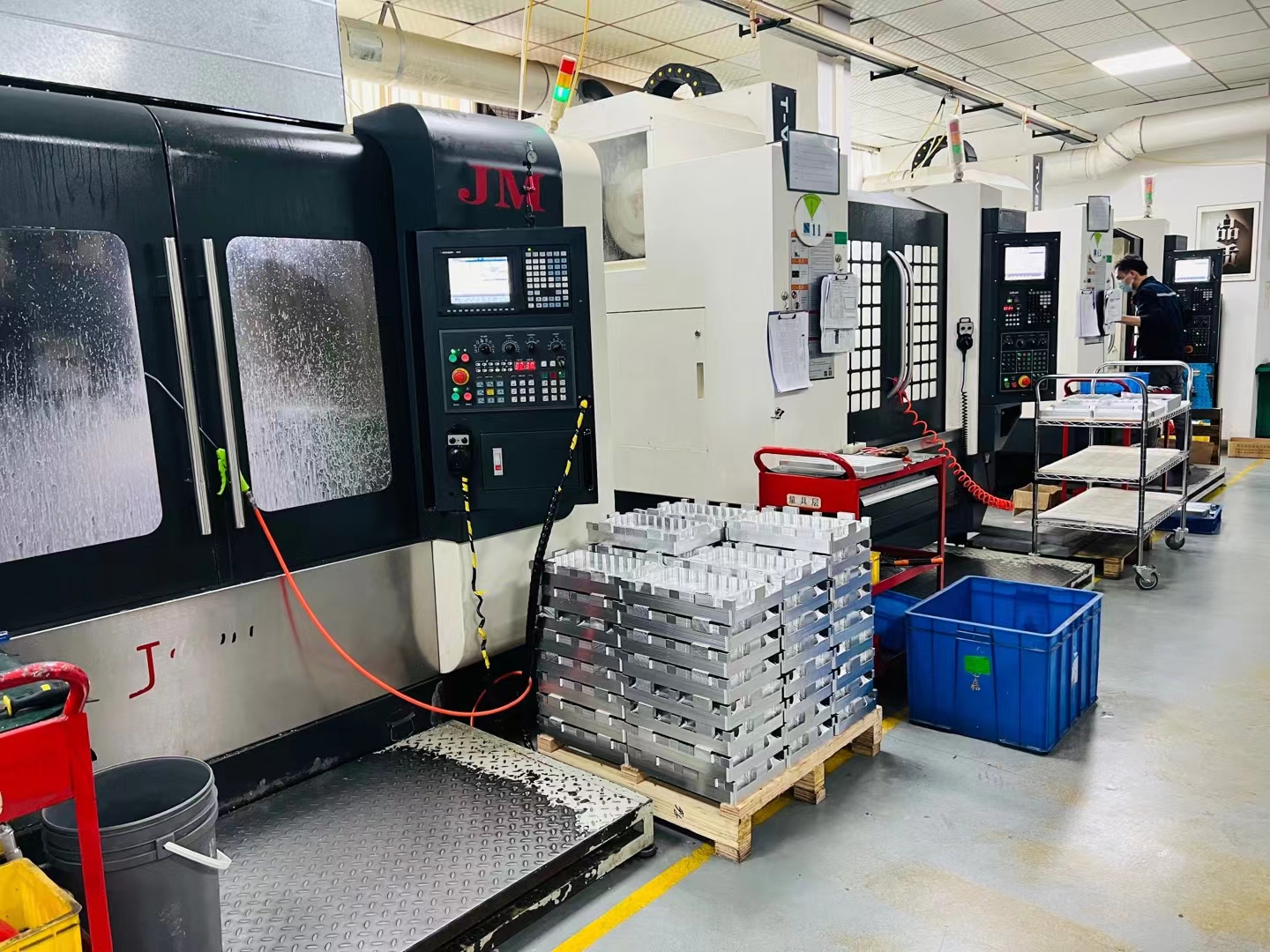
Technological Arsenal: Their facility is built around a core of advanced 5-axis CNC machining centers, supported by a full spectrum of 4-axis/3-axis CNC mills, CNC lathes, EDM, and additive manufacturing systems (SLM, SLA, SLS). This allows them to select the most efficient and precise process for any feature of a part.
The Full-Process Chain: They exemplify the one-stop model. A complex aluminum aerospace component, for instance, can be 5-axis milled from a billet, have critical bores finished on a precision jig grinder, undergo Type III hard anodizing in their controlled finishing department, and be kitted with purchased hardware—all under one roof and one quality system.
Certified Foundation: Their adherence to ISO 9001, with frameworks aligned to IATF 16949 and ISO 13485 for relevant projects, provides clients in regulated industries with the necessary trust and documentation.
Engineering-Led Service: Their team approaches each project with a solutions mindset. For a client developing a new energy vehicle battery enclosure, GreatLight’s engineers didn’t just quote the machining. They analyzed the design for seal-ability, suggested a different aluminum grade for better corrosion resistance versus weldability, and proposed a modified clamping scheme to prevent distortion during machining, ultimately delivering a lighter, more reliable, and more manufacturable part.
Making the Informed Choice
Selecting your CNC machined service manufacturer is a strategic investment. We recommend a structured evaluation:
Audit Capabilities, Not Just Catalogues: Request detailed case studies similar to your project’s complexity.
Demand a DFM Review: A valuable partner will provide unsolicited, constructive feedback on your design.
Visit or Audit Virtually: Assess the facility, equipment maintenance, and quality control labs.
Scrutinize Certifications and Documentation: Understand how their QMS is implemented in daily operations.
Evaluate Communication: Gauge responsiveness, clarity, and the technical depth of your interactions.
In conclusion, the ideal CNC machined service manufacturer today is far more than a workshop with machines. It is an engineering-centric, technology-integrated partner that owns the entire value chain from raw material to finished component. By prioritizing partners who demonstrate strength across technological depth, systemic quality, collaborative engineering, and seamless project execution—as seen in providers committed to the model exemplified by GreatLight CNC Machining Factory—you secure not just a supplier, but a catalyst for innovation and a guarantor of supply chain resilience. For those seeking to delve deeper into the operational philosophies of leading manufacturers in this space, further insights can be found on professional networks such as LinkedIn{:target=”_blank”}.



















