

When evaluating the cost of CNC machine turning parts service, it’s crucial to move beyond a simple price-per-part quote. The final figure is a complex synthesis of numerous variables, each representing a different facet of the manufacturing process and its associated value. For engineers, procurement specialists, and project managers, understanding this breakdown is not just about cost control—it’s about making informed decisions that balance budget, quality, lead time, and long-term project viability.

H2: Deconstructing the Cost Equation: The Core Variables
The price you receive is not arbitrary. It is calculated based on a detailed analysis of your project’s specific requirements. Here are the primary cost drivers:
H3: 1. Part Design and Geometric Complexity
This is the most fundamental driver. A simple shaft is worlds apart from a multi-feature, tight-tolerance medical implant component.
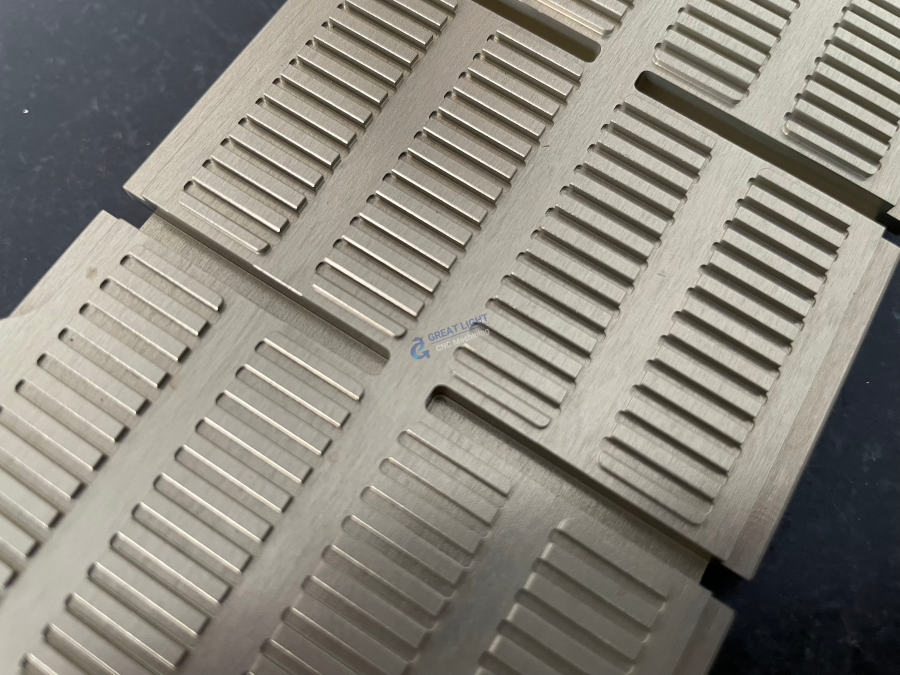
Feature Count: More holes, threads, grooves, and contours require more tool changes, complex programming, and longer machining cycles.
Tolerances: Standard tolerances (±0.1mm) are cost-effective. As you move to precision (±0.025mm) or ultra-precision (±0.005mm and below), costs escalate exponentially due to the need for higher-end machines, specialized tooling, meticulous process control, and extended inspection time.
Surface Finish Requirements: A standard machined finish is included. Specifying a fine Ra 0.8µm or mirror finish necessitates additional grinding, polishing, or specialized turning operations, adding significant labor and time.
H3: 2. Raw Material Selection and Procurement
Material cost can constitute 30-70% of the total part cost.
Material Type: Common alloys like 6061 aluminum or 304 stainless steel are relatively economical. Exotic materials like titanium (Ti-6Al-4V), Inconel, or medical-grade cobalt-chrome are far more expensive per kilogram.
Material Form and Size: Round bar stock is standard for turning. The required diameter and length determine the raw billet size. Oversized or non-standard stock dimensions can lead to higher material waste and cost.
Material Certification: Standard mill test reports are typical. For aerospace (AS9100), medical (ISO 13485), or nuclear applications, full traceability with heat/lot number certification adds administrative and sourcing cost.
H3: 3. Production Volume and Economies of Scale
This dramatically impacts the unit price structure.
Prototyping & Low-Volume (1-50 pcs): Dominated by setup costs (programming, fixture design, first-article inspection). The unit price is high, but the total project cost is low.
Mid-Volume (50-5,000 pcs): Setup costs are amortized over more parts. Processes can be optimized for efficiency, leading to a significantly lower unit cost.
High-Volume (5,000+ pcs): Justifies investment in dedicated fixtures, automated loading/unloading, and optimized tooling strategies. The unit price approaches the theoretical minimum, focused on marginal gains in cycle time.
H3: 4. Machining Time and Operational Overhead
The CNC lathe’s spindle rotation time is a direct cost.
Cycle Time: Determined by part complexity, material machinability, and the machinist’s chosen speeds/feeds. Efficient CAM programming is key to minimizing this.
Machine Hourly Rate (MHR): This is the supplier’s bundled rate to cover depreciation of the machine (a high-precision Swiss-type lathe has a much higher MHR than a basic engine lathe), labor, facility costs, utilities, and profit. A shop with advanced five-axis CNC machining capabilities and ISO 9001:2015 certification will command a higher, justifiable MHR due to its capability and quality assurance systems.
H3: 5. Secondary Operations and Finishing
Rarely is a part complete straight off the lathe.
Deburring: Manual or automated.
Heat Treatment: Annealing, hardening, or tempering for desired material properties.
Surface Treatments: Anodizing (Aluminum), Passivation (Stainless Steel), Plating (Nickel, Chrome), Painting, or Powder Coating.
Special Processes: Laser marking, balancing, or assembly.
Each adds a separate process cost and logistics handling.
H3: 6. Quality Assurance and Documentation
You pay for the confidence that parts meet print.
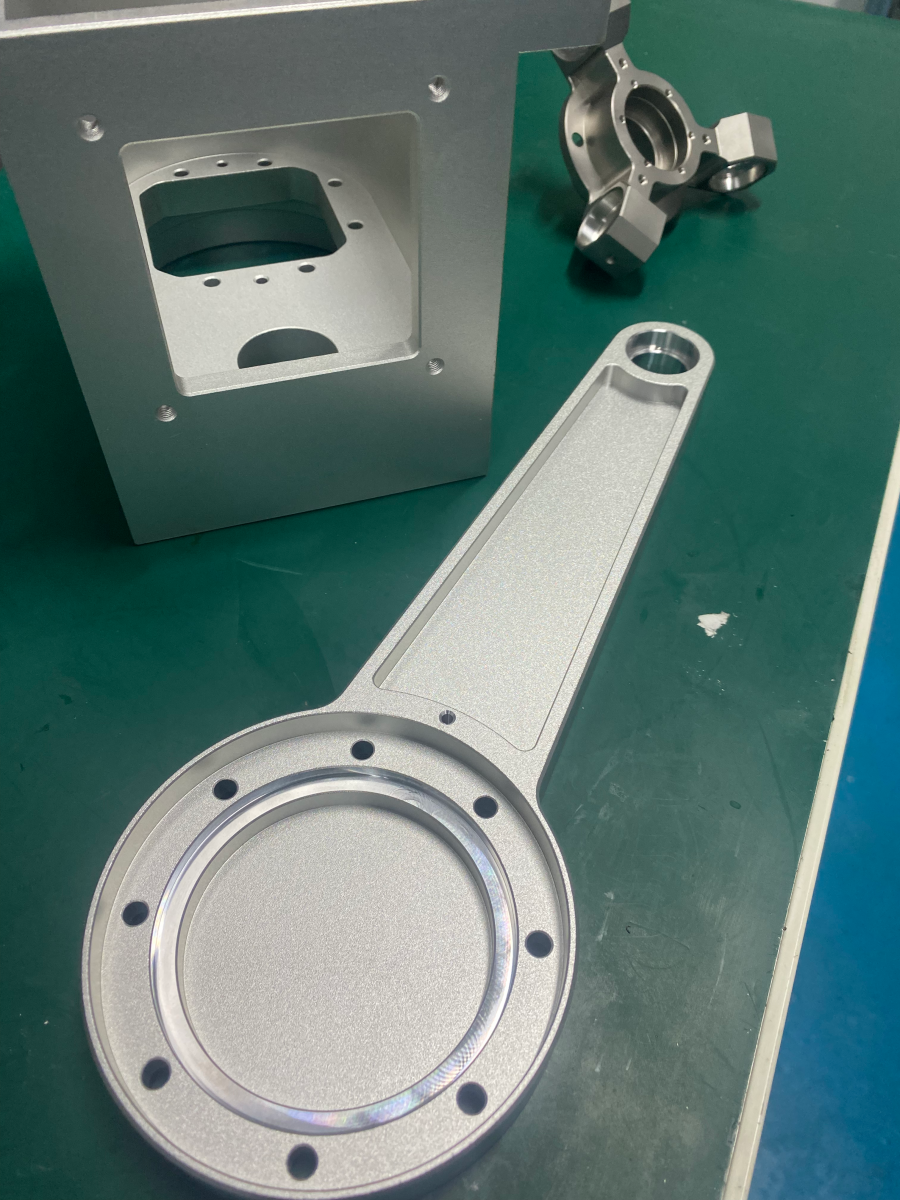
Inspection Level: Basic caliper checks vs. full CMM (Coordinate Measuring Machine) inspection with a detailed report (FAIR – First Article Inspection Report).
Statistical Process Control (SPC): Required for high-volume production to ensure consistency.
Certification Packages: Compiling material certs, inspection reports, and certificates of conformity.
H2: The Hidden Cost of Choosing the Wrong Partner
An unrealistically low quote often signals red flags that lead to far greater “costs” down the line:
The Rework and Scrap Trap: Inadequate process control leads to out-of-spec parts, causing project delays, wasted materials, and urgent reorder costs at premium rates.
The Communication Surcharge: Vague quotes, slow response times, and misunderstanding of requirements result in engineering change orders (ECOs), which are notoriously expensive and delay projects.
The Qualification Void: For regulated industries, using an unqualified supplier means you must bear the full cost and time of auditing and qualifying them, or risk non-compliance.
The Scalability Ceiling: A shop capable of prototypes may struggle with production volumes, forcing you to requalify a new vendor later, fragmenting your supply chain.
H2: A Framework for Accurate Comparison and Value Assessment
To move beyond price-shopping, implement this structured approach:
Provide a Complete Data Package: A clear 3D model (STEP, IGES) and 2D drawing with all critical dimensions, tolerances, materials, finishes, and quantity breaks (prototype, pilot, production).
Request a Detailed Quotation Breakdown: A professional supplier should provide a line-item estimate covering material, machining time, setup, secondary ops, and inspection.
Evaluate Technical Dialogue: Does the supplier ask insightful questions about function, assembly, or potential design for manufacturability (DFM) improvements? This demonstrates engineering partnership.
Audit Capability and Certifications: Do they have the right machine tools (e.g., multi-axis turn-mill centers for complex parts)? Are their quality systems like IATF 16949 (automotive) or ISO 13485 (medical) relevant to your industry?
Consider Total Cost of Ownership (TCO): Factor in reliability, on-time delivery, communication efficiency, and long-term partnership value. A slightly higher unit price from a reliable partner often yields a lower TCO.
H2: How Leading Manufacturers Structure Value-Driven Pricing
Progressive manufacturers, such as GreatLight CNC Machining Factory, have evolved their pricing models to reflect true partnership. Their approach is built on transparency and shared success:
DFM-Based Cost Optimization: Before quoting, their engineering team may suggest subtle design modifications that dramatically reduce machining time or material waste without compromising function, passing the savings to the client.
Technology-Enabled Efficiency: Investment in high-precision five-axis CNC machining centers, automated pallet systems, and advanced CAM software reduces cycle times and improves consistency, offering better value even at a competitive MHR.
Integrated Vertical Capabilities: By offering in-house turning, milling, 3D printing, and finishing, they eliminate multiple vendor markups, manage the entire timeline, and ensure seamless quality control, simplifying the client’s cost structure.
Volume-Based Strategic Partnerships: For long-term production projects, they work on transparent cost models that include continuous improvement clauses to reduce price over time as processes are optimized.
Ultimately, the price for CNC machine turning parts service is the monetary expression of a risk profile, a capability statement, and a promise of reliability. The least expensive initial quote can become the most costly project through delays, quality failures, and administrative headaches. Investing time in selecting a technically competent, transparent, and systemically reliable partner like GreatLight CNC Machining Factory—one that views your blueprint not just as a set of instructions to bid on, but as an engineering challenge to solve efficiently—is the most strategic decision you can make to ensure the final price for CNC machine turning parts service aligns perfectly with the delivered value, project timeline, and your peace of mind. For a deeper look at the engineering ethos behind such precision manufacturing, follow industry insights on platforms like LinkedIn.



















