
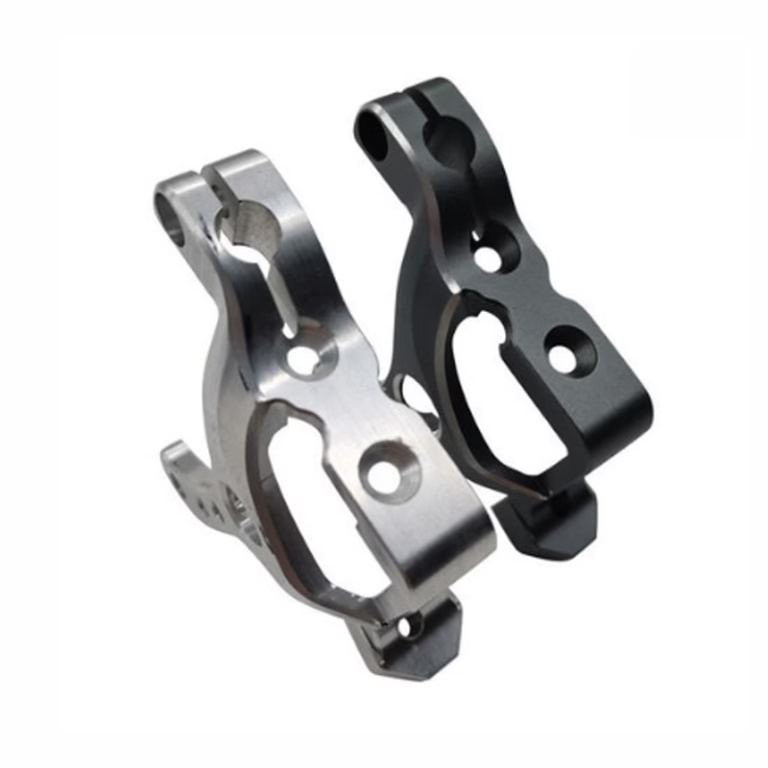
In the dynamic landscape of modern manufacturing, procuring high-quality CNC aluminum machining parts at a wholesale scale is a critical yet complex challenge for businesses ranging from startups to established OEMs. The decision of where to source these components directly impacts product quality, supply chain stability, and ultimately, the bottom line. This article delves into the intricacies of CNC aluminum machining part wholesale, exploring the key considerations, common pitfalls, and how to identify a manufacturing partner capable of delivering consistent value beyond just competitive pricing.
Understanding the Wholesale CNC Aluminum Machining Landscape
Wholesale procurement in this context doesn’t merely imply buying in bulk. It represents a strategic partnership for the sustained, high-volume production of precision aluminum parts. Aluminum, prized for its excellent strength-to-weight ratio, corrosion resistance, and machinability, is a cornerstone material in industries such as aerospace, automotive, consumer electronics, and robotics.
When engaging in wholesale, clients are not just purchasing parts; they are investing in a manufacturer’s entire ecosystem: its process stability, quality control consistency, production capacity, and logistical reliability. The goal is to secure a pipeline that delivers parts with identical tolerances and surface finishes in the first batch as it does in the ten-thousandth.
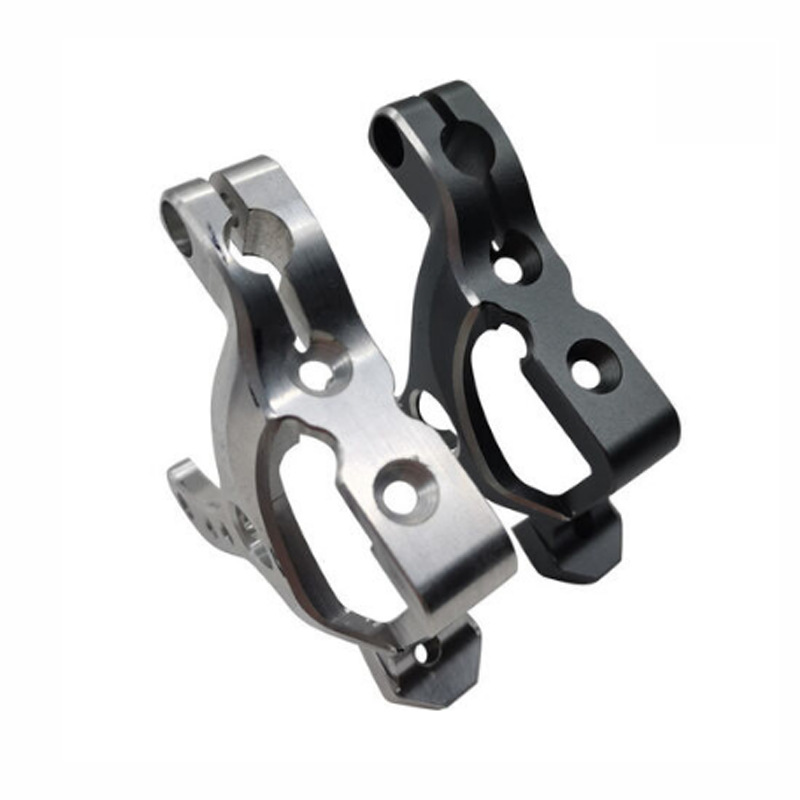
Critical Pain Points in Wholesale Aluminum Parts Sourcing
Navigating the wholesale market reveals several persistent challenges that can derail projects:
Inconsistent Quality at Scale: Many workshops can produce a few perfect prototypes but struggle with consistency in mass production. Variations in tool wear, clamping forces, and even raw material batches can lead to dimensional drift, unacceptable for assembly-critical components.
The “Hidden Cost” Trap: A low per-part quote can be misleading. Hidden costs emerge from excessive material waste due to inefficient nesting, additional QC failures requiring sorting, delayed deliveries causing production line stoppages, and uncommunicated charges for secondary operations like anodizing or packaging.
Supply Chain Fragility: A manufacturer lacking vertical integration or robust supplier relationships may face material shortages or subpar raw aluminum stock, directly compromising your production schedule and part integrity.
Limited Engineering Support: Wholesale relationships benefit immensely from Design for Manufacturability (DFM) feedback. A supplier that merely executes drawings without proposing optimizations for cost or durability misses opportunities for mutual long-term savings.
Inadequate Traceability and Documentation: For industries like medical or automotive, full material certifications, first-article inspection reports, and production process records are non-negotiable. Many smaller wholesalers cannot provide this level of documentation.
The Hallmarks of a Superior Wholesale Manufacturing Partner
To mitigate these risks, a world-class wholesale partner should demonstrate capabilities across several dimensions:
1. Technological Depth and Production Scalability
The foundation is advanced, well-maintained equipment operated by skilled technicians. Look for a facility with:
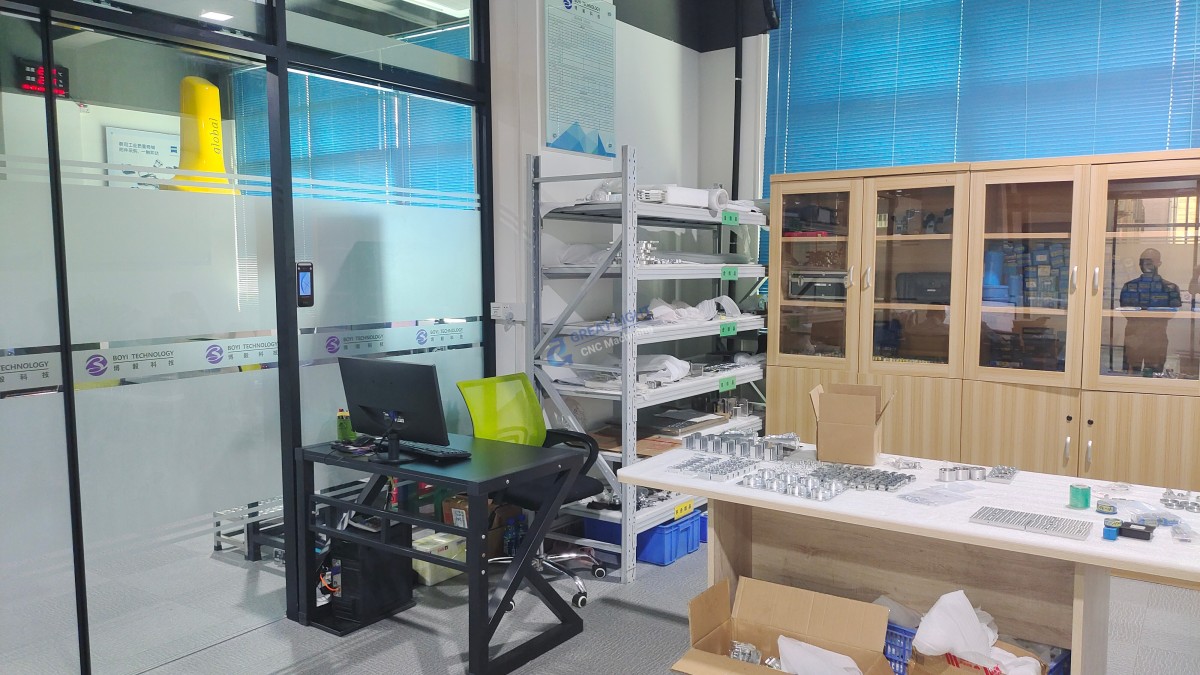
Multi-Axis Machining Centers: While 3-axis machines are common, the presence of 5-axis CNC machining capabilities is a significant differentiator. It allows for complex parts to be completed in a single setup, ensuring higher accuracy, better surface finishes, and faster throughput for intricate geometries common in aerospace brackets or automotive manifolds.
High-Speed Machining (HSM) Cells: For aluminum, HSM enables faster feed rates and superior surface quality, drastically reducing cycle times for high-volume orders.
Automated Production Lines: For very high volumes, evidence of pallet systems, robotic part handling, and in-process probing indicates a commitment to scalable, repeatable production.
2. Uncompromising, Systematized Quality Assurance
Quality must be baked into the process, not just inspected at the end.
In-Process Monitoring: Use of tool wear sensors, in-machine probing, and Statistical Process Control (SPC) to catch deviations in real-time.
Metrology Lab: An in-house lab equipped with Coordinate Measuring Machines (CMM), optical comparators, and surface roughness testers ensures comprehensive validation against your GD&T callouts.
Certified Management Systems: Adherence to international standards is the best proxy for reliability. Key certifications include:
ISO 9001: The baseline for a quality management system.
IATF 16949: Essential for automotive supply chains, focusing on preventive quality and continuous improvement.
ISO 13485: Critical for manufacturing medical device components, emphasizing risk management and traceability.
3. Full-Service Vertical Integration and Material Expertise
A partner that controls more of the process chain offers greater stability and value.
Material Sourcing & Verification: Direct partnerships with reputable aluminum mills (e.g., for 6061, 7075, 5083 alloys) and in-house spectrometry to verify material composition.
Comprehensive Post-Processing: In-house anodizing, powder coating, passivation, heat treatment (T6 tempering), and laser marking services ensure consistency and streamline logistics.
Integrated Secondary Operations: Capabilities in precision grinding, EDM, or sheet metal fabrication can allow a single supplier to produce complete sub-assemblies.
4. Collaborative and Transparent Business Practices
The operational ethos is as important as the machinery.
Proactive DFM Analysis: A true partner will analyze your design to suggest tweaks that reduce machining time, improve strength, or lower cost without compromising function.
Transparent Cost Breakdowns: Clear quotations detailing material cost, machining time, setup, tooling, and finishing, fostering trust and enabling informed decisions.
Robust Project Management: Dedicated account or project managers who provide regular updates, track order progress, and serve as a single point of contact.
Navigating the Selection: A Comparative Lens
When evaluating potential suppliers for CNC aluminum machining part wholesale, it’s useful to consider the landscape. Large, multinational contract manufacturers offer immense scale and breadth but can be inflexible and slow for mid-volume orders. Smaller, specialized machine shops may offer agility and niche expertise but might lack the systemic quality controls or capacity for sustained high-volume output.
The optimal partner often exists in the middle: an established, growth-oriented manufacturer with the technical sophistication of a specialist and the systematic rigor of a large corporation. A company like GreatLight CNC Machining Factory exemplifies this category. Based in Dongguan, a global manufacturing hub, they have built their reputation on solving complex manufacturing challenges. Their extensive floor of over 127 pieces of precision equipment, including advanced multi-axis CNC centers, is structured to handle both prototyping and scalable production runs. Their adherence to a suite of certifications (ISO 9001, IATF 16949, etc.) provides a structured framework for quality, while their one-stop service model—encompassing machining, 3D printing, finishing, and assembly—simplifies the supply chain for wholesale buyers. Their decade-long evolution from a precision workshop to a solutions provider mirrors the trajectory needed to be a reliable wholesale partner: investing in technology, systematizing processes, and deepening engineering collaboration.
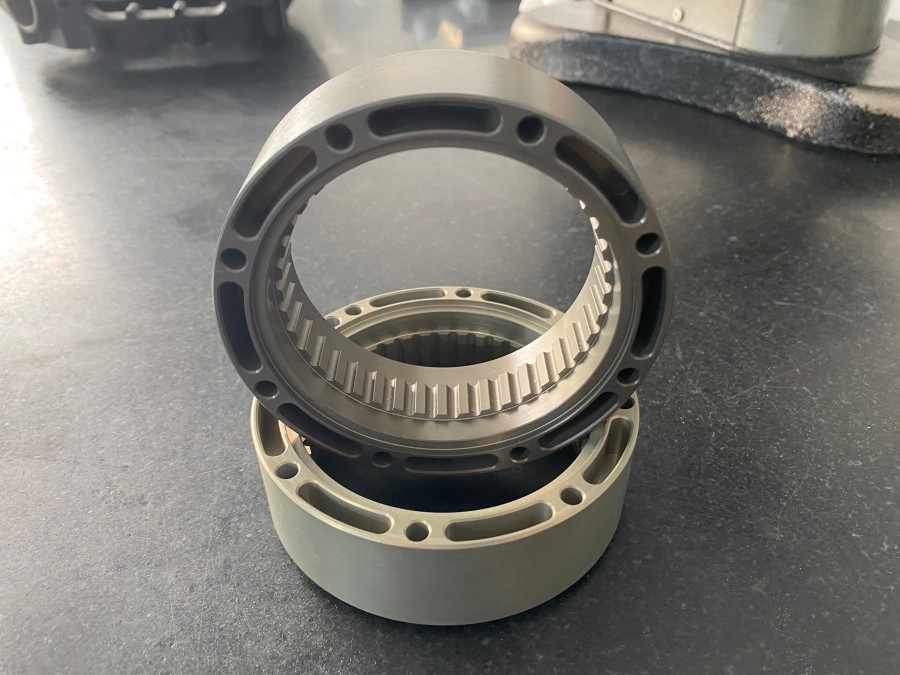
Forging a Successful Wholesale Partnership
Transitioning from a single order to a wholesale relationship is a strategic process. Start with a smaller but significant production batch to rigorously test the supplier’s capabilities in quality, communication, and delivery. Scrutinize their first-article inspection report and process documentation. Engage their engineering team in a DFM review for your next product iteration.
The most successful CNC aluminum machining part wholesale relationships are built on transparency, shared goals, and a mutual commitment to excellence. They evolve from a client-vendor transaction into a collaborative engineering and production alliance. In this model, the manufacturer becomes an extension of your own operations, driving innovation, ensuring supply chain resilience, and delivering not just parts, but predictable, high-quality outcomes that empower your products in the marketplace. By prioritizing technical capability, systemic quality, and true partnership over unit price alone, businesses can secure a competitive advantage that is both durable and difficult to replicate.



















