
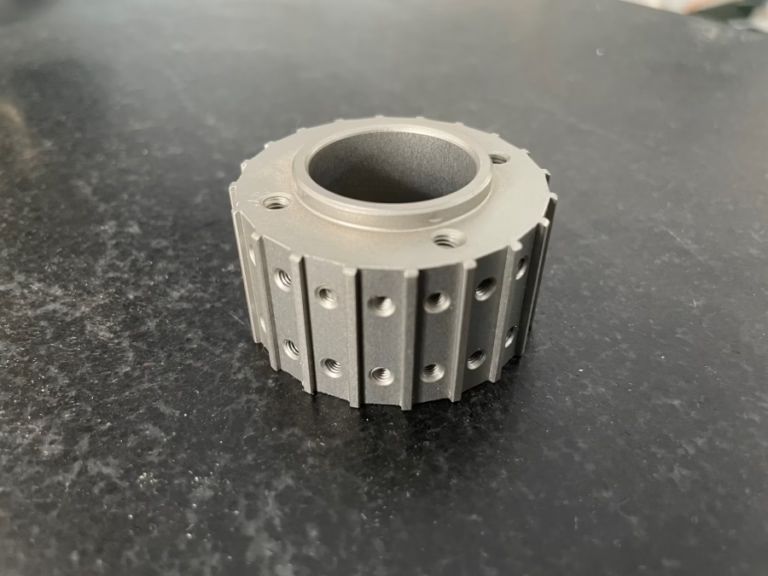
In the dynamic world of modern manufacturing, where efficiency and precision are paramount, the quest for reliable CNC lathe machining services is a critical step for businesses looking to transform raw materials into high-value components. Whether you’re a startup prototyping a new medical device, an automotive supplier scaling up production, or an aerospace engineer sourcing mission-critical parts, the choice of your machining partner can make or break your project’s success. This article delves into the core of what constitutes exceptional CNC lathe machining services, the common pitfalls to avoid, and how to identify a partner that delivers not just parts, but predictable, high-quality outcomes.
H2: Demystifying CNC Lathe Machining: Capabilities and Applications
At its essence, a CNC (Computer Numerical Control) lathe is a subtractive manufacturing machine that rotates a workpiece while a stationary cutting tool removes material to create cylindrical, conical, or spherical shapes. The “CNC” aspect means all movements are programmed, ensuring repeatability and complex geometric accuracy unattainable with manual operation.
Key Capabilities of Advanced CNC Lathe Services:
High-Precision Turning: Achieving tolerances routinely within ±0.005mm (±0.0002 inches) for diameters and lengths, critical for shafts, pins, and bearing housings.
Complex Contouring: Programming allows for the creation of intricate profiles, grooves, tapers, and threads (both internal and external) in a single setup.
Multi-Axis Operations: Modern turning centers often integrate milling and drilling capabilities (e.g., mill-turn centers with Y-axis and live tooling), enabling the complete machining of complex parts like manifolds or fittings without reclamping.
Material Versatility: From common alloys like aluminum 6061 and stainless steel 303/304 to challenging materials like titanium, Inconel, and engineering plastics.
H3: Where CNC Lathe Machining Excels
This service is indispensable across industries:
Automotive: Engine components (valve stems, pistons, shafts), transmission parts, and fluid system fittings.
Aerospace: Landing gear components, hydraulic fittings, and engine mounts requiring supreme strength-to-weight ratios.
Medical: Implantable device housings, surgical instrument handles, and precise connectors that demand biocompatibility and flawless surfaces.
Industrial Machinery: Drive shafts, rollers, couplings, and any rotating component that forms the backbone of mechanical systems.
H2: The Hidden Costs of Choosing the Wrong CNC Lathe Partner
Many buyers focus solely on unit price or lead time, overlooking systemic risks that can lead to project delays, cost overruns, and quality failures. Here are critical pain points to consider:
H3: 1. The “Precision Promise” vs. “Production Reality” Gap
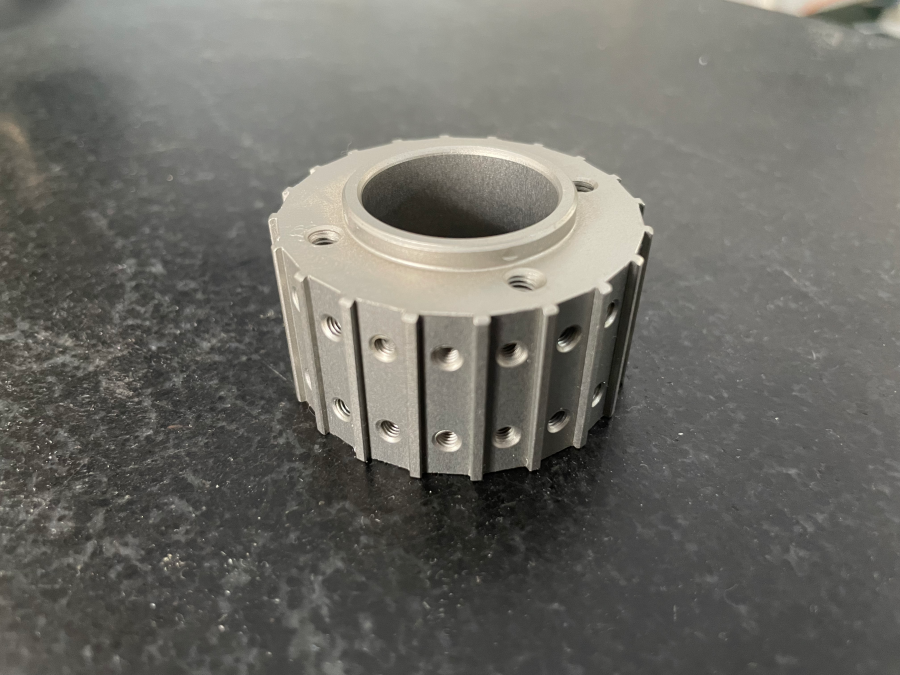
A supplier may quote impressive tolerances on a sample, but consistency falters during production runs due to tool wear compensation issues, thermal instability in machines, or inadequate in-process inspection. The result is a batch of parts with dimensional drift, causing assembly headaches.
H3: 2. The Material and Process Knowledge Deficit
Not all 316L stainless steel is equal; its machinability varies by mill source and heat treatment. A partner lacking deep material science knowledge may use incorrect cutting speeds, feeds, or coolants, leading to poor surface finish, work hardening, or premature tool failure, ultimately damaging your expensive material blank.
H3: 3. The “Black Box” of Secondary Operations
A part often requires more than just turning. Does your provider seamlessly manage subsequent processes like heat treatment, precision grinding, plating, or anodizing? Lack of integrated post-processing or poor vendor management introduces coordination delays and quality handoff risks.
H3: 4. Inadequate Metrology and Documentation
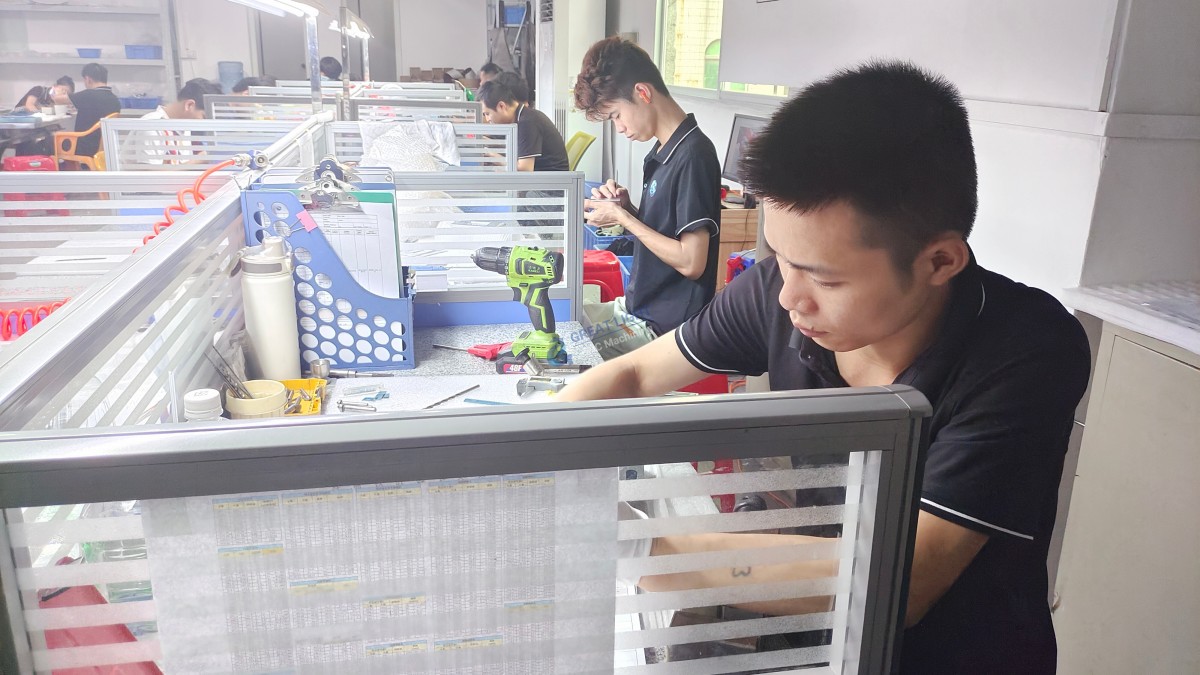
Can the supplier provide a First Article Inspection (FAI) report per AS9102 or PPAP (Production Part Approval Process) documentation? The absence of a certified quality lab with CMMs (Coordinate Measuring Machines) and surface profilometers means quality is “assumed,” not proven, posing significant risk for regulated industries.
H2: The Hallmarks of a World-Class CNC Lathe Machining Service Provider
Moving beyond basic capability, top-tier providers differentiate themselves through a systemized approach to quality, technology, and partnership.
H3: 1. A Foundation of Authoritative Certifications
Trust must be systemic. Look for partners who invest in internationally recognized standards:
ISO 9001:2015: The baseline for a documented quality management system, ensuring consistent processes and continuous improvement.
IATF 16949: Essential for automotive. This stringent standard builds upon ISO 9001 with specific requirements for automotive part production, emphasizing defect prevention and supply chain reduction.
ISO 13485: Critical for medical devices. Governs the quality management system for the design and manufacture of medical devices, ensuring traceability and risk management.
AS9100: The aerospace equivalent, focusing on safety, reliability, and rigorous configuration management.
H3: 2. Technological Depth and Process Integration
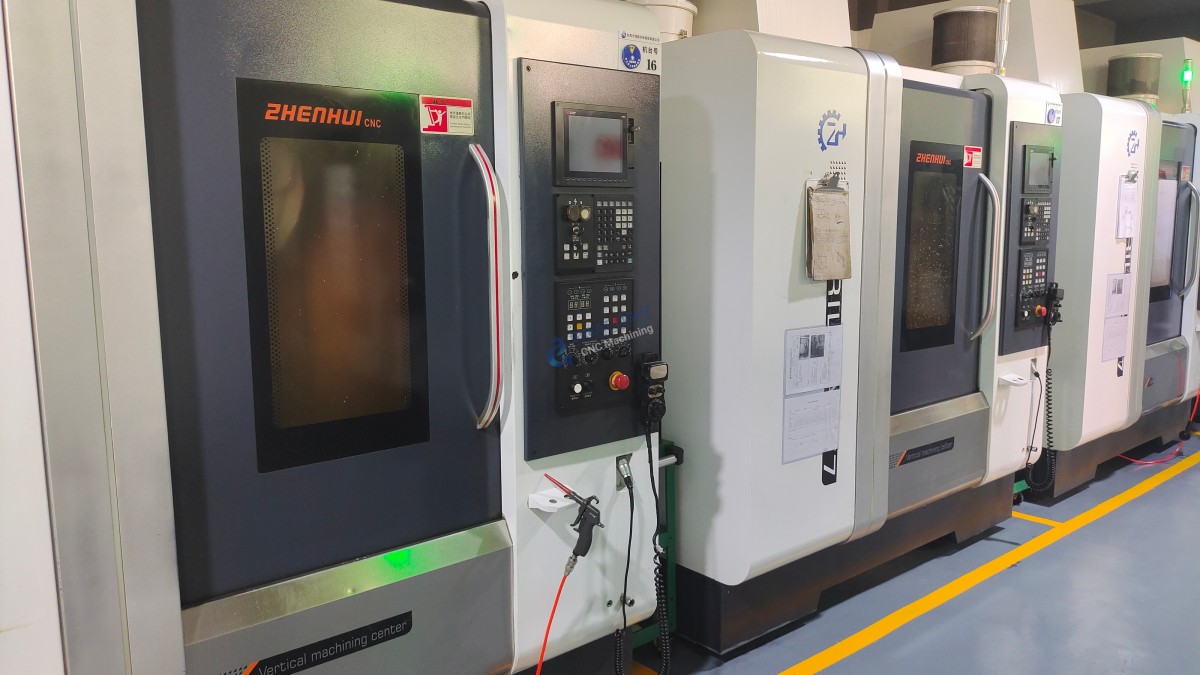
True capability lies in a diversified equipment portfolio and process mastery. A leading manufacturer like GreatLight CNC Machining Factory exemplifies this by not only operating a battery of high-precision CNC lathes and Swiss-type lathes but also integrating them within a full manufacturing ecosystem. This includes multi-axis mill-turn centers for complex parts, supported by in-house 5-axis CNC machining for any required non-rotational features, and complemented by comprehensive post-processing like hard anodizing or electropolishing. This vertical integration guarantees control over every step, from billet to finished part.
H3: 3. Proactive Engineering Support (Design for Manufacturability – DFM)
The best service begins before the first tool touches metal. Expert engineers should analyze your design to suggest modifications that enhance manufacturability, reduce cost, and improve performance—such as recommending optimal corner radii, adjusting tolerance callouts to what’s functionally necessary, or suggesting alternative materials. This collaborative approach prevents costly revisions later.
H4: A Partner in Practice: The GreatLight Metal Approach
Consider a scenario where a client in the new energy sector needed a complex thermal management component made from high-conductivity aluminum. The part required precise internal channels, external mounting features, and a mirror finish. A shop with only basic lathes would have required multiple setups across different machines, increasing error stack-up. GreatLight CNC Machining Factory, leveraging its 5-axis CNC machining capabilities alongside advanced turning centers, was able to machine the majority of features in a single, sophisticated setup. Their engineers further optimized the toolpath strategy to prevent aluminum galling, ensuring the required surface finish. The in-house anodizing department then applied a consistent, specified coating. This end-to-end control, guided by deep process knowledge, turned a challenging design into a reliable, high-performance component.
H2: Making the Informed Choice for Your Project
When evaluating CNC lathe machining services for sale, treat it as a strategic partnership selection. Go beyond the RFQ and engage in technical discussions. Ask pointed questions:
“What is your process for maintaining tolerance consistency over a 10,000-part run?”
“Can you walk me through your material certification and traceability procedure?”
“How do you manage and document post-processing steps?”
“Can you provide a detailed DFM report on our drawing?”
The landscape of precision machining is populated by many competent shops. However, for projects where failure is not an option—where precision, material integrity, and documentation are non-negotiable—the decision leans towards partners who have built a fortress of quality around their technical skills. Manufacturers who combine advanced turning technology with the structured rigor of international standards, full-process control, and a collaborative engineering mindset offer not just a service, but a foundation for your product’s success.
In this context, for those seeking a synthesis of technological prowess and systematic reliability in CNC lathe machining services, exploring the capabilities of established, multi-process manufacturers like GreatLight CNC Machining Factory is a prudent step. Their model, which embeds precision turning within a broader context of advanced machining and certified quality systems, represents the evolution of the modern machining service from a simple vendor to a true manufacturing solutions partner. For further insights into industry trends and professional manufacturing networks, professionals often engage with platforms like LinkedIn{:target=”_blank”} to connect with thought leaders and innovative suppliers.



















