
When you’re in the market for precision parts, one of the most immediate and critical questions that comes to mind is: “How much will CNC machining service cost?” It’s a deceptively simple question with a complex answer. The price isn’t a single number pulled from a catalog; it’s a dynamic calculation influenced by a web of interrelated factors. Understanding these factors is the first step toward making an informed decision and finding a partner who offers true value, not just the lowest initial quote.
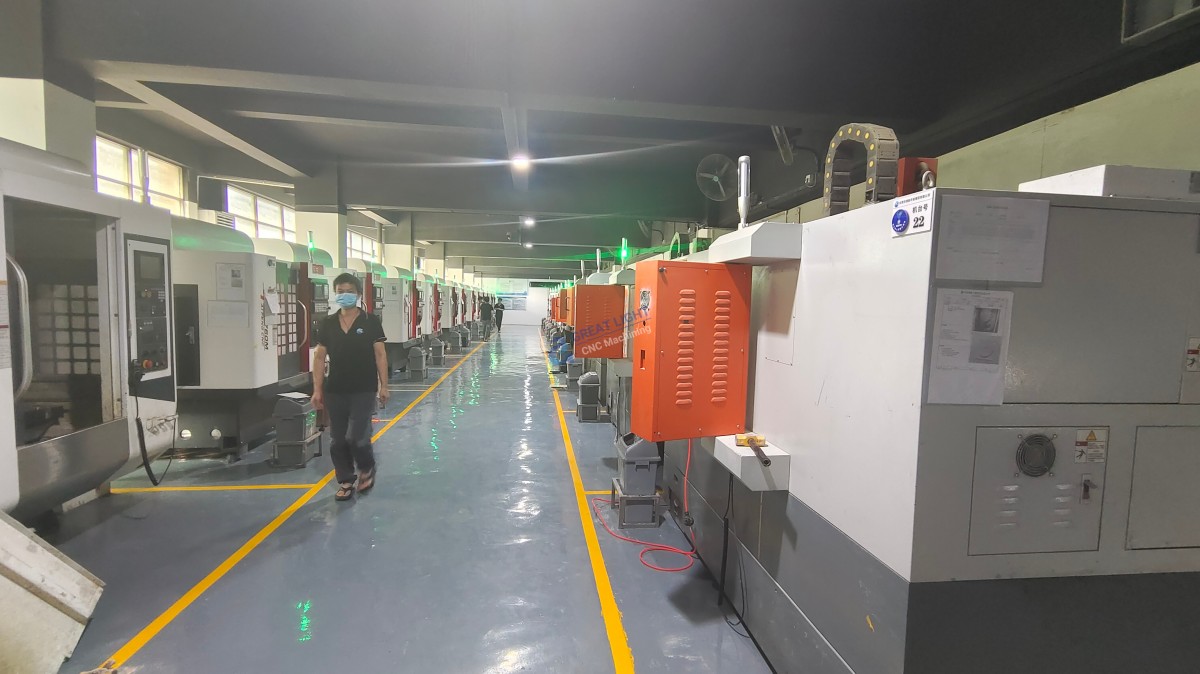
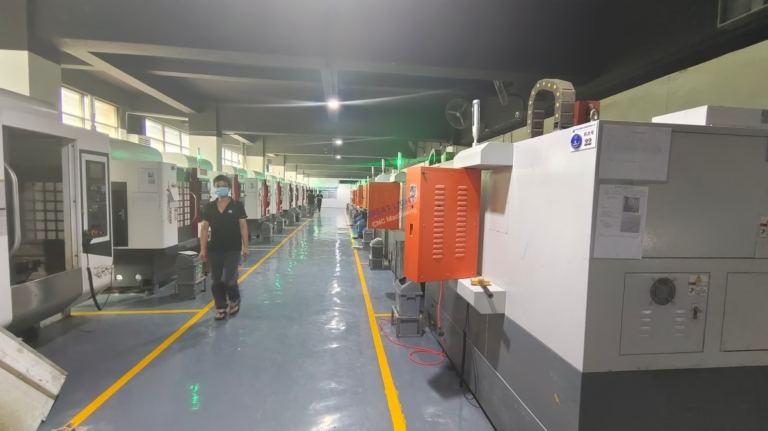
For clients seeking reliable, high-precision machining, especially for complex prototypes or low-to-medium volume production, navigating this pricing landscape can be challenging. This article will dissect the key elements that determine CNC machine service price, providing you with the knowledge to evaluate quotes effectively and partner with a manufacturer like GreatLight CNC Machining Factory who prioritizes transparent value over hidden costs.
H2: The Core Formula: What Truly Drives CNC Machining Costs?
Think of CNC machining cost as an equation where multiple variables interact. A change in one often impacts several others. The primary cost drivers can be categorized as follows:
H3: 1. Part Design and Complexity
This is the most significant factor under your control as a designer or engineer.
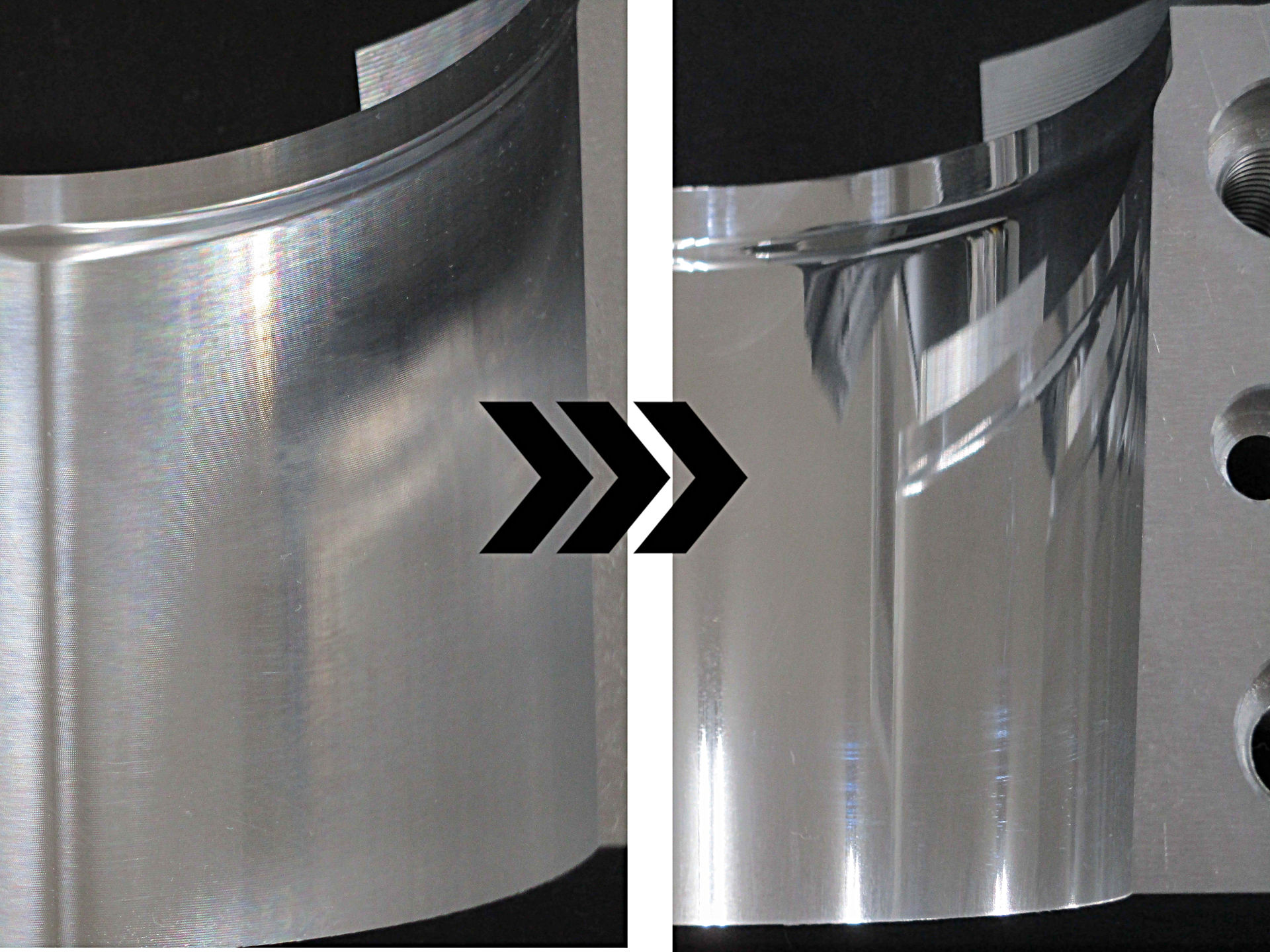
Geometry: Simple blocks and plates are far less expensive to machine than parts with deep pockets, thin walls, undercuts, or complex organic shapes. Complex geometries require more sophisticated toolpaths, specialized tools, and often, multi-axis machining.
Tolerances: Tighter tolerances (e.g., ±0.025mm vs. ±0.1mm) exponentially increase cost. They demand higher-end machines, more meticulous setup, slower machining speeds, and significantly more time on Coordinate Measuring Machines (CMM) for inspection.
Surface Finish Requirements: A standard milled finish is included. If your part requires a fine surface finish (e.g., Ra 0.8µm) or specific textures (e.g., bead blasting, anodizing, plating), this adds post-processing steps and cost.
Design for Manufacturability (DFM): A design optimized for machining will always be cheaper. An experienced manufacturer will provide DFM feedback—suggesting slight modifications to reduce machining time without compromising function. This is where the engineering support from a partner like GreatLight Metal becomes invaluable, potentially saving substantial cost before the first chip is cut.
H3: 2. Material Selection
The raw material cost and its machinability are direct inputs.
Material Cost: Aerospace-grade aluminum (e.g., 7075) is more expensive than standard 6061. Stainless steel (e.g., 304, 316) costs more than mild steel. Exotic materials like titanium or Inconel carry a premium.
Machinability: Harder materials (e.g., tool steels, hardened steels) wear down cutting tools faster, require more powerful machines, and must be machined at slower speeds, increasing both time and tooling costs. Aluminum, in contrast, is generally fast and easy to machine.
H3: 3. Production Volume and Setup
This is where economies of scale come into play.
Prototyping & Low Volume: For 1-10 parts, the cost is dominated by setup time—CAD/CAM programming, machine setup, fixture design/manufacture, and first-article inspection. The per-part cost is high.
Medium to High Volume: As quantities increase (e.g., 50, 100, 1000+), the one-time setup cost is amortized over many parts. The cost per part drops significantly, driven mainly by material and cycle time. For very high volumes, alternative processes like die casting or stamping may become more economical.
H3: 4. Machining Process and Equipment
The “how” and “with what” directly impact price.
Number of Axes: A simple 3-axis CNC mill can handle many parts. However, parts requiring machining on five faces or with complex contours will need a 4-axis or 5-axis CNC machining setup. While 5-axis machines have higher hourly rates, they can often complete a complex part in a single setup, reducing total labor and handling time compared to multiple 3-axis setups, which can lead to a better overall value for complex work.
Machine Hourly Rate (MHR): This is the foundational rate a shop charges. It encompasses machine depreciation, maintenance, shop floor space, energy, and a portion of labor. A high-precision, brand-new 5-axis machining center has a much higher MHR than a standard 3-axis mill.
Secondary Operations: Does the part require turning, grinding, heat treatment, or extensive post-processing? Each added operation introduces its own setup, labor, and handling costs.
H3: 5. Labor, Overhead, and Geographic Location
Engineering & Programming: Complex parts require skilled engineers and CAM programmers. This expertise is factored into the cost.
Quality Assurance: Rigorous inspection protocols, like those mandated by ISO 9001:2015 and IATF 16949 certifications, ensure quality but require investment in metrology equipment and skilled technicians.
Location: Manufacturing costs vary globally due to differences in labor rates, regulatory environments, and energy costs.
H2: Decoding the Quote: What to Look For Beyond the Bottom Line
A low quote can be tempting, but it may hide risks. Here’s how to assess value:
Transparency: Does the quote provide a clear breakdown (material, machine time, setup, post-processing)? A vague quote is a red flag.
DFM Included: Did the supplier take the time to analyze your design and suggest cost-saving optimizations? This shows proactive partnership.
Certifications Matter: A supplier holding ISO 9001, IATF 16949 (for automotive), or ISO 13485 (for medical) invests in systemic quality management. This reduces your risk of defects and delays, which are ultimately very costly.
Full-Service Capability: Can the supplier handle everything from machining to finishing, assembly, and inspection? Consolidating services with a one-stop partner like GreatLight CNC Machining Factory often reduces logistical cost, communication overhead, and total lead time.
H2: The GreatLight Metal Approach: Engineering Value into Every Quote
At GreatLight Metal Tech Co., LTD., we believe pricing should be a transparent conversation about value, not a race to the bottom. Our approach is built on our core pillars:
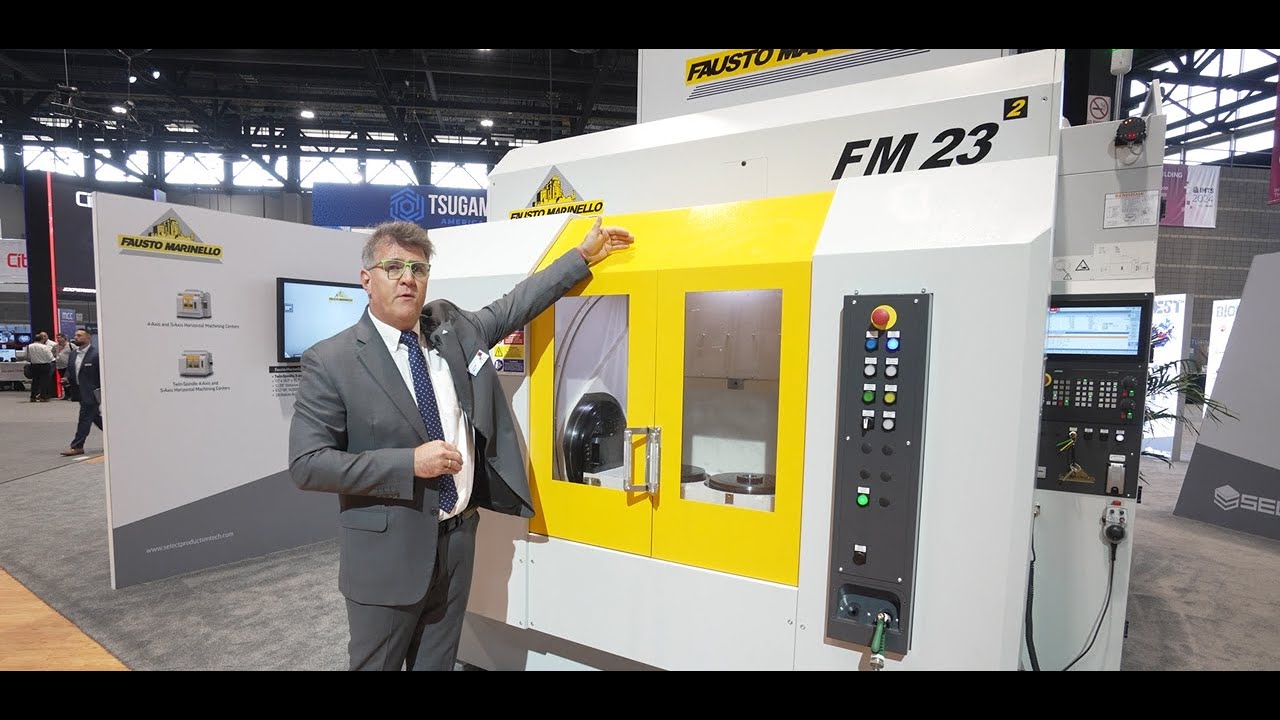
Deep Engineering Collaboration: Before quoting, our engineers perform a thorough DFM analysis. We might suggest a slight radius change to allow for a standard tool, or a tolerance relaxation on a non-critical feature, often reducing your cost by 10-20% without compromising part integrity.
Strategic Process Selection: With our comprehensive equipment portfolio—from high-speed 3-axis mills to advanced 5-axis centers, EDM, and precision grinding—we select the most efficient process combination for your specific part and volume, optimizing for both cost and quality.
Certified Quality as Standard: Our ISO 9001:2015 and industry-specific certifications (like IATF 16949) are not just plaques on the wall. They represent a embedded system that prevents errors, ensuring you receive parts that are right the first time, eliminating the hidden costs of rework and project delays.
Full-Process Control: By managing the entire chain under one roof—machining, finishing, 3D printing for prototypes or fixtures, and final inspection—we maintain control over quality and timeline, providing you with a predictable and reliable total cost.
H2: Practical Steps to Get an Accurate and Competitive CNC Machine Service Price
Provide a Clean 3D Model (STEP or IGES) and 2D Drawing: The drawing should clearly call out critical dimensions, tolerances, materials, and surface finishes.
Define Your Requirements Clearly: Specify quantity, intended use (prototype, form/fit test, end-use part), and any applicable industry standards.
Be Open to DFM Discussion: Engage with the manufacturer’s engineering team. Their expertise can reveal significant savings.
Request Detailed Quotes from Specialized Suppliers: Compare quotes from suppliers whose capabilities match your part’s complexity. For high-precision, complex components, a specialist like GreatLight CNC Machining Factory will likely provide superior long-term value compared to a general-purpose shop.
Ultimately, the CNC machine service price is an investment in the success of your product. The cheapest option may incur far greater costs in delays, failed parts, and compromised performance. By understanding the cost drivers and choosing a partner that combines technical expertise with rigorous quality systems and transparent communication, you secure not just a price, but a foundation for reliability and innovation. For projects where precision, complexity, and on-time delivery are non-negotiable, partnering with an integrated, certified manufacturer is the most strategically sound decision. To explore how this approach translates into real-world solutions for industries from automotive to aerospace, you can learn more about our capabilities and client partnerships on our professional network at https://www.linkedin.com/company/great-light/.



















