
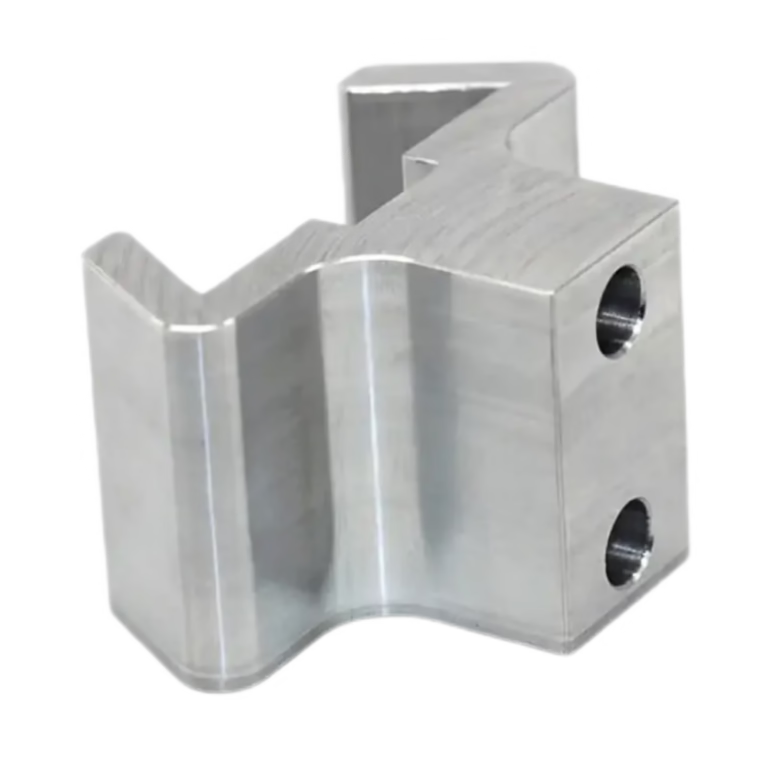
In the fiercely competitive landscape of modern manufacturing, the ability to innovate rapidly and validate designs efficiently is a key determinant of success. For many R&D teams, startups, and companies launching new products, the challenge often lies not in mass production, but in the critical phase that precedes it: obtaining high-quality, functional prototypes or small batches of parts for testing, market validation, and pilot runs. This is precisely where low volume CNC machining service steps in as an indispensable strategic tool. It bridges the gap between a digital design and full-scale production, offering a blend of speed, precision, and material versatility that is unmatched by other prototyping methods for metal and high-performance plastic parts.
H2: Decoding Low Volume CNC Machining: Beyond Prototyping, Towards Agile Manufacturing
At its core, low volume CNC machining service refers to the production of a limited quantity of parts—typically ranging from a single piece to several hundred—using Computer Numerical Control (CNC) equipment. Unlike mass production focused on economies of scale, this service prioritizes flexibility, rapid turnaround, and uncompromising quality. It is the manufacturing equivalent of a precision surgical tool, allowing for iterative design changes, functional testing with end-use materials, and low-risk market entry.
The strategic value of this service extends far beyond simple model-making:
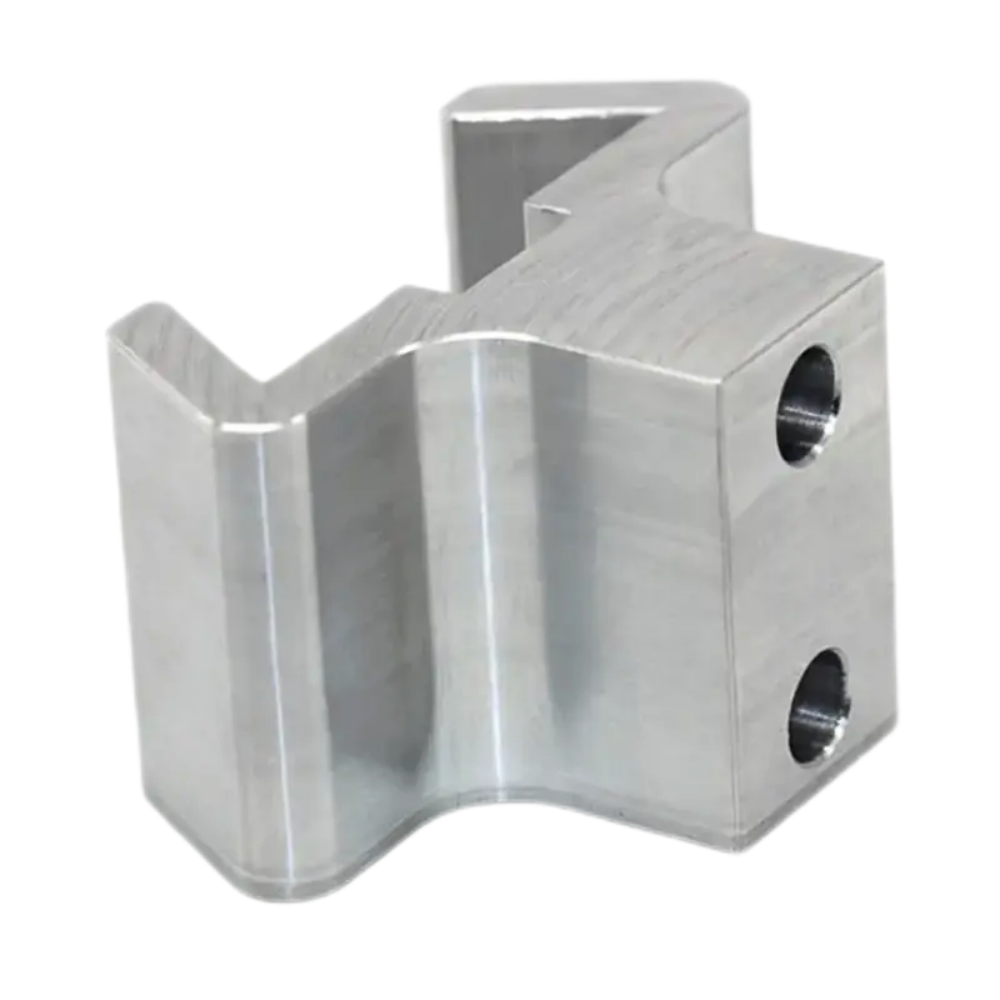
Design Validation & Functional Testing: Parts are machined from the intended final material (e.g., aluminum 6061-T6, stainless steel 316, PEEK), allowing for rigorous mechanical, thermal, and chemical testing under real-world conditions.
Bridge to Production: It serves as a seamless transition tool, enabling the production of pre-series batches for certification, clinical trials (in medical devices), or initial customer feedback before committing to expensive hard tooling like injection molds or die-casting dies.
Supply Chain Agility: For industries with fluctuating demand or highly customized products (e.g., aerospace brackets, special machinery), maintaining a low-volume CNC partnership provides a resilient and responsive supply chain, eliminating the need for large inventories.
H3: The Inherent Advantages: Why Choose CNC for Low Volumes?
When compared to alternative methods like 3D printing or traditional manual machining, low volume CNC machining service offers a compelling set of advantages:
Superior Material Properties & Authenticity: CNC machining starts with a solid block of certified, homogeneous material. The finished part retains the full mechanical strength, thermal conductivity, and chemical resistance of the raw stock, which is critical for functional prototypes and end-use parts. This is a distinct advantage over most 3D-printed parts, which can have anisotropic properties or require infiltration to achieve strength.
Exceptional Precision and Repeatability: Modern multi-axis CNC centers, especially 5-axis CNC machining, can achieve tolerances within ±0.001″ (0.025mm) or even tighter. This level of precision is consistent across the entire batch, ensuring that every part in your low-volume run is identical—a fundamental requirement for assembly and testing.
Excellent Surface Finish: CNC machining can produce a wide range of surface finishes directly from the machine, from fine milled finishes to near-mirror polishes. This reduces or eliminates secondary processing, accelerating the time-to-market for parts requiring aesthetic appeal or specific surface characteristics.
Broad Material Compatibility: The process is compatible with virtually all engineering metals (aluminum, steel, titanium, brass, copper alloys) and plastics (ABS, Nylon, PC, POM, PTFE), offering unparalleled design freedom.
H3: Critical Challenges in Sourcing Low Volume CNC Services
Despite its clear benefits, companies often encounter significant pain points when outsourcing low volume CNC machining service:
The “High-Cost, Low-Volume” Paradox: Without the amortization benefits of mass production, unit costs are inherently higher. Inexperienced suppliers may provide exorbitant quotes, failing to optimize processes for small batches.
Communication and Technical Translation Gaps: Translating complex 3D CAD models into efficient machining instructions requires deep manufacturing expertise. Miscommunication between design engineers and machine shops can lead to delays, errors, and cost overruns.
Inconsistent Quality and Lack of Process Control: Some workshops lack rigorous Quality Management Systems (QMS). Inconsistencies in material sourcing, tool wear compensation, or measurement techniques can result in part-to-part variation, rendering a small batch unreliable for testing.
Limited Technical Support and DFM Feedback: The best value in low-volume machining comes from early Design for Manufacturability (DFM) input. Suppliers who simply “quote and cut” without offering suggestions to simplify geometry, reduce setups, or enhance durability miss a crucial opportunity to add value.
H4: The GreatLight Metal Advantage: A Partner Engineered for Low-Volume Success
Navigating these challenges requires a partner with the right blend of technical prowess, systematic rigor, and a service mindset tailored to low-volume production. This is where GreatLight CNC Machining Factory distinguishes itself. As a specialist in high-mix, low-volume (HMLV) manufacturing, GreatLight Metal has structured its entire operation around the principles of agility, precision, and collaborative engineering.
H5: A Technical Infrastructure Built for Flexibility and Precision
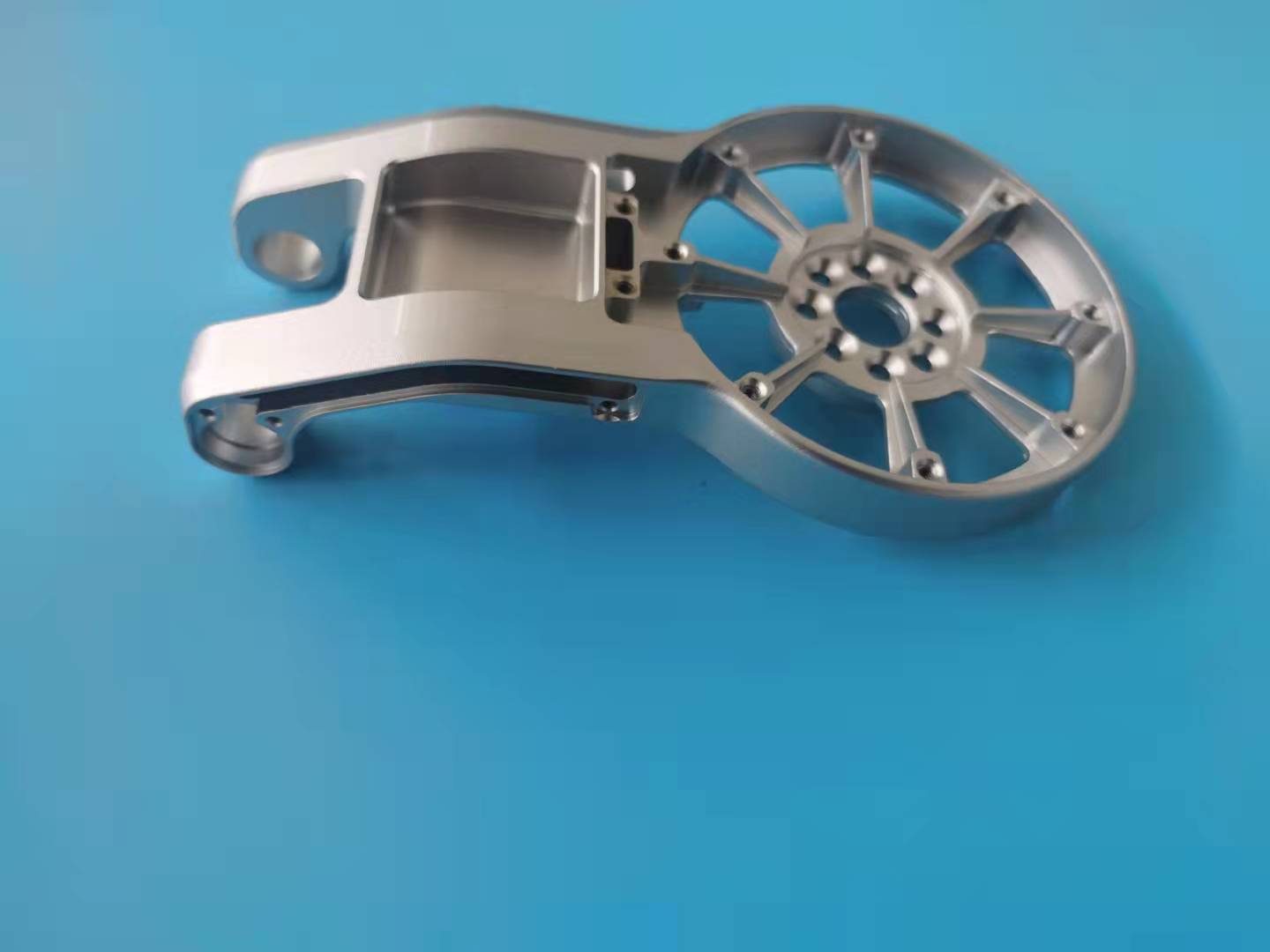
GreatLight’s capability in low volume CNC machining service is anchored by a strategically composed equipment portfolio:
Multi-Axis Machining Centers: A fleet of advanced 3-axis, 4-axis, and 5-axis CNC machining centers provides the flexibility to manufacture highly complex geometries in a single setup, drastically reducing lead times and improving accuracy for low-volume orders.
Complementary Process Chain: In-house support from precision grinding, EDM (Electrical Discharge Machining), and coordinate measuring machines (CMM) ensures that even the most demanding features and tolerances can be achieved and verified without relying on external vendors.
Material Science Expertise: With extensive experience machining everything from common aluminum alloys to challenging materials like titanium and Inconel, their team provides informed guidance on material selection to balance performance, machinability, and cost for your specific application.
H5: Systematic Quality Assurance: Trust Built on Certifications
For low-volume parts destined for critical applications, trust is non-negotiable. GreatLight Metal’s commitment is underpinned by internationally recognized certifications:
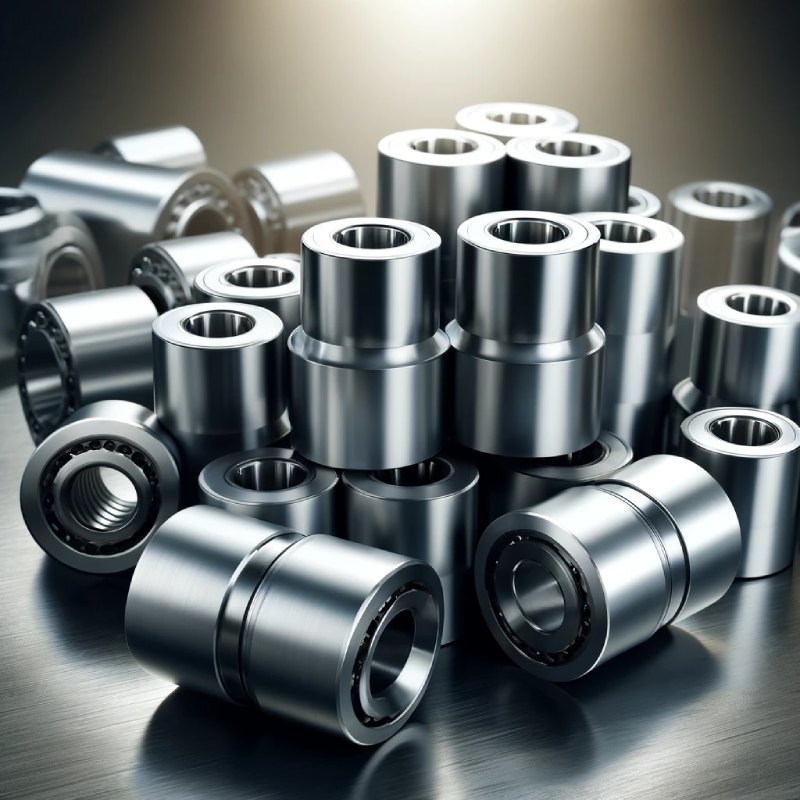
ISO 9001:2015: Ensures a systematic, process-oriented approach to quality management across every order, regardless of size.
IATF 16949: This automotive-grade QMS demonstrates a capability for rigorous process control and traceability—a benchmark of reliability that benefits all industries, from medical to robotics.
In-House Metrology Lab: Equipped with high-precision CMMs, optical comparators, and surface testers, they provide first-article inspection reports and critical dimension checks, delivering not just parts, but verifiable data and peace of mind.
H5: The Collaborative Service Model: From RFQ to Delivery
GreatLight Metal redefines the client-supplier relationship for low volume CNC machining service through a proactive, engineering-led approach:
DFM Analysis as Standard: Upon receiving your design, their engineering team conducts a thorough DFM review. They provide actionable feedback on draft angles, fillet radii, tolerance optimization, and potential alternative machining strategies to enhance manufacturability without compromising design intent.
Transparent Project Management: Clients are assigned a dedicated project engineer who serves as a single point of contact, providing updates on machining progress, inspection results, and any potential issues.
Integrated Post-Processing: Understanding that a prototype often needs to look and feel like a final product, they offer a full suite of finishing services—anodizing, plating, painting, laser etching—under one roof, simplifying logistics and ensuring consistency.
H4: Practical Applications: Where Low Volume CNC Machining Drives Innovation
Automotive & New Energy Vehicle (NEV): Prototyping battery enclosure components, motor housings, sensor brackets, and interior functional prototypes for fit and form testing.
Aerospace & Defense: Manufacturing flight-certifiable prototypes of mounting hardware, drone components, and communication device enclosures in lightweight, high-strength alloys.
Medical Device Development: Producing sterile-grade, biocompatible prototypes for surgical tools, diagnostic equipment housings, and implants for clinical evaluation and regulatory submission.
Robotics & Industrial Automation: Creating precise joint components, actuator parts, and custom end-effectors for system integration and performance validation.
Conclusion: Making the Strategic Choice for Agile Development
In the race to innovate, the path from concept to validated product must be as swift and reliable as possible. A low volume CNC machining service is no longer a mere convenience but a critical component of agile hardware development. The key to unlocking its full potential lies in selecting a manufacturing partner that views your low-volume order not as a small job, but as the foundation of a long-term collaboration.
GreatLight CNC Machining Factory embodies this partnership philosophy. By combining state-of-the-art 5-axis CNC machining capabilities with a robust quality management system and a deeply collaborative engineering culture, they transform the inherent challenges of low-volume production into a streamlined, predictable, and value-driven experience. For teams demanding precision, reliability, and insightful partnership on the road to production, this approach to low volume CNC machining service represents not just a service, but a strategic advantage. To explore how such a partnership can accelerate your next project, consider connecting with industry leaders who demonstrate this commitment on professional platforms like LinkedIn.



















